Golf handicaps have been an indispensable component of the game, providing golfers of diverse skill levels an equitable and standardized platform on which to compete. This comprehensive examination of golf handicaps unravels the intricacies of this multifaceted system, furnishing valuable insights that enhance gameplay and cultivate player proficiency.
Defining Golf Handicaps: Establishing a Common Measure of Skill
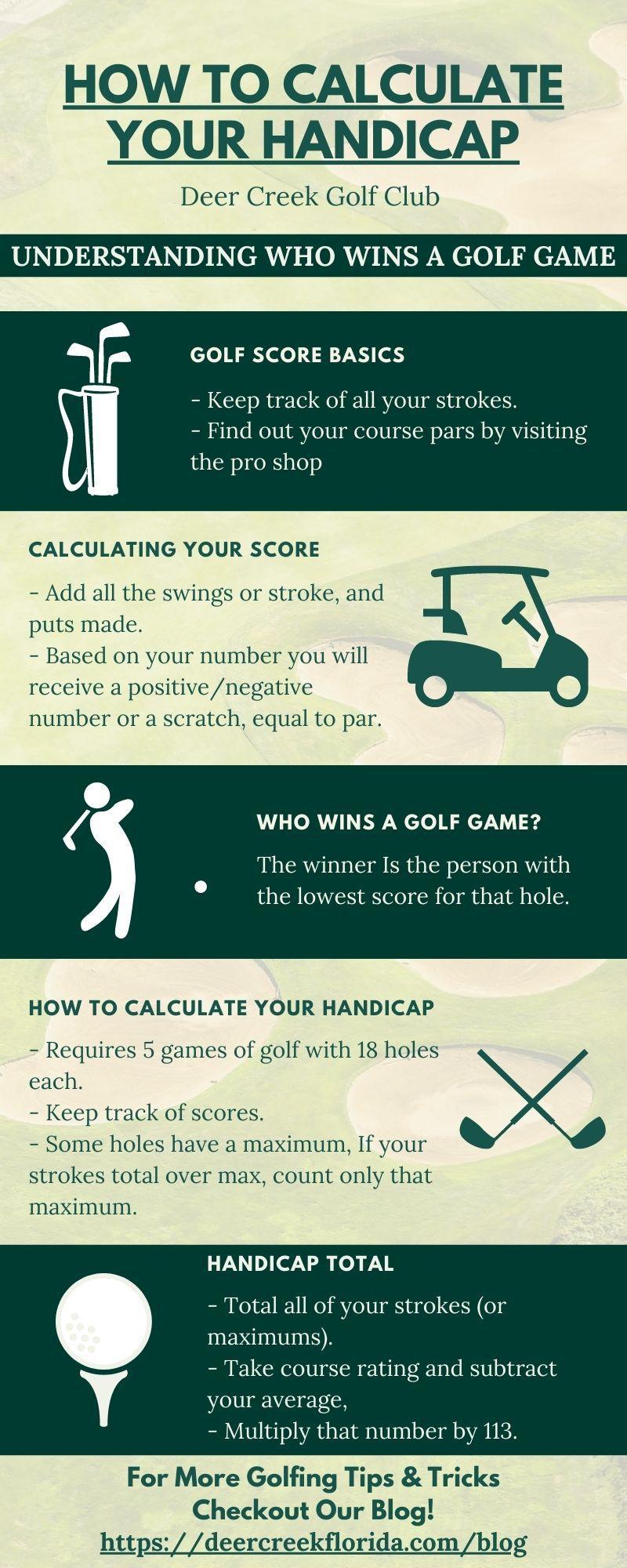
A golf handicap is a numerical measure of a player’s skill, used to adjust scores for competition on courses of varying difficulty. It represents the average number of strokes a player is expected to take over and above par for a given course. By establishing a common measure of skill, handicaps allow golfers of different abilities to compete on a level playing field.
The calculation of a handicap involves analyzing a player’s recent scores against course ratings. Course ratings are assigned to each set of tees at a golf course, based on factors such as length, slope, and hazards. By comparing a player’s scores to the course ratings, it is possible to determine their average performance relative to par. This information is then used to calculate the player’s handicap index.
Handicap indices, in turn, are used to determine a player’s playing handicap for a particular round. This is done by applying a formula that takes into account the slope rating of the course. Slope rating measures the difficulty of a course for players of different skill levels. By considering both the course rating and the slope rating, playing handicaps provide a more accurate assessment of a player’s expected performance on a given course.
Components of a Golf Handicap: Understanding the Elements
The crux of a golf handicap lies in three fundamental components:
- Course Rating: An assigned value that measures the difficulty of a particular golf course, taking into account factors such as slope, length, and hazards.
- Slope Rating: A supplementary value that quantifies the course’s relative difficulty for players with different skill levels, particularly bogey golfers.
- Handicap Differential: The average of a player’s best scores adjusted for the course and slope ratings. It represents the player’s estimated score over the course if played at par.
To calculate a handicap, golfers typically submit their best scores from several rounds, factoring in both course and slope ratings. This standardized system allows golfers to compare their abilities across different courses and conditions.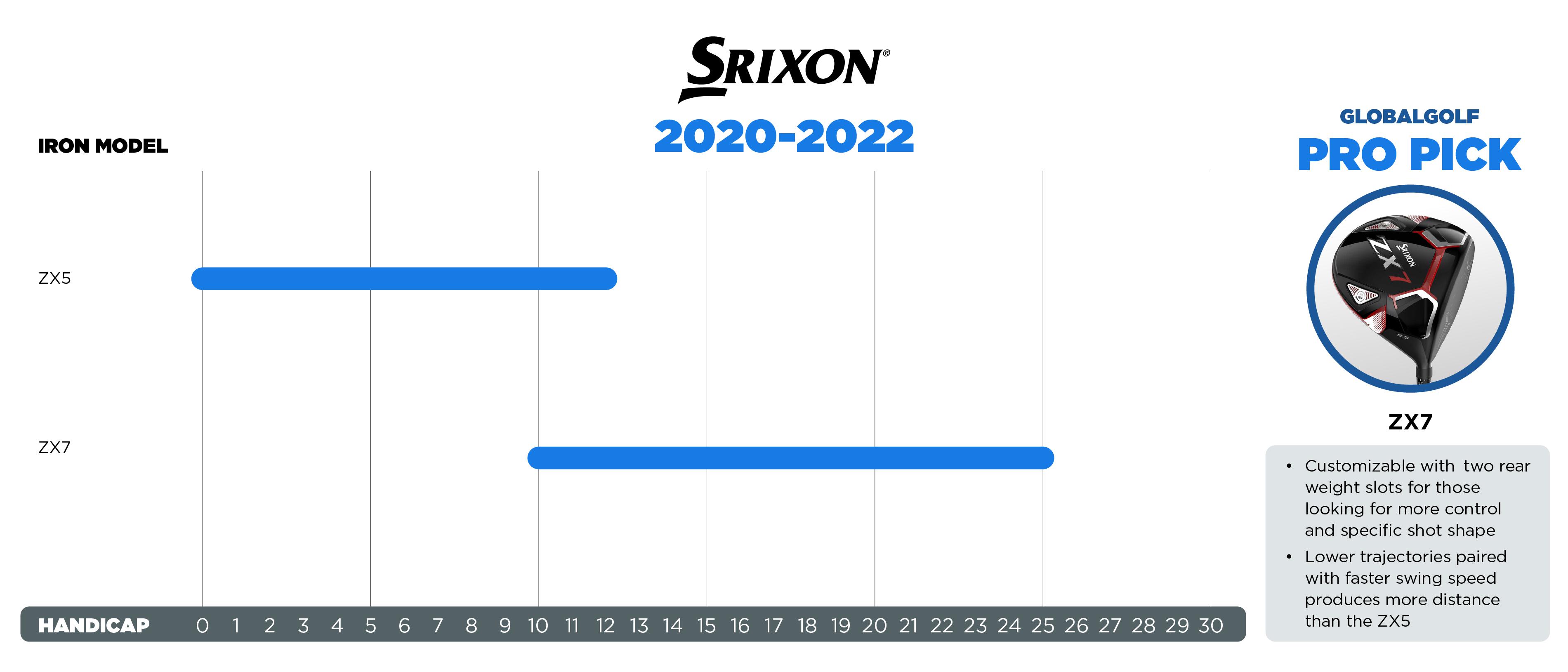
Types of Golf Handicaps: A Guide to Their Distinctions
Golf handicaps encompass an array of types, each serving a specific purpose in assessing a golfer’s skill level. Understanding these distinctions is paramount for effective handicap management and strategic gameplay.
USGA Handicap:
- The most widely recognized and utilized handicap system globally
- Calculated using a complex formula that considers a player’s recent performances
- Expressed as a numerical index ranging from 0 (scratch golfer) to 36+ (high handicapper)
Slope Rating Handicap:
- Adjusted based on the difficulty of the course on which it was obtained
- Takes into account factors such as course length, hazards, and green complexity
- Useful for comparing scores between courses with varying levels of difficulty
Playing Handicap:
- The maximum number of strokes a golfer is permitted to take on a given hole to maintain their handicap
- Calculated by multiplying the Course Handicap by the Slope Rating of the course
- Guides golfers in determining the appropriate tees to play from for a fair and consistent game

Handicaps and Course Ratings: Determining Par for the Course
Understanding golf handicaps and course ratings is essential for determining an appropriate par for the course. The USGA Course Rating System evaluates a course’s difficulty based on factors such as length, hazards, and green complexity. This rating is then used to assign a handicap to each hole, which reflects the average number of strokes a skilled golfer is expected to take from the tee to the green.
Table: Example Hole Handicaps
| Hole | Handicap | Length | Hazards |
|---|---|---|---|
| 1 | 5 | 520 yards | Dogleg left, water hazard on right |
| 2 | 3 | 450 yards | Elevated green, bunkers in front |
| 3 | 7 | 560 yards | Narrow fairway, trees on both sides |
The combination of a hole’s handicap and course rating determines its par. Par is typically 3 or 4 strokes over the hole’s rating. For example, a hole with a handicap of 5 and a course rating of 71 would be considered a par 4.
By using handicaps and course ratings, golfers can determine the appropriate par for each hole and plan their strategy accordingly. This knowledge helps them make informed decisions about club selection, shot placement, and risk assessment. Understanding the relationship between handicaps and course ratings enhances gameplay and allows golfers to approach the course with greater confidence and precision.
Enhancing Gameplay through Handicap Application: Informed Course Selection and Shot Strategy
Equipped with a deep understanding of their handicaps, golfers gain the power to make informed choices that elevate their gameplay. Course selection becomes a strategic pursuit, with golfers opting for courses that align with their handicap level. Avoiding excessively challenging courses reduces frustration and fosters enjoyment, while selecting courses within one’s range encourages success and fosters confidence.
Handicap awareness also aids in crafting effective shot strategies. By acknowledging their limitations, golfers can prioritize accuracy over distance, focusing on shots that maximize their chances of success. This approach leads to more conservative club selection, minimizing hazards and leading to more consistent results. Additionally, golfers can identify areas for improvement, such as bunkers or water hazards, and devise strategies to navigate these challenges effectively.
Handicap Correlation with Course Ratings
| Handicap Range | Course Rating Range |
|---|---|
| 0-5 | 72-76 |
| 6-10 | 76-80 |
| 11-15 | 80-84 |
| 16-20 | 84-88 |
| 21-25 | 88-92 |
This table illustrates the correlation between handicap and course ratings. Golfers with lower handicaps typically excel on courses with lower ratings, while those with higher handicaps may find courses with higher ratings more suitable. By considering course ratings alongside their handicap, golfers can make informed decisions that optimize their performance.
In conclusion, the multifaceted nature of golf handicaps mandates a comprehensive understanding among golfers seeking to optimize their gameplay. By embracing the insights provided by their handicaps, golfers embark on a path towards enhanced shot selection, informed course play, and a more rewarding golf experience. Moreover, handicaps foster a spirit of fair play and equitable competition, ensuring that golfers of all skill levels can engage in meaningful contests. Through the meticulous calculation and application of golf handicaps, individuals are empowered to unlock their full potential on the golf course, maximizing their enjoyment and reaping the manifold benefits this noble sport has to offer.