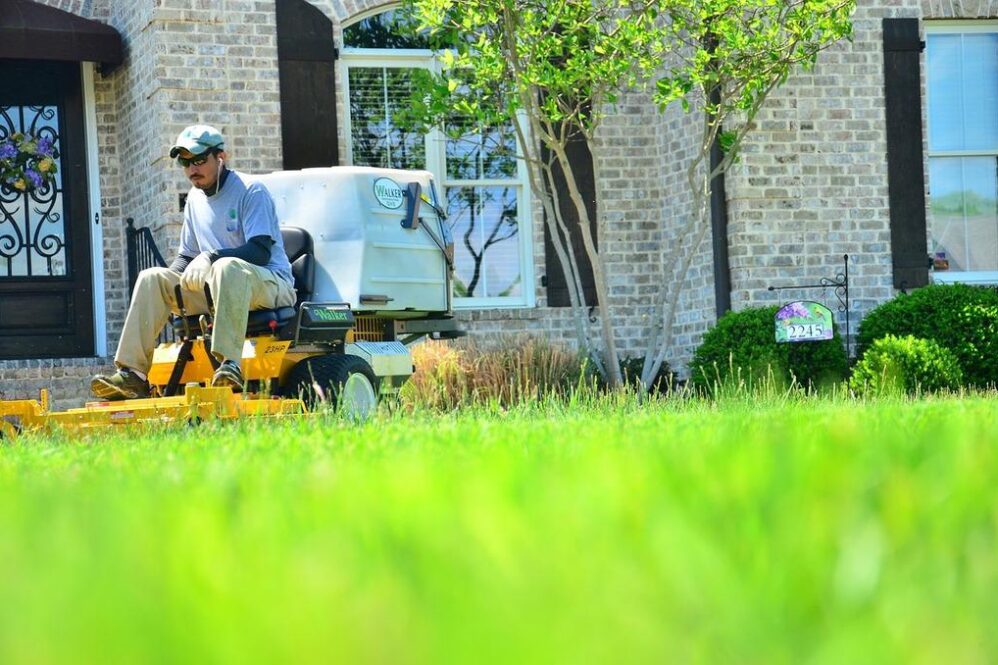
Do you consider yourself a lawn care expert? Take this quiz from a superintendent to gauge your knowledge and skills.
– Summer Lawn Care: Watering and Fertilizing Best Practices
Watering Best Practices
Timely watering is crucial for maintaining a healthy lawn. During the summer’s peak heat, aim to water deeply and infrequently, allowing the roots to absorb moisture effectively. Adjust watering intervals based on weather conditions and soil type, providing approximately 1-1.5 inches of water per week. Avoid shallow, frequent watering, as it promotes shallow root growth and vulnerability to drought.
Fertilizing Best Practices
Fertilizing provides essential nutrients for lawn growth. Apply a controlled-release fertilizer every 4-6 weeks, ensuring a gradual release of nutrients over time. Choose a fertilizer with a nitrogen-phosphorus-potassium (NPK) ratio appropriate for your soil’s needs. Lawns often benefit from a higher nitrogen content to promote green growth. Avoid over-fertilizing, as it can lead to excessive growth and damage to the turf.
<table class="wp-table-striped">

    <thead>

        <tr>

            <th>Fertilizer Type</th>

            <th>NPK Ratio</th>

        </tr>

    </thead>

    <tbody>

        <tr>

            <td>Balanced Fertilizers</td>

            <td>10-10-10, 16-16-16</td>

        </tr>

        <tr>

            <td>Nitrogen-Heavy Fertilizers</td>

            <td>32-0-0, 21-0-0</td>

        </tr>

        <tr>

            <td>Phosphorus-Heavy Fertilizers</td>

            <td>0-46-0, 0-26-26</td>

        </tr>

    </tbody>

</table>
Additional Tips
- Use sharp mower blades to cleanly cut grass, reducing stress.
- Mow at the appropriate height for your grass type, promoting healthy growth and reducing disease susceptibility.
- Regularly aerate your lawn to improve soil drainage and root penetration.
- Apply a weed preventer in early spring to prevent unwanted growth.

– Understanding Soil Composition and pH Levels
Understanding Soil Composition and pH Levels

Soil composition and pH levels are crucial factors in maintaining a healthy lawn. A balanced soil composition provides essential nutrients for plant growth, while optimal pH levels allow for proper nutrient uptake.
Soil Composition
Soil is typically composed of a mixture of sand, silt, and clay. Sand has large particles that allow for good drainage and aeration, while silt has intermediate-sized particles that hold water and nutrients. Clay particles are the smallest and can result in poor drainage if present in excessive amounts.
pH Levels
Soil pH measures its level of acidity or alkalinity on a scale from 0 to 14. A pH of 7 is neutral, while values below 7 indicate acidity, and values above 7 indicate alkalinity. Most lawn grasses prefer a slightly acidic soil with a pH range of 6.0 to 7.0.
Determining Soil Composition and pH
To accurately assess your soil’s composition and pH, consider using a soil test kit. These kits can be purchased from garden centers or online and provide detailed information about your soil’s nutrient content and pH level.
| Soil Type | Composition | Drainage | Nutrient Content |
|---|---|---|---|
| Sandy | High sand content, low clay and silt | Excellent | Low |
| Silty | High silt content, moderate sand and clay | Good | Moderate |
| Clayey | High clay content, low sand and silt | Poor | High |
Maintaining a lush, healthy lawn can be daunting, especially with lurking diseases waiting to sabotage our efforts. To equip you with the tools for a winning lawn, let’s delve into the most common maladies and their effective treatment approaches.
Brown Patch: This prevalent fungal disease manifests as circular brown patches in your lawn, commonly during summer’s stress. A mix of watering, improving mowing practices, and applying a fungicide can halt its spread.
| Disease | Symptoms | Treatment |
|---|---|---|
| Brown Patch | Circular brown patches | Watering, proper mowing, fungicide |
| Powdery Mildew | White or gray powdery coating | Fungicide, removing clippings |
| Rust | Yellow-brown pustules on blades | Fungicide, improving drainage |
| Dollar Spot | Small, circular yellow or tan spots | Fungicide, proper fertilization |
Powdery Mildew: This fungal affliction appears as a white or gray powdery coating on your lawn’s blades, most evident in shaded areas. Treat it swiftly with a fungicide, ensuring to remove clippings regularly.
Rust: Rust infects your lawn with yellow-brown pustules that form on the blades. Poor drainage often contributes to its spread. Enhance airflow by improving drainage and apply a fungicide to combat it.
Dollar Spot: Small, circular yellow or tan spots signal the presence of Dollar Spot, a fungal disease that thrives in heat and humidity. Ample water, proper fertilization, and fungicide application help keep it in check.
– Advanced Lawn Care Techniques for Health and Aesthetics
Unveiling the Secrets of Lawn Mastery
If you’re an aspiring lawn-care virtuoso, this quiz is your chance to showcase your expertise. But beware, these questions aren’t for the faint of heart. Only the most dedicated lawn enthusiasts will emerge victorious.
Soil Secrets: Delving into the Earth
A healthy lawn starts from the ground up. Can you identify the signs of good soil health? Look for:
- Rich, dark color: Indicates high levels of organic matter
- Crumbly texture: Promotes root penetration and aeration
- Good drainage: Prevents waterlogging and disease
Fertilization Regimen: Nurturing Growth
Fertilizing at the right time and with the right products is crucial for lawn health. Test your knowledge of these essential elements:
- Nitrogen (N): Supports rapid growth and green color
- Phosphorus (P): Enhances root development and seed production
- Potassium (K): Strengthens plants and improves drought resistance
| Nutrient | Function | Recommended Application Time |
|---|---|---|
| Nitrogen | Encourages lush growth | Spring and fall |
| Phosphorus | Supports strong roots | Before seeding or sodding |
| Potassium | Improves stress tolerance | Late summer |
Water Management: Striking a Balance
Proper watering plays a vital role in maintaining a thriving lawn. Master these concepts:
- Frequency: Water less frequently but more deeply to encourage deep roots
- Timing: Early morning or late evening to minimize evaporation
- Amount: 1-1.5 inches of water per week during hot, dry weather
In conclusion, this quiz is not just a fun way to test your lawn care knowledge; it also showcases the expertise of highly skilled professionals like golf course superintendents. If you excelled in this quiz, congratulations on being a lawn care whiz! Keep up the great work to maintain beautiful and healthy lawns. For the rest of us, let’s continue learning and practicing proper lawn care techniques to achieve our desired lush green spaces.