
The synergy between biomechanics and cognitive processes is essential in advancing athletic prowess,especially in golf,where accuracy and steadiness are crucial. Padraig Harrington, a renowned name in golf, demonstrates a masterful fusion of these disciplines through his progressive coaching techniques. By focusing on biomechanical principles, Harrington highlights the significance of correct posture, efficient movement patterns, and body mechanics, all of which are vital for enhancing swing precision and power. Simultaneously,he incorporates mental strategies that emphasize psychological strength,sustained focus,and tactical planning, acknowledging that mental acuity is as vital as physical skill in golf. This extensive methodology not only boosts on-course performance but also deepens players’ comprehension of the sport, enabling them to face challenges with increased resilience and assurance.
The integration of biomechanical and cognitive elements forms the cornerstone of Harrington’s instructional approach, offering a robust model for golfers aspiring to elevate their game. His teachings also underline the importance of mental resilience, especially when coping with high-pressure situations on the course. Through cognitive strategies such as visualization, positive self-talk, and mindfulness, golfers are equipped to enhance their focus and maintain composure during critical moments. This holistic view of performance encapsulates the essence of Harrington’s methodology, ultimately fostering both technical skill and mental fortitude in players of all levels.
Biomechanical Principles for Optimized Golf Performance
Grasping the biomechanics behind golf swings is critical for crafting techniques that improve results while minimizing injury risks. The golf swing is a complex sequence of coordinated movements where mechanical efficiency directly influences shot success. Essential biomechanical factors include:
- Postural Stability: Establishing a balanced stance with proper weight distribution is key to generating a controlled and powerful swing.
- Rotational Dynamics: smooth and effective rotation of the hips and shoulders increases clubhead velocity, thereby extending shot distance.
- Movement Sequencing: Harmonizing motion from the feet through to the hands ensures a seamless and fluid swing.
When these biomechanical components are harmonized, golfers achieve a dynamic and efficient swing. This physical foundation is complemented by cognitive techniques that reinforce muscle memory and enhance decision-making. As an example, visualization exercises can solidify proper swing form. Crucial cognitive tools include:
- Video Analysis: Reviewing swing footage provides critical insights for technical refinement.
- Mental Rehearsal: Imagining triumphant swings boosts concentration and confidence, especially under competitive pressure.
- Focus Routines: Developing calming pre-shot rituals helps maintain mental clarity throughout play.
Combining biomechanical precision with mental strategies leads to meaningful performance gains. The table below illustrates how physical and cognitive factors complement each other:
| Biomechanical Element | Cognitive Technique |
|---|---|
| Correct Grip | Concentrate on tactile sensations during practice |
| Balance and Posture | Visualize maintaining stability throughout the swing |
| Fluid Swing Motion | Use imagery to reinforce the swing path |

Mental Strategies for Building Resilience in Golf
Integrating cognitive techniques into golf training cultivates mental toughness, enabling players to stay composed and focused during critical moments. Core components of this mental framework include:
- Mindfulness Practices: Staying present through mindfulness reduces anxiety linked to past errors or future uncertainties.
- Imagery Training: Mentally rehearsing successful shots enhances confidence and consistency on the course.
- Positive Self-Talk: Encouraging affirmations and constructive internal dialog help sustain motivation during challenging rounds.
Effective decision-making is another vital mental skill, encompassing:
| Cognitive Aspect | Explanation |
|---|---|
| Risk Evaluation | Assessing shot options based on course layout and personal skill level. |
| Emotional Control | Regulating feelings to maintain calmness and make rational choices. |
| Reflective Learning | Reviewing past performances to refine future strategies. |
Harrington’s approach also stresses customizing mental strategies to fit individual player profiles, recognizing unique psychological strengths and areas for growth. Tailored methods may include:
- Setting Clear Goals: Defining achievable short- and long-term targets to guide progress.
- Developing Pre-Shot Rituals: Establishing consistent routines to foster focus and reduce anxiety.
- Tracking Performance: Keeping detailed records to monitor improvements and adjust training plans.
Leveraging Visualization for Enhanced Golf Execution
Visualization is a cornerstone cognitive tool in Harrington’s lessons, allowing golfers to mentally practice their swings and fine-tune techniques before physical execution. This involves picturing the perfect swing, ball flight, and landing spot, which sharpens focus and clarity during actual play. By cultivating vivid mental imagery, players strengthen muscle memory and align mental intent with physical action.
Regular visualization practice offers multiple benefits, such as:
- Improved Focus: Training the mind to block distractions and concentrate on performance.
- Boosted Confidence: Repeatedly envisioning success builds self-belief that translates to better results.
- Stress Reduction: Using calming imagery to prepare for pressure-filled situations.
Effective visualization depends on purposeful practice. The following table outlines recommended exercises:
| Exercise | Focus | Duration |
|---|---|---|
| Pre-Shot Visualization | Mentally rehearsing the entire shot sequence | 5 minutes |
| Relaxation Imagery | Visualizing peaceful scenes to ease tension | 10 minutes |
| Success Visualization | Imagining positive shot outcomes | 5 minutes |
The Role of Physical Conditioning in Golf Skill Enhancement
Physical fitness is a critical factor in refining a golfer’s abilities, especially when viewed through the biomechanical lens. Athletes with strong conditioning exhibit greater power, versatility, and endurance, all of which contribute to more effective swing mechanics. Targeted training of specific muscle groups enables golfers to maximize their physical potential, leading to improvements such as:
- Greater Swing Power: Enhanced lower body strength supports faster clubhead speeds.
- Improved Balance: Core stability facilitates efficient weight transfer during swings.
- Increased Flexibility: Expanded range of motion allows for smoother,more controlled swings.
Equally important are the cognitive benefits of physical conditioning. Mental toughness and strategic thinking are bolstered when physical fatigue is minimized, enabling golfers to:
- Stay Composed: Reduced tiredness leads to clearer decision-making under pressure.
- Heighten Awareness: Physical well-being helps maintain engagement with course conditions and tactics.
- Maintain Consistency: A strong body supports the mental routines essential for peak performance.
To quantify these advantages, structured fitness programs focusing on key physical attributes can be highly effective. The table below summarizes their impact:
| Physical Attribute | Performance benefit |
|---|---|
| Strength | Longer drives and increased swing velocity |
| Flexibility | Enhanced swing fluidity and range of motion |
| Endurance | Consistent focus and energy throughout rounds |
Actionable Tips for Adopting Harrington’s Golf Methods
To successfully apply the combined biomechanical and cognitive strategies from Harrington’s teachings, golfers should concentrate on these essential areas:
- Comprehensive Physical Evaluation: Start with assessments of flexibility, strength, and balance to pinpoint improvement opportunities.
- Technique Analysis: Use video tools to scrutinize swing mechanics, focusing on fundamentals like grip, posture, and alignment.
- Integrated Practice Sessions: Structure training to include both physical drills and mental exercises, dedicating time to swing refinement followed by visualization or mindfulness.
Alongside biomechanical training, mental resilience can be nurtured through targeted cognitive practices such as:
- Goal Definition: Set specific, measurable objectives with clear timelines to maintain motivation.
- Visualization Exercises: Regularly practice mental imagery of successful shots and positive outcomes.
- Breathing Control: Employ focused breathing techniques before shots to enhance concentration and reduce stress.
Ongoing evaluation and feedback are crucial for embedding these strategies into your routine. Recommended actions include:
- Tracking Progress: Keep a detailed journal documenting practice results,mental states,and physical changes to identify effective methods.
- Reviewing Video Footage: Frequently analyze recorded sessions to monitor improvements and detect areas needing adjustment.
- Seeking Peer Feedback: Engage with fellow golfers or coaches to gain fresh perspectives and foster a supportive learning habitat.
Padraig Harrington’s instructional philosophy exemplifies the powerful integration of biomechanical and cognitive techniques that can markedly elevate a golfer’s performance. By emphasizing both physical mechanics and mental conditioning,Harrington provides a comprehensive framework that nurtures technical skill and emotional resilience. This multifaceted approach not only sharpens physical execution but also builds the psychological fortitude necessary to thrive under pressure. As golf coaching continues to evolve, the insights from Harrington’s lessons offer valuable direction for players and instructors alike, highlighting the critical importance of a balanced training model that addresses the complex interaction between body and mind. Ongoing research and practice should further explore these connections to raise the standards of coaching and competitive success in golf.
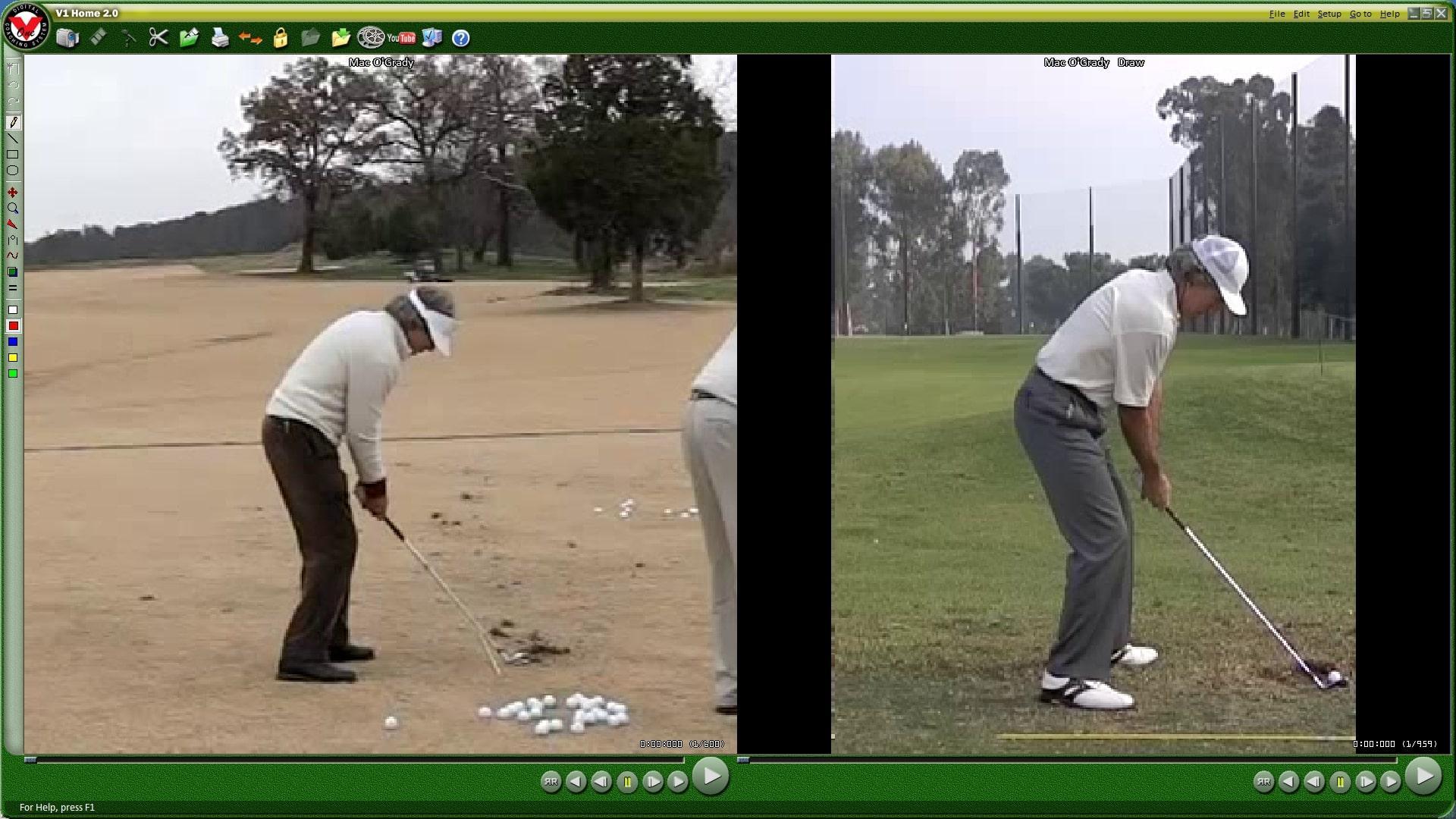
Mastering the swing: Unlocking Biomechanical and Mental Secrets in Harrington’s Golf Lessons
the Biomechanical Foundations of Harrington’s Golf Swing
In golf, the art of a flawless swing hinges on biomechanical precision.Harrington’s golf lessons emphasize this through detailed breakdowns of body mechanics, ensuring each movement contributes maximally to power, control, and consistency.
Key Biomechanical Principles
- Proper Grip Mechanics: A neutral grip reduces unwanted clubface rotations, promoting straighter ball flight and better accuracy.
- Optimal stance and Posture: Balanced stance with slight knee flexion and a straight back aligns the body to generate power efficiently.
- Efficient Weight Transfer: Shifting weight from back foot to front foot during the swing drives power and consistency.
- Hip and Shoulder Rotation: Coordinated rotation fosters clubhead speed while maintaining control.
- Follow-Through and Balance: A controlled finish prevents loss of power and supports repeatability.
Mental Strength and Focus: Harrington’s Winning Formula
Beyond technique, Harrington’s lessons dive deep into the psychological aspects of golf, unlocking the mental resilience and strategic focus that differentiate champions.
Mental Techniques to Enhance Performance
- Pre-Shot routine: Establishing a consistent routine reduces anxiety and improves shot confidence.
- Visualization: Mentally rehearsing the shot path enhances precision and commitment in execution.
- Focus on the Present: Diverting attention from prior mistakes or future shots keeps the mind sharp for current play.
- Breath Control and Relaxation: Managing stress through controlled breathing improves concentration and fluid swing tempo.
- Goal Setting: Setting attainable, progressive goals fosters motivation and measurable betterment.
Advanced Swing Mechanics: Applying Harrington’s Techniques
Harrington’s approach blends traditional fundamentals with modern biomechanics to create a swing that maximizes both distance and accuracy.
| Swing Component | Biomechanical Focus | Practical Tip |
|---|---|---|
| Backswing | Full shoulder turn, controlled club takeaway | Practise slow-motion swings to develop muscle memory |
| Downswing | Initiate with hips, maintain lag angle | Use impact tape drills to analyze point of contact |
| Impact | Square clubface, weight on lead foot | Record swing video for feedback on clubface alignment |
| Follow-Through | Full extension, balanced finish | Hold finish pose to check balance |
Benefits of Harrington’s Golf Lesson Approach
- Improved Consistency: Fewer mishits due to better biomechanics and mental preparation.
- Increased distance: Efficient energy transfer and body rotation generate more clubhead speed.
- Enhanced Precision: Better grip and stance control shot direction reliably.
- Mental Resilience: Managing pressure enhances performance under competitive conditions.
- Customized Learning: Adaptable drills fit golfers of all skill levels.
Practical Tips for Mastering Harrington’s Swing Principles
- Record Your Swing: Use slow-motion video to observe your biomechanics and adjust posture.
- Develop a Consistent Pre-Shot Routine: Include breathing, visualization, and stance setup.
- Train Core Muscles: Core stability exercises improve rotation and power transfer.
- Use Impact Tape: Regularly check ball-strike pattern to ensure clubface control.
- Mental Rehearsal: Practice visualization of triumphant shots before each round.
- Work with a Coach: Harrington’s lessons can be adapted by your instructor for personalized feedback.
Case Study: How Harrington’s lessons Transformed a Mid-Handicap Golfer
John D., a 15-handicap golfer, struggled with erratic ball striking and mental lapses on course. After integrating Harrington’s biomechanical and mental strategies over a 12-week period:
- Driving accuracy improved from 45% to 70%, reducing lost balls and penalties.
- Average driving distance increased by 20 yards through enhanced hip rotation and weight transfer.
- On-course focus drills minimized pressure-induced errors during competitive play.
- John’s scoring average dropped by 3 strokes per round, illustrating a tangible performance boost.
First-Hand Insights from Harrington’s Golf Students
“Incorporating the biomechanical drills into my practice revolutionized my swing. the mental strategies helped me stay calm during tournaments. Harrington’s methods truly bridge the gap between technique and mindset.” – Sarah L.
“Focusing on body alignment and controlled tempo, just as Harrington teaches, finally unlocked a consistent swing that felt natural.The improvement in my game is undeniable.” – Mark T.
Summary Table: Biomechanical vs. Mental Golf Swing Elements
| Category | Key Focus | Impact on Performance |
|---|---|---|
| Biomechanics | Grip, posture, weight transfer, rotation | Enhanced power, accuracy, and consistency |
| Mental Strategy | Focus, visualization, routine, stress management | Improved shot confidence and pressure resilience |