how Understanding the Root Causes of Your Slice Can Transform Your game
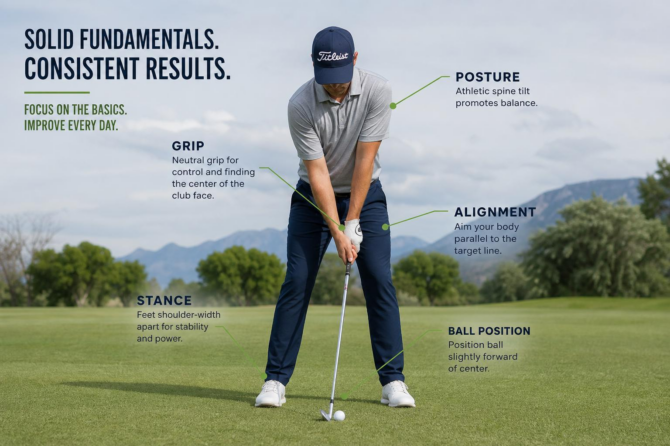
Understanding the root causes of your slice begins with dissecting the swing mechanics that produce it. A slice typically results from an open clubface angle relative to the swing path at impact, combined with an out-to-in swing trajectory. To correct this, focus first on your setup fundamentals: align your feet, hips, and shoulders parallel to the target line, and position the ball slightly forward in your stance-usually just inside the left heel for a right-handed golfer. Incorporating drills like the alignment stick drill can help create muscle memory for a square clubface and neutral swing path. By adopting a more inside-to-out swing path and ensuring the clubface closes through impact, you reduce sidespin that causes the ball to curve right. For measurable goals, aim to reduce your clubface angle to within less than 2 degrees open at impact, which can be tracked using launch monitor feedback or video analysis.
Once swing corrections are underway, integrating strategic course management and short game adjustments enhances your ability to adapt during play. Such as, on a windy day when controlling ball flight is critical, acknowledging the propensity for a slice allows you to adjust your aim left of the target and possibly use a stronger grip or a less lofted club to promote a draw bias. In the short game, understanding the ball’s tendency to fade helps refine your approach shots and chipping techniques. Practicing controlled fades with partial wedge swings at 50-75% power encourages better ball flight control and scoring opportunities around the green. Additionally, use pre-shot routines that emphasize visualization of your intended shot shape, which strengthens the mental discipline necessary to override slice tendencies under pressure, directly impacting your scoring consistency.
In terms of equipment and practice routines, selecting the right driver settings and emphasizing specific drills can accelerate slice correction across all skill levels. Modern drivers with adjustable hosels allow you to reduce open face angles and promote a draw bias by tweaking loft and face angle settings-a practical step frequently enough overlooked by amateur golfers. Practice drills such as the “headcover under the trail arm” drill promote maintaining a square clubface through impact while drills focusing on rhythm and tempo help integrate these changes smoothly into your overall swing. For beginners, starting with slow, controlled swings focusing on grip pressure and wrist hinge builds foundational skills, while advanced players can introduce video swing analysis and biomechanical feedback tools to fine-tune their motions. By breaking down the root causes and applying targeted corrective measures,golfers can transform their slice into efficient control,boosting confidence and dramatically improving scoring potential.
Unlocking the Secrets of a Smooth Swing Plane for Better Direction
Achieving a smooth swing plane begins with understanding the correct swing path angle, which typically ranges between 45 and 55 degrees relative to the ground at address. Establishing this neutral plane ensures the clubhead travels on an efficient arc, promoting a square clubface at impact and reliable ball direction. To develop muscle memory, begin each session focusing on your setup fundamentals: maintain a straight spine angle, align shoulders parallel to the target line, and position the ball slightly forward for long irons or slightly centered for wedges. For beginners, slow-motion swings focusing on the takeaway help embed the feel of the club travelling on plane.Advanced players can utilize video analysis or a mirror to detect any early over-the-top moves or inside-out paths, which commonly cause directional inconsistencies such as slices or hooks.
Correcting a common directional issue like the slice involves drills that reinforce an inside-square-inside swing path. One effective routine is the gate drill: place two alignment sticks or clubs slightly wider than your natural swing arc just outside the ball, forming a corridor. Practice swinging without hitting the sticks, focusing on keeping the clubhead on an inside path through impact. Additionally,emphasizing a led arm position slightly above shoulder height at the top of the backswing encourages a flatter,more efficient plane rather than a steep,over-the-top motion. On the course, applying this knowledge means adapting your shot shape depending on wind and hazards-practicing controlled fades or draws by slightly adjusting swing path and face angle helps in maintaining optimal trajectory and scoring opportunities.
Incorporating consistent practice routines that integrate measurable metrics such as swing plane angle via launch monitors or smartphone apps supports continuous betterment. Structured sessions alternating between technical drills and on-course application build both muscle memory and strategic thinking, like selecting targets that accommodate your natural ball flight while minimizing risk. Remember to progressively increase swing tempo as control improves, as rushing the downswing frequently enough disrupts plane and balance. For golfers with physical constraints, modifying grip pressure and stance width can alleviate tension and promote a smoother takeaway. Ultimately, mastering a smooth swing plane contributes to enhanced accuracy, distance control, and lower scores-making it a foundational skill in comprehensive golf training.
Mastering the Drill That Builds Confidence and Eliminates the Slice for Good
Correcting a slice requires a comprehensive understanding of the swing path and clubface angle at impact. A common cause of slicing is an outside-to-inside swing path combined with an open clubface, which imparts side spin causing the ball to curve right for right-handed golfers. To begin mastering this drill, focus on establishing a sound setup: position the ball just inside the front heel for a driver, maintain a square clubface at address, and ensure your shoulders and hips align slightly left of the target line. During the swing, aim to feel a more inside-out path where the clubhead approaches impact from inside the target line to promote a straighter or even a controlled draw shot. Practicing with alignment sticks placed on the ground parallel to your target line can provide valuable visual feedback and help ingrain the correct swing plane and path.
Building confidence through repetition involves integrating specific drills that reinforce correct mechanics while providing measurable feedback. One effective drill is the “
Gate Drill,” where two tees are placed slightly wider than the clubhead just ahead of the ball, encouraging a clean inside-out strike without chopping or slicing. Combine this with impact tape or foot spray to monitor contact quality and face angle. For golfers at any skill level, gradually increasing swing speed while maintaining these fundamentals will help ensure the drill translates to on-course performance, reducing slice tendencies even in high-pressure scenarios. additionally, intentional practice sessions should include simulated course conditions such as varying wind directions and lies, enabling players to adapt ball flight and trajectory control by altering clubface position and swing thought, thereby mastering strategic shot shaping and improving scoring potential.
Beyond swing mechanics, triumphant slice elimination involves sound course strategy and mental resilience. When faced with challenging tee shots-such as narrow fairways or sidehill lies-pre-shot routine adjustments become critical. Incorporate deliberate practice of pre-shot visualization and consistent grip pressure to maintain control throughout the swing. Equipment choices also matter: using a driver with a slightly closed face angle or adjusting the loft can help mitigate slice spin. Regularly assess your progress by tracking fairway hit percentage and shot dispersion patterns, aiming to reduce slice-induced misses by at least 50% over several weeks. Ultimately, mastering this drill will not only improve ball striking but will cultivate greater confidence, empowering you to take strategic risks and lower scores across diverse course conditions.