The conduct exhibited on the golf course plays a crucial role in shaping the sport’s overall image. Instances of poor sportsmanship can damage golf’s reputation and deter potential enthusiasts from embracing the game. Upholding a high standard of professionalism is vital to preserving the sport’s esteemed traditions and core values.
Golfers are encouraged to:
- show genuine respect towards fellow competitors and officials
- Interact constructively with spectators and the media
- Maintain calmness and focus during high-pressure moments
Leadership within the golfing community is instrumental in fostering a positive culture. Experienced players and respected figures serve as role models, instilling principles of respect and discipline in upcoming golfers. This nurturing atmosphere not only enhances the game’s integrity but also promotes its growth both on the fairways and beyond.
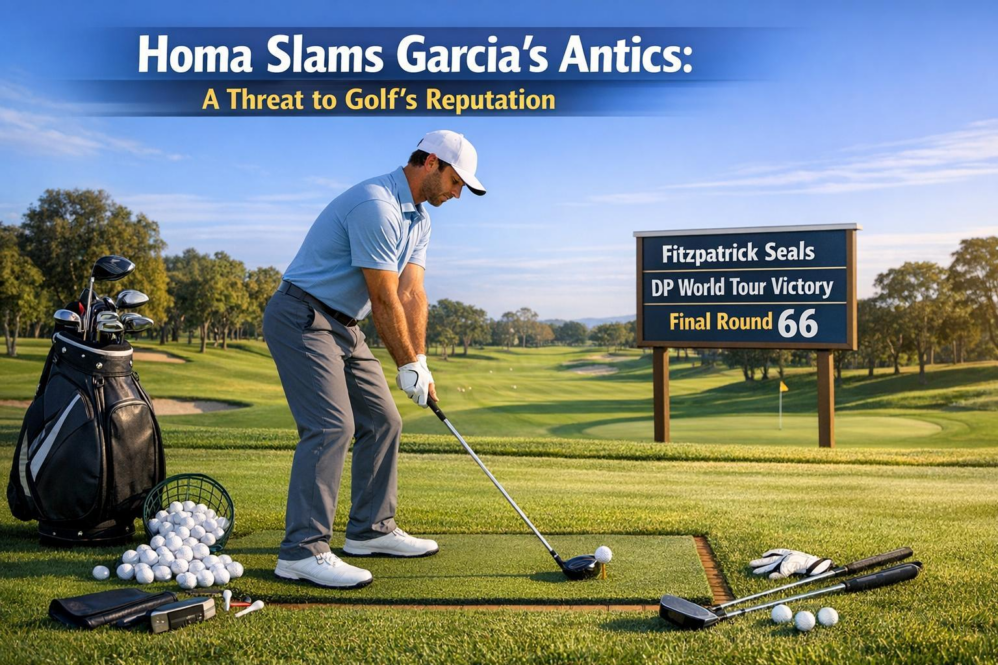
Homa Slams Garcia’s Antics: A Threat to Golf’s Reputation
Max Homa’s Critical Stance on Sergio Garcia’s Behavior
In recent weeks, professional golfer Max Homa has voiced sharp criticism of fellow pro sergio Garcia‘s on-course conduct. The controversy centers on Garcia’s unprofessional antics during tournaments that many feel undermine the integrity and decorum of golf, a sport traditionally rooted in respect, sportsmanship, and etiquette.
Homa’s concerns highlight a growing conversation around how golf’s reputation is shaped by player behavior, especially under the scrutiny of global media and an evolving fan base. Known for his candidness, Homa stated that Garcia’s actions not only disrespect peers but also threaten the public’s perception of golf as a gentleman’s sport.
Understanding the Impact of Behavior on golf’s Reputation
Golf has long prided itself on a code of conduct, where players are expected to uphold standards that set the sport apart. When prominent golfers deviate from these expectations, it risks:
- Damaging golf’s image as a respectful and honorable sport
- Alienating traditional fans and potential new audiences
- Increasing tension and negativity within competitive fields
- Undermining young players who look up to tour professionals as role models
Examples of Antics Leading to Public Backlash
Garcia’s behavior has included displays such as visible frustration through aggressive club swings, heated interactions with officials, and controversial comments post-round. Each of these has prompted debate within golf communities and media forums emphasizing the essential balance between competitive passion and professionalism.
| Type of Antic | impact on Reputation | Response by peers/Fans |
|---|---|---|
| Aggressive club snapping | Portrays uncontrolled anger | Criticized by traditional golf fans |
| Disputing umpire decisions loudly | Challenges respect for officials | Viewed as unsportsmanlike |
| Negative media comments about competitors | Creates hostility within the sport | Divides fan base and players |
Practical Tips for Maintaining Professionalism on the Golf Course
Weather you’re an amateur or a pro golfer, maintaining composure and respecting golf’s etiquette is key to preserving the sport’s integrity:
- Practice emotional control: Take deep breaths or step aside briefly after a poor shot.
- Respect officials and fellow players: Accept rulings gracefully and avoid confrontations.
- focus on sportsmanship: Congratulate competitors and demonstrate humility in victory or defeat.
- Manage competitive pressure: Prepare both mentally and physically before tournaments.
- Lead by example: Encourage positive behavior among peers and juniors.
Case Study: The backlash and support surrounding Garcia’s Recent Actions
Following a recent tournament where Garcia’s conduct made headlines, social media was flooded with mixed reactions:
- Critics claimed his antics disrespected golf’s heritage and damaged the community’s image.
- Supporters argued that Garcia was showing passion and authenticity, qualities some fans find missing.
However, the majority opinion among professional golfers, including Max Homa, leans towards maintaining professionalism while expressing competitive spirit responsibly. The debate underscores a larger question about evolving norms in the golfing world and how traditions may adapt without losing core values.
Golfers’ Code of Conduct: Key Elements to Remember
| Code Element | Importance | Real-World Application |
|---|---|---|
| Respect for opponents | Fosters positive competition | Shaking hands, congratulating good play |
| Respect for officials | Ensures fair play | Accepting rulings without argument |
| Self-control | Maintains sport decorum | Managing frustration calmly |
how This Issue Reflects on Broader Golf Industry Trends
The tension between tradition and modern competitive pressures reflects challenges golf faces in staying relevant. Emerging formats like mixed-gender tournaments and Short Game innovations aim to attract new fans but also require players to exhibit conduct that emphasizes respect and positive engagement.
Influential golfers such as Max Homa champion a balance: play hard, play fair, and protect the legacy of golf. This ensures the sport’s appeal remains strong among established enthusiasts while drawing in younger generations.
First-Hand Experience: Lessons from Playing with High-Profile Pros
Many recreational and touring professionals note that observing top-level players like garcia provides insights not only on technical skill but also on attitude management.Conversations and coaching moments emphasize that the mental and behavioral side of golf can be as equally challenging as the physical execution.
For golfers aiming to improve their course management and mental toughness, learning from both positive role models and cautionary examples is crucial. Maintaining integrity on the course is seen as a skill critical to success both on and off the leaderboard.