
- Water Conservation: Exploring Innovative Green Measures on the Course
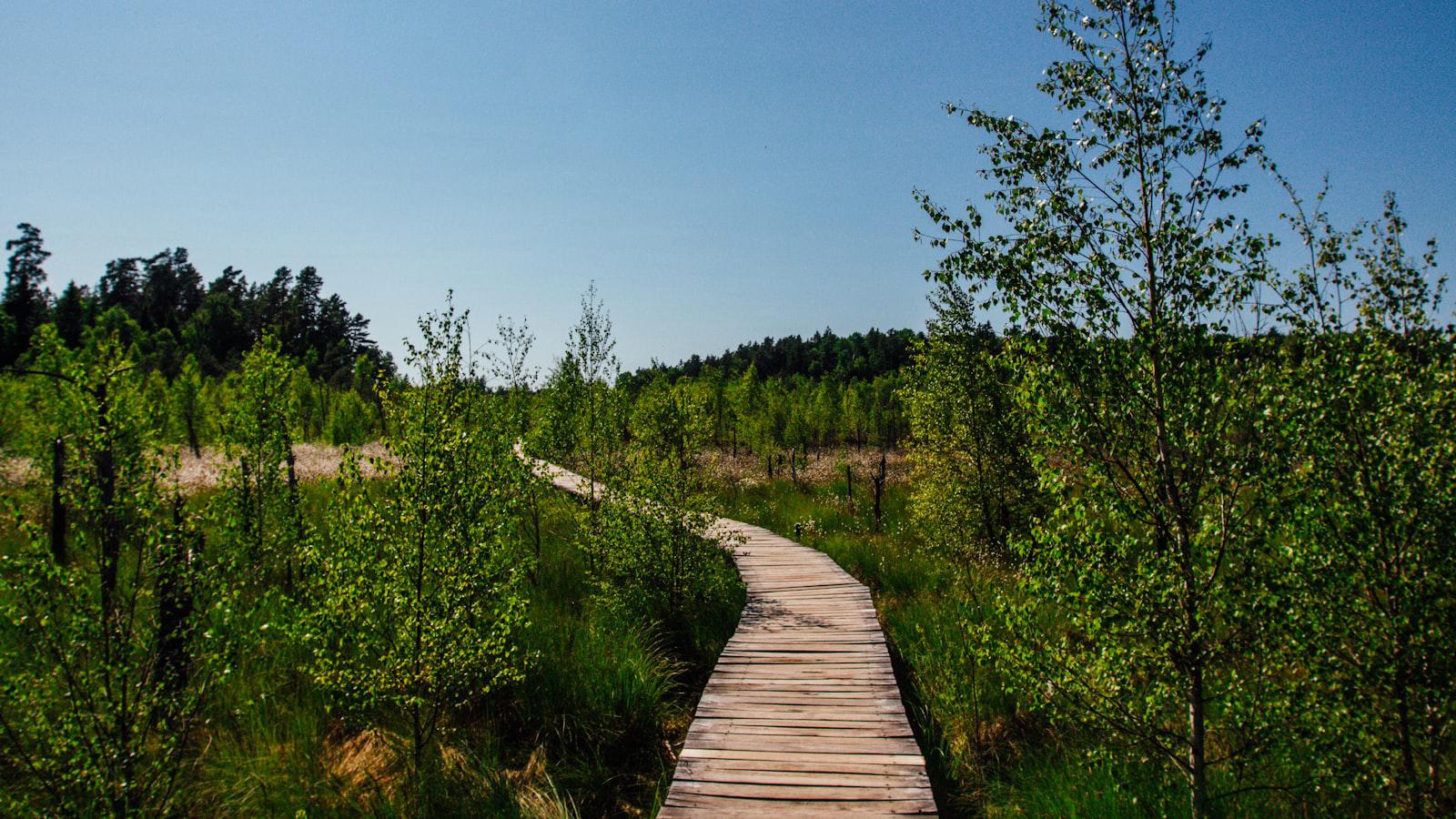
Water conservation is a critical aspect of maintaining sustainable golf courses. Innovative green measures include the use of drought-tolerant grasses, rainwater harvesting systems, and advanced irrigation technologies. These measures reduce water consumption and promote eco-friendly practices on the course.
Drought-tolerant grasses: Using grasses specifically bred to withstand dry and arid conditions reduces water requirements significantly. These grasses have deep root systems that allow them to tap into deep water sources and minimize evaporation.
Rainwater harvesting systems: Capturing and storing rainwater for use in irrigation is a sustainable method of water conservation. Golf courses can incorporate ponds, cisterns, and underground storage tanks to collect rainwater, which can then be utilized to supplement the main irrigation system.
Advanced irrigation technologies: Implementing smart irrigation systems helps optimize water usage and reduce waste. Sensors monitor soil moisture levels and adjust watering accordingly, ensuring that only the necessary amount of water is applied. Advanced sprinkler heads with precise spray patterns minimize overspray and ensure efficient distribution.
| Innovative Water Conservation Measures | Benefits |
|---|---|
| Drought-tolerant grasses | Reduced water consumption, lower maintenance costs |
| Rainwater harvesting systems | Supplement irrigation, reduce reliance on external water sources |
| Advanced irrigation technologies | Optimized water application, minimized waste |
Golf courses, often criticized for their environmental footprint, are inadvertently providing refuge to diverse wildlife. The meticulously manicured landscapes offer safe havens for numerous species, including birds, mammals, and insects. Studies have shown that golf courses can support up to 50% of the species found in surrounding natural areas.
These green havens provide vital food and shelter for wildlife. The diverse vegetation, including fairways, roughs, and greens, offers a variety of habitats for different species. Additionally, golf course ponds and streams provide valuable water sources for both aquatic and terrestrial animals.
Furthermore, golf courses implement strict environmental management practices, such as habitat restoration, controlled water use, and integrated pest management. These measures help protect and enhance the biodiversity within these man-made ecosystems. By embracing these practices, golf courses can further enhance their role as valuable wildlife preserves and contribute to the conservation of local biodiversity.
– Carbon Footprint Reduction: Sustainable Practices for a Zero-Emission Game
Carbon Footprint Reduction: Sustainable Practices for a Zero-Emission Game
With the growing awareness of climate change, golf courses are under increasing pressure to reduce their carbon footprint. Here are some sustainable practices that can help golf courses achieve a zero-emission game:
-
Renewable Energy: Golf courses can reduce their dependence on fossil fuels by investing in renewable energy sources, such as solar and wind power. Solar panels can be installed on rooftops and carports, while wind turbines can be erected on open areas of the course.
-
Energy Efficiency: Golf courses can also reduce their carbon footprint by implementing energy efficiency measures, such as upgrading to LED lighting, installing programmable thermostats, and using energy-efficient appliances. Additionally, golf courses can encourage the use of electric vehicles by installing charging stations for staff and visitors.
| Measure | Potential Carbon Savings (tons per year) |
|---|---|
| LED Lighting | 200 |
| Programmable Thermostats | 50 |
| Energy-Efficient Appliances | 25 |
| Electric Vehicles | 50 |
- Carbon Sequestration: Golf courses can also play a role in carbon sequestration by planting trees and preserving natural areas. Trees absorb carbon dioxide from the atmosphere and store it in their trunks and leaves. By increasing the number of trees on a golf course, the course can help to reduce its overall carbon footprint.
– Collaborative Efforts: Partnerships and Initiatives Driving Sustainable Golf

Collaborative Efforts: Partnerships and Initiatives Driving Sustainable Golf

Industry leaders and organizations are joining forces to create a greener future for golf. The Golf Environment Organization (GEO) and the Sustainable Golf Initiative (SGI) work with clubs and courses worldwide to promote best practices in environmental stewardship.
These collaborations have resulted in significant progress, such as reduced water usage, increased use of recycled materials, and habitat preservation. The World Golf Foundation’s “Golf for Good” program has invested millions in sustainability initiatives, while programs like the PGA TOUR’s “FORE! Green” initiative encourage golf professionals to adopt eco-friendly practices.
Furthermore, several major golf equipment manufacturers have introduced sustainable products, including recycled golf balls and biodegradable tees. These efforts collectively demonstrate the industry’s commitment to protecting the environment for future generations of golfers.
| Organization | Mission |
|---|---|
| GEO | Promote sustainable golf practices and certification |
| SGI | Drive sustainability through industry collaboration |
| World Golf Foundation | Support golf-related environmental initiatives |
| PGA TOUR | Encourage eco-friendly practices among golf professionals |
| Titleist | Develop innovative, sustainable golf products |
| Callaway | Reduce environmental impact through sustainable products |