Mastering the Fluid Rhythm Behind Walter Hagen’s Legendary Swing
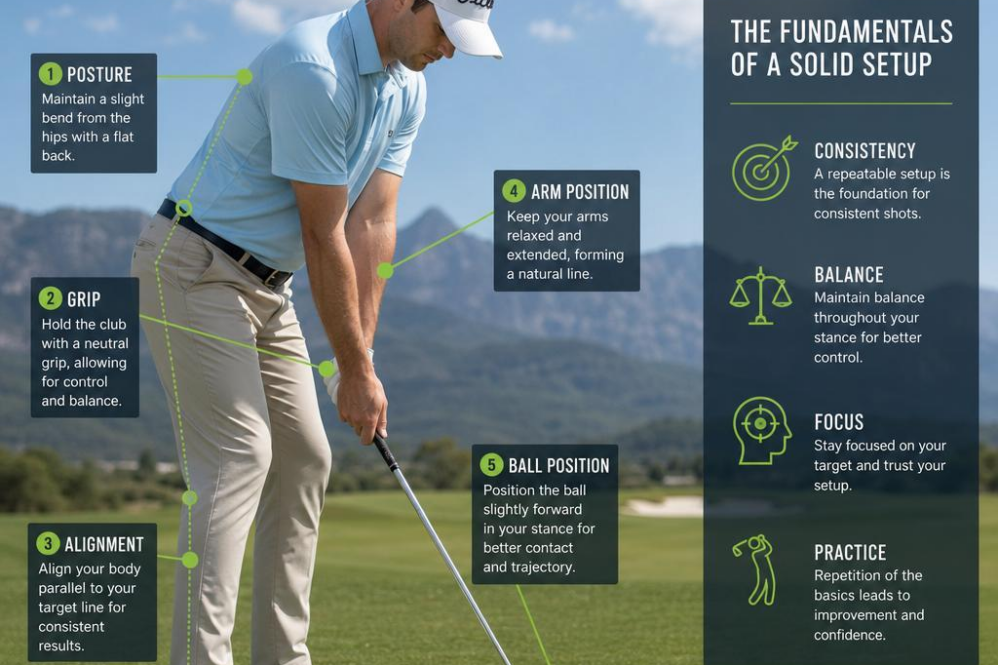
To develop the seamless flow that defined Walter Hagen’s swing, begin with a balanced setup emphasizing subtle alignment and athletic posture. Start by placing your feet shoulder-width apart with knees slightly flexed-roughly 10 to 15 degrees-and ensure your spine tilts forward just enough to align your eyes over the ball. This foundational stance allows for a natural, unrestricted rotation. Next, focus on the one-piece takeaway, where the arms, handsand shoulders move in unison without excessive wrist manipulation. Teaching this engages the larger muscle groups early, cultivating a powerful yet smooth swing arc. incorporate drills like swinging with a headcover under your lead arm to promote connected movement and prevent early arm separation, reinforcing the fluid rhythm essential to Hagen’s style.
As you progress into the downswing and follow-through, prioritize maintaining lag and rhythm rather than exerting brute force. walter Hagen’s legendary ability to generate speed while preserving balance can be cultivated by consciously delaying wrist release until the clubhead nears the ball-achieving an angle of approximately 90 degrees between the lead forearm and shaft at the transition point. Practicing with impact tape or slow-motion video feedback helps you refine this timing. On the course, this translates to consistent ball striking and improved shot dispersion, especially in varying wind conditions where controlling tempo becomes critical. Additionally,emphasize finishing your swing with a balanced,held pose to evaluate swing completeness,which directly correlates with reliable distance control and accuracy.
Integrating these swing mechanics with intelligent course strategy elevates overall scoring potential. Hagen’s approach teaches golfers to adapt rhythm to situational needs-such as calming the swing on tight lies or accelerating slightly on uphill shots for added carry. For practice, alternate between wide, fluid swings and more controlled shorter swings to develop versatility. Consider equipment factors like shaft flex and grip size that complement your motion,ensuring neither hampers your natural rhythm. incorporate mental routines that focus on breathing and visualization to strengthen swing consistency under pressure. By systematically blending physical technique with strategic awareness, from setup through execution, golfers at all levels can unlock the dynamic, rhythmic performance that defined Walter Hagen’s enduring legacy.
Unlocking the Art of Precision Putting with Hagen’s Proven techniques
Mastering precision putting requires an astute combination of mechanics,visualization,and green reading,a concept walter Hagen famously championed through his emphasis on feel and rhythm. Start by establishing a consistent setup: feet shoulder-width apart, eyes directly over the ball, and a slight forward tilt of the spine to promote a pendulum-like stroke. Hagen advised players to focus on smooth tempo, maintaining a stroke length that facilitates control rather than power. For beginners, this means practicing slow, controlled strokes along a straight path to build muscle memory, while advanced players can refine their distance control by experimenting with varying shoulder turn angles to regulate speed. A simple drill inspired by Hagen’s ideology involves placing two tees just outside the intended putter path to help eliminate lateral sway and encourage a true-back-and-through stroke.
Green reading underpins all successful putting strategies and demands both technical know-how and situational awareness-an area where Hagen’s strategic mindset shines. approach each putt by first assessing subtle breaks and grain direction, taking into account sun angle, moisture levelsand green speed (measured by a Stimpmeter), which affect ball roll and skid. For instance, after heavy rain, greens slow considerably, requiring a softer stroke and sharper aim adjustment. Use Hagen’s technique of visualizing the ball’s intended track through the break rather than just the hole itself, which can improve alignment and confidence. For advanced golfers, integrating slope reading apps combined with tactile feel from practice will enhance accuracy. Practice drills include walking the putt’s path to feel the slope or performing partial-putt drills to master distance control over varying lengths with purposeful pauses at the apex of the stroke.
Course management and mental resilience - pivotal to Hagen’s legacy – elevate putting from execution to strategy. Understanding when to aggressively attack the pin versus playing safe to minimize three-putts is crucial; aim to leave the ball on the preferred side of the hole to avoid tricky downhill or back-breaking putts. This requires thoughtful pre-putt routine that includes visualization, controlled breathingand reaffirming the chosen target line. Players should also customize equipment – for example, selecting a mallet putter with an increased moment of inertia (MOI) can help stabilize off-center hits, especially useful on bumpy greens. Regularly practicing pressure putting drills, such as “make 5 in a row” challenges, builds mental toughness needed to perform consistently under tournament stress. By integrating hagen’s strategic awareness with disciplined practice, golfers can sharply reduce strokes and gain confidence in every putt faced.
Driving Like a Champion Harnessing Power and Control from Hagen’s Playbook
To harness power and control in your driving, start by mastering Walter Hagen’s emphasis on foundation and balance. Begin with a solid setup where your feet are shoulder-width apart and the ball is positioned just inside your front heel, allowing for a sweeping swing path that maximizes clubhead speed. Hagen advocated maintaining a slight knee flex of about 15 degrees and engaging your core to generate rotational force without compromising stability. When addressing the ball, ensure your spine angle tilts slightly away from the target, fostering an upward strike with a driver - this promotes optimal launch conditions with an ideal attack angle between +2 to +5 degrees. incorporate a deliberate weight shift during the backswing, transferring your weight smoothly to the trail leg before exploding through the ball on the downswing to create both power and control. practicing this setup and motion regularly, using a mirror or video feedback, helps ingrain muscle memory critical for consistent, powerful drives.
Next, apply course management strategies inspired by Hagen’s thoughtful play to optimize driving outcomes, especially in challenging settings. He emphasized choosing targets that leverage your strengths, avoiding hazardsand factoring in wind or terrain influences. For example, when facing a narrow fairway with bunkers lurking on either side, focus on hitting a controlled 75-85% swing rather than going all out. This approach sacrifices a few yards but substantially enhances accuracy, reducing penalty strokes. Hagen’s teaching encourages golfers to conceptualize each hole as a sequence of risk and reward decisions, often visualizing a preferred landing zone no wider than the clubface itself. To build this discipline, practice drills such as aiming at specific fairway markers with varying swing intensitiesor simulating different wind directions during practice rounds, help you develop precise control-and confidence-in your driving under real-course conditions.
integrating mental resilience and adaptability into your driving routine is crucial, much like Hagen’s legendary competitive approach. When mishits or unfavorable lies occur, a calm mindset supported by reliable fundamentals allows recovery shots to remain productive rather than punitive. Incorporate focused pre-shot routines that include deep breathing and visualization of ideal swing mechanics to stabilize nerves,especially under pressure. Technically, if you find your drives slicing consistently, check for an open clubface at impact or an over-the-top downswing path-common issues Hagen addressed by drilling a shallow takeaway and encouraging a square clubface through impact. Combine these technical cues with mental cues to “trust your swing” and commit fully to each shot.Practice this holistic approach by alternating between deliberate, slow swings that emphasize mechanics and rhythm-based swings during range sessions, enhancing both muscle coordination and mental focus. This unity of body and mind ultimately transforms your driving from merely hitting long shots into delivering strategically sound,repeatable performance that shapes better scores down the line.