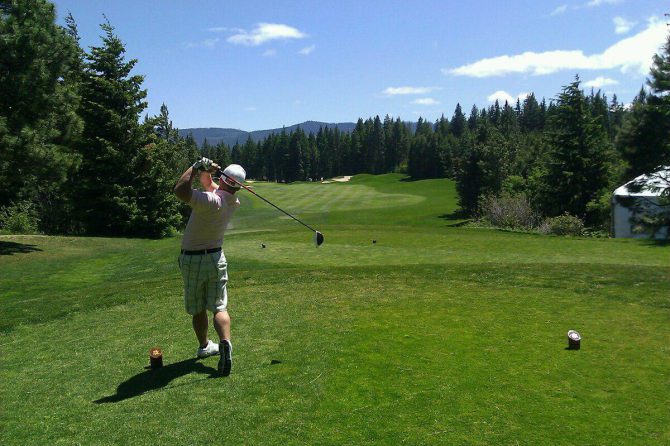
Practicing your swing in slow motion will not magically fix every flaw, but it can change the way you think about your golf game. It gives you time to notice what your body is doing, settle your tempoand replace scattered swing thoughts with one clear intention. That is where The Mental Benefits of Practicing Your Swing in Slow Motion really show up: you become less reactive, more awareand better able to commit to a shot when it counts.
See Your Swing More Clearly
A phone and a simple tripod are enough to make slow-motion video useful. Set the camera around hand height, roughly 8 to 10 feet awayand capture both down-the-line and face-on angles.When you review the clip, resist the temptation to inspect every inch of the swing. Look at three moments rather: setup, the top of the backswingand impact.
At address, check whether you look balanced and athletic rather than stiff or hunched over. With the driver, the ball is commonly positioned just inside the lead heel; with shorter irons, it will usually move closer to the middle of the stance. At the top, look for a full turn without a dramatic sway away from the target. at impact, notice whether pressure is moving into the lead side or whether your body is backing away from the shot.
For newer golfers, the biggest win may simply be seeing whether posture and balance stay consistent from swing to swing. More experienced players can look at strike location,face-to-path tendencies,and whether an iron divot starts after the ball. The point is not to build a perfect-looking swing.It is to trade vague frustration for one useful cue. Instead of telling yourself, “Don’t slice it,” you might take away, “Finish balanced with my chest facing the target.”
That kind of feedback can also improve decisions on the course. If your video shows a recurring heel strike or an open clubface with the driver, a tight tee shot may call for a 3-wood or hybrid aimed at the wider part of the fairway. That is not playing timidly. It is indeed using what you know about your swing to give yourself a better chance at the next shot.
Notice the Rush before the Swing
The swing flaw that hurts focus is not always a big mechanical problem. Sometimes it happens before the club ever moves. You look at the target, step into the ball, tighten your hands, rush the waggleand pull the club back before your mind has settled.On the range,that rushed start may go unnoticed. On the first tee or after a bad hole, it can make an ordinary swing feel foreign.
A dependable pre-shot routine helps. Stand behind the ball and picture the shot you want to hit. Pick a small intermediate target a foot or two in front of the ball. Step in, aim the clubface first, then set your feet.For a right-handed golfer,the feet should generally run parallel left of the target line. Make one relaxed rehearsal, then let yourself swing.
Keep that rehearsal slow enough to feel balanced, perhaps at 25 to 40 percent of full speed. You should feel pressure through the middle of your feet, not tipped toward your toes or heelsand your grip should stay soft. A single breath out before you start can be surprisingly helpful. If your shoulders creep up or your hands start squeezing the club, step away and begin again.
Slow-motion work teaches you that there is time. there is time to see the shot, make a decisionand move without forcing anything. that matters after a poor hole, into a crosswindor when trouble is hard to ignore. You do not have to pretend the hazard is not there. just return your attention to a playable start line, a sensible targetand a committed tempo.
Make Practice Calm and Specific
Start a practice session with a few recorded swings from face-on and down-the-line. Watch them frame by frame if you like, but choose one thing to work on. Maybe your setup is inconsistent. Maybe you sway at the top. Maybe your hands throw the clubhead early in the downswing.One clear focus is plenty for a bucket of balls.
Try making several slow rehearsal swings before hitting at normal speed. With a 7-iron, you might stop at waist height on the backswing and again through the follow-through, checking that your finish looks balanced and repeatable. If you tend to come over the top, place a headcover just outside and slightly behind the ball, then make gentle swings that miss it. The goal is not to force the club dramatically from the inside. It is to improve the sequence: pressure shifts, the body begins to unwindand the arms and club follow.
Bring that same mindset to wedge and short-game practice. Hit a small group of shots from 40 to 70 yards and judge them by start line and carry distance, not by whether every ball finishes next to the flag. Around the green, use slow rehearsals to feel your chest and arms moving together through a chip.Keep the ball near the middle or slightly back in your stance, let the club brush the turfand avoid trying to scoop the ball into the air.
Finish with a few shots played as if they matter. Choose a target, assess the lie and conditions, take one rehearsaland hit the ball. That small routine connects the technical work to real golf, where you have one chance and no replay button.
Take One Thought to the Course
The best slow-motion practice leaves you with one feeling you can trust on the course. It might be “finish balanced,” “start down from the ground,” or “smooth takeaway.” Keep it simple. Trying to carry three mechanical thoughts onto the tee usually creates tension and indecision.
Before an approach shot, make a brief rehearsal that matches the shot at hand. For a short iron, feel your setup, make a smooth takeaway, and sense the lower body beginning to turn before the hands rush down. Then look at the target and swing at a controlled pace. You do not need to chase maximum effort. A repeatable swing at 70 to 80 percent often gives you a better strike and a more predictable result.
The same approach works around the green. Before a pitch,rehearse the club brushing the ground just ahead of the ball,with your sternum slightly forward and the handle only modestly ahead. For a basic chip, choose a landing spot rather than staring only at the flag. In firm or windy conditions, a lower-running shot with less loft might potentially be the smarter play. From soft turf or over a bunker, opening the face slightly and allowing the bounce to skim the grass can make more sense.
Slow-motion practice is not just about swing positions. It can make you a steadier decision-maker.Take a moment to identify the safest side of the fairway, the trouble that must be avoidedand the realistic leave for your next shot.A patient rehearsal means little if you then force a risky shot at a tucked pin with water short.
Over a few rounds, pay attention to simple patterns: how often your tee shots stay playable, how often you hit greens from comfortable yardages, and how many up-and-down chances you convert.Those numbers will not tell the whole story, but they can show whether a calmer process is helping. Slow down in practice, learn one useful feelingand take that feeling with you when the score starts to matter. ([golflessonschannel.com](https://golflessonschannel.com/master-vijay-singhs-swing-putting-driving-for-all-levels60-characters-fits-the-50-65-character-seo-target/))