Professional Golfer Scottie Scheffler’s Struggle with Shanks: Insights from a World-Class Player
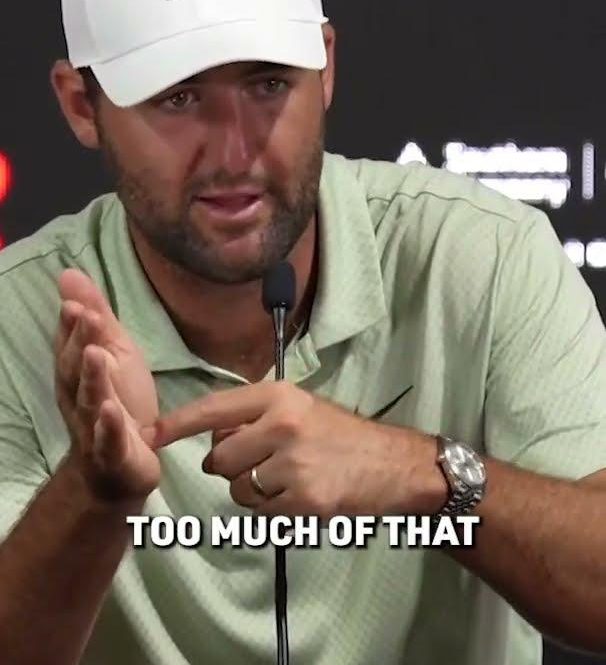
In a recent YouTube video, professional golfer Scottie Scheffler candidly discusses his experiences battling the dreaded “shanks” - a dreaded shot in golf that results in a severe sideways trajectory. As one of the top-ranked players in the world, Scheffler’s insights provide invaluable lessons for golfers of all levels.
In this blog post, we delve into the transcript of the video to explore the causes and potential solutions to the shanks, drawing on the wisdom of Scottie Scheffler. We will examine how Scheffler identifies the problem, analyzes the mechanics, and offers practical advice to overcome this frustrating shot. Whether you’re an aspiring professional or a weekend enthusiast, this post aims to equip you with a deeper understanding of the shanks and guide you towards more consistent golf shots.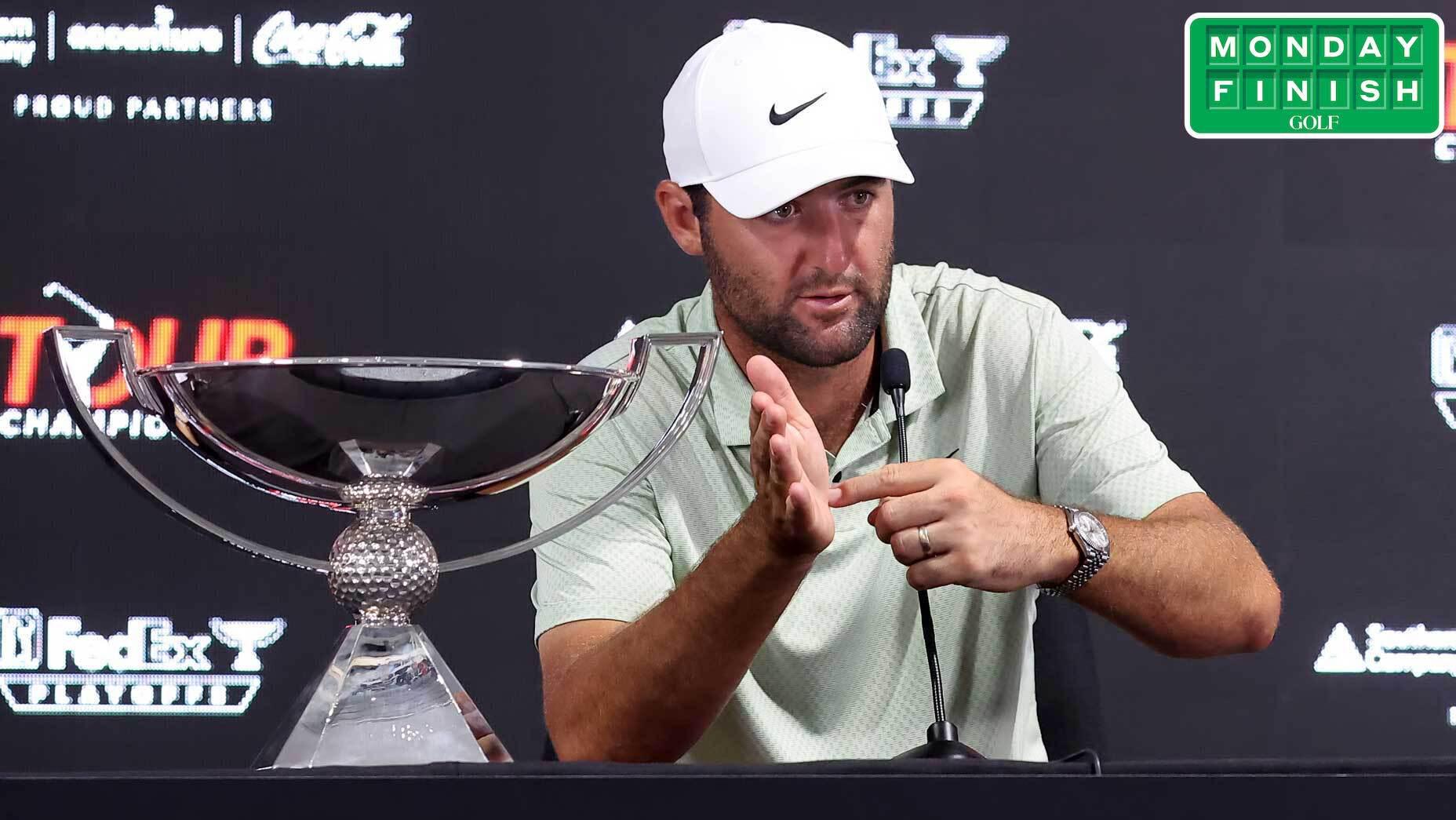
Scotty Schefflers Shanked Bunker Shot: Causes and Analysis

Causes of Scheffler’s Shanked Bunker Shot
Scheffler attributed his shanked bunker shot to hitting the hosel of the club, rather than the intended straight part of the face. The hosel is the area where the shaft meets the clubhead, and when struck imparts an extreme curve to the ball. This is the culprit behind the shot that veered sharply to the right and failed to clear the bunker.
Analysis of the Shank
The shape of the clubface plays a crucial role in determining ball trajectory. When Scheffler struck the hosel, it caused the ball to curve in a “T” shape. If he had made contact with the straight part of the face, the ball would have likely traveled straight ahead. Conversely, contact with the heel of the club would have produced a shot that curves left. Understanding the impact of different contact points on ball flight is essential for golfers to avoid shanks and achieve desired outcomes on the course.
Golf Club Anatomy: Understanding the Role of the Clubface

The clubface plays a pivotal role in determining the direction and distance of a golf shot. Understanding its anatomy is crucial for every golfer, but even professionals like Scottie Scheffler can face challenges. In his recent interview, Scheffler highlighted the importance of striking the “straight part” of the clubface to avoid shanks, those dreaded sideways shots that haunt many golfers.
The clubface is typically divided into two main areas: the “sweet spot” and the ”heel” and “toe” regions. The sweet spot is the optimal area of contact, resulting in the most consistent ball flight. The heel and toe regions, located on opposite sides of the sweet spot, tend to produce more erratic and directional shots. Mastering the ability to consistently strike the sweet spot is essential for accuracy and distance control.
Ball Flight Impact: How Face Contact Affects Shot Trajectory
Face contact plays a pivotal role in determining the trajectory of a golf shot. When a golfer makes contact with the ball’s surface, the point of contact on the clubface directly influences the direction and spin imparted to the ball.
For instance, hitting the ball with the center or “sweet spot” of the clubface typically results in a straight and controlled shot. Conversely, striking the ball higher on the clubface (towards the toe) can cause it to slice to the right. Similarly, hitting the ball lower on the clubface (towards the heel) can lead to a hook that curves to the left. A shank is a result of hitting the hosel (the part of the clubhead where the shaft connects) and is often characterized by a severe slicing motion.
Tips for Avoiding Shanks: Techniques and Practice Methods
Techniques for Avoiding Shanks:
- Proper Clubface Alignment: Ensure that the clubface is square to the target line at impact. Miss-hitting with the hosel (the part of the club where the shaft meets the clubhead) can cause the ball to shoot off to the right.
- Ball Position: Keeping the ball positioned slightly forward in your stance can aid in hitting the descending blow needed to avoid shanking.
Practice Methods:
- Start Short: Practice hitting short shots from a tee or mat to build confidence and accuracy. As you progress, gradually increase the distance.
- Over exaggerate Your Swing: Exaggerate the descending motion of your swing to focus on hitting the ball correctly. It helps ingrain the proper technique in your muscle memory.
Table: Troubleshooting Shanks
| Cause | Correction |
|—|—|
| Hitting the hosel | Align the clubface squarely |
| Ball too far back | Position it in the middle of your stance |
| Descending swing lacking | Practice exaggerated hitting motion |
Scottie Scheffler’s video provides valuable insights into the complexities of the golf swing and the challenges golfers face. By understanding the causes of shanks and the techniques to address them, golfers can improve their consistency and accuracy on the course. Whether you’re a seasoned professional or just starting out, incorporating Scheffler’s advice into your practice routine can help you overcome the dreaded shank and reach your golfing potential.