Unlock Calm Focus by Tuning Into Your Body’s Movements
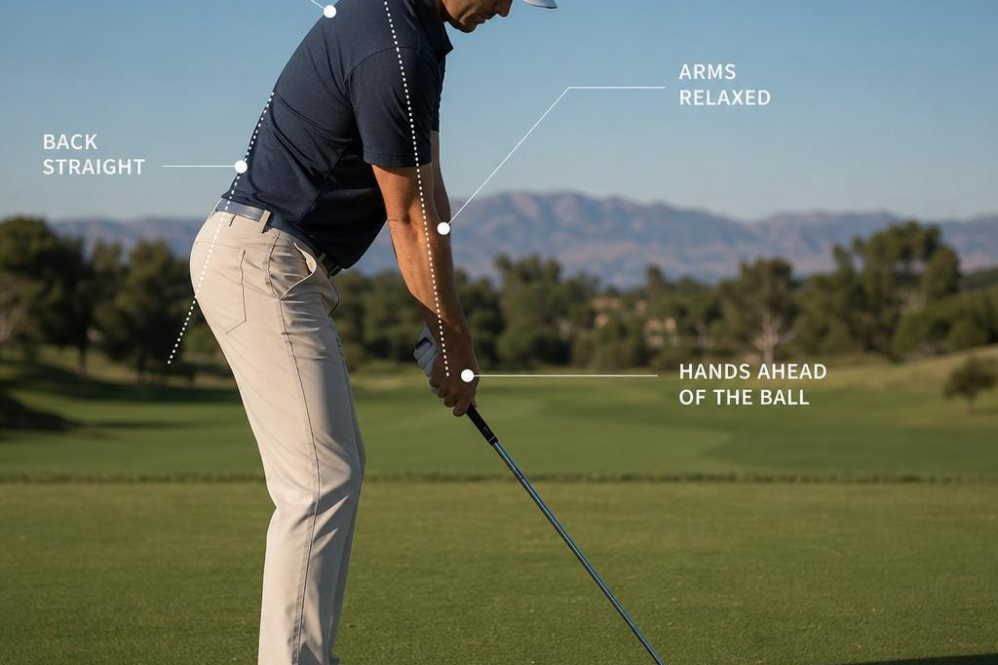
Developing a calm, focused state by tuning into your body’s subtle movements enhances both swing mechanics and putting precision. Start by practicing your full swing in slow motion, emphasizing a smooth tempo and rhythm that keeps your spine angle stable-typically between 45 to 55 degrees at address for most amateurs. This mindful repetition allows you to feel the correct sequencing, from the backswing coil to the controlled hip rotation through impact.By integrating slow-motion swings into your routine, you train your neuromuscular system to build consistency and reduce tension. Beginners should focus on maintaining a balanced, athletic posture and a steady head position throughout the swing arc, while more advanced players can refine wrist hinge angles-aiming for a 90-degree **** on the backswing-to maximize clubhead speed without sacrificing control.Applying this focused awareness on the course enables better shot selection, particularly from uneven lies or windy conditions, by promoting a deliberate and calm delivery rather than rushed execution.
In the short game, connecting physical awareness with precise movement improves putting stroke repeatability and distance control. Tune into the subtle feel of the putter’s weight and your body’s micro-adjustments during the setup, ensuring your eyes are directly over the ball and your shoulders are square to the target line. slowly rehearsing short putts with a pendulum-like motion helps eliminate common faults such as deceleration or excessive wrist movement. Incorporate drills like the “gate drill” to maintain face angle through impact, or practice lag putting by focusing on a smooth, accelerating stroke that finishes past the hole without abrupt stopping.By mentally syncing your movements with the green’s contours and pace, you enhance your reading and execution under pressure. Weather managing tight course situations or fast, sloping greens, this level of tuned-in concentration can be the difference between dropping critical strokes and maintaining scoring momentum.
How Slow Motion Practice Builds Deep Proprioceptive Awareness
Engaging in slow motion practice cultivates profound proprioceptive awareness by allowing golfers to intimately feel each phase of Vijay Singh’s swing and stroke mechanics. When you deliberately slow down your motion, the nervous system gains heightened sensitivity to the subtle shifts in weight, joint anglesand muscle activations required for consistent contact. For example, focusing on maintaining 53-56 degrees of wrist hinge during the takeaway phase or achieving an 80-90 degree arm-to-forearm angle at the top of the backswing helps anchor ideal positions in muscle memory. Practicing in slow motion reveals hidden inefficiencies such as early release or excessive lateral sway that often go unnoticed at regular speed. To integrate this approach effectively, begin with half swings emphasizing controlled tempo, then progress to full swings over successive sessions. Complement this with slow, exaggerated putting strokes to develop a smooth pendulum motion that promotes better distance control and alignment under pressure.
Beyond mechanical refinement, slow motion practice profoundly benefits the mental game by sharpening focus and reinforcing strategic shotmaking on course. When faced with challenging angles or wind conditions, visualizing and rehearsing swing sequences in slow motion strengthens confidence in execution and reduces tension. For all skill levels, this technique can be paired with deliberate breathing drills and mental imagery to reinforce optimal shot patterns and risk-reward calculations, such as selecting a 7-iron punch shot to keep the ball under trees or emphasizing a high-lofted flop shot for precise short game control. Key drills to implement include
- mirror work to confirm posture and swing plane alignment
- buffered tempo swings counted aloud to maintain rhythm
- track and record progress by measuring consistent impact spot, ball flight, and putting roll distances
These incremental yet measurable improvements foster deep muscle-brain connections essential for lowering scores and adapting to course variables effectively.By harnessing slow motion, golfers transform nuanced technical awareness into strategic on-course precision, unlocking lasting performance gains.
Using Mental rehearsal to Strengthen Your Swing confidence
Developing a strong mental rehearsal routine can substantially enhance your swing confidence by allowing you to visualize and internalize optimal swing mechanics before you even step up to the ball. Start by setting a clear mental image of a fluid swing, focusing on key positions such as the takeaway, the top of the backswing at around 90 degrees of shoulder rotationand the impact with a slightly bowed left wrist (for right-handed golfers). During this slow-motion mental practice,imagine the clubhead path following an inside-to-square-to-inside pattern to promote a consistent draw or straight shot. Integrate sensory details such as the feel of proper weight transfer-shifting from 60% on the back foot at the top of the swing to 80% on the front foot at impact-and the subtle rotation of hips and shoulders through the ball.This neuro-muscular engagement enhances motor pattern retention, which is especially beneficial on the course under pressure. To make it practical, try conducting this mental rehearsal in your pre-shot routine or even during practice sessions when physical swing repetitions might be fatiguing or limited by weather.
Incorporating mental rehearsal alongside deliberate practice drills helps bridge technical improvements with real-course performance. For example, pairing visualization of a smooth, controlled swing with a slow-motion drill using a weighted club can reinforce muscle memory while also strengthening your sense of tempo and rhythm. It is equally important to rehearse situational shots mentally-such as visualizing a precise chip shot on a downhill lie or imagining the ball flight needed to navigate a crosswind on a long par 4-because this sharpens both your strategic decision-making and emotional resilience.Focus on measurable goals like achieving a consistent clubface angle within ±2 degrees square to the target line at impact or maintaining a swing plane angle near 45 degrees during the backswing. This combined approach allows beginners to build foundational confidence and more advanced players to fine-tune small technical nuances that reduce common errors like slicing or topping the ball. Ultimately, integrating mental rehearsal into your routine trains your mind to stay calm and focused, enabling you to replicate your best swing mechanics even when faced with high-pressure shots or challenging course conditions.
Simple Slow Motion Drills to Sharpen Your Focus on the Course
Mastering your golf swing starts with deliberate focus, and practicing in slow motion offers a powerful way to develop both technical precision and mental clarity. Begin by breaking down your swing into distinct segments-such as the takeaway, the transitionand the follow-through-and perform each move slowly, paying close attention to **body alignment, wrist hinge angles (typically around 90 degrees at the top)and clubface control**. this method allows you to identify subtle flaws, like an early release or improper weight transfer, which frequently enough go unnoticed at full speed. For beginners, emphasize maintaining a stable head position and consistent spine tilt throughout the swing, while more advanced players can fine-tune aspects like torque generation and sequencing of hip and shoulder rotation to optimize power and accuracy. Incorporate drills such as the “Pause at the Top,” where you hold the backswing momentarily to check club position and balance, or the “slow Motion Impact Drill,” focusing on delivering a square clubface to the ball with proper shaft lean. These drills not only refine mechanics but cultivate a deeper kinesthetic awareness, enabling smoother tempo and synchronization under different course conditions, including variable lies and wind scenarios.
Integrating slow motion practice also enhances your strategic approach on the course by reinforcing thoughtful decision-making and mental resilience. When rehearsed regularly, these drills embed a sense of control that transcends the range and translates into confident shot execution during play. For instance, by visualizing and physically experiencing each shot component slowly, you rehearse the mental routine necessary to manage pressure, especially on challenging holes or tricky pin placements. To complement technical progress, pair slow motion swing work with pre-shot routine drills, such as deliberate alignment checks or controlled breathing, which optimize focus and shot selection.Golfers should tailor their practice by adjusting setup fundamentals-like ball position, stance widthand grip pressure-to simulate various shot shapes and trajectories essential for course management. Remember, common pitfalls like rushing setup or neglecting swing tempo can be corrected through these mindful practices, leading to improved consistency, fewer penaltiesand more strategic play. Ultimately, slow motion drills serve as a bridge between physical skill and tactical intelligence, empowering golfers of every level to enhance performance and lower scores.