Finding The Sweet Spot For Maximum Distance
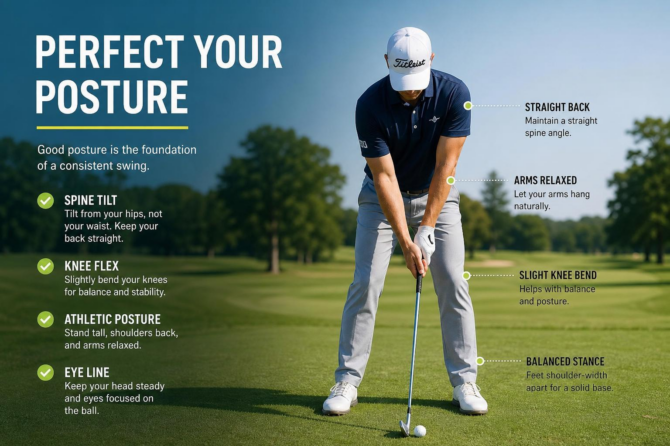
the first step is understanding the essential setup that optimizes driver performance. For beginners, this involves aligning body posture with the ball position in a way that promotes a powerful, repeatable swing. Start by placing the ball just inside your left heel, setting your weight even on both feetand bending from your hips to create a neutral spine angle. This setup allows for a fuller swing and better weight transfer during the follow-through. Intermediate golfers should focus on the balance between grip pressure and ball position to maximize the effectiveness of their swing. Keep your hands slightly ahead of the ball at address but be wary of over-swinging, which can lead to inconsistent contact. Low handicappers should fine-tune their setup based on clubhead speed and swing technique to target the sweet spot effectively. Ensuring the ball is positioned slightly forward can enhance both launch angle and ball speed.
Once you have your setup dialed in,improving swing mechanics is crucial for generating the sweet-spot impact on the driver. The key is to maintain a smooth, rotational movement that maximizes clubhead speed and compression at impact. Begin by focusing on your spine tilt and lower body rotation during the backswing. A dynamic turn with the lower body creates a stable base from which to generate torque and power.For beginners, it’s important to avoid lifting the front foot off the ground during the backswing as this can lead to an off-balance transition. Intermediate golfers should concentrate on the transition phase, focusing on shifting their weight smoothly from the back foot to the front foot. This movement drives the hips and shoulders to rotate towards the target. Advanced players might benefit from practicing an X-factor stretch-widening the hips and minimizing shoulder turn during the backswing-to create more room for the downswing.
Another critical aspect of maximizing distance is the timing and sequencing of your swing. Coordinating the release of the hands, extension of the armsand rotational movement of the body all contribute to optimal impact with the driver. Beginners tend to focus too much on the arms during the downswing, often resulting in a ‘casting’ action that diminishes distance. Instead, they should aim to initiate the downswing with a driving of the left side towards the target, engaging the lower body to generate the required energy. Intermediate golfers should aim for a feel-driven transition, thinking less about specific moves and more about the sensation of turning and driving into the impact area.This mental shift can help smooth out any mechanical issues and simplify the downswing. Advanced golfers might want to experiment with varying their spine angle during the swing to find a balance that maximizes both speed and stability.
Equipment considerations play a important role in achieving the sweet spot for maximum distance. Using a driver with the right flex and length is essential. For instance, a driver that is too long can hinder control, while one that is too short can limit your ability to generate significant clubhead speed. To determine the optimal settings, golfers should test a variety of drivers on the range, paying close attention to both feel and distance. The USGA club length limit of 48 inches provides an upper boundary for trial and error. Once you find a driver that works well, spend time at the range to practice aiming your shots and monitoring your ball flight. Adjusting the driver’s loft can also help; generally, the ideal loft for most golfers is 10-12 degrees for optimal distance and accuracy.
incorporating distance control drills into your practice routine can definitely help you dial in the sweet spot and maintain consistency across your shots. For beginners, the distance control irons drill is a valuable exercise: alternate hitting iron shots and driver shots, focusing on hitting the sweet spot with each club and noting the result. For intermediate and advanced golfers, consider setting up targets at different distances to challenge your ability to change shots dynamically while maintaining quality contact. This not only improves your technical swing but also builds your mental game by teaching you to adapt and trust your mechanics under pressure. The aim is not just to hit the driver harder but to hit it smarter, ensuring that every swing is efficient and precise.
Secrets To Consistent Iron Play For Every Level Golfer
Improving your iron play can be a useful tool on the course, irrespective of whether you’re a beginner or a seasoned pro. The swing mechanics of iron shots are different from wood shots, requiring a steeper angle of attack and a more precise, controlled action. To start, make sure you’re using the right clubs for the right situations. Irons with different lofts, such as 7-iron, 9-ironand pitching wedge, become critical when you need to manage distance and precision. Beginners often misjudge the distance necessary for each iron, which can lead to inconsistent outcomes. A good starting point is to practice hitting each club a set number of times at fixed distances, gradually learning the feel and rhythm specific to each iron.
Next, focus on your setup and alignment. Properly aligning yourself can dramatically change your iron success rate. Start with a slightly open stance for most shots, aiming your body left of the target for right-handed players. This subtle adjustment helps ensure your clubface strikes the ball at the proper impact angle, reducing the likelihood of pushed or pulled shots. Pay attention to your spine angle and wrist set at the start; ideally, the shaft of the club should be parallel to your forearms and the clubface square at address. These details might seem small, but they play a big role in consistent iron play.
Once you’re set up, consider the swing itself. For iron shots, the secret is not to hit down, but to hit through and past the ball, as expertly detailed in one of our best golf tips articles. This means maintaining a solid connection through impact while extending your arms through the shot. To achieve this, focus on transferring your weight to your front foot as you turn through. Imagine pulling your arms to the target through the ball rather than trying to force the club down with your hands. This technique ensures a cleaner strike and better accuracy. A simple drill to practice this is the post drill: place a club or post at your sternum height directly in front of youand aim to hit it through the ball on your downswing.This will help ingrain the idea of hitting through the ball, not down at it.
The mental and emotional aspect of iron play is crucial. Often, players worry too much about the result and not enough about the process. Stay focused on the fundamentals: club selection,alignment,and the through-impact technique. Beginners might find it helpful to set out to hit a certain percentage of greens or specific targets on the range to build confidence. For more advanced players, aim to reduce the number of high-risk shots by mastering shorter, safer approaches. The goal here is to keep the ball in play and within a pleasant range of your scoring clubs. On the course, this equates to avoiding hazards and putting yourself on the same side of the green each time, which makes chip and pitch shots much easier and more consistent.
incorporate distance control into your practice routine. This involves hitting different distances with each club to build a sense of yardage control. Start by setting up some cones or flags at various distances and try hitting your irons precisely at them. Focus on altering your swing speed as needed – not just your setup – to hit the right distance. This drill is particularly effective for lower handicappers, who can refine their scoring from close range, but beginners can also apply it to their game to build a foundational understanding of how each iron performs. Distance control is less about hitting the ball longer and more about hitting it accurately to targets you’ve set up.By improving your control over the ball’s flight and landing spot, you improve your ability to read and work with the course.
Transform Your Swing For Controlled Distance On The Course
Controlling your iron distance is crucial for consistent scoring on the golf course. Golfers often struggle with hitting their irons to predictable distances, but with a solid understanding of swing mechanics and a few drills, you can improve your game significantly. Begin by ensuring you have the right equipment for the task. Your irons should be well-fitted to your body measurements and natural swing, optimizing your setup for maximum efficiency.
Once you have the appropriate equipment, the next step is to dial in your setup and alignment on the tee. A good rule of thumb is to start with a comfortable grip, aiming for hands to be slightly less than shoulder-width apart. Ensure your posture is athletic, with the ball positioned in the center of your stance for irons. From here, visualize the target and align your feet parallel to the target line, setting a stable base for your swing. Correct setup is the foundation for a repeatable and controllable golf swing.
Improving iron distance control is also about mastering your clubface position at impact. Many golfers struggle with this aspect because of weak grip positions or inconsistent release points. To address this, work on making a square clubface at the top of your backswing and maintaining that square angle as the club starts down into impact. An easy drill to practice this is the mirror drill, in which you look at your clubface in the mirror to ensure it’s square at various points of the swing. This helps train your muscles to know what a square clubface feels like during your swing.
Incorporating on-course practice is equally essential for iron distance consistency. Find a quiet moment to practice hitting your irons to different spots on the range, starting on a tight line and gradually opening up to different targets. One effective drill is the 20-20 drill, where you hit 20 shots in a row with your preferred iron, aiming for 20 successive fairway cut-outs. The goal is to hit the ball within a 5-yard line or a specific target. This drill sharpens your focus on distance control both in practice and on the course.
Lastly, never underestimate the power of mental rehearsal and positive visualization. Before stepping up to hit an iron shot, take a moment to visualize a triumphant strike, seeing the ball travel to your target at the right distance and trajectory. This mental rehearsal reinforces your focus and confidence, leading to more consistent and accurate shots on the course.Remember, controlled distance with your irons is a skill that takes time and practice to develop, but the effort is well worth the advancement in your scoring.
Crafting The Perfect Release For Iron Accuracy And Distance
Golfers frequently enough seek the secret to hitting longer, straighter shots with their irons. While club design and high-end equipment can certainly play a role, mastering the perfect release is where many serious golfers can find their edge.The release, or the way the hands and club move through impact, is critical for consistent ball flight and distance control. For beginners,understanding this concept can reduce the frustration of inconsistent shots and inaccurate iron play.
The first step in improving your iron game is to focus on your grip. A strong, balanced grip is essential for consistency and control. For beginners,the neutral grip is typically the easiest to grasp and maintain. Hold the club so that the logo on the grip faces your instep (the part of your foot near the toes)and the V-shaped formation created by your thumbs points over your right shoulder if you’re right-handed.This position ensures you’re in a neutral state, allowing for an easier transition to either stronger or weaker grips if needed.
Once your grip is set, the real magic of the iron shot happens during the downswing and follow-through. The key to a successful release is rotating your hands through impact to impart spin and add distance to your shots. For many golfers, especially beginners, the challenge lies in timing this rotation correctly. A common mistake is trying to hit the ball too hard, which frequently enough results in a rushed follow-through and an overly muscular release. To avoid this, focus on a smooth and controlled release where the hands lead the clubhead through the ball with your body rotating through the shot.
To practice this motion,the 5-second drill by Danny Maude is incredibly effective for golfers looking to improve distance with their irons. This drill involves starting with the clubhead behind the ball and quickly swinging up to the top of the backswing, then down to the finish in just five seconds. By timing your swing to a specific rhythm, you can work on a smoother and more consistent release. A smoother release equates to better control and distance. Start with short clubs like wedges to build the necessary tempo and power, then slowly work your way up to longer irons.
Beyond the technical swing mechanics, iron play is heavily influenced by course conditions and your current score position. A strong, aggressive release can be highly effective on tight lies with fairways that allow for roll-out after impact. However, on windy days or courses with small greens, mastering a controlled and consistent release is crucial to hit precise, reliable approach shots to the center of the green.By varying your grip and release angle subtly, you can also fine-tune ball trajectory and work the ball left or right, depending on the lie or target line. So, whether you’re a beginner looking to build a solid foundation or a seasoned player trying to refine your craft, understanding and mastering the iron release can significantly enhance your scoring ability on the course.