Choosing the Right Clubs to Match Your Playing Style and Improve Performance
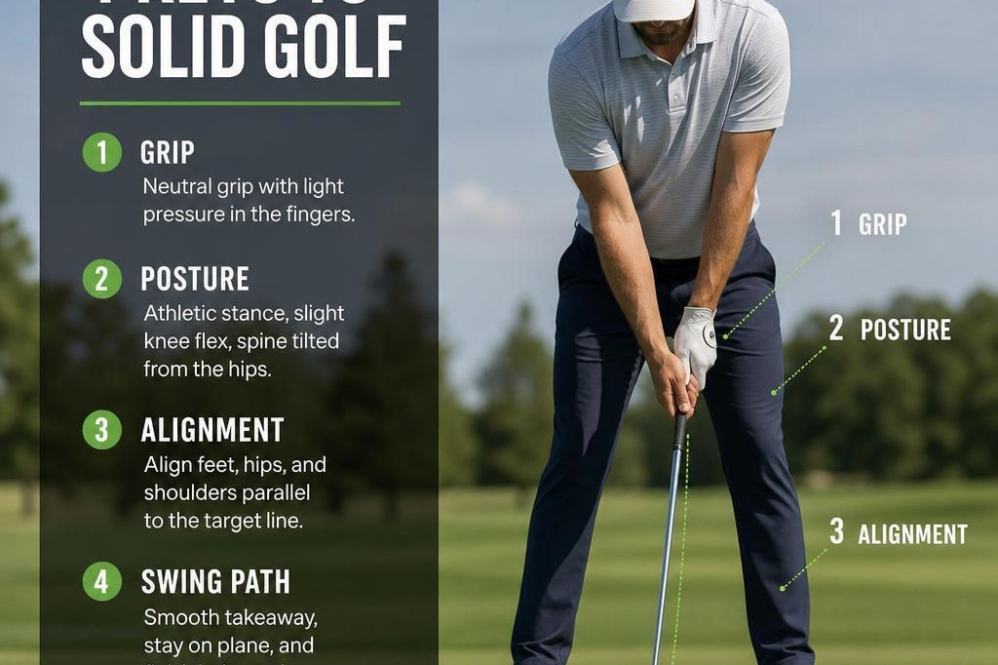
Choosing golf clubs that complement your unique playing style is essential for optimizing both your swing mechanics and overall course strategy. Begin by assessing your swing speed and launch angle-two critical factors influencing your club selection. For example, golfers with a slower swing speed may benefit from clubs with a larger clubhead and a higher loft angle, such as a 12-14 degree driver, which promotes greater ball carry and forgiveness. Conversely, players generating higher swing speeds might opt for a lower lofted driver (8-10 degrees) to achieve a penetrating trajectory and maximize distance. Additionally,understanding your typical ball flight-whether it’s a fade,draw,or straight shot-guides the choice of clubs with adjustable hosels or weighting to fine-tune shot shape and improve accuracy. Incorporate drills like the “tee height variation drill” to experiment with ball placement and tee height, which indirectly influence your effective loft and launch conditions, thereby fine-tuning your feel for the best club dynamics during practice sessions.
Beyond distance clubs, effective short game equipment-such as wedges with specific bounce angles between 8° to 14°-plays a pivotal role in managing turf interaction and spin control around the greens. Selecting wedges tailored to your common shot types and course conditions allows for precise partial swings, flop shotsand bunker play, which are critical in lowering scores. For instance, players practicing in softer or sandy conditions benefit from higher bounce wedges that “skip” through the turf, reducing digging and promoting cleaner contact.During practice, focus on setup fundamentals: ensure a slightly open clubface for higher loft shots and maintain a forward ball position for crisp contact. Incorporate targeted routines like the “landing spot drill” where you aim to land the ball on a designated spot on the green to build control and confidence. By thoughtfully matching your equipment specifications with your swing tendencies and course challenges, you create a personalized arsenal that enhances shot-making versatility and strategic decision-making, ultimately contributing to sustained scoring enhancement and on-course adaptability.
Understanding Shaft Flex and Clubhead Design for Enhanced Swing Control
Mastering shaft flex begins with understanding your swing speed and tempo, as these directly influence the timing and consistency of clubhead impact. For golfers swinging between 75-85 mph, a regular flex shaft often provides the ideal combination of control and distance, whereas players exceeding 90 mph may benefit from a stiff or extra stiff flex to prevent the clubface from opening or closing prematurely. When practicing, use a launch monitor or smartphone app to track ball speed and launch angle, aiming for a smooth tempo that allows the shaft to load and unload efficiently. Additionally, pay attention to the feel during your downswing; a shaft that feels overly whippy or too rigid can cause timing issues, leading to inconsistent strikes. incorporate drills such as the pause-and-go swing, where you briefly hold your transition at the top before initiating the downswing, to develop better awareness of shaft load and improve overall swing stability.
Alongside shaft flex, clubhead design plays a crucial role in shot shaping and control on the course. Modern iron heads vary from muscle-back blades favored by low handicappers for precision, to cavity-back models designed for increased forgiveness and higher launch angles. Understanding your typical ball flight and course conditions will guide your selection: for example, a golfer playing windy links-style courses might choose a clubhead with a lower center of gravity and reduced offset to produce a more penetrating ball flight and greater workability. When practicing, set up to impact zones by deliberately drawing or fading the ball using face angle and swing path adjustments; experiment with clubs featuring different hosel lengths and blade lengths to observe their influence on shot dispersion. Routine drills focusing on face control-such as hitting shots with varying grip pressures or experimenting with wrist hinge timing-can help golfers at any level harness the clubhead’s design characteristics to shape shots confidently, ultimately leading to smarter course management and lower scores.
Selecting the Ideal putting Equipment to Boost Precision and Confidence
Choosing the right putting equipment is a foundational step in boosting precision and confidence on the greens. When selecting a putter, it’s critical to consider the head design, lengthand grip type to suit your stroke style and improve alignment. As a notable example, a mallet-style putter with a high moment of inertia (MOI) can enhance stability and reduce twisting on off-center hits, beneficial for golfers struggling with consistency. Conversely, blade putters offer greater feedback for skilled players who prefer a more customary feel. Adjusting the putter length is equally important; fitting ranges typically fall between 32 to 36 inches, where shorter putters promote better control for shorter strokes and longer versions may favor players who naturally stand more upright. Additionally, selecting a grip with tactile comfort and appropriate thickness influences how well you maintain wrist control throughout the stroke. For beginners, a thicker grip can minimize unwanted wrist action, while advanced players might prefer thinner, textured grips that fine-tune feel.Integrating these equipment features with a solid setup-feet shoulder-width apart, eyes over the balland arms hanging naturally-creates a reliable foundation for consistent ball roll and line reading.
Once the equipment is dialed in, incorporating tailored practice routines can rapidly advance your green reading and pace control. To develop an accurate feel, practice drills such as the gate drill-placing two tees slightly wider than the putter head to encourage square contact-help eliminate common errors like “yanking” or “pushing” putts. Additionally,working on distance control with a ladder drill by putting to marked distances ranging from 3 to 15 feet reinforces consistent stroke length and tempo,which is crucial on varied greens and breaking putts. During actual rounds, adapt your putter selection and stroke based on factors like green speed, slope, and weather conditions. For example, on faster greens, a softer, more controlled stroke with a putter optimized for feel minimizes overshooting. Remember,mental confidence grows from knowing your equipment is tailored to your stroke mechanics,so invest time in fitting sessions and routine adjustment checks. By blending technical setup with strategic on-course awareness, golfers of all skill levels can significantly improve stroke repeatability, reading accuracyand ultimately lower their scores.
Tips for Maintaining Your Gear to Keep Your Game Consistently Sharp
Maintaining your golf gear in top condition is essential for consistent performance and optimal feedback during every round. Start by regularly inspecting your clubs for wear,particularly the grooves on your irons and wedges,which directly affect spin and control around the greens. Cleaning your clubface with a soft brush and warm water after each use removes dirt and grass, preserving groove integrity-critical for executing precise shots, especially in challenging lies or wet conditions. Additionally, check the club grips for smoothness or signs of deterioration; re-gripping every 40 rounds or annually ensures a secure connection between your hands and the club, which helps maintain your swing plane and release timing. For players focused on shot shaping and control,a consistent grip pressure between 4 and 6 out of 10 promotes better feel and distance control. Coupling regular cleaning with grip maintenance advances both beginner and low handicap players’ ability to produce repeatable ball flights and accurate approach shots.
Equally important is the upkeep of golf balls and accessories, as these subtle details influence distance, spinand trajectory. Routinely replacing scuffed or cracked balls improves the aerodynamics and reaction off the clubface,which can be especially noticeable when working on delicate shots like flop shots or low punch fades under trees. To complement this, consider storing your gear in a climate-controlled environment to prevent rust on shafts and deterioration of synthetic materials on bags and shoes. on the course, make it a habit to dry your gloves and shoes post-round to maintain grip and stability, crucial for consistent setup positions and clubhead speed. Implement a post-round gear checklist including:
- Wiping down shafts and clubheads
- Checking and tightening adjustable clubs
- Inspecting shoes and cleats for wear
This routine supports your overall game strategy by ensuring your equipment performs reliably, so your focus stays on course management decisions and executing precise swings rather than compensating for faulty gear. Over time, maintaining your equipment not only sharpens technique but also instills confidence that translates into lower scores.