Understanding Jim Furyk’s Unique Swing Mechanics and How They Boost Consistency
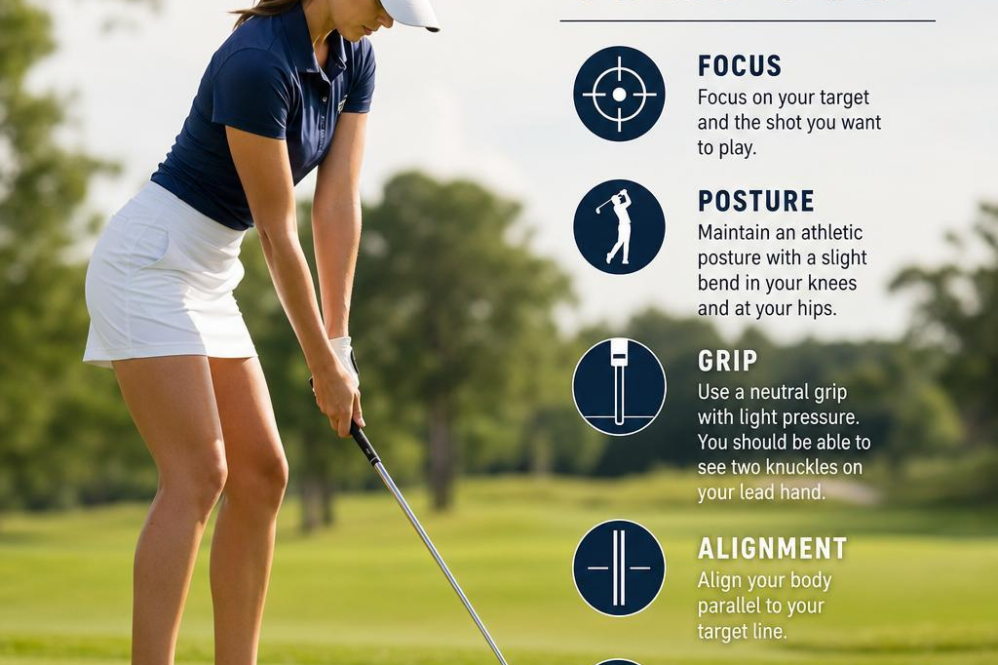
At the core of Jim Furyk’s consistent performance lies a swing that defies traditional mechanics yet achieves remarkable repeatability.His unique swing features a pronounced loop of the clubhead at the top, creating an inside path that many traditional instructors might initially question.However, this looping motion helps **store and release torque efficiently**, leading to a powerful but controlled downswing. For golfers seeking to emulate Furyk’s repeatability,it is indeed essential to focus on maintaining a **stable base with a slight knee flex of around 25-30 degrees** and a balanced weight distribution of roughly 55% on the lead foot at address. This setup encourages a connection between the upper and lower body that supports Furyk’s swing sequence. A practical drill to internalize this motion is to practice slow backswings emphasizing the clubhead path and feeling the “loop” without rushing, which develops muscle memory for this uncommon yet effective pattern.
Transitioning from Furyk’s full swing to his impeccable short game reveals another layer of his technical mastery. His proficiency around the greens is driven by a combination of a **compact, controlled wrist hinge and precise clubface control**, allowing for delicate shot-making in a variety of lies and turf conditions. To incorporate Furyk’s short game approach, golfers should establish a posture with a forward shaft lean and narrowed stance that facilitates consistent contact and fine touch. Essential practice drills include the “half-swing chip” focusing on a smooth acceleration through the ball and the “clock drill” – making swings that mimic moving a club face to 3, 6, 9, and 12 o’clock positions - to build feel and control. These exercises directly translate into better greenside scoring,especially when combined with attention to course factors like green speed and wind,which Furyk accounts for meticulously during competition.
Beyond mechanics, Jim Furyk’s strategic decision-making offers invaluable lessons for course management that complement his physical techniques.His ability to navigate the course involves a disciplined assessment of risks and rewards, choosing shot shapes and club selections that minimize errors rather than chasing needless distance. Golfers can benefit from adopting a similar mindset by practicing targeted routines such as pre-shot visualization and condition-specific shot rehearsals to sharpen mental clarity. For example, Furyk often avoids aggressive pins tucked behind hazards, instead opting for safer layup zones with favorable angles for the next approach shot. This deliberate strategy underscores the importance of aligning one’s swing capabilities with sound tactical play. ultimately, integrating Furyk’s mechanical precision with thoughtful on-course decisions cultivates consistency and confidence, driving lower scores across varying competitive environments.
Harnessing Furyk’s Putting Techniques to Sharpen Your Short Game
Jim Furyk’s putting stroke is known for its consistency and precision, largely due to his unique arc-style swing combined with a strong emphasis on alignment and tempo. To harness this technique, begin by focusing on your setup: position the ball slightly forward of center, typically just ahead of the lead heel, to encourage a forward stroke path that promotes solid contact. Maintain a relaxed grip pressure around 4 to 5 on a 10-point scale to avoid tension that can disrupt the fluidity of the stroke. Emulate Furyk’s posture by keeping your eyes directly over the ball or just inside the target line, which aids in better visualization of the putt’s line and slope. During the stroke, ensure your shoulders initiate the pendulum motion with minimal wrist hinge, creating a smooth, rhythmic arc that follows the natural contour of the green.
When practicing, incorporate drills that replicate Furyk’s focus on distance control and green reading, which are critical for short game mastery. One effective exercise is the ladder drill, where you place tees or markers at incremental distances (e.g., 3, 6, 9and 12 feet) from the hole and aim to consistently lag putt within a 1-foot circle around the hole at each marker. This cultivates feel and stroke length awareness, essential for Furyk’s finesse approach. Additionally, integrate green visualization sessions to interpret breaks and grain direction-skills that Furyk leverages to strategically adjust his aim and pace. Golfers should also practice varying the loft and face angle subtly to adapt to turf conditions,such as wet greens or fast,grainy surfaces,ensuring reliable responsiveness that minimizes three-putts during competitive rounds.
Applying these techniques on the course demands a holistic strategy that combines technical prowess with situational awareness. Furyk’s approach teaches golfers to prioritize safe target selection over aggressive putting when conditions are challenging, such as during strong winds or on undulating greens. For beginners, focus on establishing a consistent routine that includes reading the green from multiple vantage points, thereby building confidence in their aim and speed decisions. More advanced players can refine their stroke path using video analysis to detect subtle inconsistencies and implement Furyk-inspired drills that enhance muscle memory. Remember, mental resilience is paramount-develop a calming pre-putt routine, incorporating controlled breathing and positive visualization, to replicate Furyk’s renowned composure under pressure. By integrating these technical and strategic elements, golfers of all levels can sharpen their short game, ultimately improving scoring opportunities and reducing strokes around the green.
Mastering Course Strategy Inspired by Furyk’s Tactical Approach to Lower Scores
Jim Furyk’s approach to course strategy emphasizes precision and situational awareness, key components that golfers of all levels can adopt to lower their scores. One essential aspect is analyzing each hole to determine where to place the ball for the optimal angle on the next shot,rather than always swinging for maximum distance. Focus on targeting specific landing zones, often defined by yardages between hazards, rough, and fairways. Such as, Furyk frequently aims for the center or safe side of the fairway, even if it means sacrificing some yardage. this tactic minimizes risk and allows for cleaner lies, leading to more reliable swing mechanics and higher percentage scoring opportunities. golfers should practice identifying these strategic zones during practice rounds and using rangefinder measurements to develop consistency in club selection ahead of time.
Another critical element in Furyk’s strategy is his deliberate use of shot shaping and trajectory control to adapt to various course conditions and wind scenarios. By mastering techniques such as fading or drawing the ball on command,and adjusting ball position relative to the stance to influence launch angle,players enhance their ability to navigate tight fairways or approach greens with precision. It is essential to integrate setup fundamentals like a neutral grip with a slightly forward ball position for controlled fades or a turned-in grip with a back-foot ball position for draws.Through targeted practice drills-such as hitting 10 fade shots followed by 10 draw shots while focusing on swing path and face angle-players build muscle memory for these versatile techniques. Leveraging Furyk’s approach to club selection based on situational demands rather than defaulting to driver every tee shot can significantly improve scoring.
Furyk’s short game mastery also plays a pivotal role in reducing scores and should form a critical part of a golfer’s practice routine. His emphasis on chipping with consistent tempo and using varied lofts of wedges to match lie and green conditions is instructive. Beginners should start with the fundamentals of setup: a narrow stance, hands slightly ahead of the ball, and a pendulum-like stroke to maintain control and contact. More advanced players can challenge themselves with drills that involve hitting flop shots over bunkers or low-running chips under windy conditions. A valuable strategy is aligning shots not only with the hole but also considering green undulation and pin placement, ensuring that the chosen landing spot allows for smooth ball release. Integrating these short game principles with course management, furyk-like precisionand intentional practice drills will equip golfers with the skill set to tackle courses confidently and steadily lower their scores.