Understanding Common Fairway Penalties and How to Avoid Them
Recognizing common fairway penalties begins with understanding the types of relief allowed and the circumstances under which penalties are applied. One frequent source of penalty strokes arises from improving the lie beyond what is permitted during a fairway search or relief procedure. For example, if you move loose impediments that are in your way but inadvertently press the ball into a better lie or tamp down the turf under your ball, you are at risk of incurring a penalty. To avoid this, always follow the Rules of Golf precisely: when searching for the ball in the fairway, you may remove loose impediments but avoid improving the ball’s position, the area of intended stance or swingor the line of play. Adopting a disciplined routine where you consciously check your footing and ball position before making any adjustments will help prevent these costly mistakes during competitive play.
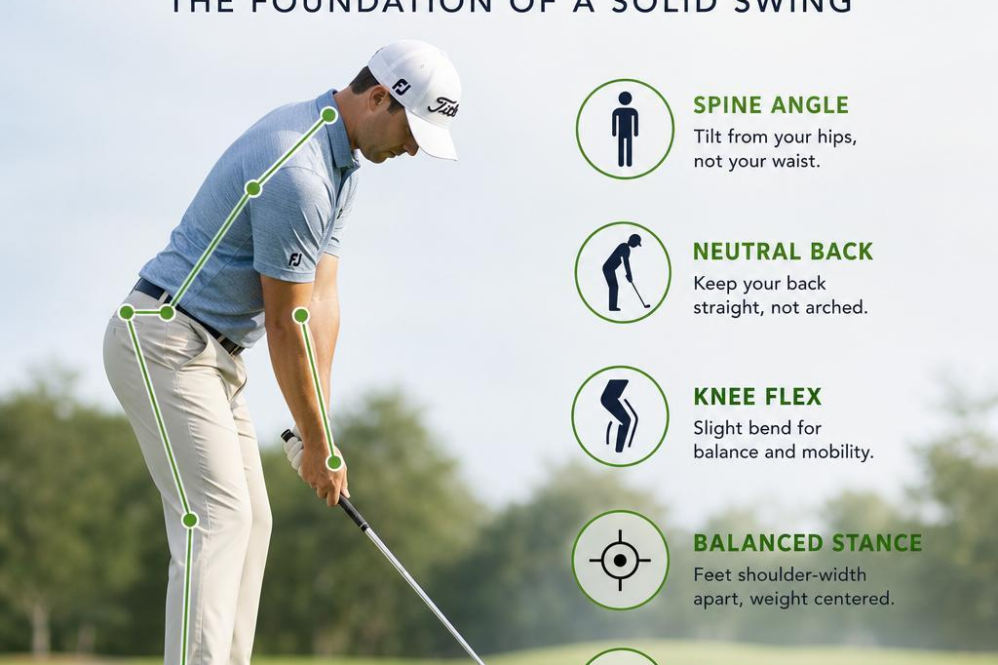
From a technical and course management viewpoint, the key to avoiding penalties on the fairway is to develop a consistent setup and shot routine that minimizes the need for early intervention around the ball. For beginners, this means practicing a neutral stance with a slight flex in the knees and a centered ball position relative to the clubface to maximize clean contact without disturbing the turf excessively. Intermediate and advanced players should focus on precise swing mechanics that allow for crisp ball striking, such as maintaining a steady head position to avoid “digging” into the ground. Routine drills like hitting balls from tight lies or using a fairway turf mat to simulate fairway conditions can condition players to trust their swing while avoiding unneeded manipulation of the ball’s habitat. Additionally, understanding directional shot shaping and trajectory control will enable players to place shots strategically, thus reducing situations where the ball ends up in difficult lies warranting relief.
Effective course strategy also plays a critical role in minimizing fairway penalties. By approaching each hole with a thoughtful plan that considers hazards, rough heightand wind conditions, golfers can select clubs and targets that keep the ball in playable positions and eliminate the temptation to improve the lie illegally.As a notable example, if the fairway narrows or slopes substantially, choose a club that favors accuracy over distance, such as a 3-wood rather of a driver, to ensure the ball lands in a friendly area. When in doubt,always mark your ball carefully and follow the correct procedure for relief drops,placing the ball within the allowable one club-length from the original spot,no closer to the hole,and using the proper dropping technique at approximately 1-2 feet above the ground. Incorporating visualization techniques and pre-shot routines can also reduce pressure-induced errors,helping golfers maintain composure and apply the rules consistently. Over time, this strategic and disciplined approach to playing from the fairway contributes significantly to lowering scores while preserving integrity and respect for the game.
How Knowing fairway Rules Can Improve Your Swing and Driving Strategy
Understanding the rules of the fairway is crucial for developing a more confident and strategic swing, especially when driving off the tee. Knowing how to identify your ball’s lie and the conditions affecting it allows you to make precise adjustments in stance and club selection.Such as,a ball lying cleanly on a tight fairway might encourage a more aggressive,full swing,while one sitting down slightly in the grass could require a shallower angle of attack and softer hands to maintain control and avoid unnecessary turf interaction. This awareness curtails the temptation to improve your lie beyond what the rules allow-commonly referred to as “grounding your club behind the ball” or “moving loose impediments” in a way that incurs penalties. Instead, adapt your swing mechanics by focusing on maintaining the clubface square at impact and optimizing your swing path, which can be practiced with drills emphasizing consistent contact from different lies and turf conditions.
Course management becomes significantly more effective when you integrate fairway rules into your driving strategy. Recognizing legal relief options, such as free relief from casual water or ground under repair, allows you to plan safer shots that minimize risk for penalty strokes. Using these opportunities often means opting for a well-placed 3-wood or long iron rather than a driver to ensure the ball stays in play, especially on fairways with narrow landing zones or trouble areas. To put this into practice, work on drills that simulate hitting from various fairway scenarios-like uneven lies or slight downhill slopes-to build versatility and feel. Pay attention to club setup fundamentals such as ball position, stance widthand weight distribution, as these influence shot shape and trajectory needed to navigate fairway hazards while adhering to the rules. By iterating this approach, you’ll reduce penalty risks and gain confidence in attacking scoring opportunities prudently.
incorporating fairway rule knowledge sharpens not only your physical technique but also your mental approach to the game. Golfers at all levels benefit from developing a disciplined mindset that respects how and when it’s appropriate to improve conditions versus when to play the ball as it lies. This mindset transition encourages smarter shot-making decisions, balancing aggression with cautionand enhancing overall scoring consistency. Practice routines that combine rule-based scenario playing-such as “play it as it lies” challenges-and visualization techniques focused on shot execution help cement this connection. Additionally, measuring progress with specific goals like reducing penalty strokes by a certain percentage each round or improving driver accuracy by at least 10% through targeted drills creates tangible motivation. In essence, mastering fairway rules transforms your swing strategy into a comprehensive, rule-abiding game plan that enhances your performance and enjoyment on the course.
Practical Tips to Navigate Fairway Challenges and Keep Your Game Penalty-Free
successfully navigating fairway challenges begins with a consistent setup and a clear pre-shot routine that prepares both your body and mind for the shot ahead. Align your feet and shoulders square to the target line, using intermediate targets such as a blade of grass or distant tree to improve directional accuracy. When encountering uneven lies or sidehill slopes, adjust your stance accordingly: such as, on a sidehill right to left slope, position your feet so they follow the contour of the hill and tilt your shoulders slightly to maintain balance. This setup allows your swing plane to match the lie angle, reducing the chances of errant shots. Additionally, embrace a controlled takeaway focusing on maintaining clubface angle to avoid twisting on uneven turf.Regularly practice swings from varied lies during your practice rounds to build muscle memory and confidence, ensuring real-course scenarios become manageable and your shot dispersion narrows significantly.
Beyond the mechanics, course management plays a pivotal role in keeping your game penalty-free and efficient. Avoid the temptation to play overly aggressive shots when hazards like bunkers, wateror out-of-bounds areas are in play.Instead, identify safer landing zones that provide favorable conditions for your next shot-this could mean aiming for the widest part of the fairway or a specific yardage short of trouble. Remember that improving the lie beyond what the Rules of Golf permit (such as pressing the ball down or moving grass) can result in penalty strokes, so familiarize yourself with relief options like ground under repair or embedded ball rules. Incorporate course strategies such as playing to your strengths-for instance, if your fade is more reliable than your draw, opt for targets that complement that shape rather than forcing a riskier shot. Employing this measured approach reduces stress and increases the likelihood of avoiding costly penalties.
To enhance precision and shot control amidst fairway challenges, refine your swing mechanics with targeted drills and equipment choices tailored to your skill level. For example, practicing a controlled half swing at 60-75% effort promotes solid contact and keeps the ball flight lower and straighter, ideal for navigating under tree branches or into tighter fairways. Use alignment sticks on the range to check both footwork and clubface position throughout the swing sequence, encouraging a repeatable path. Equipment-wise, selecting a fairway wood or hybrid with a moderate loft (18-21°) can improve launch conditions from semi-rough or uneven lies, giving more margin for error. Incorporate drills like hitting off tight lies or simulating hill lies to build adaptability. By connecting these technical refinements with practical course scenarios-such as adjusting shot height on windy days-you create a versatile skill set that not only reduces penalties but actively lowers scores through smarter, more precise play.