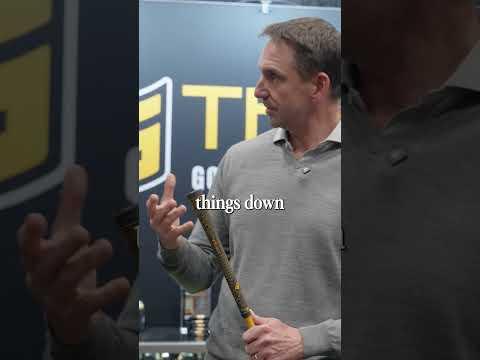

The Secret to Perfect Putting Lies in a Simple Coin
Improving your putting game is one of the most rewarding aspects of golf as even small adjustments can lead to immediate scoring improvements. One notably effective method for refining your putting technique is the coin putting contact drill. This straightforward, yet powerful exercise can substantially enhance consistency and feel on the green.
To start the coin drill, place a small coin or similar-sized object directly behind the ball. The idea is simple: roll the ball cleanly off the putter face without making contact with the coin. The goal here is to ensure your putter face makes contact with the ball first and only then move onto the turf, creating a smooth and efficient stroke. Beginners may struggle a bit initially, but as you gain experience, this drill will become second nature.
A common mistake many golfers make when putting is not maintaining a steady pace with their putter head throughout the swing.This often results in inconsistent contact and variability in distance control. With the coin drill, focus on making a smooth and deliberate stroke, aiming to avoid the coin with each attempt. This practice helps in developing a more consistent and reliable putting motion. Pay attention to your putter face alignment and ball position-these are foundational elements that ensure you are hitting the ball squarely and rolling it on a straight path.
Advanced players might find this drill particularly useful in fine-tuning their putting mechanics, but it’s also a great tool for beginners to develop proper habits early on. As an example, placing the coin near the back of the ball can make your putting stroke feel a bit rushed, helping you to work on timing and patience.Similarly, positioning the coin behind the ball can help you focus on a cleaner, more controlled takeaway at the beginning of your swing.The key is to experiment with slight changes in the coin’s placement to uncover which adjustments help you make the most consistent and efficient contact.
Incorporating the coin drill into your routine can lead to noticeable improvements in your putting performance. It’s not just about hitting the ball cleanly; it’s about understanding the subtle nuances of your putting stroke and making adjustments to optimize it. Regular practice, both on the putting green and in real play, is crucial. On a practical level, if you find that your putts are frequently enough tailing off rather of holding their line, this drill can definitely help you pinpoint the issue and correct your form. By mastering the art of making clean contact, every golf player can enhance their short game and lower their scores. Remember, the goal in putting is to hit the ball consistently with the intended force and pathand the coin drill is a practical, effective way to get there.
Feel the Precision: How to Align Your Stroke with a Coin
one of the most effective drills you can embrace is the Coin Drill. This simple yet powerful drill helps golfers of all levels to pinpoint the low point of their putter’s swing arc, which is essential for making clean contact with the ball. By using a small coin as a guide, you can develop a sense of where and how your putter should strike the ground, ensuring that you make solid, reliable contact every time.
Begin the Coin Drill by placing a small coin-a quarter works well-about two inches in front of your golf ball. This small object forces you to focus on a specific spot, which in turn trains your brain and muscles to recreate this low point with consistency.As you address the ball, visualize the coin as a target, not as an obstacle. Your goal is to make your putter hit the ground precisely where the coin lies without disturbing it. This requires a subtle but crucial adjustment in your grip pressure and stroke control.
For the beginners stepping into the world of putting, the focus should be on mastering the basic setup and stroke tempo. Start by ensuring that your putter face is square to the target. A square face is vital for consistent roll and accuracy. Once your stance, gripand alignment are set, swing back with a slow, smooth motion, focusing on maintaining your putter face square to the target line. As you swing forward, make sure to accelerate through the ball, ensuring that your putter strikes the coin and then the ball.
More advanced golfers can refine their technique by introducing slight variations into the drill.For example,try placing the coin at different distances from the ball to practice adjusting your stroke length accurately. Experimenting with different distances also helps build muscle memory for varying putts you encounter on the course. playing the Coin Drill on different surfaces, such as slower or faster greens, can help you learn to adapt your stroke to environmental conditions.
Ultimately, the Coin Drill can help bridge the gap between practice and real play. On the course, the goal is not just to make more putts but to leave yourself birdie putts rather of long ones to save par. By mastering the low-point control through the Coin Drill, you’ll develop a clearer sense of how to gauge speed and distance on the green.This precision can translate into fewer three-putts and better birdie opportunities. Remember, the key is consistency. Keep practicing the Coin Drilland you’ll see a meaningful improvement in your putting game, leading to better performance and lower scores.
Drill to Dial-in Distance and Direction Every Time
Mastering the consistency of your golf swing and putting is as much about developing a reliable routine as it is about perfecting your mechanics. One such drill that can definitely help dial in your distance and direction,both off the tee and on the green,involves the use of a small coin placed carefully around the ball. This drill hones your focus on making clean contact with the ball every time, ensuring better ball-first strikes for more consistent shots. By setting up this simple but powerful visualization tool,you start to internalize the importance of ball control,a crucial element for any golfer irrespective of skill level.
Start by choosing an iron or wedge, depending on the situation you’re practicing. Beginners might want to start with a mid-iron, say a seven-iron, while more advanced players could pick a pitching wedge for added challenge. Place the ball as you normally would for your chosen club, then position a coin directly behind it, positioned so that it’s in contact with the ball if your club head isn’t. The idea is to maintain this setup and hit the ball cleanly, avoiding any collision with the coin. This setup transforms a typical practice session into a precision exercise that focuses your mind and body, making it easier to diagnose faulty mechanics that lead to inconsistent shots.
Making solid contact every time starts with understanding your body and club alignment relative to the ball. Beginners frequently enough struggle with getting the club face square to the target line at impact, while more experienced golfers might need to fine-tune aspects like weight distribution or the angle of approach. For everyone, though, this drill drives home the importance of having a repeatable setup and swing sequence. As you set up to hit the ball,check that your feet,knees,hips,and shoulders are in alignment with your target,and that your club face is aimed appropriately. By ensuring your setup is sound before you ever address the ball, you give yourself the best chance for clean, consistent contact.
The key to consistent ball striking lies in the transition from backswing to downswing. As you make your backswing, be mindful of your shoulder turn, keeping your lower body relatively still to maintain your weight distribution.As you transition, transfer your weight smoothly and confidently from your back foot to your front foot, allowing your arms and club to follow the natural path of your body rotation. When practicing, slow down your swing to feel each movement, especially that crucial moment when your club makes contact. This mindful approach helps you internalize the correct muscle memory and timing needed for a smooth, efficient swing. Remember, the goal is not just to hit the ball far but to hit it accurately and consistently over short and long distances.
Integrating this drill into your regular practice routine will also enhance your mental game. Consistently making solid contact with the ball provides instant feedback, letting you know when you’ve struck the ball correctly. This positive reinforcement can boost your confidence both on the practice range and on the course. As you build this confidence,apply the same principles to your putting. Use the same coin drill by placing the coin just behind the ball, aiming to make solid, consistent contact with the ball as if you’re trying to strike it under or over the coin. This focus on clean contact can translate to more precise starts on the green, helping you manage your distance control from various distances. The drill doesn’t just help with physical technique; it sharpens your mental focus and decision-making on the course, leading to lower scores. By mastering this simple yet effective drill, you’ll find yourself with a stronger, more reliable game throughout your golf journey.
From Practice to Play: Translating the Coin Drill to the Green
Mastering the coin drill in the short game arena offers a multitude of benefits for golfers looking to improve their consistency on the putting green. The coin drill, a simple yet ingenious method, centers on aligning your putter head with your line of aim accurately and ensuring a solid strike every time. By placing a coin behind the ball on the putting green, it becomes a focal point that encourages you to keep your eyes locked on it throughout your stroke, leading to improved alignment and better contact on the sweet spot of the putter face. For beginners, this drill helps build basic skills and foundational mechanics, while for low handicappers, it refines already solid techniques to shave off more strokes.
To translate this practice to actual game play, it’s crucial to incorporate the coin drill into your pre-putt routine.Start by placing the ball in your preferred location and gently positioning the coin slightly behind it, ensuring it won’t interfere with your follow-through but remains just visible out of the corner of your eye. This setup simulates the mental anchor you use during the drill, allowing you to trust your body mechanics and let your natural rhythm dictate the stroke. Beginners should focus on repeating this drill multiple times for each putt they practice, aiming to maintain consistency in their grip, stanceand alignment. For more advanced golfers, incorporating varied distances and gradients during your on-the-green practice sessions can enhance your adaptability across different scenarios on the course.
One of the common issues golfers face when trying to put into practical game play is the tendency to revert to old habits or become overly cautious on the course. The coin drill helps combat this by embedding a new, beneficial habit through repetition.When you step onto the green during a round,mentally visualize placing a coin behind the ball,even if you don’t physically do it. This mental imagery triggers the same cues as the practice sessions,reinforcing the importance of keeping your alignment and stroke mechanics intact. it aids in focusing on the target and eliminating distractions, which is especially crucial under pressure situations.
Incorporating feedback from the coin drill into your practice sessions is key for continued improvement. Pay close attention to whether you consistently hit the sweet spot or if your putter face opens or closes during the stroke. This awareness can highlight areas of your stroke that need fine-tuning. For example, if you tend to open the putter face due to an inconsistent grip or poor stance width, adjusting these elements in your coin drill practices and taking corrective action on-course can make a notable difference in performance. tracking your success rate with the coin drill over time helps set measurable goals and track your progress. A good starting target for beginners might be hitting half of the putts from a short distance while maintaining proper alignment, whereas advanced players may aim to see improvements in their consistency and accuracy at longer putts.
On the course, the mental aspect of the coin drill also plays a vital role. Golf is as much a mental sport as it is indeed physicaland maintaining a calm, focused mindset under pressure is essential. The coin drill’s primary benefit in this regard is its ability to instill confidence and trust in your mechanics. The sense of satisfaction you get from consistently hitting putts correctly during practice translates into a subconscious belief in your abilities on the green,enhancing your composure during critical moments. For instance,if you have had difficulties with a particular type of putt,such as uphill putts,incorporating targeted practice sessions and using the coin drill to improve can lead to noticeable improvement in your scoring. Remember, golf is about constant improvement and adapting your strategies to suit different conditions, so carry these lessons learned from the coin drill onto the course and watch your game transform.