Unlocking the Secret Behind Perfect Timing in your Swing
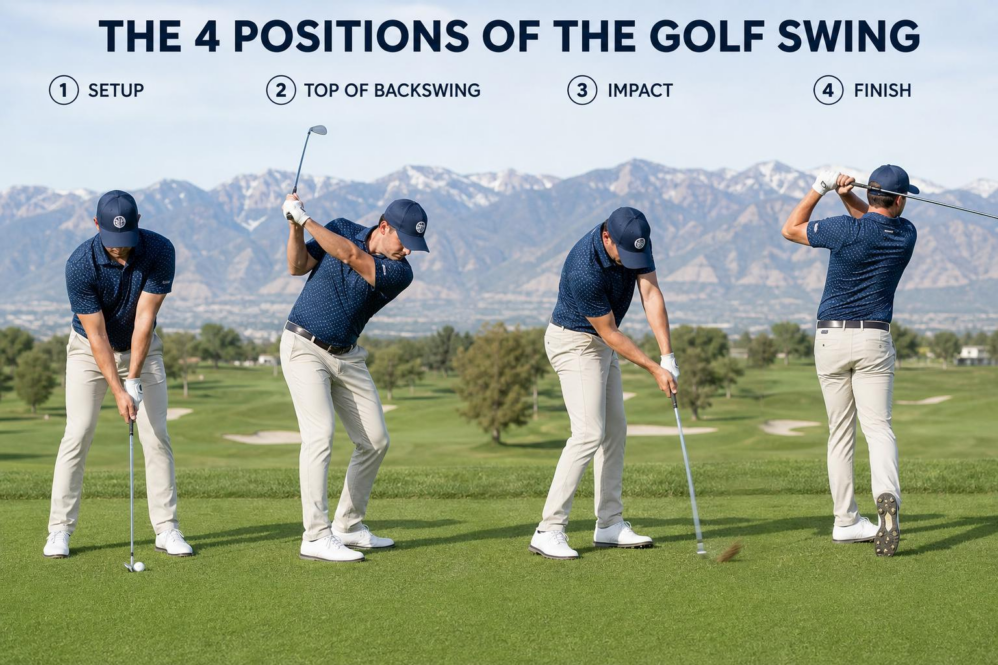
Achieving perfect timing in your golf swing begins with an understanding of the critical sequencing of body and club movement. At the top of the backswing, incorporate the Pause at top pitch drill, holding your position for 1-2 seconds before initiating the downswing. This pause aids in developing better control over transition timing, allowing the proper synchronicity between hip rotation and wrist release. Golfers should focus on maintaining a 30 to 45-degree lag angle between the left arm and club shaft during this transition, optimizing stored energy for powerful and accurate ball striking. Keeping your setup fundamentals consistent-such as shoulder alignment parallel to the target line and a balanced weight distribution between your feet-facilitates a smoother tempo and prevents early release common in both beginners and more skilled players.
To translate biomechanical concepts into on-course excellence, it is vital to integrate timing techniques with strategic shot-making. For example, when facing uneven lies or gusty wind conditions, a well-timed swing compensates for altered ball flight and improves accuracy. Incorporate drills that emphasize rhythm and balance, such as swinging with a metronome set to a 3:1 backswing-to-downswing ratio, helping keep pace under pressure. Beginners can start by practicing half-swings with this tempo focus before advancing to full swings, while low handicappers refine subtle adjustments like wrist hinge depth and hip turn speed for precise control. Maintaining consistent timing throughout your swing sequence reduces mishits like hooks or slices,which directly improves scoring opportunities across a variety of course scenarios.
integrating short game timing with full swing mechanics enhances overall consistency and scoring potential. When putting, the same principle of a controlled tempo and pause before initiating the forward stroke bolsters both distance control and green reading accuracy. Use setup checkpoints-including square shoulders, quiet hands, and stable lower body-to create a repeatable motion that complements your driving and iron play rhythm. Practice routines might include alternating between the Pause at top pitch drill for driving and a slow, deliberate backswing on putting strokes to reinforce neural pathways responsible for timing under different swing speeds. By combining technical precision with mental focus and situational awareness, golfers of all levels can unlock better timing, leading to smoother swings, improved ball contact, and, ultimately, lower scores.
How Mastering the Pause at Top Pitch Drill Can Revolutionize Your Game
Developing a controlled pause at the top of the pitch swing is a game-changing technique that cultivates better tempo, sequencing, and rhythm. This brief hesitation allows golfers to fully assess and stabilize their wrist hinge and clubface angle before initiating the downswing, creating a smoother transition crucial for consistent contact. To implement this, focus on reaching a position where the shaft is roughly parallel to the ground and the lead wrist exhibits a firm, flat angle. holding this moment for about one to two seconds helps ingrain muscle memory. Beginners should practice this drill with slow, deliberate swings using short irons, while advanced players can incorporate gradual increases in swing speed, ensuring the pause remains controlled, rather than rushed or jerky.
Practicing the pause delivers tangible benefits for both short game technique and overall course strategy. With putting and chip shots, this drill enhances feel and precision by promoting better alignment and balance-key for controlling distance and trajectory on varied turf conditions.On the course,a proper pause can improve decision-making under pressure by mentally slowing the swing,helping players better visualize shot shape and landing areas. Equipment-wise,using a slightly softer shaft can complement this drill by allowing more feedback during the wrist hold,reinforcing the sensation of clubhead positioning. To troubleshoot common errors like early cast or over-rotation, golfers should check that the pause is not excessively long or tense, and maintain a light grip pressure throughout the motion.
Integrating the pause into weekly practice routines involves a combination of repeatable drills and metrics tracking. Use alignment sticks to ensure proper clubface orientation at the top, and video analysis to confirm consistent pause timing-aim to hold the position within a 0.8 to 1.2 second window. For intermediate and advanced golfers, pairing the pause drill with partial swings from 60 to 90 yards promotes smoother transitions in the driving zone, enhancing both swing path and power delivery. Mentally, encourage relaxation techniques such as controlled breathing during the pause to reduce tension and improve focus. By mastering this critical checkpoint, players unlock a more reliable, scalable swing foundation that directly translates to better swing mechanics, putting control, and driving accuracy, ultimately lowering scores across diverse course setups.
Practical Tips to Integrate the Pause for Consistent, Powerful Shots
Integrating a deliberate pause at the top of your backswing fundamentally enhances both timing and power. This strategic pause allows the golfer to sequence the downswing more efficiently by preventing early release or casting of the club. To execute this effectively, setup fundamentals must be observed-maintain a stable base with feet shoulder-width apart and a slight knee flex of about 15 degrees to provide balance. As you reach the apex of the backswing, deliberately hold the club in position for approximately 1 to 2 seconds, focusing on retaining the wrist hinge at roughly a 90-degree angle. This controlled hesitation allows the muscles to engage properly for an optimal weight shift. Beginners benefit greatly by practicing this motion in slow motion, using a mirror to monitor wrist angles and ensuring the pause doesn’t cause tension. Advanced players can experiment with varying the pause duration to influence shot rhythm under different course conditions such as windy situations or uphill lies.
Practicing the “Pause at Top” drill on and off the course establishes muscle memory and reinforces a smooth transition from backswing to downswing. Start with rhythm-focused drills incorporating a metronome set to a slow beat, encouraging a consistent pause and timed release. Key checkpoints during practice include:
- maintaining the clubface square at the top, avoiding premature rotation,
- keeping the lead arm steady and relaxed,
- initiating the downswing with a controlled lower body shift rather than upper body thrust.
Such repetition cultivates powerful and repeatable striking patterns,reducing common swing faults like “casting” or “early extension.” On the course, leverage this technique when faced with demanding tee shots requiring precision and controlled trajectory-situations where rushed swings can lead to inconsistent shot shape and distance control. Low handicappers often find this pause invaluable for shot shaping, manipulating ball flight with slight wrist hinge adjustments during that pause to impart intentional draws or fades.
Beyond mechanics, embedding a mental awareness component during the pause significantly enhances decision-making and execution under pressure. By using this brief stillness as a moment to visualize the intended shot shape, target landing area, and wind influence, players bridge the technical and psychological facets of the game. Such as, on a tight fairway with hazards bordering one side, taking this pause to reaffirm club selection and swing plan aligns cognitive focus and physical action. Equipment considerations also come into play; ensuring your wedges and irons have consistent lie and loft angles supports confident shot execution when implementing this pause. Aim to implement this technique into your pre-shot routine with measurable goals: track swing tempo via video analysis or launch monitor data and set a target tempo ratio of approximately 3:1 backswing to downswing time aided by the pause. This integrated approach offers golfers a pathway to more consistent,powerful shots and better scoring outcomes under diverse course scenarios.