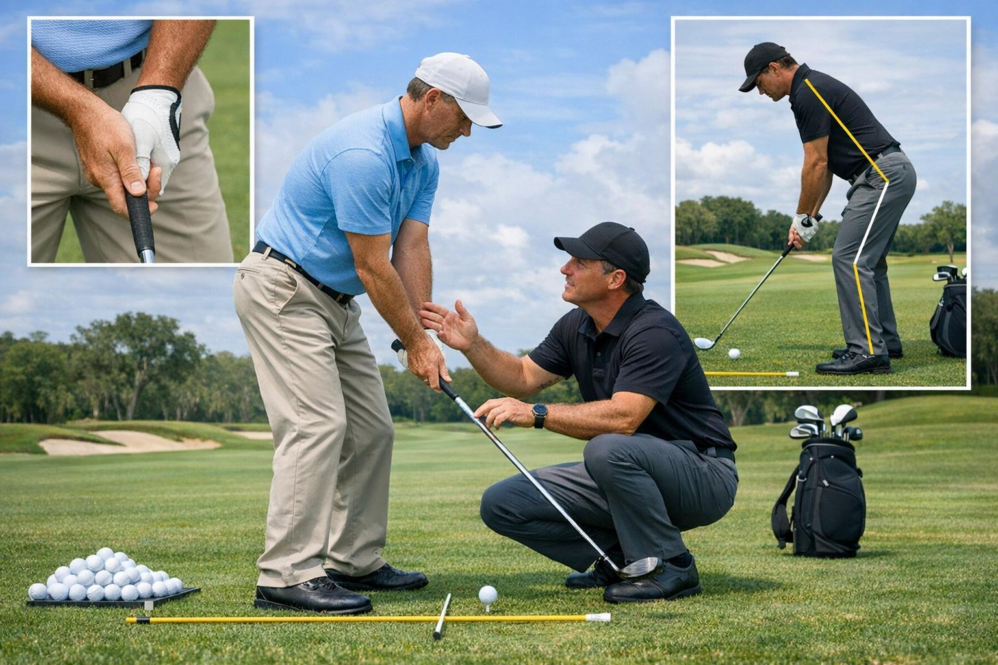
Unlock the Secrets behind a Wide Stance for More Power
Adopting a wider stance with your driver fundamentally enhances stability adn power generation, establishing a solid base for a dynamic golf swing. for optimal execution, position your feet approximately 12 to 14 inches apart-roughly shoulder-width or slightly wider-allowing for a balanced weight distribution. This stance increases your body’s ability to resist lateral sway during the backswing and follow-through, enabling greater coil and uncoiling of the torso. When setting up, ensure your weight is evenly balanced between both feet, with a subtle emphasis on the balls of your feet rather than heels; this readiness fosters explosive hip rotation through impact. In practical course scenarios, such as hitting into a strong headwind or aiming for maximum carry distance, this stable platform empowers golfers to generate clubhead speed without sacrificing balance or accuracy.
To harness the power of a wide stance, focus on refining your swing mechanics with purposeful drills and setup adjustments.Start by practicing a half-swing drill with feet shoulder-width apart to ingrain the feeling of a centered pivot,then gradually increase stance width for full-swing reps. Prioritize maintaining a flexed knee angle of around 15 degrees on both legs to maximize joint stability and power output. Common pitfalls include excessive weight shifting toward the heels or letting the knees straighten too much, both of which can reduce torque and cause inconsistent contact. Utilize markers or alignment sticks during practice to ensure your feet remain parallel and the stance does not compromise your targeting. For advanced players, experimenting with a slightly asymmetric stance-where the trail foot opens a few degrees-can promote greater hip clearance and facilitate shot shaping through controlled body rotation.
Beyond pure mechanics, a wide stance influences course strategy by providing confidence and adaptability in various conditions. When navigating uphill lies or tight fairways, the increased stability reduces sway and enhances club control, allowing precise driver positioning to exploit fairway contours. Mental awareness plays a crucial role hear; by consciously embracing your stance as a power platform, you reinforce confidence, which translates directly into more committed swings under pressure. To embed this technique fully, incorporate routine practice sessions focusing on stance width combined with visualization exercises-imagine the desired ball flight and trajectory before swinging. Whether you’re a beginner aiming to add yards off the tee or a low handicapper refining your consistency, systematically integrating a wide stance can lower your stroke count and elevate your game to new competitive heights.
How to Align Your Body for Maximum Swing Efficiency
Proper body alignment sets the foundation for an efficient golf swing by promoting consistent ball striking and maximizing power transfer. Start by positioning your feet shoulder-width apart or slightly wider when using a driver to enhance stability and balance throughout the swing. Align your toes, knees, hips, and shoulders parallel to the target line, ensuring your stance feels comfortable yet athletic. A good check is to place an alignment stick or club on the ground pointing directly at your intended target, then align your body so the inside of your lead foot runs parallel to this line. Maintaining a slight flex in your knees and a balanced weight distribution-approximately 60% on the lead foot and 40% on the trail foot at address-helps prepare your muscles for efficient rotation while preventing sway or lateral movement during your backswing.
Optimizing your spine tilt and posture contributes significantly to swing mechanics and power generation. From address, tilt your spine about 5 to 7 degrees away from the target, which sets your upper body angle to facilitate a proper shoulder turn without lifting or sliding. This alignment allows your wide-stance driver technique to leverage ground forces better, creating more clubhead speed and distance. Visualize maintaining a stable head position throughout the swing arc to keep your strike clean and centered on the clubface. Try incorporating the following drills to refine this setup:
- Mirror check: Practice your posture and alignment in front of a mirror to build muscle memory.
- Alignment stick drill: Place one stick on the ground for target line and another along your toe line to ensure precise body setup.
- Foot spray or impact tape: Track strike location to confirm balanced weight distribution and minimize heel/toe hits.
These drills help beginners build reliable fundamentals while giving advanced players feedback for finetuned adjustments.
Applying these alignment principles on the course allows you to strategically manage various playing conditions, such as wind direction or uneven lies. For example,when facing a crosswind,adjust your feet and body so they remain parallel but open your stance slightly (about 10 degrees) to compensate and promote a controlled fade or draw based on swing path. Remember, consistency in alignment directly relates to shot predictability and scoring potential. As you practice, set measurable goals such as achieving at least 80% fairway hits with your driver by maintaining proper body alignment and posture across various practice scenarios. Integrating mental routines that emphasize visualization of your target line alongside physical setup will enhance your focus and overall execution during pressure-filled rounds.
Drills to Build Stability and boost Driving Distance
Achieving greater stability in your golf stance is foundational for boosting driving distance, and adopting a wide-stance driver setup plays a crucial role. begin by positioning your feet approximately shoulder-width to 1.5 times shoulder-width apart, ensuring balanced weight distribution across the balls of your feet. This wider base enhances lateral stability and resists early lower-body sway during the swing’s powerful transition. Additionally, focus on maintaining a slight knee flex of about 15 degrees and engage your core muscles to create muscular tension that supports rotational acceleration without losing balance. For beginners, practicing this stance in front of a mirror helps internalize posture, while advanced players should integrate this into their pre-shot routine to maintain consistency under pressure.
Once stability is established, incorporating targeted drills can significantly improve your driving distance by refining swing mechanics and energy transfer. One effective exercise is the “Step-Back Drill,” which trains weight shift and sequencing: start in your wide stance, then slowly step your trail foot back about 6-8 inches during the backswing before returning it forward to impact. This cultivates controlled coil and explosive hip rotation, generating higher clubhead speed. Another useful drill is the “Pause at the Top,” encouraging players to hold the top of the backswing for 2-3 seconds with the shaft parallel to the ground and wrists fully hinged. This pause promotes muscle activation tracking and swing tempo. For both drills, use a launch monitor or smartphone app to track improvements in ball speed and carry distance, aiming for incremental gains weekly.
Integrating these technical improvements with smart course management can further maximize driving efficiency across varying conditions. For example, on windy days, a grounded, wide stance helps stabilize the body against gusts, enabling a smoother, controlled takeaway and follow-through. When approaching narrow fairways or strategic holes, adjust your setup slightly by narrowing your stance by a few inches to favor accuracy without sacrificing too much power. Additionally, consider the loft and shaft flex of your driver as they affect launch and spin rates; pairing your stance drills with equipment fitting optimizes results. mental focus during pre-shot routines-visualizing shot shape and distance goals-reinforces physical stability and technique, culminating in more consistent drives and improved scoring opportunities.
Fine Tune Your Timing to Perfect Precision and Control
Achieving precise timing in your golf swing is crucial for generating consistent distance and control, especially when employing a wide-stance driver setup. Begin by focusing on your pre-shot routine to establish a smooth tempo; the rhythm between backswing and downswing drastically influences ball striking quality.A practical drill involves counting “one-two” during your swing-where “one” corresponds to the top of your backswing, and “two” marks impact-helping to internalize a steady rhythm. This timing ensures that you reach the critical wrist-cocking release just as your clubhead approaches the ball, thereby maximizing clubhead speed while maintaining control. Keep your spine angle stable throughout the swing, ideally around 15 degrees tilt away from the target at address, to promote an accurate low-to-high driver swing path. By consciously integrating these timing elements into practice, golfers will notice fewer off-center hits and more predictable ball flights in varying course conditions.
Fine-tuning your timing also relates to subtle adjustments within the swing mechanics. as a notable example, initiating the downswing with your lower body-rotating the hips toward the target before the arms fully drop-enhances sequencing and power transfer. practicing a dry swing with emphasis on this hip lead will cultivate muscle memory for smoother, more efficient strikes. Additionally, incorporating pause-and-go drills at the top of the backswing can develop your feel for the transition phase and improve shot consistency, which is especially beneficial when navigating challenging course features such as tight fairways or abrupt elevation changes. Adjusting the width of your stance on tee shots can serve as an effective strategy; a wider stance offers greater stability but demands heightened timing precision to avoid early casting or coming over the top. Experimenting with stance width during range practice allows you to balance stability and fluidity, directly impacting your shot placement on the course.
Beyond physical mechanics, applying these timing refinements within strategic course management elevates overall scoring potential. When facing strong winds or firm fairways,precise control over your swing tempo enables you to modulate ball trajectory and spin deliberately,reducing the risks of ballooning drives or excessive rollout. To translate timing improvements into on-course success, integrate mental rehearsal techniques-visualize the exact rhythm before each tee shot, especially when using your driver from a challenging lie. Combining this with adaptive tactics like selecting a 3-wood for tighter tee boxes or aiming for safer landing zones ensures you capitalize on your enhanced timing without overreaching. Ultimately, mastering your swing’s timing harmonizes power with accuracy, decreasing your handicap through a blend of refined technique and intelligent play.
- Practice drill: use a metronome app set at 60-70 beats per minute to synchronize backswing and downswing tempo.
- Setup checkpoint: Verify that your feet are positioned wider than shoulder-width for driver shots, promoting stability.
- Common mistake: Avoid rushing the downswing; premature release of wrist lag leads to loss of power and inconsistent ball flight.