Unlocking the Art of Sam Snead’s Effortless Swing for Consistent Power and Grace
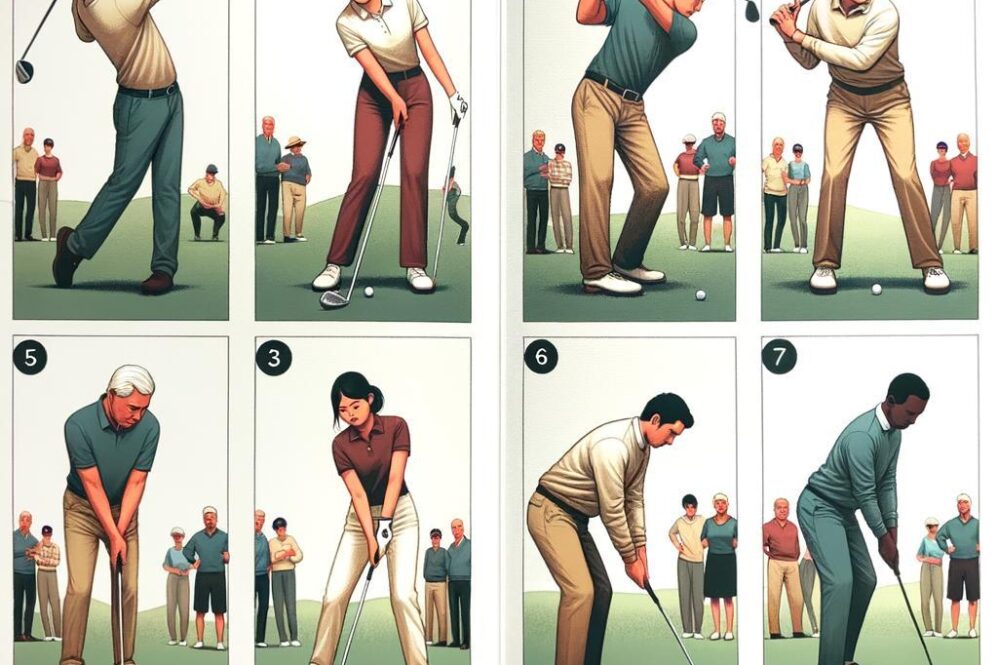
Sam Snead’s swing is renowned for its effortless power and fluid grace, a combination achievable thru a focus on fundamental mechanics that prioritize balance, timingand rhythm. At the core of his technique is maintaining a wide, relaxed stance with approximately 1.5 shoulder-widths between the feet, which promotes stability and fluid weight transfer during the swing. Starting with a slightly open clubface at address helps to encourage an inside-to-out path, minimizing slices and promoting a natural draw shape. Snead’s takeaway is intentionally slow and smooth, setting the tone for impeccable timing. To emulate this, golfers should practice a controlled backswing where the clubhead stays low to the ground for the first few feet, gradually hinging the wrists at about 90 degrees by the top of the swing. This gradual buildup prevents tension and allows for a powerful, yet relaxed downswing that transitions energy seamlessly into the ball. Drills such as the “pause at the top” or swinging with a metronome can help players cultivate this effortless tempo.
Transitioning from the full swing to course management,Snead’s approach highlights adaptability and strategic shot selection that complements his technical precision. He emphasized the importance of assessing lie, windand slope before selecting the appropriate club and shot shape. For example, when faced with a downhill lie or strong crosswind, adjusting ball position slightly back in the stance coupled with a shorter, controlled follow-through can definately help maintain accuracy and ball flight control. In the short game, Snead’s touch was characterized by a soft hand and nimble wrists, especially in chipping and pitching within 50 yards.Beginners can benefit from practicing the “clock drill,” which involves striking chips to concentric target rings at various distances,emphasizing consistent contact and trajectory control. Additionally, incorporating partial swings with a high-lofted wedge-focusing on maintaining a square clubface through impact-builds confidence for delicate course situations.This holistic strategy teaches players not just how to swing well, but how to think critically during round play to maximize scoring potential.
The equipment and setup foundations Snead championed are equally instrumental in unlocking his swing’s power and grace. Starting with a neutral grip-where both “V” shapes between thumb and forefinger point towards the right shoulder-ensures control without sacrificing maneuverability. Set up should include an upright spine angle of about 35 degrees and a slight knee flex to allow a fluid hip rotation, which Snead used to generate powerhouse hip turn driving the swing. Players looking to refine their swing path and connection should incorporate regular practice with alignment rods to promote an inside takeaway and consistent ball-to-target alignment. Snead also valued practicing across various turf conditions to simulate course scenarios-encouraging players to hit shots from rough, tight lies, and sand to develop versatility. Combining mental focus with technique,he advised players to maintain a calm pre-shot routine,breathing slowly to manage pressure and enhance concentration. By embracing thes integrated practice habits, golfers of all levels can build a repeatable, efficient swing that balances power, graceand confidence on the course.
Discovering the Putting Techniques That Made Sam Snead a Legend on the Green
One of the fundamental aspects that defined Sam Snead’s putting mastery was his unwavering focus on setup fundamentals and stroke consistency. He emphasized a balanced stance with feet shoulder-width apart, allowing for a stable base that minimizes unnecessary body movement. Starting with eyes positioned directly over the ball, Snead ensured proper alignment-a critical factor for reading greens and predicting putt break angles accurately. This setup encouraged a pendulum-like stroke where the shoulders control the motion, reducing wrist action that often leads to inconsistent contact. For golfers looking to emulate Snead’s technique, practicing with a mirror or alignment rods can help ingrain this posture and streamline their putting stroke for greater repeatability.
Beyond setup, Snead’s putting technique integrated keen green-reading skills and adaptive pace control, critical for course management.He advocated for an intuitive understanding of grain, slopeand green speed, using subtle variations in stroke length and acceleration to accommodate changing conditions. This intelligent approach allowed him to confidently judge putts ranging from delicate taps to lengthy lag attempts without over-hitting or leaving the ball short. To develop this skill, players can engage in drills such as the “ladder drill,” which involves putting to targets placed at incremental distances, promoting sensitivity to distance control and smooth acceleration through the ball. Additionally, situational practice-putting on different greens to experience various textures and speeds-helps simulate real course challenges, sharpening decision-making under pressure.
Snead’s putting prowess was not only grounded in technique but also in a holistic mental strategy that fused focus, routineand adaptability. He often approached each putt with a clear, relaxed mindset, maintaining a consistent pre-shot routine to steady his nerves and enhance concentration.For golfers of every level, establishing a personalized routine-such as visualizing the line, taking practice strokes to feel tempoand deep breathing-can regulate tension and boost confidence. Furthermore, Snead’s ability to adjust his technique based on weather elements like wind or wet greens showcased his versatility, an essential trait for scoring well on diverse courses. By combining technical drills with a strong mental game and thoughtful course management, players can lower their putting averages and experience the kind of sustained success that Snead exemplified on the green.
Mastering Driving Like Sam Snead with Tips That Maximize distance and Accuracy
To emulate Sam Snead’s iconic driving prowess, begin by focusing on a balanced and athletic setup that encourages a fluid, powerful swing. snead’s stance was slightly wider than shoulder-width, with knees gently flexed and weight distributed evenly across the balls of the feet, promoting both stability and mobility. ensure the ball position is just inside the left heel for right-handed golfers, allowing for a sweeping, slightly upward strike that maximizes launch angle and reduces spin-key factors for distance. Incorporate neutral grip pressure, which helps maintain clubface control throughout the swing and prevents tension that can hinder speed.To build power similar to Snead’s effortless tempo, practice drills such as the “slow-motion swing,” emphasizing a smooth one-piece takeaway and a full shoulder turn reaching approximately 90 degrees to generate torque and coil efficiently. This foundation not only improves consistency but also prepares golfers to unleash controlled power without compromising accuracy.
Once comfortable with the setup and swing mechanics, refine your ability to shape shots and control trajectory-hallmarks of Snead’s driving game. His skill in adjusting shot shape to course layout offers valuable lessons in course management and strategic play. Begin by experimenting with slight variations in clubface alignment and swing path to produce fades, drawsor straight shots depending on hole design and prevailing conditions such as wind or slope. For example, a subtle closed clubface combined with an inside-to-out swing path produces a controlled draw, ideal for navigating doglegs or avoiding hazards.integrate drills that focus on hitting targets at varying distances using feedback tools like alignment sticks or impact tape, which help in visualizing and correcting swing paths. Moreover, adapting shot shape and trajectory allows you to exploit fairway widths, avoid troubleand ultimately lower scores by playing smarter, not just harder.
Equipment and practice routines further enhance your progression toward mastering driving like snead. Selecting a driver with a forgiving clubhead and adjustable loft between 9° to 11° can assist in optimizing launch conditions tailored to your swing speed and angle of attack. Incorporate drills that build swing speed and tempo rhythm, such as the “step-through drill,” which encourages proper sequencing and weight transfer to maximize clubhead speed without losing control. Mindful practice sessions structured into warm-ups,technical swing drills,and situational shot simulations cultivate both muscle memory and mental confidence. Additionally, be attentive to external variables like turf firmness or wind direction during practice to emulate real course challenges. By integrating these deliberate practice habits with Snead-inspired fundamentals, golfers of all levels can expect measurable improvements in driving distance, accuracyand overall scoring performance.