Finding Your Sweet Spot: How Tilt Affects Driving Distance
Mastering the art of hitting your sweet spot every time is a cornerstone skill for any golfer looking to increase driving distance and optimize performance on the course. The starting point for this journey lies in understanding how your body’s tilt at address influences the path to flush contact with the ball. Many golfers struggle with maintaining proper balance and alignment during their set-up, which can undermine their ability to consistently hit powerful drives.
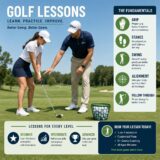
To begin,stand tall with your weight centered over both feet.This initial position is critical because it provides a solid foundation from which you can hinge at the hips while staying aligned perpendicular to the target line. By tilting correctly from here, you ensure that when you start your downswing, your club head remains on plane and strikes the ball in the sweet spot-resulting in longer, straighter drives.
One of the most common mistakes golfers make is failing to keep their shoulders parallel to their aiming line as they hinge forward. Imagine a plumb bob hanging directly from your sternum; it should intersect with the middle of your stance and point towards your target when you’re properly set up. Beginners often over-extend or under-hinge, which can disrupt this alignment and send shots off-line or lose distance.
To address these issues, focus on creating a smooth transition between standing tall and assuming golf posture. A simple drill to practice is the “parallel line” setup: mark two parallel lines at your feet with clubs-your stance width should be comfortable enough for full shoulder rotation yet narrow enough to keep your balance stable. As you hinge forward from this position, aim to have a slight bend in the knees and maintain an upright torso angle that allows smooth transitions without excessive leaning.
Advanced golfers can further refine their tilt by adjusting based on ball position or stance width for various shots. Remember, finding the right balance is about experimenting with different setups until you feel confident hitting the sweet spot every time. Incorporate these tweaks into your regular practice routine and observe improvements in both consistency and driving distance over time. By integrating this foundational understanding of body alignment during setup, golfers can considerably enhance their ability to hit pristine drives that set up scoring opportunities on challenging holes.
Posture Power: Standing Tall for Maximum Control and Accuracy
Mastering the art of standing tall before tilting into your posture is a cornerstone of effective golf technique that can significantly enhance control and accuracy across all levels of play. Begin by positioning your feet shoulder-width apart to ensure stability-the foundation for a powerful yet controlled swing.
The next step is essential: stand tall through your spine, keeping your shoulders relaxed but in line with your hips. Many beginners make the mistake of hunching or bending too much at the start, robbing themselves of vital use and causing potential back issues over time. Standing tall allows you to maintain proper spinal alignment, which is crucial for the transfer of energy from your legs through your torso into the club.
Once in this upright stance, focus on gently tilting your upper body forward by bending at the hips-not the waist or knees-while keeping the spine straight.This hip hinge creates room for the lower back to support a more powerful rotation during the swing. A beginner-friendly way to practice the hip tilt is to use a mirror or alignment stick placed vertically next to you; this will help visualize and feel the correct hip angle without any ball interference.
During your address,ensure that your weight rests predominantly on the balls of your feet,just behind the toes. This stance distributes pressure evenly and prepares you for dynamic shifts as you swing into impact. It’s a common pitfall to distribute weight unevenly or shift too early during practice swings, which can disrupt timing and fluidity.
Incorporating these posture fundamentals will yield immediate benefits on the course. For instance,when faced with a challenging dogleg left or right,the tall initial stance and controlled hip tilt gives you greater maneuverability to aim correctly while still having the flexibility needed for adjustments mid-swing.Advanced players might find that by refining this aspect of their setup, they can achieve more consistent drives off the tee-especially on windy days where course management becomes paramount.
Reaping Rewards: Transforming Tilt and Posture into Better Drives
Improving your drive begins with mastering the fundamentals of posture and tilt. Begin by standing tall; picture yourself as a proud tower holding a driver.From here, initiate movement by tilting slightly at the hips, allowing your upper body to hinge forward naturally. This slight spine tilt should create an angle of approximately 30 degrees from your vertical stance. Understanding this basic setup is crucial for unleashing better drives and avoiding common pitfalls that plague golfers.
The next step involves transitioning smoothly into the proper posture. To visualize this,imagine your shoulders are the hinge point around which your upper body revolves while maintaining a slight tilt at the hip axis. Avoid over-tilting by ensuring your spine is more vertical than you might initially think; too much forward lean can rob you of power and consistency due to loss of natural use. By focusing on these small, precise adjustments, even beginner golfers can start seeing immediate improvements in their swing mechanics.
For those looking to refine existing skills or seeking new challenges, incorporating spine tilt into your drive offers a chance to optimize launch conditions at the address position. Begin by standing upright and then gently lower your body weight onto one leg-the left for right-handed players-to facilitate the hip rotation necessary for an effective transition phase during the swing.This subtle move promotes better balance throughout the entire motion rather than just at setup. Players with higher handicaps will benefit from practicing this alignment in front of a mirror or using a video tracker to get instant feedback on their form.
It’s essential to practice these adjustments until they become second nature. One effective exercise is to set up your driver as usual but focus solely on creating the initial tilt and posture without swinging. Count to three while holding this position, ensuring you feel pressure evenly distributed across both feet, with slightly more weight toward your heels.This static stance practice helps ingrain muscle memory, making dynamic executions of shots during rounds smoother and more reliable.
To further enhance your driving distance and accuracy, consider integrating drills that challenge balance alongside the biomechanics of tilt and posture. For example, try hitting short chips or pitches from an address position resembling your full drive stance to improve finesse with control over these adjustments. working on a decline ramp can be another excellent drill, as it naturally promotes the lower body engagement necessary for maintaining optimal tilt throughout the swing. Remember, every golfer’s body is unique; experimentand find which setups feel most comfortable while adhering to sound biomechanical principles.