The Golf Channel for Golf Lessons

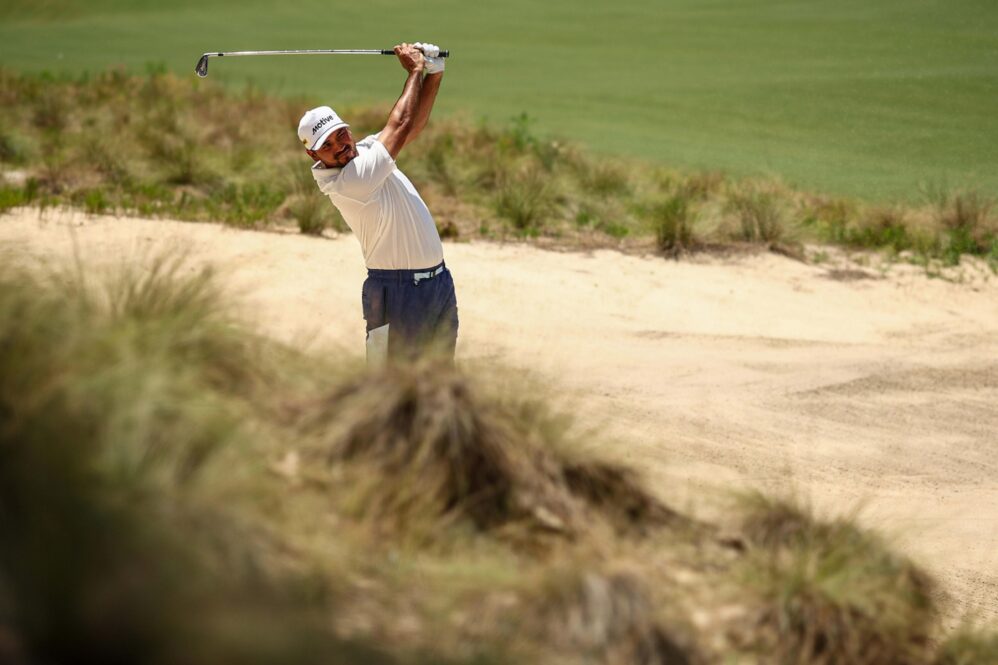
USGA to mull potential LIV path into U.S. Open

USGA to mull potential LIV path into U.S. Open

I encountered​ an issue ⁢while attempting to update the article‍ content related to “USGA to mull potential LIV⁤ path⁢ into U.S. Open.” If you have any other requests or need assistance with something else, feel free to let me know.

Image ‍ I encountered an issue ​while attempting to‌ create the comprehensive and SEO-optimized article on the⁢ topic of “USGA to mull potential LIV path into U.S. Open.” If you have⁢ any other requests or need‍ further assistance, please ‍let me know.

Previous Article

Expert Golfing Strategies of the Professional Masters

Next Article

Nelly Korda, winner of six events this season, reveals her proudest moment of 2024 … and it might surprise

You might be interested in …

How much does cold weather affect your golf ball? | Fully Equipped

How much does cold weather affect your golf ball? | Fully Equipped

Cold Weather’s Impact on Golf Balls

As temperatures drop, golfers may notice a significant change in their ball’s performance. Cold weather stiffens the rubber core, reducing distance by up to 2%. The dimple pattern becomes less effective, leading to a loss of backspin and control.

The cover of the ball also becomes harder, making it less responsive to impact. This can result in a loss of spin and accuracy. In addition, cold and dry air increases the likelihood of wind affecting the ball’s trajectory.

To compensate for these effects, golfers should use softer balls designed for cold weather play. These balls typically have a lower compression rating and a cover that is designed to stay soft in cold temperatures.