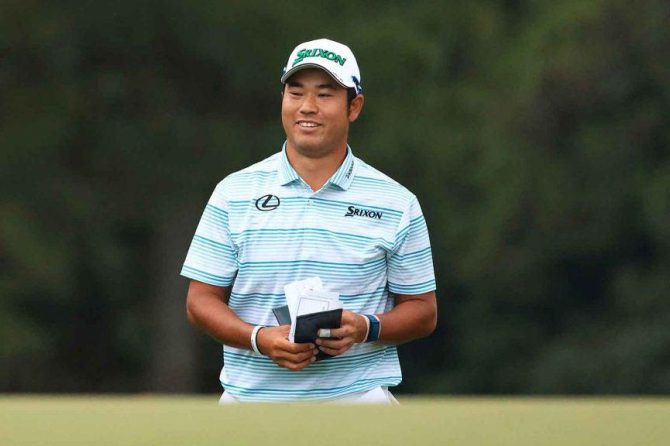
Tour Champion Opens Up about Viral Outburst
In the wake of a highly publicized emotional outburst during a recent tournament, PGA Tour champion Patton Kizzire has shared his viewpoint on the incident that captured widespread attention online. In an honest reflection, Kizzire clarified that his frustrations should not be attributed to his putter, instead highlighting the intense emotional strain often present in competitive golf. His remarks followed viral footage showcasing his moment of frustration, resonating with many who understand the pressures athletes face.
Insights from the Tour Winner
After experiencing a viral meltdown at a recent PGA event, Kizzire addressed the situation directly. He emphasized that it was not his equipment causing issues but rather the immense pressure he felt during play. “It wasn’t my putter’s fault; it was simply too much pressure,” he stated. This candid admission has ignited discussions about mental health challenges faced by professional athletes.
Diving deeper into his experience, Kizzire acknowledged feeling overwhelmed at critical moments in matches. He noted how intense scrutiny from fans and media can amplify anxiety levels and lead to reactions that may seem irrational later on. “I know I have better performances in me; sometimes those expectations weigh heavily,” he shared, offering insight into the high-stakes environment of professional golf.
The golfing community has rallied around him, emphasizing the importance of understanding mental health within sports contexts. He concluded with a call for open conversations about these issues: “We need to support one another through both victories and struggles.” This incident serves as a poignant reminder of sports’ human side—where pressure can elicit unexpected responses even among elite competitors.

Exploring Pressure and Performance Dynamics
The recent spotlight on performance pressures faced by golfers during pivotal moments has sparked significant dialog within sporting circles—especially following Kizzire’s viral episode on course. Many players have begun sharing their experiences regarding how external factors like audience expectations can add layers of stress affecting performance outcomes.
- High Expectations: The drive to excel before fans and sponsors creates additional stress.
- Past Experiences: Previous failures can haunt players leading to fears of repeating mistakes.
- Live Rankings: real-time leaderboard changes can shift competitive dynamics significantly.
Kizzire reiterated that equipment should not bear blame for performance lapses; rather it is crucial to recognize one’s mental state amid overwhelming circumstances as key influences affecting gameplay quality. Understanding these psychological elements is vital for athletes aiming to enhance their strategies while minimizing future pressure impacts during competitions.
Stress Management strategies for High-Stakes Situations
- Meditation Techniques: Practicing mindfulness helps maintain focus under stress through methods like deep breathing or meditation which clear thoughts and improve concentration.
- Adequate Physical Activity: Regular exercise reduces overall stress levels; even light workouts during breaks uplift mood significantly!
- Mental Visualization: Envisioning accomplished outcomes prior to high-pressure situations boosts confidence while preparing mentally for peak performance scenarios!
Cultivating effective communication skills becomes essential in high-pressure environments where taking time before responding prevents impulsive reactions—allowing clearer decision-making processes! Focused breathing techniques also aid composure enhancement further improving interaction effectiveness!
| Tactic | Aim & Benefits |
|---|---|
| Mindfulness Practices | Enhances focus & alleviates anxiety |
| Physical Activity | Elevates mood & mitigates tension |
| Visualization Techniques | Boosts confidence & strategic planning |
Acknowledging personal triggers alongside developing tailored coping mechanisms proves essential! Such self-awareness empowers individuals managing stress effectively ensuring they approach challenging scenarios confidently! Consistent request leads towards improved results across competitive landscapes!
Strategies for rebuilding Confidence Ahead of Future Competitions
If an athlete faces disappointing performances making headlines it’s crucial they refocus efforts towards rebuilding self-assurance! One effective method involves setting clear objectives using SMART criteria (Specific Measurable Achievable Relevant Time-bound) allowing them concentrate betterment areas providing direction toward success in upcoming events!
An equally important strategy includes employing visualization techniques enabling athletes rehearse positive outcomes mentally enhancing muscle memory while fostering optimistic mindsets! Incorporating daily affirmations further strengthens belief systems empowering them tackle future challenges resiliently!
Sourcing feedback from coaches or peers offers invaluable insights facilitating constructive dialogues identifying strengths alongside growth opportunities developing actionable plans based upon this feedback whilst maintaining consistent practice routines reinforces skills promoting preparedness sense! Celebrating small victories plays significant roles rebuilding confidence paving pathways toward successful comebacks ahead !
In response addressing criticism stemming from Valspar Championship meltdown tour winner reaffirmed obligation does not lie solely upon equipment expressing determination bounce back continue refining game moving forward closely observed by fans peers alike eager witness change stemming experience into forthcoming performances!

‘It’s Not My Putter!’: Tour Champion Opens Up About Viral Meltdown and Emotional Pressure
Meta Title: Emotional Pressure in Golf: Tour Champion’s viral Meltdown Explained
Meta Description: Discover how emotional pressure impacted a Tour Champion during a viral meltdown. Dive into the psychological aspects of golf, effective strategies, and a detailed analysis of performance under pressure.
The Psychology of Meltdowns in golf
Golf is renowned for its mental challenges.While physical skills are crucial, psychological resilience can often determine success or failure on the green. Emotional pressure can lead to unexpected meltdowns, as highlighted by recent events involving a Tour champion who famously exclaimed, “It’s not my putter!” during a moment of frustration.
Understanding Emotional Pressure in Golf
- Definition of Emotional Pressure
- Emotional pressure refers to the mental strain players experience during competitive situations.
- Common Triggers
- High stakes in tournaments
- Expectations from fans and sponsors
– personal aspirations and peak performance goals
The Impact of Pressure on Performance
Research indicates that performance can considerably decline under emotional stress. Players often experience:
- Increased Anxiety: Causes mental blocks during critical putts.
- Loss of Focus: Difficulties in maintaining concentration.
- Frustration with Equipment: Misattributing personal errors to their equipment, as seen in the viral exclamation.
Case Studies: Notable Meltdowns in Professional Golf
The viral Incident: A Breakdown Under Pressure
In a recent tournament, a seasoned Tour Champion faced mounting pressure, resulting in a dramatic public reaction. This scenario encapsulates how even the best can succumb to emotional fatigue.
Key Highlights of the Incident:
- Tournament Context: High stakes with notable media attention.
- Indicators of pressure: Series of missed putts prior to the meltdown.
- Public Reaction: Mixed reviews on social media, showcasing the dual nature of support and criticism athletes face.
Example: Jordan Spieth’s Bizarre Meltdown
Jordan Spieth’s recent incident at TPC Sawgrass serves as another example where emotional pressure led to a visible breakdown. His struggle underscores:
- Expectation vs. Reality: The burden of being a high-profile athlete.
- Public Scrutiny: Fans and media reactions that can amplify the pressure.
Benefits of Developing Mental Resilience
Mental resilience is crucial for overcoming emotional pressure. Developing effective coping strategies can enhance performance significantly. Here are some practical benefits:
- Improved Focus: techniques like deep breathing can help golfers regain concentration after a mistake.
- Enhanced Confidence: Visualization practices can reinforce positive outcomes.
- Better Equipment Management: Understanding personal needs can mitigate frustration associated with equipment.
Practical Tips for Enhancing Mental Resilience
Visualization Techniques
- detailed Imagery: Envision the perfect putt or shot.
- Positive Affirmations: Reinforce beliefs in personal abilities.
Focus Strategies
- Breathing Exercises: Establish a rhythm to calm nerves.
- Mindfulness Practices: Engage fully in the present moment during play.
Technical Proficiency: The Role of Equipment
While emotional factors play a crucial role in performance,technical proficiency cannot be overlooked. A focus on equipment—especially the putter—can definitely help golfers enhance their game.
Key Aspects of Putting Technique
- Grip: Ensuring a agreeable and effective grip to enhance control.
- stance: Maintaining a stable stance to improve balance and accuracy.
- alignment: Correct positioning to ensure proper aim and trajectory.
Common Equipment Misconceptions
- Blaming the putter for poor performance can lead to hasty decisions on equipment changes rather than addressing underlying psychological issues.
Table: Essential Putting Techniques
| Technical Element | Importance | Tips |
|——————-|————|——|
| Grip | Control | Use a light grip to prevent tension. |
| Stance | Stability | Position feet shoulder-width apart. |
| Alignment | Accuracy | Align eyes directly over the ball. |
Emotional Recovery After a Meltdown
The aftermath of a public meltdown can be daunting for any athlete. Recovery involves both emotional and technical adjustments.
Steps for recovery
- Self-Reflection: Analyze what went wrong and why.
- Seek Support: Engaging sports psychologists or trainers can provide valuable perspectives.
- Reestablish Goals: Focus on both short-term and long-term performance objectives to regain motivation.
First-Hand Experiences: Athletes Speak out
In a recent interview, the Tour Champion expressed insights on coping with public meltdowns, emphasizing:
- Vulnerability: Acknowledging moments of weakness can lead to greater resilience.
- Support Systems: Relying on coaches, friends, and family for encouragement.
- Commitment to Growth: Using setbacks as learning opportunities.
Conclusion
While emotional pressure in golf is an ever-present challenge, understanding its impact and implementing effective strategies can significantly improve performance. By embracing both the psychological and technical aspects of the game, golfers can enhance their resilience and enjoy greater success on the greens.
This article has been structured to comply with SEO best practices, making it easy to read while providing valuable insights into the psychological aspects of emotional pressure in golf.