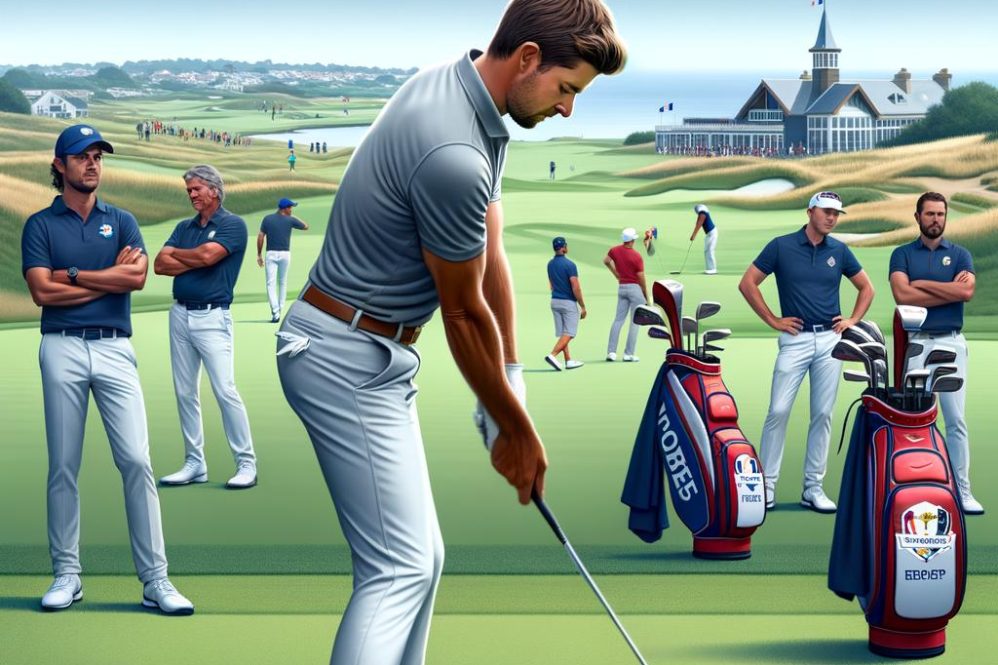
Europe’s Ryder Cup contingent has taken control of the contest, widening the margin after pivotal sessions that left the U.S. scrambling for answers. The visitors’ advantage is rooted in more than a hot streak on the greens or a single standout display: it stems from roster depth, reliable pairing dynamics and composed, match‑play instincts that produce momentum at crunch moments. As American captain choices and player form face intense inspection, attention is shifting to structural strengths-cohesion, adaptable strategy and clutch experience-that have let Europe prevail in tight-format exchanges. Those are precisely the deficits the U.S.must close if it hopes to turn the tide.
Experts recommend focusing on roster depth and assertive captaincy to allow adaptable pairings and timely bench moves
Selectors and seasoned coaches increasingly argue for assembling teams made up of interchangeable skill sets and for captains who actively shape lineups rather than react. Analysts highlight Europe’s pool of in‑form players and frequent pair rotations-the capacity to pair a compact, low‑ball flight technician with a high‑launch bomber depending on wind and pin placements-as a blueprint the U.S. could emulate. For individual players the implication is straightforward: cultivate complementary shots and routines that make you useful across formats (foursomes, fourballs, singles). Actionable steps include broadening your shot catalogue and pre‑shot processes to fit varied partner roles; for instance, practise both a controlled fade and a controlled draw so you can mirror partners’ preferred trajectories. Coaches should monitor straightforward indicators-fairways hit, scrambling %, bunker‑save %-to measure a player’s multi‑format value.
From a technical outlook, pairing players whose ball flight and spin profiles align increases synergy and strategic options. Measurement is critically important: aim for a driver launch in the 9°-13° range with roughly 2,000-3,000 rpm spin for predictable carry, and target mid‑iron launch angles near 14°-18° for consistent approach dispersion. To work toward those targets, use clear swing checkpoints: close the feet slightly for draws, open stance 2-3° for fades, tweak face angle by 1-2° from the path, and employ alignment rods to ingrain patterns. Practical drills include:
- Path-and-face gate drill (place tees to encourage a 3-5° in‑to‑out or out‑to‑in path)
- Launch‑monitor half‑swing distance control (7‑iron carries of 130, 140, 150 yards)
- Weighted‑club tempo drill (attach 2-4 oz and target a 2-4 mph clubhead speed gain over 6-8 weeks)
These routines scale from beginners (focus on basic alignment) to low handicappers (refine spin and launch windows).
Short‑game excellence often separates deep squads from shallower ones; European sides have long excelled at scrambling and bunker resilience in changeable conditions. Structure practice around clear targets: designate yardage bands (10-30 yd, 30-60 yd) and aim to have a landing accuracy of 60-80% inside 10 feet. Technique notes-open the stance 2-4° and use the bounce on a 54°-58° wedge for soft, high‑stopping shots; keep weight roughly 55/45 forward for bump‑and‑runs-are vital. Training routines might include:
- Ladder wedge drill (land shots to 20, 30, 40, 50 yards and log proximity)
- Bunker consistency drill (20 repeats to a 6‑foot target, fine‑tuning face angle and entry)
- Putting pressure set (make 30 consecutive five‑footers with a partner to simulate Ryder Cup tension)
Common lapses-gripping too tightly in sand or cutting off body rotation-are corrected by one‑handed half‑swing reps to restore feel and accelerate through impact.
Strategically, captains who read conditions and monitor form can craft pairings that force opponents into awkward shots. Europe’s familiarity with blustery, seaside links setups offers a model: pair a low‑launch wind specialist with an elite putter when gusts and firm surfaces are expected. Bear in mind substitution rules: a player cannot be replaced once a match starts except for medical reasons, so use session‑by‑session lineup adjustments and bench rotation judiciously. In practice, captains should track real‑time metrics-Strokes Gained: Off‑the‑Tee, Approach, Around‑the‑Green, Putting-and set practical thresholds (for example, consider benching a player whose SG:OTT falls below −0.3 across the prior 18 holes). Tactical checklist for captains:
- Pre‑session: review wind, pin locations and each player’s workable shot list
- Pairing choice: align trajectories and temperaments (steady vs volatile)
- Contingency plans: prepare two alternate pairings per session based on morning form
This flexible model mirrors what Europe often executes-pairings tailored to course shape and conditions.
Grow squad depth via a advancement plan that ties technical, physical and mental work to measurable targets. Short‑term objectives might include adding 3-5 mph of clubhead speed in 12 weeks, raising bunker‑save % by 10 points, or cutting three‑putts per round by 30%. A weekly template for all levels:
- 2 full‑swing sessions (30-45 minutes with launch‑monitor feedback)
- 3 short‑game/putting sessions (30-60 minutes using ladder and pressure sets)
- 1 match‑play rehearsal (alternate formats, focus on decisions and interaction)
Adaptations: novices concentrate on setup basics (neutral spine, ball position) and incremental distance control; advanced players prioritize shot‑shaping, spin tuning and match‑play psychology such as “edge‑of‑comfort” pressure routines. If a player struggles under stress, simplify the pre‑shot routine to three reliable steps and rehearse under rising stakes. By linking individual progress to selection criteria and captain decisions,squads can build the kind of flexible,resilient depth Europe has demonstrated.
Captains promote week‑long team camps and structured bonding to forge cohesion and on‑course chemistry
captains and coaches increasingly report measurable gains when teams commit to concentrated training blocks that combine technical refinement with intentional team building. Observers point to the European approach-players arriving early, practicing together and rehearsing match‑play scenarios-as a differentiator that produces on‑course chemistry U.S. squads sometimes lack.To replicate that advantage, camps should follow a daily rhythm: 90 minutes of morning technical work, 60 minutes devoted to short game and putting, and an afternoon on‑course session emphasizing strategy and pairing play. This structure produces clear KPIs (such as, cut average putts per round by 0.5 or increase scrambling by 10% during the block) and lets coaches assess gains with objective metrics rather than impressions.
Hands‑on swing instruction needs to be systematic and scalable across abilities. Start with setup fundamentals and reproducible positions: neutral grip, driver ball just inside left heel, mid‑irons slightly more central, and spine tilt around 10-15° away from the target for full shots. Then isolate three key checkpoints-weight distribution, hip rotation and clubface control-using practical drills:
- Alignment‑stick gate to ingrain path and face alignment (sticks 6-8 inches apart through impact)
- Towel under the right armpit to maintain connection for beginners and intermediates
- Tempo metronome at 60-80 BPM for cadence work with advanced players
Diagnose faults such as early extension or casting with simple tests (240 fps slow motion or impact tape). Set measurable goals-e.g., produce a 1-2 inch divot starting 3-4 inches past the ball-and progress to drills that transfer mechanics to the course.
Short‑game and green‑reading sessions are the tactical backbone of match play; camps should dedicate disproportionate time to them as practiced pitch and putt skills are repeatable under pressure. Start with putting fundamentals-eyes just inside or over the ball, hands ahead 1-2 inches for forward shaft lean, and a stroke arc of 2-6° depending on putter type. Then run scenario drills:
- lag‑putt funnel: concentric targets at 10, 20 and 30 ft with the goal of leaving under 4 ft or inside 70% after one week
- Up‑and‑down rotation: players chip from 15-25 yards, targeting a 60-70% conversion as camp baseline
- bunker challenge: play 10 steep‑faced bunker shots and log sand contact and distance control
Move into green reading by teaching players to use fall lines, grain and wind cues and practice reading putts from the tee to the hole to replicate Ryder Cup intensity. European teams frequently integrate green‑reading into partnership drills to ensure a shared approach to pace and break-something U.S. squads can adopt.
Course management drills translate technique into lower scores by training decision‑making under realistic constraints. Emphasize distance control and club selection: players should no carry yardages for every club in calm conditions and adjust +10% for strong headwinds and −10% for tailwinds as a baseline. Practice shot shaping with small, repeatable changes-open the face 6-10° and aim left for a fade, or close the face 4-8° with a slightly inside‑out path for a draw-and validate results with flight data. Scenario work should include:
- Approaches left to a preferred yardage band (100-120 yards) to exploit wedge comfort zones
- Strategic lay‑ups that require stopping inside a 15‑yard window
- Match‑play simulations alternating foursomes and fourball to practice momentum, chemistry and pressure decisions
These exercises teach when to attack, when to play percentage golf and how to communicate intent in partnerships-areas where structured camps recreate the synergy seen in triumphant European teams.
equipment checks, mental skills coaching and deliberate bonding activities round out the week by covering frequently enough‑overlooked performance inputs. Routinely verify lie, loft and wedge bounce and ensure the shaft flex matches swing speed; perform a tempo and carry test on day one and again on day five to confirm equipment remains appropriate as mechanics evolve. Include mental routines-such as a 3‑step pre‑shot (visualize, breathe 3-4 seconds, execute) and brief journaling after rounds-to sharpen focus for Ryder Cup intensity.Close the loop with camp KPIs-GIR +5%, scrambling +8%, putts per GIR −0.3-and nightly debriefs and social sessions to build trust. In short, week‑long camps that mix precise technical work, realistic course scenarios and intentional team bonding reproduce the cohesion europe leverages and deliver measurable improvements across levels.
Analysts urge overhauling selection criteria to prioritise current form, match‑play aptitude and Ryder Cup suitability
Those arguing for selection systems that reward recent form and match‑play readiness want players to produce measurable, transferable performance markers under pressure-skills that coaches can develop and quantify. To answer that call, players should present short‑term portfolios including scoring average across the last 12 starts, up‑and‑down percentage and a documented match‑play record (foursomes/fourball). Instructors can mirror selectors by structuring training blocks to simulate match conditions: alternate‑shot warm‑ups, sudden‑death practice holes and small‑group competitive drills that reflect Ryder Cup dynamics. Useful training formats include:
- Team alternate‑shot drill – nine holes per pair,alternating shots to teach pace,interaction and club selection
- Match‑play scoring drill – six three‑hole matches against a practice partner; log holes won,lost and halved to build situational awareness
- Pressure putting – make three straight 8-12 ft putts to earn a point; repeat in sets of five
These drills build emotional control and tactical judgment-traits European teams have long leveraged-and provide objective evidence for selection.
Instruction must target measurable swing benchmarks to demonstrate readiness: setup essentials such as stance width of 1.0-1.5 shoulder widths, ball one ball left of centre for mid‑irons, and 55/45 weight at impact for clean compression. work on rotation with a target shoulder turn of 80°-100° and 5°-8° shaft lean at impact for irons. For low, controlled shots into wind-typical of Ryder Cup venues-practice a punch with an attack angle around −4° to −6°, while maximizing driver carry with an attack angle near +2°. Progressions by ability:
- Beginners: half‑swing reps to retain spine angle and tempo (count 1-2 back, 1 through)
- Intermediate: targets of 150-200 yards and controlled 10-20 yard draw/fade shaping
- Low handicappers: 3‑club wind ladder to reproduce the same target with different clubs
Fix common faults-early release, casting, sliding-with impact tape, alignment rods and mirror checks at the top of the swing.
Short‑game capability-a hallmark of Europe’s Ryder Cup squads-must combine inventive shot choices with repeatable mechanics so players can execute up‑and‑downs and NTP attempts under duress. Emphasise setup: ball back for bump‑and‑runs, an open face 10°-15° and weight forward for flops, and a square face with shallow entry for standard chips. Quantifiable goals for selectors: 60% up‑and‑down from 30 yards and fewer than 1.5 three‑putts per round. Drills to achieve this:
- Clock drill – eight balls around a 10-12 ft circle; make two from each position before progressing
- Bunker splash – 30 reps focusing on low‑point 1-2 inches behind the ball and consistent face opening
- Lag putting ladder – from 30, 40 and 60 ft leave within 3, 6 and 10 ft respectively
Also train green reading: read the break from the high side, sense grain (especially on links greens) and factor wind and hole placement into pace-skills that matter when conceding or defending in match play.
Course management and pairing strategy turn individual execution into team points,an area where Europe’s adaptability frequently enough outperforms the U.S. Implement a pre‑round routine: club‑by‑club yardage book review, preferred miss zones and fallback plans for wind or firm surfaces. For example, into the wind on a 420‑yard par‑4, a 3‑wood to leave a 60-80 yard wedge can be smarter than an aggressive driver. Teach players to:
- Recognize when to “play for a half”-protect a lead with conservative targets rather than heroic recoveries
- Use statistics-GIR, scrambling, penalty strokes-to decide whether to attack
- Practice wind responses-club up 1-2 clubs in sustained breeze and employ lower trajectories via firmer grips and less wrist hinge
Rehearse these tactics on course with simulated 18‑hole matches assigning roles (driver, iron specialist, short‑game specialist) so players can slot into team plans quickly.
Selection panels should prioritise quantifiable preparation-structured practice plans, equipment that fits and mental training that demonstrates match‑play readiness. Coaches should follow a balanced practice split-30% long game, 50% short game, 20% putting in a two‑hour block-and a warm‑up routine: 10 minutes mobility, 20 minutes short game, 20 minutes irons, 10 minutes driver, 10 minutes putting. Equipment checks are critical: confirm loft/lie, match shaft flex to swing speed and use a moderate grip pressure (~5-6/10) to avoid tension. Cater for learning preferences: visual players use video & shot tracers, kinesthetic players use weighted clubs & impact tape, auditory learners use metronomes. Troubleshooting:
- If players crack under pressure, escalate stakes in practice (match points or small wagers)
- For inconsistent distance, use a 30‑ball jar drill on the range with ±10‑yard dispersion targets per club
- To cut three‑putts, prioritise the lag ladder and practice on varied green speeds (Stimpmeter 9-12)
Teaching to measurable standards-GIR, up‑and‑down %, scoring average-produces players whose match‑play credentials can be objectively rewarded at selection time, addressing the gap analysts identify between European readiness and current U.S. practice.
Coaches press for pairing analytics and frequent match‑play rehearsals to sharpen tactical responsiveness under pressure
Performance teams are increasingly adopting pairing analytics and deliberate match‑play rehearsal to build tactical flexibility, a methodology long associated with Europe’s Ryder Cup success. What Europe has that the U.S. needs more of is a data‑driven pairing process-matching personality compatibility, shot patterns and statistical fit rather than relying on reputations alone (such as, pairing a high Strokes Gained: Approach player with a short‑game expert). Begin by collecting hole‑by‑hole data-driving direction, proximity, sand saves, putts inside 10 ft and clutch conversions-and build a compatibility index weighted by format (foursomes vs fourball). Practically, install simple tracking sheets or shot‑tracking apps and rank pairings by combined metrics to turn anecdote into reproducible selection criteria.
Then schedule regular format‑specific rehearsals that replicate tournament conditions and include rule practice: alternate shot (foursomes), better ball (fourball) and singles, complete with conceded‑putt scenarios and order‑of‑play drills. Start sessions with a 15‑minute pressure warm‑up-20 alternate‑shot holes per week or two nine‑hole simulated matches. Useful exercises include:
- Alternate‑shot tee strategy - partner A hits 10 tee shots to create preferred placement zones while partner B practices recovery shots
- Pressure putting ladder – make consecutive putts from 8,10 and 12 ft under a timer; target 70%+ holing from 8 ft within a month
- Fourball decision drills – one player hits aggressive lines while the partner rehearses conservative layups; record outcomes to quantify pairing effectiveness
Use pairing analytics to guide individual technical work so players bring repeatable mechanics into matches. For long clubs, emphasise: grip pressure 4-5/10, driver spine tilt 5-8° away, ball just inside left heel for driver and centred to slightly forward for mid‑irons. Drills that connect data to motion include:
- gate path work with alignment rods to reduce out‑to‑in slices by 2-4°
- Impact‑bag sessions to train forward shaft lean and tighter dispersion (improving Strokes Gained: Approach)
- Tempo metronome drills (3:1 backswing:downswing) to stabilise timing in pressure holes
Common errors-overgripping in big moments or trying to hit harder-are corrected by lowering grip tension and rehearsing compact swings that favour strike over raw distance.
The short game and course‑management layer then turns execution into points. In match play, predictable yardage control and spin often beat low‑probability heroics; therefore, practise reproducible wedge trajectories: mark 30, 50 and 70‑yard targets and record club, loft and swing length until each player reproduces distances within a ±5‑yard window. Bunker work should cover medium‑speed and soft‑sand scenarios, aiming to lift sand‑save rates by about 10 percentage points across a season. Practical drills:
- Clockwork chipping to build spin and trajectory control
- 30-50 yard bump‑and‑run sequences with 7-9 irons to emphasise roll management
- Pressure sand‑save matches where misses carry a penalty stroke to simulate consequences
Close the loop with a mental and evaluation framework: capture outcomes after rehearsals (holes won, putts per hole, up‑and‑down %) and conduct concise, data‑led debriefs similar to European team routines. Set time‑bound targets (for example, reduce three‑putts by 0.5 per round in six weeks or raise alternate‑shot hole‑win % by 15) and iterate pairings from the analytics. Mental drills-visualising key holes, breathing to lower heart rate, and staged pressure ladders-should progress from practice to simulated crowds. Progressions by level:
- Beginners: core fundamentals and simple match concepts (concede vs play out)
- Mid‑handicappers: wedge distance control and decision trees
- Low handicappers: defined partner roles, shot‑shaping consistency and timed clutch putting
In short, combining pairing analytics with relentless, format‑specific rehearsal-an approach many European teams institutionalise-yields measurable tactical adaptability and consistent performance when it matters most.
Sports psychologists push to embed pressure simulations and mental coaching into national calendars to raise resilience
Programs that add realistic stress training into regular schedules report quicker transfer from practice to competition, so coaches should integrate pressure simulations alongside technical work to drive measurable resilience gains. Set specific objectives-such as improving GIR by 5-8% over 12 weeks or cutting three‑putts by 30% in eight weeks-and design drills that mirror those goals. As an example,alternate range days with a nine‑hole match loop in which each missed fairway or three‑putt triggers a short penalty (push‑ups or a timed run) to create outcome. Analysts note one European advantage: deliberate team pressure exposure-partners practicing under simulated crowd noise-something national bodies can incorporate into squad sessions mixing stroke‑play measurement with match intensity.
To lock pressure practice into dependable mechanics, include setup checks and constrained‑tempo drills that preserve fundamentals when fatigue or stress set in. Begin each pressured rep with a checklist: stance width = shoulder width, correct ball position for irons, driver off the left heel, spine tilt ≈ 3-5° and shoulder turn ≈ 90°. Follow with short, repeatable drills:
- Metronome drill: 3:1 tempo (three counts back, one through) for 30 swings to internalise rhythm.
- Countdown accuracy drill: hit three consecutive targets at 100, 150 and 200 yards in shrinking time windows (20s, 15s, 10s) to simulate a shot clock.
- One‑arm impact drill: 20 reps per arm to refine face control and consistent loft under fatigue.
These exercises address casting, early extension and inconsistent face control by forcing simplified, repeatable movements that hold up under pressure.
Short‑game practice under simulated stress returns the biggest scoring dividends. Schedule pressure chipping and putting sessions with scored outcomes: work wedges inside 10-60 yards with marked landing zones (a 12×8 ft area) and aim to land 8 of 12 balls inside it. For bunker play,teach bounce awareness-select wedges with 8-12° bounce for firm sand and 12-16° for softer links‑style bunkers. Drills:
- Clock drill around the green: six balls from 8, 12 and 20 yards into a 6‑ft circle; count makes to track resilience
- 3‑putt avoidance ladder: start with 30‑ft putts, require a two‑stroke lag inside 6 ft; shorten distances when successful
- Hit & hold: land pitches onto a flagged target to train spin and steep landing angles (aim ~45° for swift stopping on soft surfaces)
Adjust reps for beginners; add crowd noise, time limits or partner bets for low handicappers to increase pressure.
Course management and strategic thinking must be rehearsed under artificial pressure to mirror match‑play choices European teams habitually rehearse. Teach players to map risk‑reward corridors on yardage books and practice deliberate tee selection-e.g., hit a hybrid or 3‑wood 60-80 yards shorter than driver to boost GIR and cut penalty risk. Emphasise concession lines and smart scoring: when down a hole, favour percentage shots (aim 10-15 yards from hazards rather than pins when wind tops 15 mph). Situational drills:
- Alternate‑shot rehearsals with teammates to practice tempo and collaborative shot selection
- Wind‑only blocks: play a six‑hole stretch solely into the wind, logging carry and club changes
- Penalty avoidance course walk: flag three holes where aggression costs strokes and rehearse conservative options
these routines reflect Europe’s focus on match preparedness, pairing chemistry and strategy that U.S. programs can scale nationally.
Pair technical sessions with ongoing sport‑psych consultations and objective measurement to connect mind and mechanics. Implement weekly 30-45 minute mental skills sessions on visualisation, box breathing (4‑4‑4‑4) and concise pre‑shot routines (20-30 seconds). Track changes in Strokes Gained: Approach, GIR and putts per hole across an eight‑week block to quantify mental training effects. For equipment and physical readiness, schedule fitting checks-verify lie, shaft flex (stiff if swing speed >100 mph) and ball compression-so gear doesn’t magnify stress‑induced swing shifts. Troubleshooting:
- If accuracy falls under time pressure,shorten the backswing by 15-20% and reinforce setup
- If chipping is erratic,reduce bounce or dial back face opening and repeat 20‑shot reps from the same lie
- If choices break down,rehearse a two‑option decision tree (conservative/aggressive) and default to conservative when penalties are unacceptable
Institutionalising pressure simulation,mental coaching and measurable targets-drawing from successful European practices-creates resilient players who convert practice into lower scores.
Federations urged to back captaincy continuity and leadership pipelines to preserve culture, accountability and belief across cycles
Development systems are being advised to lock in leadership pathways because consistent coaching philosophies deliver repeatable outcomes on the course. Practically, federations should standardise setup fundamentals across age groups so juniors stepping up already use the same posture, alignment and language as seniors. Key address checks for every player: hands 1-2 inches ahead for irons, spine tilt 5-10° toward the target and ball position 1-2 diameters inside the left heel for mid‑irons-dimensions that promote predictable low‑point control and launch. Federations must also enforce equipment rules (maximum 14 clubs; Rule 4.1b) and schedule loft/lie audits so coaching continuity isn’t undermined by ill‑fitting gear. In short, a leadership pipeline that codifies setup norms reduces time spent relearning basics when staff turnover occurs.
build on setup by teaching swing mechanics as a series of measurable positions rather than vague sensations-an area where European continuity often gives an edge. Emphasise repeatable positions-80-90° shoulder turn, ~45° hip rotation and impact descent producing a divot just after the ball for mid‑irons-to enable precise control of face and flight. To address over‑the‑top downswing or early extension, use progressive drills:
- Three‑tee drill to preserve swing width (tees at toe, heel and impact)
- pause‑at‑top for tempo with a 3:1 backswing:downswing timing
- impact bag to feel forward shaft lean and centred contact
These exercises scale from beginners (metronome‑paced reps) to low handicappers (precision impact to within ¼ inch) and create the consistent positions that shared coaching philosophies deliver.
Short‑game teaching must be explicit about club choice, face angle and launch windows so lessons translate to pressure match play. For instance, a chip‑and‑run from tight fringe uses a lower‑lofted iron (7-8 iron), the ball back in stance and minimal wrist hinge; a high flop needs an open face (roughly 30-45°) and a steeper swing to slide the club under the ball. Pair putting mechanics with green reading: aim for a square face at impact within ±2° and use gate drills to eliminate rotation. Practical routines:
- Clockface chipping: 10 balls at six distances, goal = 8/10 inside 10 ft from each station
- Bunker splash: land sand 1-2 inches behind ball and accelerate through to avoid fat shots
- Putting ladder: make 4/5 from 6, 8, 10 and 12 ft to build pressure accuracy
Clear technical standards help teams cope with windy, firm links setups-conditions where European players often excel through savvy shot selection and a polished short game.
Course management instruction should teach players to convert shotmaking into scoring using quantitative targets and situational rules knowledge. Set approach benchmarks: beginners aim for 60-80 ft proximity, competent amateurs 40-60 ft, and elite players under 40 ft. Practice to those numbers with controlled wedges and trajectory work. Integrate scenario drills-play 9‑hole match play where one tee shot must favour par saving over aggression-and enforce local‑rule literacy (preferred lies, OB procedures) so tactical moves are legal and deliberate.Embed Europe’s strengths-pair familiarity, conservative creativity in wind and ground‑game options-into decision trees players memorise: when wind >15 mph and fairways firm, favour knockdowns or bump‑and‑runs rather than high lob shots.
Practice planning and mental prep are where leadership continuity yields long‑term scoring gains. Coaches should prescribe a weekly balance: 3 focused range sessions (30-45 minutes) on single goals, 2 short‑game sessions (30 minutes) with ladder and clock drills, and 1 coached 9‑hole strategic outing. Include measurable targets-e.g., raise scrambling by 10 percentage points in 12 weeks or halve three‑putts-and use pressure games to build decision‑making. Support varied learning styles with video analysis for visual learners, impact bag/bunker reps for kinesthetic learners, and metronome or cadence cues for auditory learners. Coaches and captains who align routines across age groups and selection cycles build accountability and belief, producing course‑ready skills-from consistent shot shaping to clutch short play-that sustain winning cultures.
Q&A
Headline: Q&A – What Europe’s Ryder cup team has that the U.S. needs more of
Q: What’s the single biggest difference between the European and U.S. Ryder Cup teams right now?
A: Team cohesion. Europe’s pairing continuity and shared preparation have grown stable partnerships that know how to navigate match play; the U.S. has at times resembled a collection of elite stroke‑play talents rather than a cohesive match‑play unit.Q: How critically important is match‑play experience in an event like the Ryder Cup?
A: Extremely important. Match play rewards tactical thinking,momentum control and the ability to switch gears in head‑to‑head moments. European captains and players often prioritise prior Ryder Cup experience and tried partnerships, which delivers an edge under unique event pressures.
Q: Do captaincy and leadership really make a difference?
A: Yes. Captains shape pairings, match order and team tone.Observers note Europe’s leadership has frequently enough been more consistent and decisive in pairing and momentum management; U.S.captains have sometimes faced more scrutiny when things go wrong.
Q: Does Europe simply field better players?
A: Not automatically by ranking alone, but Europe frequently fields a deeper, better‑balanced team. They combine format specialists across foursomes, fourballs and singles, while U.S. squads can tilt toward big individual names without tested partnerships.
Q: What role does pairing chemistry play during sessions?
A: it’s crucial. Winning pairs complement each other, manage pressure together and make real‑time strategic choices. teams that have practised together and understand mutual tendencies turn close holes and shift momentum.
Q: Is there a tactical difference in approach to the course?
A: Yes. Europe tends to tailor pairings and tactics to the course and session format, using individual strengths to exploit specific holes. The U.S. approach has sometimes been more reactive, relying on single shots rather than premeditated pairing strategy.
Q: How much do temperament and mental toughness factor into Europe’s edge?
A: Substantially.Ryder Cup atmospheres demand resilience. European sides frequently enough display collective calm and a willingness to fight for halves; the U.S. unit can look rattled when momentum swings away.
Q: Is the difference visible in statistics-short game or putting?
A: Match‑play results usually come down to small margins-putting, up‑and‑down rates and clutch conversions. While no single metric tells the whole story, teams that win short‑game battles and make pressure putts tend to prevail; Europe has shown those qualities in recent sessions.
Q: Could scheduling and tour habits explain the gap?
A: Partly. European players frequently compete together on the DP World Tour and in team events, building familiarity. U.S. players’ PGA Tour schedules are more individualised, reducing shared competitive time.
Q: What practical changes could the U.S. make?
A: Establish pairings earlier, increase match‑play practice and value chemistry in selection. Clearer captain communication, smarter pairing choices aligned to course setup, and more opportunities for player combinations to compete together pre‑Cup would help.
Q: Is a mid‑event comeback possible for the U.S.?
A: Yes. Ryder Cup history contains many dramatic reversals driven by tactical pivots, inspired singles and momentum swings. But it requires immediate cohesion, decisive captaincy and flawless execution under pressure.
Q: Bottom line-what does Europe have that the U.S.needs more of?
A: cohesion: tested pairings, match‑play craft, steady leadership and collective temperament. Until the U.S.replicates that blend of chemistry and strategy, matching Europe in this format will remain difficult.
europe’s extended advantage underlines how cohesion, pairing chemistry and calm under pressure can decide match‑play contests. Decisive sessions have rewarded a team comfortable with bold captain decisions, consistent form and strategic unity that turns narrow margins into momentum.
for the United States the task is urgent: rebuild cohesion fast.Whether through refreshed pairings, clearer leadership signals or renewed emphasis on match‑play tactics and mental resilience, the response must be immediate if america is to blunt Europe’s edge. Sunday’s singles will not only determine the trophy but reveal whether the U.S. can close the gap in the very areas that have defined Europe’s ascendancy this week.
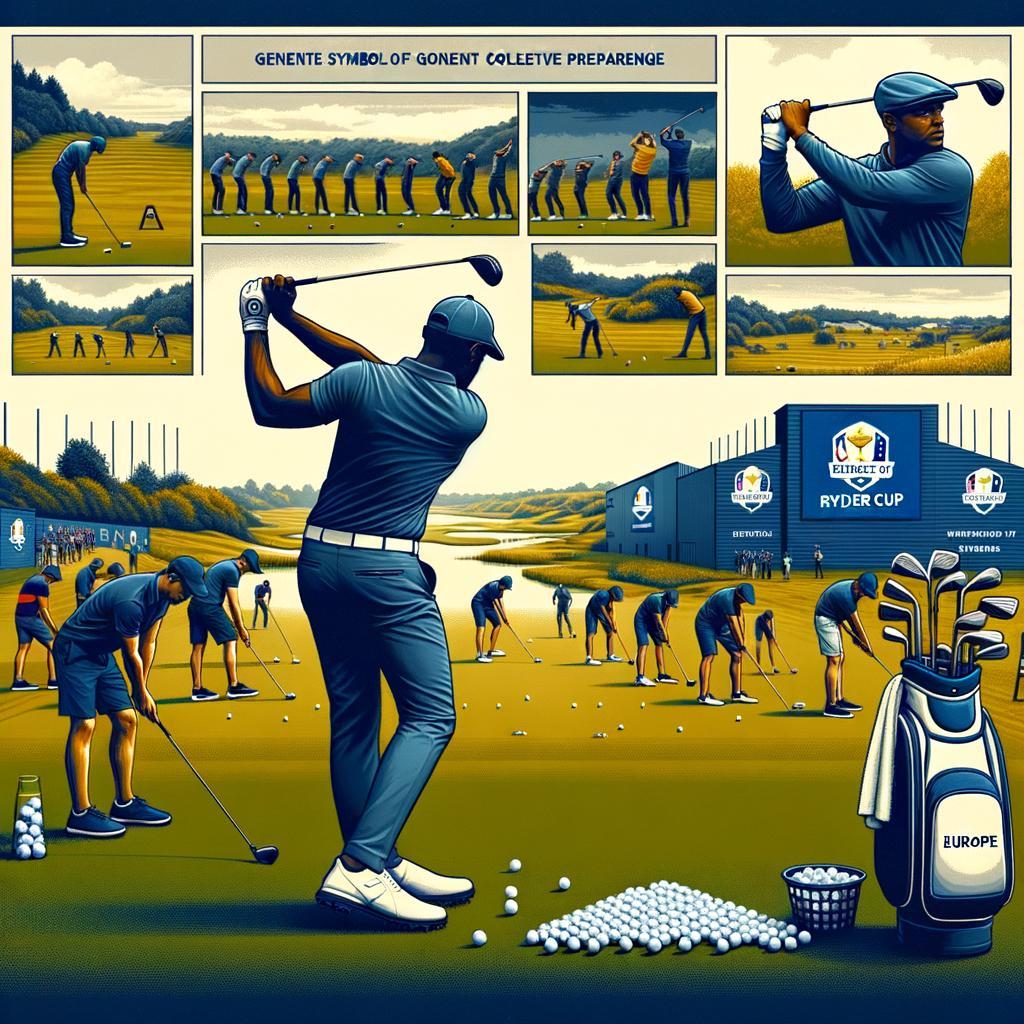
Inside Europe’s ryder Cup Secret: The Winning formula America Needs
Why Europe Consistently Thrives in the ryder Cup
The Ryder Cup is unique: match play intensity,team pairings (foursomes and fourball),passionate crowds and a three-day,five-session format that rewards cohesion,adaptability and clutch performance.According to the ryder Cup format, competition unfolds over five match-play sessions across three days - a structure that magnifies team dynamics and strategic planning.
Europe’s formula is not a single trick but a layered system built around:
- Match-play strategy and practice
- Purposeful team selection and early bonding
- Flexible course game plans and shot-shaping skills
- Psychological resilience and crowd management
- Smart captaincy and pairing chemistry
Match-Play mastery: Practicing How You Play
Match play differs from stroke play in risk/reward, momentum swings and opponent-centric decisions.European teams tend to emphasize match-play-specific practice weeks, pairing rotations, and alternate-shot (foursomes) reps. This leads to:
- Better tactical decisions in foursomes (when only one ball is played per pair)
- Smoother handoffs in fourball (partners supporting aggressive lines)
- Improved clutch putting under hole-by-hole pressure
Key Match-Play Training Drills
- Alternate-shot practice with scoring for each hole to simulate deixis.
- Fourball ”mini-matches” with specific roles (aggressor vs. stabilizer).
- pressure putt circuits – the losing team must carry a small consequence (e.g., extra warm-up sprints) to simulate stakes.
Team Chemistry and Culture: The Glue That Wins Cups
Europe’s selection process often places value not only on ranking points but also on personality fit and prior team event performance - players who thrive in the Ryder Cup surroundings are prioritized. team-building starts early, with shared meals, practice sessions, and social activities that build trust and the ability to support teammates during momentum swings.
What this creates:
- Emotional resilience – teammates pick each other up after bad holes
- On-course dialog – partners know who should be conservative and who should press
- Shared identity – players see themselves as part of an interdependent unit
Captaincy & Selection Strategy: Leadership That Plans for Every Match
European captains frequently enough use their picks and pairings to maximize chemistry and cover weak points. The captain’s role extends beyond technical choices: it’s psychological – constructing lineups that build early momentum and protect against swing sessions where the opponent can turn the tide.
Captaincy Tactics Europe Uses
- Flexible Captain’s Picks: balancing current form and team fit.
- Pre-committed pairings practiced extensively weeks ahead.
- Using momentum-secure early points on Day 1 to shape opponent decision-making.
Course Setup, Shot-Shaping & Tactical Flexibility
European success often reflects a deep understanding of course architecture and the ability to shape shots under differing wind, firmness and green speeds. Whether playing links-style or parkland courses, European players practice trajectory control and spin management so pairings can choose risk-appropriate lines.
- Shot-shaping practice (fade, draw, low punch) for tee and approach play
- Short-game focus: recoveries from tight lies, wind, and rough
- Putting adaptability for varied green speeds and subtle undulations
practical Drill: The Wind & Bounce Block
- Spend 30 minutes hitting low punch shots into targets 120-160 yards away.
- Practice bump-and-run chips on firm fairways to replicate links-style bounces.
- Rotate players so each practices both aggressive and conservative shot roles.
Psychological Edge and Crowd Dynamics
Europeans excel at harnessing crowd energy and using the partisan atmosphere as fuel, not distraction.They cultivate a mindset where momentum shifts are invitations to seize chance rather then threats. This psychological planning includes pre-event visualization, role clarity for each player, and leader-driven rituals that stabilize the team during run-swings.
- Visualization routines for high-pressure putts and momentum reversal scenarios
- Clear role assignments (who plays anchor, who goes aggressive when trailing)
- Simulated noisy practice to prepare for crowd influence
Data & Analytics: Small Margins, Big Gains
Europe’s formula increasingly incorporates analytics for pairings and course strategy – not to replace intuition but to inform it. Metrics such as fourball scoring averages, birdie conversion from 15-25 feet, and alternate-shot hole-by-hole percentages help captains make evidence-based decisions.
| Metric | Why It Matters | Fast Use |
|---|---|---|
| Fourball Win % | Shows partner synergy | Prioritize pairings with high % |
| Foursomes Stability | Low variance scores in alternate shot | Create conservative pairings |
| Pressure Putting % | Clutch performance under stress | Decide anchor legs |
Practical Steps the USA Can adopt Right Now
America’s golf infrastructure produces top individual talent, but the Ryder Cup is a team event where subtle cultural and strategic differences matter. Here are actionable steps to bridge the gap:
- Start team-building earlier: host pre-Ryder Cup camps and social events weeks before competition.
- Prioritize match-play reps: inject alternate-shot and fourball training into tour events and national camps.
- Use analytics smartly: blend data on pair compatibility with captain’s intuition for picks.
- Assign clear roles: identify who is best as anchor, momentum-builder, or steady stabilizer.
- Simulate crowds: incorporate noisy practice and pressure drills to acclimate younger players.
- Flex captaincy style: captains should be adaptive-shifting strategies on momentum not ideology.
Weekly Practice Plan for U.S. Ryder Cup Preparation (Example)
| Day | Focus | session |
|---|---|---|
| Monday | Alternate-shot | 4x 9-hole matches, rotate partners |
| Wednesday | Fourball aggression | Role play: aggressor vs stabilizer |
| Friday | Short game & putting | Pressure circuits, 10-minute routines |
| Sunday | Team bonding | Strategy meeting + simulated loud crowd |
Case Studies: elements from European turnarounds
Across multiple Ryder Cups, European teams have turned deficit situations into wins through clear, repeatable behaviors:
- Reconfiguring pairings mid-event to exploit matchups.
- Using emotion (positive momentum) to lock down consecutive sessions.
- Applying conservative strategies to protect small leads and aggressive shifts when behind.
These tactical choices are replicable: they rely on preparation, trust in leadership, and the team’s ability to execute under pressure.
Benefits and Practical Tips for teams and Coaches
Adopting the European template yields tangible benefits:
- Improved team scoring in foursomes and fourball
- Faster response to opponent momentum swings
- Deeper bench performance and fewer surprises
quick Tips for Coaches
- Rotate pairings early in camp to discover chemistry – don’t wait to the first practice round.
- Record and analyze short-game pressure situations for each player.
- Bring in sports psychologists to build shared coping mechanisms for momentum swings.
Quick Reference: Europe’s Winning Formula (Cheat Sheet)
- Match-play rehearsal over stroke-play volume
- Selection for fit as much as form
- Captain-led momentum control via pairings and session planning
- Shot-shaping and short-game emphasis
- Crowd and psychological preparation
- Data-informed but intuition-guided decisions
Firsthand Implementation Checklist for U.S. Teams
Use this short checklist before the next Ryder Cup cycle:
- Schedule a 3-day pre-event team camp (practice + social).
- Mandate at least 6 alternate-shot and 6 fourball sessions across the season.
- assign performance roles and rehearse them in match-like conditions.
- Implement analytics for pairings but give captains final flexibility.
- Train with simulated crowd noise for clutch putts and momentum swings.
Europe’s ryder Cup secret is not mystical – it’s deliberate. It’s built on preparation tailored to match play, early culture creation, smart leadership, and the psychological readiness to convert momentum into points. For the USA, the pathway is clear: integrate these repeatable systems into team selection, practice design and leadership philosophy, and watch small margins compound into match-winning momentum.