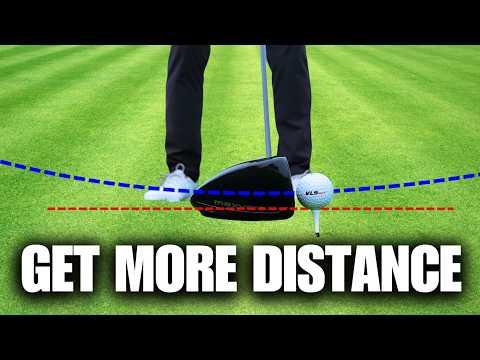
Optimize Golf Equipment: Master Swing, Putting & Driving
The right equipment and strategic thinking can transform your golf game. Precise club fitting, shaft selection, putter alignmentand understanding biomechanical principles can improve swing mechanics, putting accuracy, driving distanceand scoring consistency.
When to Use Your Driver Wisely
Much like choosing the right club for approach shots on long par 4s or tricky narrow fairways, deciding when not to use your driver is a crucial part of golf strategy. Many players find it smarter to opt for a 3-wood or an iron if they’re consistently missing their driver shots left or right. This tactical decision minimizes the chance of a catastrophic score and allows you to focus more on shot accuracy rather than distance alone.
Another key moment is when facing narrow fairways where precision over power is essential. The driver’s sweet spot can be hard to find under pressure,making it risky to use in tight situations. Instead,hybrids or fairway woods provide more forgiveness and directional control,reducing the chances of a costly bogey.
The mental aspect also plays a role. If you dread each swing with a driver due to fear of mishits, consider lowering expectations around distance in favor of increased consistency. Golf is all about patience,and sometimes playing smarter can make up for lost yardage.
To improve your ability to play tactically, start by incorporating setup drills that promote balance when hitting longer clubs. Position your feet slightly wider than shoulder-width apart for stability; this stance will come in handy whether you’re laying out with driver, 3-wood, or even long irons. Also, visualize the shot at least three holes ahead-is there enough roomor should a fairway wood be your go-to club? By practicing setup fundamentals and reading greens from afar, you’ll develop the confidence needed to choose wisely between power and precision on any given hole.
The Hidden Costs of Overusing Your Driver
Mastery lies in knowing when not to use your driver. While drivers might seem like a no-brainer for every hole due to their distance capabilities, misusing them frequently can lead to frustration and high scores.Consider this scenario: you’re facing a dogleg left par four with water hazards flanking the green. Your first instinct may be to grab your driver off the tee and try to power through, but such an approach could leave you in trouble.
Instead of reaching for the driver, using an iron can place the ball strategically on the fairway, leaving you with a clean look at the green. A key aspect is considering the hole’s width and angles relative to your natural swing mechanics. If you have a habit of slicing, attempting precise shots off the tee might mean using an iron or hybrid for better placement.
To integrate this strategy effectively, start by assessing holes’ characteristics before playing them. Identify which tees allow easy runs at the green versus those that tempt aggressive driver shots but come with hidden challenges like tight lies or tricky pin placements.Practice using different clubs off the tee on your courses’ longest par threes and shorter par fours in practice to familiarize yourself with various club distances.
trust your mental resilience to stick with these strategic decisions during rounds. Confidence in hitting precise irons off the tee can make shots that would otherwise spell disaster into routine plays-thereby transforming challenging holes into manageable ones and ultimately improving scoring potential.
Navigating Greens with Precision
When navigating unpredictable terrains, knowing when to rely on your driver is as crucial as deciding which club to use for tricky pitch shots near the green. Distance is beneficial on par 4s that play longer than 350 yards or par 5s where the fairway lies wide and straight. However, using a driver off the tee can backfire when accuracy is more vital than distance.
Beginners might struggle initially with mastering the full swing necessary for driving clubs effectively.For those still honing their basics, start by practicing half-speed drives onto different targets from 150 to 200 yards away. This builds confidence in judging distance and hitting sweet spots consistently without adding excessive strain.
To improve your swing mechanics for driving off the tee, set up correctly with feet shoulder-width apart and hips square to the target line. Keep hands slightly ahead of the ball at address and visualize a smooth takeaway as you hinge wrists back smoothly. As you transition into the downswing, rotate body downward while holding proper posture until follow-through.
One common mistake among golfers looking for distance is over-swinging or trying to reach beyond physical limits. This frequently enough leads to shots that fade off-line or fly high and weak.Instead of focusing solely on power, focus on perfecting ball striking. Spend time assessing your swing path with an alignment stick to ensure you are not slicing unintentionally due to poor shoulder rotation.