Understanding Why Your Slice Happens and how to Diagnose It
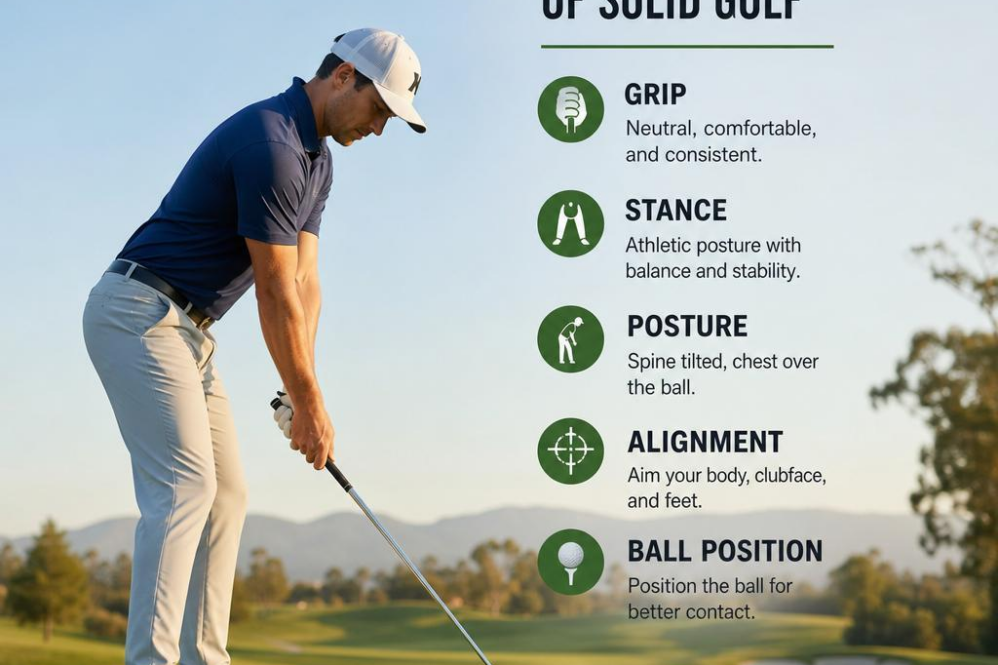
A slice typically results from an outside-to-inside swing path combined with an open clubface at impact, causing the ball to spin clockwise (for right-handed players) and curve dramatically to the right. to diagnose this, start by evaluating your setup and grip, as these fundamentals heavily influence clubface control and swing direction. Check that your grip pressure is firm but relaxed and that your hands are positioned to promote a slightly closed or neutral clubface rather than an open one. alignment is equally crucial; your feet, hipsand shoulders should be square or marginally closed to the target line to help encourage an inside-to-square swing path. Use alignment sticks or clubs placed parallel to your target line during practice to reinforce proper body positioning. These setup checks establish the foundation necessary to correct swing flaws that contribute to slicing.
Next, focus on swing mechanics through drills that promote an inside-to-out path and facilitate closing the clubface through impact. A highly effective drill is the “baseball swing” drill, where you swing the club more like a baseball bat, emphasizing swinging around your body rather than across it. This helps prevent the common over-the-top move that creates a slice.Additionally, work on rotating your forearms through impact to square or slightly close the clubface, as timing forearm rotation to align with the downswing arc can drastically reduce sidespin. Advanced players should experiment with reducing the clubface’s loft by 2-3 degrees at impact, which can be measured using a launch monitor or app to analyze ball flight data. Incorporate impact tape or foot spray on the clubface to get feedback on where the ball strikes. Mastering these swing adjustments allows for better shot shaping and fosters confidence on course.
integrate your slice correction efforts into course management practices to ensure consistency under real playing conditions. When faced with tight fairways or challenging wind angles, consciously select targets that allow you to swing more naturally without overcompensating for your slice.Such as, aim slightly left of the fairway to accommodate a gentle fade or practice hitting controlled draws on the driving range to develop dual shot-shape options. Weather factors such as crosswinds can exaggerate slicing tendencies, so focus on ball position adjustments – typically moving the ball slightly back in your stance promotes greater control by reducing dynamic loft at impact. Use a combination of pre-shot visualization, deep breathingand tempo-focused drills to maintain a smooth, repeatable swing rhythm under pressure. By marrying technical swing fixes with smart strategic decisions, you equip yourself to lower scores and fully enjoy the game.
- Practice drills: baseball swing drill, forearm rotation timing, impact tape feedback
- Setup checkpoints: grip pressure, square alignment, ball position relative to stance
- Course strategy tips: target selection with slice compensation, shot-shaping on range, tempo maintenance in wind
Unlocking the Power of Grip and Stance Adjustments for a Straighter Drive
Achieving a straighter drive begins with understanding the subtle yet powerful impact of grip pressure and hand placement.A common culprit behind slicing or hooking is inconsistent grip tension or positioning, which alters clubface angle at impact. For beginners,focus on holding the club with a moderate grip pressure-firm enough to maintain control but relaxed enough to enable smooth wrist hinge. Position the hands so that the “V”s formed by the thumb and forefinger point slightly towards the right shoulder for right-handed golfers, promoting a neutral or slightly closed clubface. Advanced players can refine this by experimenting with slight grip strengthening or weakening to influence shot shape intentionally. Practicing this can be aided by the Gate Drill, where you place two tees slightly wider than the clubhead outside the ball path to train consistent clubface alignment through the hitting zone.
Equally critically importent is stance setup,which directly affects swing path and ball flight trajectory. Begin with feet shoulder-width apart, toes pointed slightly outward to accommodate a balanced weight shift. Align your body parallel to the target line,ensuring your shoulders,hips,and feet form a solid,squared base.For slice correction, adjusting the stance by closing it marginally-rotating the back foot inward about 5-10 degrees- encourages an inside-out swing path, mitigating an over-the-top motion that leads to slicing. During practice sessions, use alignment sticks on the ground to visually check and maintain this position consistently. incorporate situational practice by simulating crosswinds or uneven lies to understand how grip and stance interact with external factors, preparing you for varied course conditions and enhancing shot adaptability.
Integrating grip and stance adjustments into your regular training routine yields measurable progress when combined with targeted drills and feedback analysis. One effective routine for all skill levels is the Slice Correction Drill, which emphasizes swinging along the body line with a square clubface meeting the ball at impact. Use video recording or launch monitor data to track changes in clubface angle and swing path over time, aiming for clubface alignment within ±2 degrees at impact and a swing path that resembles an inside-out arc. Remember, consistency in setup promotes confidence and repeatable results, which directly influence scoring by reducing penalty shots from errant drives. By dedicating practice time to mastering these fundamentals,golfers enhance both technical skill and mental composure,learning to adapt dynamically to course strategy demands and ultimately transforming overall driving performance.
Simple Swing Drills That Build Muscle Memory and Eliminate Your Slice
Developing muscle memory to eliminate a slice begins with mastering a consistent and repeatable swing path. Start by focusing on your grip and setup: ensure your lead hand grip is neutral, not overly strong or weak, to promote square clubface control at impact. Position the ball slightly forward in your stance-about one ball width inside your lead heel-to encourage an inside-out swing path. A simple drill to internalize this path is the gate drill, where you place two alignment sticks or clubs just wider than the clubhead on the target line, requiring the club to swing through without touching either stick. This promotes a more controlled,inside-to-square release,critical for correcting slicing tendencies. Practicing this drill slowly with a mid-iron before progressing to the driver helps build confidence and ingrains a smoother takeaway and downswing sequence.
Once the swing path is addressed, focus on clubface control through impact. A sliced ball often results from an open clubface or improper release.Use the toe-up to toe-up drill during your takeaway and follow-through to synchronize the club’s rotation with the swing plane. Begin slow and emphasize feeling the clubface square as it approaches waist height on the backswing and again in the finish. Integrate this with slow-motion swings to develop a consistent wrist hinge and timely release, which helps square the clubface at impact. On the course, this translates to straighter drives, enabling you to confidently attack tight fairways or adjust lines around hazards without fearing errant slices.
Lastly, incorporating rhythm and tempo into your practice routine fosters fluidity and reduces slicing mishits caused by rushed or jerky motions. Utilize a metronome app or count “1-2” during your swing to establish a steady tempo, aiming for a smooth backswing tempo ratio of about 3:1 relative to your downswing. Combining this with targeted drills like the pause at the top drill helps reset your timing, ensuring correct sequencing of lower body rotation followed by upper body and club release. These fundamentals are vital across all skill levels, with beginners gaining precise control and advanced players sharpening consistency under pressure. Remember, consistent tempo and muscle memory empower smarter course management, enabling you to strategically place drives and optimize scoring opportunities by minimizing penalty strokes from errant slices.