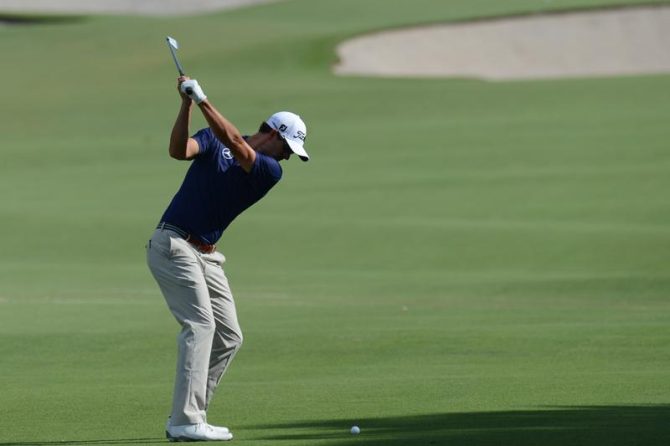
Precision in equipment selection and professional fitting often determine on-course results yet remain overlooked by many players. Club properties-shaft flex and torque, loft and lie, head geometry and mass distribution, plus putter shape and alignment-interact with a golfer’s body dimensions, neuromuscular timing, and movement patterns to shape swing mechanics, launch conditions, ball roll, and ultimately scores. This article compiles insights from club engineering, applied biomechanics, and performance testing to present a practical, evidence‑based approach for tuning clubs across the game: long‑game driving, iron and wedge control, and putting.
Framing fittings and shaft choices through a biomechanical lens highlights that equipment acts as a set of task constraints rather than fixed specifications. Matching club attributes to an individual’s tempo, release timing, and body proportions reduces variability in launch angle, spin and dispersion, and improves energy transfer from body to clubhead. On the green, putter alignment and mass distribution couple with stroke mechanics to determine initial direction and launch speed-critical for reading breaks and controlling distance. Below we review empirical patterns of how gear influences these variables and outline the mechanisms by which proper fit increases repeatability and scoring performance.
This synthesis combines laboratory motion analysis, real‑world performance data, and industry fitting workflows so theory translates into practice. Diagnostic triggers guide decisions on shaft stiffness, club length or lie adjustments, head selection, and putter weighting-paired with measurable tests (launch monitor outputs, tempo profiling, and stroke‑path evaluation). Short case examples demonstrate how targeted changes can add meaningful carry without losing accuracy, tighten approach proximity via trajectory control, and reduce three‑putts by aligning putter choice to stroke type.
By treating equipment optimization as an individualized, biomechanics‑driven process, this guide gives coaches, clubfitters, and committed players a decision model that blends evidence, quantifiable fitting outcomes, and player constraints to improve on‑course results and consistency.
Foundations of High‑Precision Club Fitting: Body Measurements, Swing Patterns, and Performance Targets
High‑precision club fitting starts with a focused inventory of the player’s anthropometrics and how those measurements translate to equipment choices and scoring outcomes. record standing height, wrist‑to‑floor measurement, arm span, hand circumference, and shoulder width; these data points inform starting decisions on shaft length (standard ± 0.5 in steps), grip diameter (small/standard/oversize in roughly 1-3 mm increments), and lie angle orientation. Static checks using a tape measure and a lie board are useful initial steps, but always confirm settings dynamically with a launch monitor because the moving swing often changes the effective geometry. as a practical guideline, alter lie angle in ~1° steps (each degree typically shifting mid‑iron lateral landing by about 2-3 yards), and verify loft progression so iron gaps stay consistent (aim for 3-4° steps between irons and 4-6° for wedges). Novices should prioritize correct length and a neutral lie to foster centre contact; more advanced players can dial in shaft flex, kick point, and swingweight for preferred trajectory and feel.
Next, incorporate swing kinematics into every fitting-identical clubs behave differently for varying motions. Quantify shoulder rotation on the backswing (roughly 85-100° for a full swing), hip turn (~35-50°), X‑factor (shoulder‑to‑pelvis separation typically 20-45°), and attack angle (drivers commonly +1° to +3°, long irons -2° to -4°, wedges -4° to -8°).Measure clubhead and ball speed to calculate smash factor and guide shaft flex selection: recreational males often sit in the 85-100 mph driver bracket,while low‑handicappers and pros commonly exceed 100-110+ mph. Use these kinematic markers to set a dynamic‑loft target at impact-irons generally aim for dynamic loft that produces a desirable launch and spin profile (approximately 18-25° depending on club and shot shape). To improve these metrics, follow progressive drills that emphasize sequencing and low‑point control: a slow‑motion X‑factor rotation drill, impact‑bag work to teach forward shaft lean, and an alignment‑stick plane drill to lock in a repeatable arc.
Make performance objectives explicit, measurable, and connected to practice and course strategy. Capture baseline metrics-clubhead speed, ball speed, carry, spin rate, launch angle, and dispersion-and create staged goals such as: reduce 7‑iron lateral dispersion to ±12 yards within 8-12 weeks, achieve 50% of wedge shots inside 15 feet, or boost GIR by 10-15% over a season. Support these aims with structured routines and checks:
- Setup checkpoints: neutral grip, ball positions (driver: just inside lead heel; 7‑iron: mid‑stance), posture (spine tilt ~20-25°), and stance width (driver ≈ shoulder width; short game narrower).
- Practice drills: gate drill for path control, towel‑under‑armpit for connection, three‑club swing ladder for distance feel, and pressure putting simulations (circle drill at 3/6/10 ft).
- Troubleshooting: if toe/heel strikes dominate, reassess shaft flex/length; if consistent pulls/pushes appear, revisit lie angle and face‑to‑path relationships.
Use launch monitor feedback and on‑course session logs to confirm that practice improvements carry over to scoring situations.
Short‑game precision and judicious shot selection bridge fitting and kinematics with scoring. Prioritize low‑point control for dependable iron strikes and learn various wedge bounce and grind applications: open‑face, higher‑bounce configurations (open ~10-15°) work well in soft sand or fluffy lies, while tighter, lower‑bounce setups suit compact turf. For trajectory control, train two repeatable techniques: a compact hands‑forward chip (bump‑and‑run) with limited wrist hinge for firm lies, and an open‑face, higher‑lofted lob technique with progressive wrist hinge for soft greens-practiced using a clock‑face distance drill to build consistent yardage increments (such as, a 60° wedge at 3, 6, 9 o’clock producing roughly 10-30 yd variations).In windy or firm conditions, play down-use 1-2 clubs less and compress the ball to lower spin; in soft conditions, opt for higher trajectory and increased spin to hold greens. These technical choices should inform course management: align risk level to scoring goals.
Design an integrated weekly plan and maintenance routine that respects learning styles and physical capability while focusing on measurable gains. A simple 3‑day microcycle could be: Day 1 technical range session (60 minutes: warm‑up, single‑plane repetitions, impact‑bag sets), Day 2 short‑game and putting (45-60 minutes: clock wedge, low‑face bunker work, 3‑ft conversions), and Day 3 on‑course simulation (play six holes with objectives: GIR targets, par‑saving drills, and wind‑adjusted club selection). Schedule equipment checks every 6-12 months-reevaluate loft/lie, shaft integrity, and grip size-and when improvement stalls, conduct a full dynamic refit using a launch monitor. Address common swing errors with clear corrective actions: casting → impact‑bag and wrist‑hinge timing work; early extension → wall drill to reinforce hip rotation; lie‑induced misses → remeasure lie on impact stamps. Couple this with a short pre‑shot routine and visualization practice (breath, target image, one mechanical cue). Blending anthropometric fitting, kinematic assessment, and targeted objectives helps golfers at all levels gain consistency, distance control, and lower scores.

Shaft Selection and Fine‑Tuning: Flex, torque, Kick Point – impacts on Launch and accuracy
The word “shaft” has multiple meanings outside golf (film titles, dictionary entries), but here we focus on the golf component and its role as the mechanical link between the body and clubhead.
key shaft attributes and fitting rationale: The shaft is the principal conduit of your swing motion to the head, so choosing the right mix of flex, torque, and kick point controls launch and dispersion. Flex grades-L, A, R, S, X-should be matched to driver speed and tempo: approximately <80 mph (L/A), 80-95 mph (R), 95-110 mph (S), and >110 mph (X), with tempo adjustments sometimes shifting these ranges. Torque (typically ~1.5-6°) governs twist under load and influences face rotation and feel. Kick point (low/mid/high) affects effective launch: lower kick points tend to raise launch and increase spin; higher kick points produce a flatter, more penetrating flight. For systematic fitting, gather launch monitor data-ball speed, launch angle, spin rate, and lateral dispersion-over at least 10 solid swings per configuration and look for consistent differences (e.g., >1° launch change or >10 yards lateral movement is meaningful).
How flex influences trajectory and dispersion – diagnosis and practice: Flex changes timing,shaft loading and release,and thus face position at impact. An overly soft shaft for a given tempo often yields higher launch, more spin, and a tendency to over‑release the face (hooks); an overly stiff shaft can suppress launch, lower spin, and leave the face open (fades/slices). Try these practical checks with an iron or driver on a monitor:
- Tempo normalization drill: use a metronome at 60-70 bpm to stabilize transition and test whether a softer or stiffer shaft produces steadier face control.
- Impact position test: hit groups of 10 trying to target toe vs heel contact to see how flex alters face rotation and dispersion trends.
- Headcover drill: place a lightweight headcover 2 in behind the ball and compare which flex yields the most repeatable center strikes.
Set concrete targets-reduce 10‑shot dispersion by ≥15 yards or tighten carry consistency to ±5 yards-and iterate: stiffen if you see low,weak open shots; soften if you can’t square the face and launch is too low.
Torque, shot shapes, and weather strategy: Torque affects shaft twist during the downswing and at impact and thereby initial direction and side spin.Low‑torque shafts (~1.5°-3°) deliver greater face stability and narrower dispersion for aggressive, high‑speed swingers and are notably beneficial in windy conditions. Higher‑torque shafts (~3.5°-6°) can feel more forgiving for slower swingers and may aid players who rely on tactile feedback to shape shots, at the cost of potentially wider dispersion in gusts.Drills to explore torque effects:
- Wind simulation: practice into a fan or on a breezy range and compare shot‑shape control using low‑ and high‑torque shafts.
- Face‑awareness: place alignment sticks and impact tape to practice holding a square face through a measured checkpoint (~30-40 cm before impact for short irons) and observe torque responses.
Course selection strategy: prefer low‑torque setups for links‑style, windy venues and slightly higher torque when calm conditions or feel‑based partial shots are required.
Kick point selection, set composition, and short‑game transfer: Kick point shifts trajectory across the set and should align with your set‑building goals. A low‑kick‑point driver can add ~1-2° of launch-helpful for moderate swingers needing carry-while mid/high kick points in long irons and hybrids produce firmer lines better suited to holding greens. Testing approach:
- baseline recording: log launch and spin across 6-8 clubs with current shafts.
- Isolate variables: change only kick point or only flex per session to isolate effects; expect about 0.5-2° trajectory shifts per meaningful kick change.
- Progressive tip stiffness: use slightly stiffer tip sections and higher kick points moving from driver → 3‑wood → long irons to retain control while preserving forgiveness in scoring clubs.
For short‑game carryover, remember that shaft stiffness and kick point affect feel on partial shots. Work 50-80 yard pitches to ensure distance control within ±5 yards. Rehearse preferred shot shapes and note which shaft configurations you trust under pressure to convert equipment tuning into fewer penalty strokes and tighter proximity to hole.
Designing Woods and Hybrids for More Carry: Loft,Face Tech,and Center‑of‑Gravity
Start with the physics: clubhead speed,dynamic loft at impact,and attack angle combine to determine carry and roll. For many amateurs, a target driver launch of 10°-15° with a spin range near 1,800-2,800 rpm produces optimal total distance-slower players often need to be toward the higher end of that spin band to maximize carry. align loft to mechanics: consider driver lofts of 9°-12° for swing speeds over 100 mph and 10.5°-14° for slower swingers. On a launch monitor, seek a smash factor of 1.45-1.50 for drivers and about 1.35-1.42 for fairway woods/hybrids. Reproducible setup cues to achieve consistent launch:
- Ball position: tee so the ball’s equator sits near the driver’s top line; for fairway woods/hybrids, slightly forward of center for sweeping strikes, back of center for a shallower turf interaction.
- Weight at impact: aim for roughly 60% on the lead foot for drivers to encourage a positive attack angle.
- Dynamic loft: allow modest positive dynamic loft (+1° to +4°) and avoid excessive static loft at address, which can spike spin.
Understand face construction and effective sweet‑spot placement. Modern heads use variable‑thickness faces and expanded high‑COR zones to preserve ball speed on off‑center strikes, but even the best technology can’t fully compensate for poor contact: off‑center hits reduce ball speed and alter spin dramatically. Improve contact quality with impact tape and lower‑compression practice balls and try these drills:
- Gate‑to‑gate impact: set alignment sticks to create a narrow path and hit 10‑shot sequences aiming for identical face contact.
- Smash factor pacing: swing at 80% while trying to maintain a high smash factor-this promotes compression and correct timing.
When testing heads, balance peak ball speed with acceptable forgiveness-an ultra‑hot face with narrow MOI may deliver peak numbers but lose average distance on miss‑hits. Confirm the club conforms to competition rules if you intend to use it in tournaments.
Center‑of‑gravity (CG) placement is a powerful design lever. Low‑and‑back CGs generally raise launch and add MOI (forgiveness), beneficial for mid‑ to high‑handicappers.Forward CGs reduce spin and tighten dispersion, suiting stronger players seeking trajectory control and shot‑shaping. For hybrids and fairway woods, prefer a slightly lower CG than irons to encourage mid‑to‑high launch (for example, a 19° hybrid launching ~20°-25°). When adjustable weights are available, experiment in short blocks (10-15 minutes) moving mass from back to toe/heel and note the trade‑offs between spin/launch and forgiveness for your swing.
Adapt technique to equipment rather than forcing a mismatched motion. For drivers, practice a sweeping motion with a slight positive attack angle (+1° to +4°) to reduce spin and increase roll when course conditions allow. Useful drills:
- Tee‑height experiment: change tee height incrementally and observe smash factor and spin-stop when smash factor flattens or declines.
- Step‑through tempo: swing slowly to impact and step through to rehearse weight transfer and maintain spine angle; perform 3 sets of 8 reps.
For fairway woods/hybrids, emphasize a slightly descending or shallow sweep depending on the lie: use a tee and progressively lower it to match turf shots. Common faults-wrist flip at impact (thin/high shots) or ball too far forward with hybrids (ballooning)-are corrected by maintaining wrist lag and moving the ball slightly back from an overly forward position.
Turn equipment and technique into on‑course strategy.choose lower‑spin,forward‑CG options for firm,downwind holes to amplify rollout; switch to higher loft/back‑CG woods when soft conditions or headwinds demand carry. Set measurable practice goals-e.g., increase average driver carry by 10-20 yards in 8 weeks by improving smash factor by 0.02-0.04 and reducing center‑face variability by 20% (measured with launch monitor or impact tape). Combine measured club testing, focused drills, and on‑course simulations so players of all levels gain distance without sacrificing accuracy or strategic scoring advantage.
how Shaft Length, Grip Diameter, and weighting Shape Swing Plane and tempo
Shaft length, grip size, and overall club weighting interact to determine swing radius, plane, and release timing. Shaft length changes the arc radius: modern drivers typically measure ~45.5-46.5 in, while irons shorten progressively (a standard 7‑iron is about 37-38 in). Every extra half‑inch increases arc radius and necessitates a corresponding change in shoulder tilt and posture to remain on plane. Longer shafts usually demand a smoother tempo and a somewhat more upright plane; shorter shafts permit a steeper plane and quicker sequencing.On setup, confirm lead shoulder tilt and spine angle make a reliable address triangle (hips, shoulders, shaft) and that ball position lines up with club length so the shaft follows the intended plane-commonly 5°-7° tilt toward the target for mid‑irons, slightly more for woods. When control matters more than distance-tight fairways, narrow landing areas-pick a length/lie that promotes reproducible setup and tempo over maximum yardage.
Grip diameter governs wrist action and forearm rotation-primary determinants of face control and release timing. Sizes-standard, midsize, and jumbo-should allow the lead index finger roughly a finger‑width of space between it and the palm as a tactile check. Too small a grip can encourage excess wrist collapse and hooking; too large can blunt release and produce pushes or fades. Aim for grip pressure around 4-6/10 (firm enough for control, light enough to allow natural rotation). Practical routines:
- towel‑under‑grip drill to promote light,fingertip contact;
- one‑hand slow swings (~60% speed) to feel release timing;
- short grip‑pressure blocks (10-15 shots) to internalize the 4-6/10 sensation.
These methods support beginner consistency and allow fine‑tuning for advanced shot shaping.
Club weighting-head mass, shaft weight, swingweight (e.g.,C9-D4 ranges),torque and kick point-affects system inertia and thus plane and tempo. A heavier head or higher swingweight increases the moment at the bottom of the arc, promoting hand lag and a deeper plane; a lighter head/shaft quickens transition and can raise the low point. As a notable example, moving an iron’s swingweight from D0 to D3 changes feel and may require a slightly longer transition to preserve plane. Training drills to adapt to weighting:
- metronome tempo practice (back:down ratio ~3:1,30-60 balls);
- weighted‑head swings (10-20 reps) to feel exaggerated lag and release;
- impact‑bag work to sense how head mass influences face closure through impact.
These exercises let players quantify and accommodate weighting differences while keeping a repeatable plane.
Integrate these factors into full‑swing technique and short‑game decision‑making.Shorter shafts and lighter swingweights around the greens can increase precision for chips and pitches-consider wedges 0.25-0.5 in shorter than matching irons for improved control. In wet or bunker conditions, a slightly heavier head and lower‑spin shaft can help the clubhead penetrate without excessive deceleration. Set measurable practice targets: reduce approach dispersion by 10-15 yards in 6-8 weeks or tighten face‑angle variance to within ±3° via launch monitor/video feedback. Avoid chasing distance through excessive length or grip tension; return to setup fundamentals-neutral grip, proper ball position, repeatable spine tilt-and validate changes with on‑course comparisons over matched lies.
Use a staged fitting and progression plan so equipment changes yield predictable gains, not random swings. Start with baseline metrics (swing speed, tempo ratio, impact face angle, dispersion) via a launch monitor and high‑speed video, then modify shaft length, grip size, and swingweight in controlled increments (≤0.5 in length; one grip size per change; swingweight steps of ~±1/2 letter). A sample 6-8 week block:
- weeks 1-2: validate ball flight with current clubs and tempo metronome work;
- weeks 3-4: implement one equipment change (grip or length) and perform 300-500 focused swings emphasizing impact alignment;
- weeks 5-6: verify on course, adjusting club selection for wind and run‑out vs carry preferences;
- weeks 7-8: finalize settings and set maintenance targets (e.g., increase fairways hit by 8-12% or reduce inside‑20‑ft putts by improving approach dispersion).
For players with physical constraints, shorter shafts and lighter grips preserve tempo and reduce compensations; for shot‑makers, slightly stiffer shafts or lower kick points can tame launch and spin while maintaining plane. Align equipment choices with mental confidence-trust in the gear smooths tempo and stabilizes plane-and ensure competition clubs conform to USGA/R&A regulations.
Putter Matching and Alignment: Face Angle, Toe‑Hang, and Balance for Your Stroke
Start by mapping mechanical relationships between the putter head and the stroke: the putter’s face angle at impact dictates the initial line, while toe hang and overall balance determine how the head rotates through the stroke.face angle is the striking face’s orientation relative to the target (measured open/closed at address and at impact) and ideally starts square to produce a straight initial roll. Toe hang-how much the toe drops when the putter balances on a finger-corresponds to the natural arc of the stroke. Rough classification:
- Face‑balanced (~0° toe hang) for true straight‑back‑straight‑through strokes;
- Slight toe hang (≈10°-20°) for small arcs;
- Mid toe hang (≈25°-35°) for moderate arcs;
- Full toe hang (≈40°-60°) for pronounced arc strokes.
Assess stroke type before changing equipment or alignment routines.
Match putter specs and setup to stroke characteristics. Shaft length,head mass,loft,and hosel configuration all influence face control and feel. Typical lofts range 2°-4° to promote a clean launch and early forward roll; head weights generally fall between 330-360 g and can be altered by ±10-30 g to tune tempo. Choose toe‑hang (~25°-40°) with rotational hosels (plumber’s neck, single bend) for arc strokes and a face‑balanced mallet or blade with center shafting for a straight stroke. Repeatable setup checks: ball slightly forward of center for consistent contact, eyes over or just inside the ball for stable sighting, light grip pressure ~2-3/10, and weight distribution ~50/50 to 55/45 forward for centered strikes.
Alignment and face control follow from equipment and setup. Use putter alignment aids (single/double lines, sight dots) that your eye naturally reads, then train to see a square face at address and maintain that at impact.On tricky green reads-fast slopes or a 10‑ft left‑to‑right putt-small face angle tweaks at address (≈1°-2° open/closed) can help start the ball on the correct line; large compensatory changes introduce speed and directional inconsistency. Drills that link visual cues with tactile feedback:
- Gate drill: set two tees just wider than the head and stroke through without touching (goal: no contact in 20/20 attempts).
- Mirror check: practice 50 strokes with the putter behind the ball against a mirror to confirm face returns square at impact.
- Toe‑hang clock test: balance the putter on a finger and rotate the grip down to visually categorize toe drop and match it to your stroke arc.
Structure practice with measurable progressions. Short‑term aim: make 30/30 two‑footers within a week. Medium term: hit 60% of 10‑footers during session practice. long term: reduce three‑putts per round by a targeted percentage (for instance, 30% over eight weeks). Prescriptions:
- tempo metronome set to a 1:2 backswing‑to‑forward ratio;
- distance control targets at 10, 20, 40 ft and record landing proximity;
- stroke‑conversion drills: deliberately vary arc depth and try putters with different toe hang to feel rotational changes.
Address common signs: a ball that consistently starts left (right‑hander) suggests a closed face at impact and an inside path; a ball that skids indicates strike below equator or excessive loft-only then consider equipment tweaks (slightly reduced loft, softer insert, or added head weight) after confirming stroke mechanics are sound.
Integrate putter choice with course tactics and the mental game. On fast or sloped greens, pick a putter/stroke pair that allows minute face‑angle changes without destabilizing the stroke-often a slightly heavier, face‑balanced mallet helps straight starts, while a toe‑hang blade supports arcing lines around crowns. Tactical guidelines: for lag putts >30 ft prioritize speed and use a pendulum stroke with minimal rotation; for 6-15 ft commit to line and rely on alignment aids and pre‑shot routine to reduce doubt. Keep these troubleshooting items handy:
- Pre‑shot checklist: confirm putter (toe hang vs face‑balanced), visual alignment, and two warm‑up strokes focusing on face square at impact.
- On‑green adaptation: if greens are faster than expected, reduce stroke length by ~10% and, if testing equipment, lower head weight by 5-10 g.
- Mental cue: select a start line and a speed target on the back of the cup-commit to one thought (line or pace) and execute.
With consistent measurement and alignment drills, players from beginner to low handicap can improve face control, alignment accuracy, and reduce three‑putts.
Combining Biomechanics and Equipment: Motion Analysis, Custom Adjustments, and Training Plans
Start with a structured motion‑analysis protocol to quantify kinematic sequence and launch data before prescribing equipment changes. Use a launch monitor to record clubhead speed (mph), ball speed (mph), launch angle (°), spin rate (rpm), and attack angle (°), and capture video at a minimum of 240 fps for swing‑plane and impact‑frame review; where available, 3D motion capture provides pelvis/torso rotation and precise X‑factor metrics. Baseline testing steps: set consistent ball position and posture, warm up to game speed, then hit a calibrated sequence of driver, mid‑iron and wedge shots while recording both ball‑flight data and body kinematics. key setup checkpoints:
- Neutral grip and address-hands slightly ahead of the ball for irons, shaft lean ~2-6° at address to encourage compression;
- Spine angle and tilt-maintain stable tilt and watch for lateral sway versus rotation in video;
- Pelvis‑to‑shoulder separation (X‑factor)-aim for a ample shoulder turn with controlled hip rotation (example ranges: pelvis ~40-60°, shoulders ~80-110° for full swings).
Interpret motion data to refine equipment: if the monitor reports high launch with excessive spin (>3,000 rpm) on the driver, reduce loft or try a lower‑spin shaft; if launch is low and spin is also low, consider adding loft, a softer tip profile, or a higher‑launching shaft. Adjust lie when impact stamps favor toe or heel-small lie tweaks can correct lateral misses without wholesale swing changes. Cross‑check shaft flex with clubhead speed: as a guideline, 85-95 mph driver speeds often suit Regular flex, 95-105 mph Stiff, and >105 mph Extra‑Stiff-temper these ranges to individual feel and tempo. Ensure any in‑round changes comply with the Rules of Golf.
Translate biomechanical findings into a training prescription that links technique and equipment. For example, if analysis shows late hip rotation and a steep downswing, prescribe drills to shallow the plane and correct sequencing: the step‑and‑rotate drill (step toward target at transition to encourage weight shift), impact‑bag work for forward lean and compression, and medicine‑ball rotational throws to build separation. Set measurable short‑term targets-reduce mid‑iron negative attack angle from −6° to −4° in 6-8 weeks, or increase driver clubhead speed by 3-5 mph in 8-12 weeks with combined technical and strength work. Progression: start with slow, groove‑focused repetitions (30-50 swings per session), add high‑quality weighted or plyometric training twice weekly, and retest launch‑monitor metrics every 3-4 weeks.
Apply the same integrative approach to the short game. Fit wedges for loft gaps and appropriate bounce/grind: choose higher‑bounce grinds (8-12°) for soft bunkers or wet turf, and lower bounce (4-6°) for firm surfaces and tight lies; maintain loft differentials of ~4°-6° between wedges. Prescribe drills for proximity and spin control: a landing‑zone routine of 12 shots to a common target from 25-50 yards aiming for a ±3‑yard window, and a spin‑variation drill that varies face angle and loft to learn trajectory control in different wind and turf conditions. Correct typical faults-excessive wrist lift in bunkers (teach stable wrists and an open face) and overreliance on loft to change trajectory rather than swing length and contact.
Use equipment‑informed biomechanics within course strategy and the pre‑shot ritual to convert technical gains into lower scores. Such as, if headwind reduces carry by 10-15% for a given launch/spin profile, play one or two clubs stronger and seek lower‑spin trajectories. Maintain a pre‑shot checklist (wind, lie, intended attack angle, landing area) and keep a log linking launch‑monitor data to on‑course outcomes to refine prescriptions. Troubleshooting:
- consistent toe impact-check lie and ball position;
- Excessive slice-analyze face‑to‑path relationship and address with grip/lie tweaks and release drills;
- Poor wedge distance control-verify loft gaps and implement the landing‑zone routine.
Objective motion analysis combined with custom adjustments and measurable training allows instructors to create individualized programs that raise technical level,short‑game scoring,and course management for all players.
Practical Use of Launch‑Monitor Data: Metrics, Interpretation, and Systematic Fitting
Begin any data‑driven fitting by establishing a stable baseline on a launch monitor so gear choices rely on numbers, not impressions.Record at least 8-10 full swings with the same ball model under consistent temperature and surface conditions (indoors: hitting mat with turf adapter; outdoors: flat short turf) to produce meaningful averages and standard deviations. Focus on core metrics: clubhead speed, ball speed, smash factor, launch angle, spin rate, attack angle, dynamic loft, and face‑to‑path. Factor environmental effects-each 10°F temperature change can alter carry ~3-4 yards; each 1,000 ft altitude typically adds ~2-3% carry-so contextualize numbers. Favor configurations that improve mean performance while reducing shot‑to‑shot variance rather than chasing a single outlier shot.
Use the interpreted outputs to match equipment to swing behavior. For drivers, prioritize energy transfer (smash factor ~1.45-1.50) while keeping spin in a window that maximizes carry and roll for typical course conditions (rough guideline: 1,800-3,000 rpm). If launch is low with high spin, raise loft 1°-2° or try a higher‑launch shaft; if launch is high and spin excessive, reduce loft or move to a stiffer/heavier shaft to tame spin. During testing, hold tee height consistent (driver: ball center ~½-2/3 of crown above top of the driver) and use a forward ball position and slight weight bias to encourage a positive attack angle (+1 to +4° for many modern players). Expect the attack angle to flip negative with irons (roughly -2 to -6°) to secure proper turf interaction and compression.
For irons and wedges, evaluate gapping and shot‑making through the monitor. Aim for 7-15 yard carry gaps between clubs depending on speed and course needs; target ±3-5 yard carry dispersion for scoring clubs. Wedge analysis should use spin rate and descent angle to pick loft and bounce: full wedge shots on medium greens often feature total spin around 7,000-10,000 rpm and descent angles enabling the ball to hold (~45-52°). If spin is low, try higher lofts, aggressive groove patterns, or a softer ball; if the ball releases too much, opt for less loft or more bounce on firm turf. Stabilizing drills:
- gate drill with a short iron for consistent low‑to‑high impact and a square face;
- divot pattern exercise (towel ~2-3 in behind the ball) to promote forward shaft lean and a downward divot;
- impact‑bag hits to feel compression and eliminate scooping that inflates spin/launch.
Adopt an iterative fitting workflow:
- Baseline-identify limiting factors (distance, dispersion, trajectory, spin);
- Systematic matrix testing-change only one variable at a time (loft ±1°, shaft flex/weight, length ±0.5 in,lie ±1°) and collect ≥8-10 shots per configuration;
- Analysis-prioritize combinations that raise average carry and reduce lateral dispersion rather than chasing peak numbers;
- On‑course confirmation-validate the selection across representative holes (e.g.,three par‑3s and two long‑iron approaches) to observe short‑game and recovery implications.
Avoid common pitfalls: overfitting to tiny samples (<5 shots), blaming spin on shaft when face angle/path is the cause, or changing multiple variables at once.Change one factor at a time to isolate cause and effect.
Turn launch‑monitor insights into long‑term instruction and course tactics. Use real carry numbers to set tee and lay‑up strategies-if average driver carry regularly falls short of a 260‑yard bunker, plan conservative lay‑ups to 230-240 yards. Alternate focused 20‑ball data sessions (tighten standard deviation) with on‑course scenario practice (windy 150‑yard approach requiring a low‑spin fade). Scale recommendations by skill: beginners should target consistent center strikes and forgiving heads, while low handicappers refine spin and trajectory for shot‑shaping and holding greens. Link mental cues to numeric targets (e.g., “launch ~13°” or ”attack angle +2°”) so measurable goals become reproducible actions under pressure.Iterative, data‑driven fitting plus targeted drills and course strategy yields measurable scoring gains and confidence.
Maintenance, Adjustability, and Long‑Term Performance: Loft/lie Recalibration, Shaft Aging, and Grip Replacement
Routine inspection of club geometry is essential for consistent ball flight. establish a baseline: measure loft and lie with a calibrated digital gauge during the off‑season and whenever you suspect changes (after binned shots, re‑shafting, or roughly every 12 months for typical players). Small adjustments matter-about 1° loft generally alters carry by ~1-2 yards with long clubs, and 1° lie can shift lateral landing by several yards depending on club and distance. Validate any recalibration using a controlled range test (same ball, tee height, and target) and record carry, launch, and dispersion with a launch monitor or consistent visual markers; this yields objective data to pair with coaching and course planning.
Shaft aging matters because shaft characteristics affect launch, spin, and dispersion. Over time micro‑fatigue can change stiffness and torque behavior, reducing ball speed or increasing shot scatter. Perform functional shaft checks at least every 100 rounds or annually for frequent players.Practical tests include measuring swing and ball speed on a launch monitor,comparing expected carry with actual,or using a frequency analyzer to detect stiffness changes. Consider re‑spinning or replacing a shaft when you notice progressive ball‑speed declines, unexplained spin increases, or erratic lateral dispersion.Advanced players may act on subtle shifts (0.5°-1.0° changes in effective dynamic loft or a frequency shift of 3-5 cpm), while beginners should wait for clear functional signs (distance loss or inconsistent directional behavior) before replacing parts.
Grip life and size influence technique and confidence-replace grips based on usage and conditions. Typical replacement windows: every 40-60 rounds, when tack diminishes or visible wear occurs, or sooner in humid climates or for daily players (every ~6 months). Evaluate feel, tack, and thickness; remember increasing diameter by one size reduces forearm rotation and biases toward a fade, while smaller diameters promote release and can encourage a draw. After regripping, perform re‑calibration drills:
- Setup checks: neutral grip pressure (~3-4/10), consistent hand placement, square face;
- Practice: 10‑minute alignment and half‑swing release drills, then 20 full‑swing shots per club to confirm ball flight;
- Troubleshooting: if hooks increase after thicker grips, focus on wrist hinge timing and lower‑body rotation rather than immediately reverting grip size.
Integrate loft/lie recalibration with swing coaching and course management. Use a lie board to quantify toe/heel bias and adjust in small increments (~0.5°). Such as, if a mid‑iron shows consistent heel strikes and pulls, try making the iron 0.5°-1.0° more upright and then test 30-50 shots to confirm improvement. Conversely, a slight flattening (~0.5°) can reduce hooks and produce lower, stronger trajectories for windy links conditions. Keep manufacturer tolerances (often ±4°) and conformity standards in mind and document each change-retest under controlled conditions so ball‑flight shifts reflect equipment, not fluctuating swings.
Weave maintenance into a long‑term improvement plan combining equipment work, technical drills and mental prep. Set measurable post‑change targets-reduce 7‑iron dispersion by 5-10 yards or improve wedge proximity by 15% within three months after a loft/lie or grip update.Embed equipment checks into lesson cycles: week 1 baseline launch‑monitor and grip inspection; week 2 targeted swing adjustments focusing on impact location; week 3 course simulation under pressure. Recommended practice:
- Impact‑location work with impact tape and lie board (30 impacts per club);
- Trajectory control series: 10 shots at three loft/lie settings (nominal, +0.5°, −0.5°) to internalize flight differences;
- Short‑game recalibration: 20 bunker and 30‑yard pitch repetitions after any sole or loft modification.
Regular inspection, objective testing, controlled adjustment, and targeted practice sustain equipment integrity, align technique improvements with outcomes, and build the confidence needed to convert better contact into lower scores on real courses.
Frequently Asked Questions
Note: the references provided with the original request did not include material on club fitting; the answers below synthesize standard industry practice in club fitting, biomechanics, and performance testing to complement the article “Master Golf Equipment: Optimize Clubs for Swing, Driving, Putting.”
Q1. what is the main purpose of club fitting and how does it change performance?
A1. Club fitting seeks to match and configure club attributes (loft, lie, shaft length/weight/flex, head geometry, grip size) to a golfer’s mechanics, body geometry, and goals. Proper fitting improves launch conditions (launch angle, spin), energy transfer (ball speed, smash factor), shot dispersion, and distance control-resulting in steadier scoring and fewer compensatory movements that can increase injury risk.
Q2. Which objective metrics are essential during a fitting?
A2. Core metrics include clubhead speed, ball speed, smash factor (ball speed ÷ clubhead speed), launch angle, spin rate (rpm), carry and total distance, lateral dispersion, attack angle, dynamic loft, and face‑impact location. Kinematic data (hip/shoulder rotation, tempo, swing plane) and club characteristics (shaft bending, torque, kick point) complete the picture.
Q3. How should shaft flex be matched to a player?
A3. Shaft flex should reflect swing speed,tempo,and transition characteristics. Faster speeds and aggressive transitions usually need stiffer shafts to control deflection timing; slower swings and smoother tempos generally benefit from more flexible shafts to maximize launch and ball speed. Testing a few flexes while monitoring outcomes is preferable to relying solely on speed thresholds.
Q4. Beyond flex, what shaft parameters matter?
A4. Consider shaft length, weight, torque (twisting under load), and kick point/bend profile (which affects launch). Heavier shafts can stabilize tempo but might reduce clubhead speed. Lower torque offers more stability on off‑center hits for fast swingers; kick point controls launch and spin and should align with flight objectives.
Q5. How do loft and face technology affect driving distance?
A5. Driver loft and face design determine initial launch and spin. The optimal combination maximizes carry and roll for a given attack angle and speed.Modern face constructions raise ball speed and sweet‑spot area,but loft must be individualized-higher lofts suit slower swingers,while stronger lofts favor high‑speed players seeking lower spin.
Q6. What role do dynamic loft and attack angle play?
A6. dynamic loft at impact combined with attack angle sets launch and spin. Drivers usually benefit from slight positive attack angles with appropriate dynamic loft to increase carry and reduce spin; irons require a negative attack angle for reliable spin and control. Fitting should aim for target launch/spin windows for each club.
Q7. What launch‑monitor targets guide driver fitting?
A7. Targets depend on the golfer, but fitters focus on maximizing smash factor, achieving launch and spin that yield optimal carry for the player, and minimizing dispersion. Rather than fixed numbers, fitters use individualized windows and adjust loft and shaft characteristics to refine launch and spread.
Q8. How should iron sets be built for scoring consistency?
A8. Build irons to provide even distance gaps,predictable trajectories and consistent feel. Aim for loft progressions that produce ~8-12 yard carry gaps between clubs for many players, maintain consistent shaft and length within the set, and tailor composition (e.g., stronger long irons vs hybrids) to the player’s approach strategy.
Q9. Best practices for wedge gapping?
A9. Create overlapping, predictable yardages across full and partial swings. Many players target 8-12 yards between full‑swing wedges and record partial‑swing yardages (50-110 yards). refine via launch‑monitor data and on‑course verification.
Q10. How should putter choice reflect biomechanics?
A10. Match putter to stroke arc,eye position,and face‑rotation tendencies. Face‑balanced putters suit straight strokes; toe‑hang models match arcing strokes. Putter length should allow relaxed posture and correct eye alignment; grip size affects wrist stability. Trial fitting using stroke analysis and repeatability metrics is recommended.Q11. What alignment and visual factors help putting accuracy?
A11. Combine consistent setup (eyes, shoulders, stroke path), a putter with a readable alignment aid, and a stroke that returns the face square at impact. Contrast, sightlines, minimal head movement and a stable lower body improve repeatability and aim.
Q12. How do biomechanics influence equipment choices?
A12. Body and movement (height, wrist‑to‑floor, arm length, swing plane, tempo) determine ideal shaft length, lie angle and grip size.Taller players typically need longer shafts and flatter lies; steep swingers may benefit from shafts/kick points that reduce launch and spin. Complete fittings include motion capture or high‑speed video to align equipment with the body‑swing system.
Q13.What testing protocol produces reliable fittings?
A13. Warm up to representative swings, use a calibrated launch monitor, test multiple configurations (ideally 15-20 solid swings per config to capture variability), record means and dispersion, favor setups that maximize repeatable performance, and validate selections on course.
Q14. How should fitters weigh distance against accuracy?
A14. Prioritize repeatability and approach consistency over marginal top‑end distance. For most golfers seeking lower scores, reduced dispersion and predictable yardages trump small gains in maximum range.
Q15. How frequently enough should golfers be refit?
A15. Reassess when swings change (mechanics, fitness), after 12-24 months for recreational players, when technology offers meaningful benefits, or after equipment wear (grips, loft/lie drift). Monitor ball speeds, spin and dispersion to know when refit is warranted.Q16. How significant is grip size/type?
A16. Grip size affects wrist action and release.Too small a grip leads to extra wrist motion and face rotation; too large restricts release and can reduce distance. Texture and firmness affect confidence, especially in wet conditions. Fit using hand measurements and swing observation.
Q17. Driver fitting for slower speeds-how to approach?
A17. Prioritize higher launch and sufficient loft to maximize carry, select shafts with softer tip/kick characteristics and lighter weights to encourage speed, use forgiving head designs with large sweet spots, and emphasize center‑face contact.
Q18. Common equipment selection misconceptions?
A18. Misconceptions include: (1) “stiffer is always better for better players”-tempo and transition matter as much as speed; (2) ”longer shafts always produce more distance”-excess length can hurt accuracy and energy transfer if it alters mechanics; (3) “new tech automatically lowers scores”-small ball‑speed gains may not offset worsened dispersion or feel.
Q19.How to validate fitting on course?
A19. Test over multiple sessions: confirm yardage gapping, assess dispersion from different lies and conditions, record approach proximity and scoring stats (GIR, up‑and‑down). Maintain a club‑by‑club log of distances and outcomes.
Q20. How to prepare for a professional fitting?
A20. Bring current clubs and a few practice balls, wear your usual shoes, arrive rested and warmed up, have clear objectives (distance vs accuracy vs shot shape), know any ball‑speed history, and be open to testing multiple setups. communicate physical limitations and playing preferences to the fitter.
summary and Next Steps
Optimizing golf performance through equipment is a multidisciplinary task that blends precise club fitting, shaft selection, and putter alignment with a player’s biomechanics. When clubs are matched to body measurements, swing dynamics, and launch tendencies, players can expect measurable improvements in swing mechanics, driving distance, putting reliability, and scoring consistency. Small, targeted adjustments-swingweight, loft and lie, shaft flex and torque, putter length and face alignment-deliver meaningful gains when grounded in objective data and confirmed on course.
Adopt an iterative, data‑driven process: perform a full fitting with motion analysis and launch‑monitor metrics, implement calibrated equipment changes, verify results under realistic conditions, and refine based on both quantitative data and subjective feedback.Prioritize the interaction between biomechanics and equipment-rather than treating components independently-to deliver lasting performance benefits. For advanced refinement, collaborate with a certified club‑fitter, a swing coach, and, when relevant, a sports biomechanist or physiotherapist.
Emerging tools-wearable sensors, machine learning models, and individualized simulations-are making predictive fitting more precise and promise further improvements in tailored equipment recommendations. Treat equipment optimization as an integrated, scientifically informed process and you’ll convert technical adjustments into consistent on‑course gains: improved reliability, distance, and scoring through informed, individualized choices.

unlock Your Best Game: How Custom Golf Equipment Transforms Your Swing, Driving & Putting
Why custom golf clubs matter: performance vs. off-the-rack
Most golfers buy stock clubs and expect instant betterment. While modern OEM drivers, irons and putters are excellent, they’re built to fit a broad range of players. Custom golf equipment-shaft selection, loft and lie adjustments, grip size, putter length, and head weighting-aligns gear with your unique biomechanics and swing dynamics. The result: more consistent swing mechanics, increased driving distance, tighter accuracy and steadier putting.
Core golf keywords to remember
- Custom golf clubs
- Golf club fitting
- Shaft flex and kick point
- Lie angle and loft
- Putter fitting and stroke type
- Launch monitor data (ball speed, launch angle, spin rate)
- Driver shaft, head weight, forgiveness
How customization improves swing mechanics
Equipment affects how you move. A shaft that’s too stiff or too soft can encourage over-the-top moves, casting, early release, or compensations that break down swing sequence. Customized gear reduces compensations so you can build cleaner motor patterns.
Biomechanical alignment and feel
- Shaft flex & kick point: Matches your tempo and transition,improving timing and reducing left/right dispersion.
- Shaft length: Affects posture, shoulder turn and swing plane; correct length encourages a repeatable arc.
- Grip size: Controls wrist action and grip pressure-too small causes flipping, too large can block shots.
- Lie angle: Proper lie promotes a square clubface at impact, improving direction control.
driving: dial in launch,spin and distance
Modern driver fitting is data-driven. A launch monitor measures ball speed, launch angle and spin rate-key metrics to optimize for maximum carry and control.
Key driver fit components
- Shaft Choice: Flex, weight and torque affect feel, launch and spin. Higher swing speeds often benefit from lower-flex, heavier shafts; moderate speeds often need mid-flex shafts with higher kick points for launch.
- Loft and face angle: Adjusting loft optimizes launch angle relative to swing speed. Many players get more distance with a slight loft increase if they launch too low.
- Head weighting (MOI & CG): High MOI heads increase forgiveness and reduce mishit dispersion; movable weights can shift ball flight toward draw or fade.
- Shaft length vs accuracy: Longer shafts can add clubhead speed but may reduce accuracy. Custom fitting balances length for distance without sacrificing control.
Practical driving drill for transferability
- Warm up with dynamic mobility for shoulders and hips.
- Using your fitted driver,hit 10 swings focusing on a smooth tempo-match your fitted shaft’s feel.
- Record ball flight with a launch monitor or phone-note dispersion and apex.
- Adjust tee height and stance to match the optimized launch angle until dispersion narrows.
Irons: consistency, shot-shaping and proximity
Irons are all about repeatability and spin control. Custom iron fitting focuses on loft gapping, lie angle, shaft flex and grip to improve contact and approach proximity.
Iron fit checklist
- Club length for posture and comfort.
- Lie angle to prevent toe/high or heel/low strikes.
- Shaft material (steel vs graphite) and flex to balance feel and trajectory.
- Loft and gapping to ensure consistent yardage intervals.
Putting: how a custom putter stabilizes stroke and lowers scores
Putting is the fastest way to drop strokes. Putter fittings focus on head shape, shaft length, lie, loft and weight to match your stroke type (arc vs. straight-back-straight-through).
Putter-fit elements that matter
- Putter length: Changes posture and eye line; too long/short alters shoulder rotation and stroke path.
- Head type: Blade vs mallet affects alignment and forgiveness; mallets often help players who need more stability.
- Loft & lie: Small loft adjustments control launch off the face and frist-roll behavior; lie angle aligns the blade to the target line.
- Head and shaft weighting: Affects tempo and the inertia of the stroke-heavier heads usually stabilize low-speed strokes.
Putting drill: tempo + feel
- With your custom putter, practice 20 putts from 6 ft focusing on consistent tempo (use a metronome or count “1-2”).
- Move to 15 ft and place a landing spot 3-4 ft past the hole-train distance control with the same tempo.
- Record left/right misses and adjust face angle or alignment aids on your custom head.
Case studies: real results from custom fittings
| Player Type | Problem | Custom Solution | Result |
|---|---|---|---|
| Club golfer (mid-handicap) | Left miss, low launch | Higher-lofted driver + mid-flex shaft | +18 yd carry, reduced left dispersion |
| Seniors (moderate speed) | Loss of distance | Light graphite shafts + higher loft irons | More carry, increased ball speed |
| Amateur putter | Inconsistent stroke, open face | Mallet putter with face insert, shorter length | Improved alignment, -2 putts/round |
Fitting process: what to expect at a professional club fitting
Most quality fittings take 60-90 minutes and use launch monitors (TrackMan, FlightScope, GCQuad) plus a variety of heads and shafts.
- Interview: discuss goals,shot tendencies and equipment history.
- Warm-up hits to establish baseline ball speed and swing speed.
- Data collection: measure ball speed, launch angle, spin rate, smash factor and dispersion.
- Trial and adjust: test multiple shafts, lofts and heads to find the best combination.
- final validation: confirm optimized settings across a full bag and record recommendations.
How to interpret launch monitor numbers
- Ball speed: Directly tied to distance-optimize with shaft and head for maximum smash factor.
- Launch angle: Key for maximizing carry. Lower swing speeds generally need higher launch.
- Backspin: Too much spin kills roll; too little reduces carry control.
- smash factor: Ball speed divided by clubhead speed-closer to the equipment’s max indicates efficient energy transfer.
Practical tips to maintain custom gear and transfer gains to the course
- Keep a log of fitted specs (shaft model, length, loft/lie, grip size) and carry it in your bag.
- Practice with the exact clubs you’ll use on the course-muscle memory is specific to equipment.
- Check grip wear and replace every 12-18 months; grip condition affects consistency.
- Re-check loft/lie after every season or if you change swing mechanics substantially.
Common myths about custom golf equipment
- Myth: Only pros need custom clubs. Reality: Recreational players often see the biggest percentage improvements.
- Myth: Custom fitting is just about shaft flex. reality: Loft, lie, head design, grip, and weighting are equally significant.
- Myth: More shaft length always means more distance. Reality: Too long can reduce control and clubhead speed consistency.
First-hand experience: what golfers report after getting custom clubs
Players commonly report:
- Straighter shots and tighter dispersion patterns.
- Crisper impact feel and improved contact consistency.
- Higher confidence on approach shots and putts due to better distance gapping.
- Immediate improvements in scoring-many see 1-3 strokes saved per round within weeks.
SEO-friendly FAQs (useful for snippets and fast answers)
What does a custom golf fitting include?
It typically includes swing analysis, launch monitor metrics, shaft and head trialing, and adjustments to loft/lie/grip. The goal is an equipment setup matched to your swing speed, tempo and shot tendencies.
How often should I get re-fitted?
Consider re-fitting when your swing changes,if you gain/lose significant speed,or every 2-3 years. Seniors or those in transition might benefit annually.
Is custom equipment expensive?
Fitting fees vary; custom shafts and modifications add cost, but the performance gains-better consistency, distance and lower scores-often justify the investment.
Actionable next steps
- Book a 60-90 minute fitting at a reputable fitter who uses a launch monitor.
- Bring your current clubs and be ready to discuss goals (distance, accuracy, forgiveness).
- Use the fitter’s recommendations to create a prioritized shopping plan-start with the driver, then irons, then putter.