Mastering the Fundamentals Behind Common Missed Shots
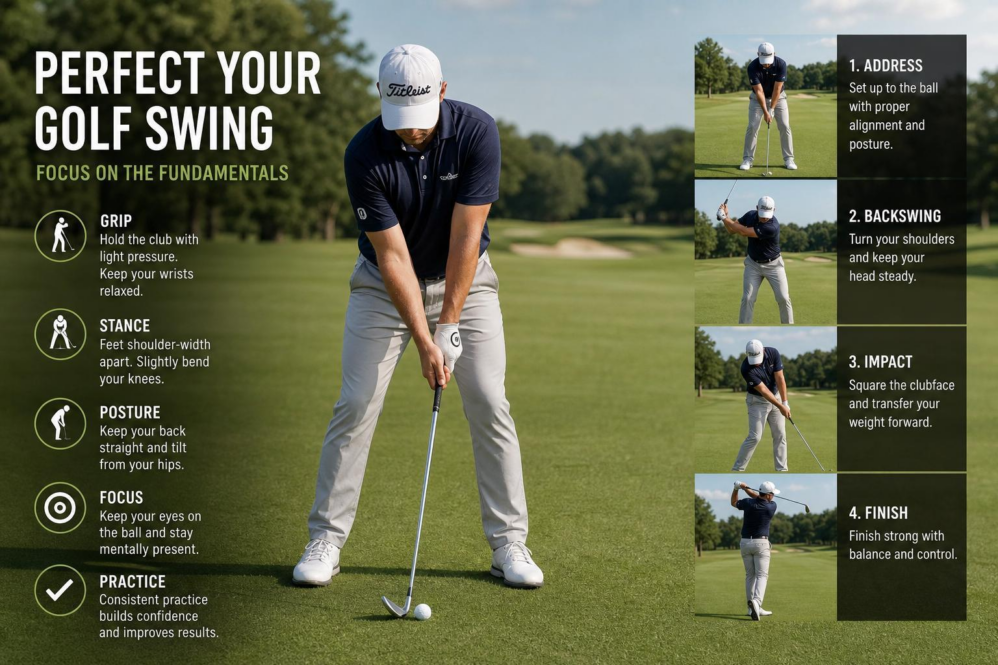
Understanding the root causes behind common missed shots is instrumental in transforming inconsistencies into repeatable success. Many golfers struggle with slices, hooks, or fat and thin strikes due to flaws in setup and swing mechanics. Start by focusing on a proper address position: ensure feet are shoulder-width apart, knees slightly flexed, and the ball positioned relative to club type-typically just forward of center for irons and more forward for woods. Aligning the shoulders, hips, and feet parallel to the target line helps promote a square clubface at impact, which dramatically reduces directional misses. Additionally, check grip pressure and grip position; gripping the club too tightly can restrict wrist hinge, while an improper grip can cause the clubface to open or close at impact. By incorporating these basic setup checkpoints into a pre-shot routine, golfers of all levels build a solid foundation for consistent ball striking and fewer missed shots.
Once setup basics are dialed in, refining swing path and clubface control becomes the next priority. Many mishits stem from an over-the-top swing plane, leading to pulls or slices, or an excessively inside path causing hooks or blocks. To address these, practise drills that promote an on-plane takeaway and proper sequencing of body rotation:
- Use alignment sticks placed just outside the target line to feel the correct swing path during practice swings.
- Incorporate the “pause at the top” drill to encourage correct wrist hinge and prevent casting.
- Record your swing to analyze clubface angle at impact,aiming for a square face to the path to minimize curvature.
For shot shaping, understanding how slight wrist release adjustments and body rotation influence ball flight empowers you to manage misses strategically on the course. such as, a controlled draw can help navigate tree-lined fairways, while a fade may assist in holding greens that slope from left to right.
Incorporating course management techniques to cope with inevitable misses elevates your scoring potential significantly. when faced with challenging wind conditions or uneven lies, adjust club selection and target lines to compensate for environmental variables rather than forcing aggressive shots that magnify errors. Practice drills emphasizing partial swings and trajectory control, such as hitting 7-iron shots at varying lengths (50%, 75%, 100%), build confidence in distance gaps and promote better contact under pressure. additionally, focusing on short-game fundamentals-like consistent setup for chips and pitches, maintaining a firm lower body, and accelerating through impact-helps minimize scoring damage from missed greens. By blending mechanical improvements with strategic decision-making, you create a resilient game plan that maximizes scoring opportunities even when swings are less than perfect.
Unlocking Your Putting Potential with Simple Adjustments
Mastering the subtleties of putting begins with establishing a consistent and balanced setup. Emphasizing a slight forward shaft lean of about 3 to 5 degrees helps promote a smooth, downward strike that compresses the ball rather than skimming it across the surface. Positioning the ball just forward of center in your stance allows the putter’s sweet spot to make clean contact, essential for maintaining speed control and directional accuracy. Incorporating an intermediate anchor point, such as a focus on keeping your eyes directly over or just inside the ball’s line, improves your visual alignment and depth perception.Practicing these fundamentals with slow, deliberate strokes on flat practice greens builds muscle memory and confidence, laying a strong foundation for executing precise lag putts and delicate tap-ins alike.
Once the basics are dialed in, golfers should refine their ability to read greens effectively by integrating manageable break analysis into their routine. Instead of attempting to memorize complex slopes, visualize the putt as two separate sections: the starting direction off the face (aim line) and the adjustment based on slope and green speed.Using the method of “aiming for the high side” and allowing the ball to track down breaks encourages smoother execution under pressure. For example, on a moderately sloping green with a 3% grade, aiming approximately 12 to 18 inches uphill from the hole can correctly compensate for lateral deviation caused by the slope. Incorporate drills like the “circle drill,” which helps develop a feel for speed and break by practicing putts of varied lengths from multiple angles around the hole. This breaks down complex green reading into manageable components,ideal for both beginners learning pace and advanced players polishing their course strategy.
Optimizing your putter and grip choices can further unlock your potential by catering to personal stroke tendencies and course conditions. For golfer types who struggle with twitchy wrists or inconsistency, a mid-mallet or blade putter with a slightly heavier head can provide improved tempo and feedback, encouraging a pendulum-like motion. Additionally, employing a grip with added diameter-such as a pistol grip-can reduce tension in the hands and promote smoother accelerations through impact.Importantly, adapting your practice regimen to include “manage misses” thinking helps you strategically accept and control imperfections rather than striving for unattainable perfection.Aim for consistent distance control on 20-to-30-foot lag putts-an area where most strokes can be saved-and focus on skulking your misses within a 3-foot radius for easy tap-ins. Such targeted improvements translate directly into lower scores by reducing three-putts and building confidence across a variety of green speeds and weather conditions.
Driving with Confidence Learn to Correct Your Swing Flaws
Mastering a reliable drive starts with establishing a solid setup that supports an efficient and repeatable swing. Begin by positioning the ball just inside your left heel (for right-handed golfers) to encourage an upward strike through the ball, optimizing launch angle and spin rate. Ensure your spine angle is slightly tilted away from the target-around 5 degrees-to promote an in-to-out swing path, which helps reduce slices and encourages draw shots. from here, focus on maintaining a relaxed grip pressure, roughly the equivalent of holding a tube of toothpaste without squeezing, which minimizes tension and promotes fluid arm rotation. Incorporate alignment sticks or visual markers during practice to verify your feet, hips, and shoulders are parallel to the target line, a fundamental step frequently enough overlooked that leads to consistent ball striking.Small adjustments in stance width-about shoulder-width apart-can offer better balance and power generation without compromising control, vital for all skill levels from beginners to advanced players.
Correcting swing flaws requires deliberate practice with awareness of body mechanics and timing. One common mistake is an early release, where the wrists unhinge prematurely, resulting in loss of clubhead speed and inconsistent contact. to counter this, try the “lag drill”: pause your downswing momentarily when your hands reach waist height and feel the tension in your trailing wrist before accelerating through impact, helping to retain stored energy until the perfect moment. another key to powerful, accurate drives is proper weight transfer-aim to shift approximately 60% of your weight onto your front foot at impact. Use slow-motion video analysis or training aids like weighted clubs to build muscle memory and improve sequencing. Additionally, focus on managing misses by developing a shot shaping arsenal; for example, if your default drive tends to fade, practice intentional draws by slightly closing the clubface and adjusting your swing path. This knowledge becomes especially useful in course management, where strategic shot placement off tees can avoid hazards and set up shorter approach shots, ultimately lowering scores.
beyond technique, confidence behind the driver requires mental preparation and routine. Establishing a consistent pre-shot routine reduces pressure and improves focus under varied conditions such as windy days or tight fairways. Incorporate visualization by imagining the desired flight path and target landing zone just before your swing,linking mental imagery to physical execution. Equipment selection also plays a role-ensure your driver’s loft suits your swing speed; as a notable example, golfers with slower swing speeds (under 85 mph) frequently enough benefit from higher lofted drivers (10.5-12 degrees) to achieve better carry distance. Regularly schedule focused practice sessions emphasizing full swings with controlled tempo interspersed with targeted drills like tee height experiments and ballistic launch monitor feedback to set measurable goals, such as increasing carry distance by 10 yards or reducing miss-hits by 30%. By integrating biomechanical refinement,controlled practice,and strategic course play,golfers can confidently address swing flaws and turn their driver into a reliable scoring weapon.