Mastering the Quiet Hands Putting Drill for Greater Precision
Mastering the Quiet Hands putting drill begins with understanding it’s fundamental premise: minimizing needless wrist and hand movement during the putting stroke to increase precision and consistency. Proper setup is critical; position the ball slightly forward of centre in your stance, with your eyes directly over or just inside the ball to promote a pendulum-like motion. Keep the grip pressure light but secure to avoid tension, focusing on using the shoulders and forearms to rock the putter back and through. This controlled motion helps maintain the putter face square to the target line throughout the stroke, reducing side spin and enhancing roll quality. Practicing this drill on flat surfaces first allows golfers to ingrain the smooth, rhythmic path essential for dependable distance control in varied green conditions.
Incorporating the Quiet Hands drill into your practice routine involves a series of targeted exercises that build muscle memory and mental focus. Start by aiming for manageable distances between 6 to 12 feet, where precision outweighs brute force, and use alignment aids such as chalk lines or putting mats to reinforce a straight stroke path. Pay close attention to how small wrist movements affect ball direction; if you observe deviation,engage in slow-motion strokes emphasizing shoulder turn and minimal hand action. For more advanced players, introduce slight breaks and faster green speeds while maintaining the drill’s principles, challenging your ability to adapt the stroke in realistic course scenarios. Through consistent measurement of your putt outcomes-tracking roll distance variance and face-angle alignment at impact-you can quantitatively assess improvements and tailor practice goals for sustained progress.
Applying insights from the Quiet Hands putting drill on the course means more than technical refinement; it also enhances strategic decision-making under pressure. For instance, on sloped greens common in tournament play, stability of the hands prevents erratic putter face rotation, enabling confident adjustment for break and speed. When faced with varying weather conditions such as wind or moisture, maintaining quiet hands assists in striking a consistent ball roll, mitigating external disturbances.Instructors recommend pairing this drill with visualization techniques-imagining the desired line and pace-before executing the putt to synchronize mental clarity and physical control. For beginners, breaking down the drill into focused segments during practice rounds builds foundation, while low handicappers can use it to shave strokes by improving lag putts and reducing three-putt scenarios, directly contributing to lower scores and enhanced scoring strategy.
How Quiet Hands Improve Your Swing Rhythm and Driving Distance
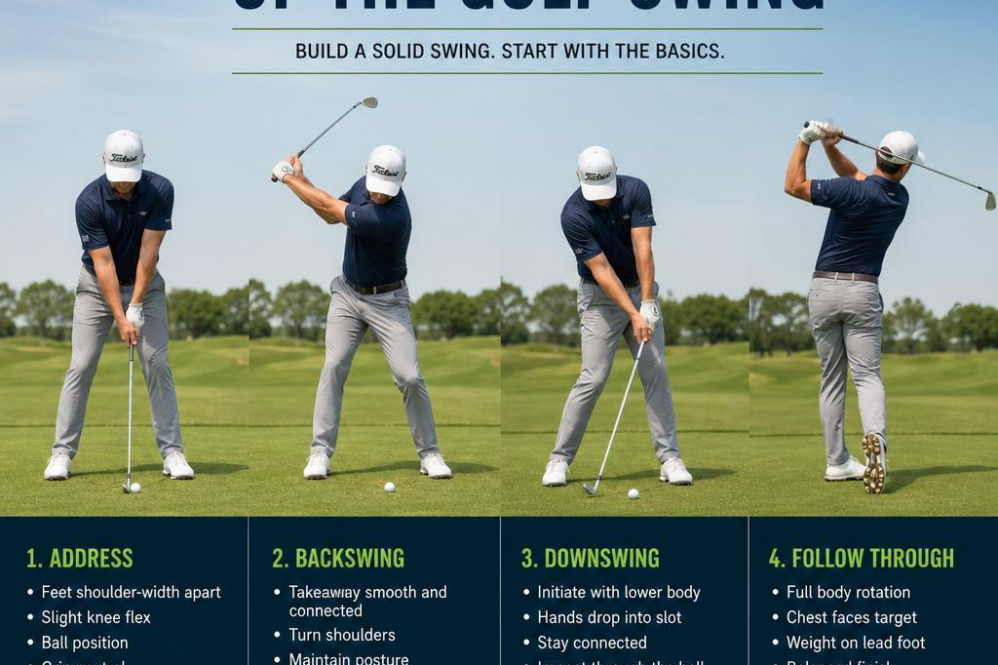
Maintaining quiet hands throughout your swing is fundamental to achieving a smooth rhythm and maximizing your driving distance. When your hands remain steady, they act as a reliable conduit between your body and the clubhead, reducing unnecessary wrist movement and preserving the intended swing plane. To develop this control, start with a putting drill where you focus on gently gripping the club with relaxed hands, feeling a steady connection but avoiding tension. On the course, this quietness translates to a more consistent tempo, which is often measured by the length of your backswing and downswing. A good rule of thumb is to keep your backswing duration roughly twice as long as your downswing-such as a 2-second takeaway followed by a 1-second downswing. Quiet hands help you maintain this tempo, ensuring that energy is transferred efficiently at impact for cleaner contact and increased ball speed.
Beyond rhythm, quiet hands contribute significantly to shot accuracy and distance by enabling better control over clubface angle at impact. Excessive wrist movement causes the clubface to open or close unpredictably, resulting in slices, hooksor inconsistent distance. To combat this, incorporate a simple grip-pressure drill: practice swinging with a pencil held between your palms using just enough pressure to keep it from falling. This encourages a steady grip that eliminates excessive hand manipulation through the swing. Additionally, paying attention to your setup is critical-ensure your wrists are “soft” with minimal set at addressand your grip pressure is firm but not tense. On windy days or challenging course conditions, quiet hands allow for subtle adjustments without overcompensation, helping you maintain trajectory and control, especially when shaping shots around hazards or into greens.
Improving hand quietness also enhances your short game by promoting cleaner strike and better feel, which directly impacts scoring potential. For beginners,start by practicing half swings with a focus on rhythm and hand steadiness,aiming for consistent contact 8-10 feet in front of your body. Intermediate and low-handicap players can refine their technique by integrating video analysis or using launch monitors to measure swing tempo and clubhead speed, setting specific goals like achieving a smooth 0.9 ratio of backswing to downswing duration and increasing driving distance by 5-10 yards. Remember, the mental aspect of keeping calm under pressure supports physical control-develop a pre-shot routine that includes deep breathing or visualization to keep your hands relaxed and your swing confident. Through consistent practice of these drills and playing smartly, golfers of all levels can harness quiet hands to improve both swing rhythm and driving distance while lowering scores across the course.
Step by Step Guide to integrating Quiet Hands Into Your Practice Routine
Integrating the quiet hands technique into your putting practice begins with establishing a stable, tension-free setup that encourages smooth, controlled motions. Start by adopting a cozy grip pressure-too tight, and the hands will involuntarily twitch; too looseand control diminishes. Position your hands so the thumbs rest lightly on top of the shaft, aligning the putter face squarely to your target line. When addressing the ball, focus on minimizing wrist hinge, as excessive movement there can cause inconsistent strokes and misreads on the green.A simple drill to internalize quiet hands is to place a small coin or tee under the grip and practice stroking back and through without letting the coin drop. This tactile feedback reinforces a stable hand position throughout the pendulum motion, helping even beginners feel the difference between relaxed and tense hands.
Once you’ve established consistency in your setup and stroke mechanics, it’s vital to contextualize quiet hands practice within real-course scenarios to develop course management and shot-shaping skills. On faster greens or when navigating subtle breaks, a steady, quiet hand movement allows for better distance control and directional accuracy, directly impacting your scoring potential. For example, try the “ladder drill”, where you place balls at incremental distances-3, 6, 9 feet-and focus on repeating a smooth stroke with quiet hands for each putt. This drill trains your muscle memory for precise speed control and helps tune your feel under various green speeds. When reading the green, combine this technique with a reading approach that considers slope, grain direction, and moisture conditions to execute putts that dive into the cup with confidence rather than guesswork.
To deepen your mastery of quiet hands and prevent common issues such as hand jerks during the forward stroke, incorporate mindfulness and breathing techniques into every practice session. This mental game approach reduces tension and promotes a calm routine that translates well across all skill levels. Advanced players can experiment by slightly adjusting putter loft-usually between 3 to 4 degrees-to optimize roll and responsiveness when using quiet hands, while beginners benefit from focusing solely on rhythm and tempo without rushing. Use feedback tools like video analysis or putting mats with alignment guides to track improvements and identify tendencies like premature hand acceleration. Ultimately, quiet hands is a cornerstone technique that connects the technical fundamentals of putting with subtle course strategy, empowering golfers to lower their scores by committing to purposeful strokes and refined green reading.