Master Your Golf Swing with Biomechanical Precision for Consistent Drives
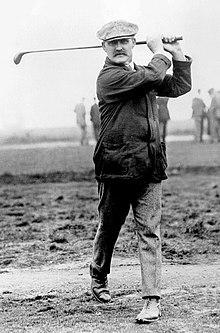
Achieving biomechanical precision in your golf swing begins with mastering a consistent **setup position** that promotes balance and repeatability. Focus on maintaining a **neutral spine angle between 120° and 135°** at address, with knees slightly flexed to enhance athletic posture. Ensure your grip pressure is firm but relaxed, allowing free wrist hinge through the backswing. During the takeaway, initiating the clubhead on a one-plane swing path aligned with your shoulder turn creates an efficient arc and improves accuracy.To develop this, practice slow-motion swings emphasizing a square clubface, a **shaft lean of approximately 15 degrees at impact**, and a follow-through extending toward the target. This biomechanical awareness helps regulate swing speed and direction, leading to consistent ball striking and more predictable ball flights.
To enhance driving distance while preserving control, integrate drills that build power through sequencing and kinetic chain efficiency. Exercises like the **pump drill**, where the hips lead the downswing before the arms engage, teach the feeling of initiating power from the ground up. Additionally,monitoring weight shift is critical; a correct swing transfers roughly **60-70% of the body’s weight onto the lead foot at impact**,optimizing force transfer without sacrificing balance. Incorporate practice sessions focusing on varied tee heights, adjusting from **1.5 to 2 inches** above the clubface center to fine-tune launch angle in response to wind or course elevation changes. Beyond physical mechanics, combining these insights with strategic tee box positioning-such as aiming away from hazards rather than always hitting driver-encourages smarter course management and lower scores.
For golfers of all levels, consistent progress depends on measurable goals and routine feedback. Use technology such as launch monitors to track metrics including **clubhead speed,attack angle,and spin rates**. For beginners, prioritize drills that build tempo and rhythm, like the **half-swing drill**, gradually increasing to full swings as timing improves.Advanced players can refine shot shaping by practicing intentional draw and fade swings, adjusting swing path and face alignment accordingly. cultivating mental discipline by visualizing shot trajectories and understanding when to attack pins versus playing conservatively enhances decision-making under pressure. By synthesizing biomechanical principles with intentional practice and thoughtful course strategy, your swing becomes a reliable weapon that drives consistent scoring improvements.
Elevate Your Putting Technique Using Evidence-Based Training Methods
Mastering putting requires a deliberate focus on setup and stroke mechanics, both of which form the foundation of consistent performance on the greens. Begin by establishing a stable stance with feet shoulder-width apart and the eyes positioned directly over the ball. This alignment ensures better perception of the target line and minimizes lateral head movement during the stroke. Incorporating a slight forward shaft lean at about 3-5 degrees encourages a downward strike on the ball, promoting a smooth roll with less skidding.To cultivate muscle memory, practice a pendulum-like putting stroke where the shoulders initiate the movement, keeping the wrists firm and minimizing hand action. A common pitfall is “flipping” the putter head, which causes inconsistent contact; remediate this by focusing on a low backswing and controlled follow-through, ideally matched in length. This technique not only improves distance control but also enhances direction stability crucial for reading subtle greens breaks.
When refining your putting through evidence-based drills, it’s essential to simulate realistic conditions and target specific skill components. For example, use a putting arc trainer or alignment sticks to reinforce a consistent stroke path, which helps in managing face angle at impact-key to accurate direction. Distance control can be practiced effectively with the “ladder drill,” where you place markers at intervals of 3, 6, 9, and 12 feet away, putting to each in succession aiming to stop the ball within a 12-inch circle. This drill enhances feel and helps quantify progress over time. Additionally, integrating varying green speeds into practice sessions prepares you for diverse course conditions, especially when weather changes affect green pace. For advanced players,incorporating high-speed video analysis or launch monitors can provide precise feedback on putter face angle,stroke path,and ball roll characteristics,enabling fine-tuning of technique to reduce three-putts and save strokes.
Optimal putting performance also hinges on strategic green reading and managing the mental aspects of short game execution. Understanding slope, grain direction, and green firmness requires a methodical approach: first, visualize the ball’s intended break and speed, then select a precise aiming point, often termed the “target spot.” Use pre-shot routines to steady your thoughts and align commitments between visualizing and executing the putt. Variable lies, such as uphill, downhill, or sidehill putts, demand adjustments in stroke length and force-downhill putts typically require softer strokes to avoid overshooting, while uphill demands extra power but with controlled acceleration. Incorporating these considerations into your routine enhances confidence and consistency. to boost adaptability, practice putts under pressure by simulating tournament conditions, such as counting scores or competitive games with partners. This holistic approach unites physical mechanics,course management,and psychological resilience,ultimately refining putting skills that translate directly to lower scores and improved course strategy.
Integrate Course Strategy to Enhance Scoring and Overall Performance
Understanding the nuances of each hole and integrating a well-thought-out course strategy is essential for lowering scores and improving overall performance. Start by analyzing the hole layout, hazards, and green positioning before each shot. Such as, when approaching a dogleg fairway, position your drive to maximize the angle into the green rather than just hitting for maximum distance. accurate yardage selection based on reliable GPS or rangefinder data will help you avoid unneeded risks like bunkers or water hazards. Incorporate pre-shot routines that include visualizing the shot trajectory and factoring in wind speed-generally, add or subtract 10% yardage per 10 mph of crosswind-to refine club choice and shot intent.This strategic approach reduces guesswork, conserves energy, and minimizes penalty strokes.
Integrating shot shaping into your course management is a powerful way to navigate challenging layouts. learning to intentionally hit controlled fades or draws, and mastering trajectory adjustments, provides versatility to avoid trouble and hit preferred landing zones. To develop this, focus on setup fundamentals: for a fade, slightly open your clubface relative to your swing path at address, while for a draw, close it subtly. Practice drills like aiming at specific targets with identifiable swing path adjustments help ingrain consistency. As an example,on courses with narrow fairways flanked by trees,shaping shots around obstacles becomes crucial. Combining this with knowledge of wind effects and elevation changes allows golfers to confidently execute creative shot solutions rather than forcing straight but risky shots.
Course strategy goes hand-in-hand with short game proficiency, especially when it comes to saving par and chipping close on tricky lies. Develop a reliable set of chipping techniques such as the bump-and-run and flop shots, adjusting club selection from a 7-iron to a lob wedge depending on turf conditions and slope angles. Assessing the green’s contours for proper landing zones involves reading breaks by identifying high and low points, grain direction, and slope percentage. Practicing distance control drills on varied surfaces builds touch and confidence. Beginners should focus on consistent contact and trajectory control, while advanced players can incorporate spin control by varying loft and strike position. Ultimately, blending strategic thinking with precise execution in all areas of the course creates measurable progress and fosters a resilient competitive mindset.