Sergio García’s swing has always been easy to recognize: plenty of speed, an athletic turn, and a release that looks powerful without appearing forced. The point of a Sergio Garcia golf lesson is not to copy every position in his swing. Most golfers will improve more by borrowing the principles behind it: better sequencing, solid balance, committed rotationand smarter decisions once the ball is in play.
Build Speed Without Forcing Lag
García’s famous lag is a by-product of good sequencing, not something he creates by locking his wrists into place. With driver, set the ball opposite the inside of your led heel, stand about shoulder-width apart, and allow a slight tilt away from the target. Make a balanced backswing, then let pressure move toward your lead foot as the downswing begins. Your chest and arms should not race ahead of the lower body.
When that sequence is right, the club can shallow naturally and the trail wrist stays bent longer on the way down. At delivery, the shaft will often be close to parallel with the ground, the clubhead trailing the handsand the lead wrist relatively flat. That is a useful checkpoint, but it should not become a pose you try to manufacture.
The usual mistake is trying to “hold” lag with tight hands and forearms. That often leaves the face open,produces a block,or leads to a last-second flip through impact. Keep your grip pressure light and feel as though the lower body starts forward while the clubhead stays patient.If you are new to this feeling, rehearse it first with a mid-iron at half speed. once contact improves, take the same idea to the driver.
A simple range drill is to hit a few drives at roughly 60 percent effort and hold the finish for three seconds. Do not add speed until you are finding the middle of the face regularly. Distance is nice, but a centered strike and a predictable start line are what make driver useful on the course.
Into a strong wind, do not chase extra lag by swinging harder.Tee the ball a touch lower,make a compact three-quarter swing,and prioritize a stable clubface. On a wide, downwind hole, you may have room to make a fuller release. Either way, choose a target that suits your normal shot shape. Power only helps when it leaves you an approach shot you can handle.
if the fairway narrows where your driver normally lands, a 3-wood or hybrid may be the better play. Use the same smooth pressure shift and patient transition, but choose the club that gives you the best chance of playing your next shot from the fairway. After a round, make a speedy note of your usual miss and whether it came from poor alignment, a rushed transitionor simply choosing the wrong club.
Turn Through Your Iron Shots
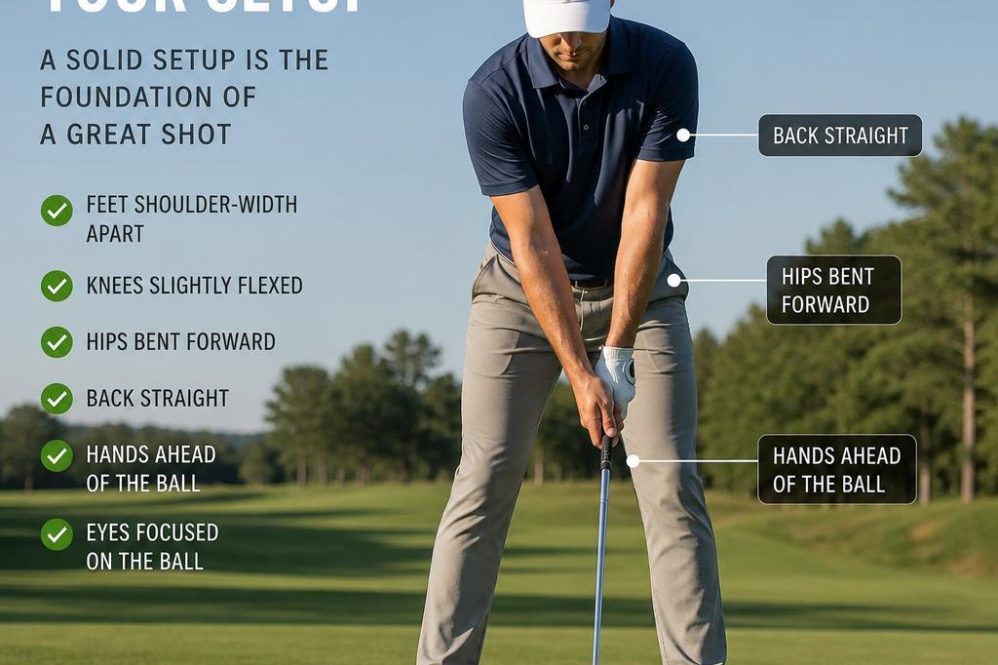
With irons, García’s swing is a good reminder that speed does not have to come from throwing the arms at the ball. Start in an athletic setup: feet about shoulder-width apart, the ball slightly forward of center with a mid-iron, hands just ahead of itand the face aimed at your intended start line.
Make a full turn with your ribcage while allowing the trail hip to rotate. From there, pressure begins moving into the lead foot as the lower body starts to open. the goal is not to slide toward the target. It is indeed to rotate through the shot while keeping the club in front of your chest.
By impact, most of your pressure should be moving into the lead side, with the handle ahead of the clubhead and the chest continuing through. That pattern helps produce the ball-first contact and shallow divot most players want with an iron. Sliding the hips without turning, on the other hand, can leave the upper body hanging back and lead to thin shots, blocksor steep, glancing contact.
Try this with a seven-iron.Make a full backswing, pause briefly at the top, then begin down smoothly as you rotate through to a balanced finish. Start with three-quarter swings if needed. Good contact matters more than trying to create a dramatic finish. Players who use video may find it helpful to check that their head stays reasonably steady and that the lead leg straightens naturally through impact rather than locking too soon.
On the course, let the situation dictate the shot. Into a headwind, take an extra club and make a controlled swing rather than trying to overpower a shorter iron. From light rough, expect the club to arrive a little steeper. From a clean fairway lie, focus on brushing the turf after the ball. And when a flag is tucked behind trouble, do not confuse an athletic swing with an automatic green light. The centre of the green is frequently enough the smart target.
For practice, hit a small set of balls to one specific target and pay attention to where they begin, not just where they finish. Then alternate between normal shots and lower, controlled shots. Changing targets and trajectories makes range time feel more like golf. If your contact remains inconsistent despite sound fundamentals, it may also be worth checking whether your lie angles fit your posture.
Use a Calm Short-Game Rhythm
Good short-game touch rarely comes from a busy set of hands. A better starting point is balance and rhythm. For a standard greenside pitch, place a little more pressure on the lead foot, play the ball near the middle of a slightly open stanceand let the handle sit just ahead of the ball without pressing it excessively forward.
Let your chest,arms,and wedge move together. Keep turning through the shot rather than stopping at impact and trying to scoop the ball upward.A helpful rule of thumb is to match the length of the backswing to the follow-through. A waist-high backswing should generally produce a waist-high finish, while a shorter motion works well for a low-running chip.
Start with a pitching wedge or 9-iron and learn to brush the grass after the ball. As your confidence grows, change trajectory mostly through club selection and ball position rather than adding extra wrist action. To check your strike,place a towel or alignment stick a couple of inches behind the ball. If you keep catching it,the swing is bottoming out too early. Keep your pressure steady on the lead side and let the sternum stay slightly ahead of the ball through contact.
Course conditions should shape the shot. From a tight lie with plenty of green, use a lower-lofted club and let the ball release like a putt. From thicker rough or over a bunker, take more loft, open the face modestlyand keep the club moving so the bounce can work through the turf. On soft ground, a slightly longer committed motion may help. In firm or windy conditions, the lower shot is often easier to control.
for a greenside bunker shot, open the face, aim your body slightly left of the target if you are right-handedand enter the sand just behind the ball. Keep the motion moving through the finish. Trying to help the ball into the air usually causes the body to stall and leaves the club in the sand. Pick a landing spot, make one smooth rehearsaland then commit.
Be Aggressive With a Plan
García has always played with conviction, but good aggression is not the same as swinging as hard as possible. It means choosing a clear target, understanding your likely missand then making a committed swing.
Before an approach, check the yardage to the front, middleand back of the green. Factor in the wind, the lie, and the trouble around the target. If you have 145 yards to a firm green with a bunker short, the sensible play may be a controlled 8-iron to the middle rather than trying to squeeze a 9-iron over the hazard. Pick a positive target,set up square to it,and make the same balanced motion you have been practicing.
For most golfers, “aggressive” should mean swinging freely to a safe side of the fairway or green rather than steering the ball away from every possible problem. Better players can take on tucked flags when the lie, distanceand spin conditions truly support the shot. A rushed takeaway or an overswing is not aggression; it is usually just a loss of control.
On the range, practice as though you are playing.Change targets often and include a normal stock shot, a lower shot with the ball slightly backand a higher shot with the ball slightly forward and a full finish. That is a more useful version of a Sergio Garcia golf lesson than simply hitting one club at the same flag for half an hour.
The same thinking applies around the green. Start by choosing a landing spot, then decide whether the ball should release or stop quickly. With a clean lie and room to work, a pitching wedge or 9-iron might potentially be all you need.If you are short-sided, facing roughor carrying a bunker, a more lofted wedge may be necessary-but it also asks more of your strike.
In wet conditions, into the windor from a flyer lie, expect the ball to react differently and give yourself more margin. take the aggressive line only when your normal result still avoids the biggest danger. A water penalty or an unplayable lie can erase the reward of a heroic shot in a hurry.
Make the Swing Your Own
You do not need Sergio García’s exact positions, flexibility, or speed to learn from his game. Focus on a patient transition with the driver, a committed turn through your irons, steady rhythm around the green, and confident decisions on the course.
Work on one idea at a time, keep track of your typical missesand let solid contact guide the process. The best version of this swing is not a copy of Sergio’s. it is a repeatable motion that helps you hit more fairways, strike more greensand play the next shot from a better place.