Unlocking the Art of Ben Crenshaw’s Smooth and Precise Swing
Achieving the hallmark smoothness and precision reminiscent of Ben Crenshaw’s swing begins with a foundational focus on setup fundamentals. Start by establishing a comfortable, balanced posture with feet shoulder-width apart and a slight knee flex to promote stability.Crenshaw’s swing is renowned for its rhythmic tempo, so developing a consistent pace is essential. To mirror this, employ a pre-shot routine that integrates a slow takeaway with minimal wrist hinge, targeting a clubhead path angled approximately 30 degrees inside the target line during the backswing. This promotes the inside-to-square-to-inside swing plane that underpins Crenshaw’s accuracy. Emphasize the feeling of effortless coil by engaging the torso and maintaining a steady head position to reduce excessive lateral movement. Practicing with drills such as the “pause at the Top”-where you hold the top of your backswing for two seconds-can cultivate the desired control and tempo, especially beneficial for beginners building muscle memory. Additionally, refining your grip pressure to a moderate level, avoiding a death grip, allows for better clubface control throughout the swing, key to reproducing Crenshaw’s signature shot consistency.
Transitioning from swing mechanics to practical course strategy, integrating Crenshaw’s approach to shot selection and mental composure can substantially elevate scoring across all skill levels.On the course, adopting his mindset of playing “percentage golf” involves carefully assessing lie, wind conditions, and green contours before deciding whether a conservative punch shot or a full, controlled swing is appropriate-particularly important under pressure situations common in tournament play. Incorporate routine practice drills that simulate course conditions; for instance, use varied, uneven lies on the practice range to mimic natural terrain challenges, reinforcing adaptability in your swing motion and stance adjustments. For mid-to-low handicappers,focusing on short game finesse,including controlling lag and spin around the greens,reflects Crenshaw’s mastery of touch-a critical factor for scoring. Techniques such as the “clock-face chip drill”, wich sharpens distance control by chipping to targets at different ranges, bridge technical improvement and situational application seamlessly.Remember,like Crenshaw,combining technical precision with thoughtful course management enables improved shot execution and lower scores,turning smooth technique into winning golf.
Discover the Putting Techniques That Make Ben Crenshaw a Master on the Greens
Ben Crenshaw’s putting prowess stems from a masterful combination of **precise setup fundamentals** and a smooth, repeatable stroke that promotes both consistency and feel. Central to his setup is a stance that positions the eyes directly over or slightly inside the ball, fostering an optimal **visual line alignment** with the intended target. He emphasizes a **slight forward shaft lean of approximately 5 degrees**, which helps maintain a stable putter face through impact, reducing skidding and promoting a true roll. For golfers at any skill level,adopting this setup encourages better contact and control on the greens. To replicate Crenshaw’s fluid tempo, golfers should focus on making a pendulum-like stroke, hinging primarily at the shoulders while keeping the wrists quiet, which enhances both distance control and accuracy. Incorporating drills such as the “gate drill”-placing two tees just wider then the putter head to ensure a straight stroke path-helps develop muscle memory for this motion, while a daily routine of lag putting from 20-30 feet hones touch and confidence, essential for converting long-range birdie opportunities under pressure.
Strategically, Crenshaw’s success on the greens also derives from his profound **green-reading skills** and adaptability to course conditions.He carefully observes subtle breaks and grain direction, frequently enough walking around the putt to gather multiple vantage points before committing to a line, a practice highly recommended for all golfers aiming to lower their scores. He integrates his keen visualization skills with course management by factoring in slope, wind, and green speed, allowing him to adjust stroke length and pace intuitively. For those working to elevate their putting strategy,adopting a pre-putt routine that includes a consistent read and a mental rehearsal of the stroke can dramatically improve confidence and decision-making. In practice, golfers might use drills such as “clock drills” around the hole to get accustomed to different slopes and speeds, while also experimenting with varying ball positions within their stance to find the most comfortable and effective setup. additionally, understanding when to hit a firm putt to avoid risky three-putts versus employing delicate dinks near the hole reflects Crenshaw’s balanced approach between aggression and caution-fundamental for developing a sound, situational putting game that saves strokes and seals consistent scoring.
How to Drive Like Ben Crenshaw: Power Meets Control for Longer, Straighter Shots
Driving like ben Crenshaw requires a delicate balance between generating power and maintaining precise control, a combination that hinges on a fundamentally sound setup and efficient swing mechanics.Start by focusing on your stance: position your feet shoulder-width apart with a slight knee flex and ensure your spine angle tilts naturally forward from the hips, creating a solid athletic posture. Crenshaw’s technique emphasizes a gentle tilt of the upper body, allowing for a sweeping, smooth takeaway that’s pivotal for consistent contact. As you initiate your backswing, maintain width in the arms (approximately 18-20 inches from chest to clubhead) to build torque without losing balance.Beginners should practice maintaining this width by doing half-swings with a mirror or recording themselves to ensure the club travels on a stable plane. For intermediate and low-handicap players, refining the sequencing of the downswing-where hips clear before the arms drop-helps generate clubhead speeds exceeding 100 mph without sacrificing control. Employing a gradual release through impact, rather than a cast or flick of the wrists, connects with Crenshaw’s hallmark smoothness, promoting straighter, longer drives even in challenging wind or tight fairways.
Beyond mechanics, course strategy plays a crucial role in driving success reminiscent of Crenshaw’s approach. Rather of defaulting to maximum distance swings, like Crenshaw, prioritize shot placement by adjusting your tee height and ball position-placing the ball just inside your left heel for a driver facilitates a sweeping, upward strike, which enhances launch angle and reduces spin for optimal roll-out. Practice drills such as the “tee-in-the-ground” drill-where the ball is just protruding from the turf-can help beginners develop a feel for crisp, clean ball-striking.On the course, assess prevailing conditions: crosswinds or narrow landing zones demand a controlled fade or draw, which Crenshaw masterfully executes by subtly adjusting clubface angle and path at impact. Low-handicappers can fine-tune this by experimenting with draw and fade drills, focusing on subtle wrist hinge variations and lower body alignment cues.Lastly, incorporate mental rehearsal in your pre-shot routine, visualizing the intended shot shape and carry distance to build confidence and reduce tension. This holistic integration of technique, equipment setupand strategic shot planning not only heightens driving accuracy but also sets the stage for scoring opportunities, just as Ben Crenshaw has demonstrated throughout his celebrated career.
Bringing it All Together The Complete Approach to Emulating ben Crenshaw’s Game
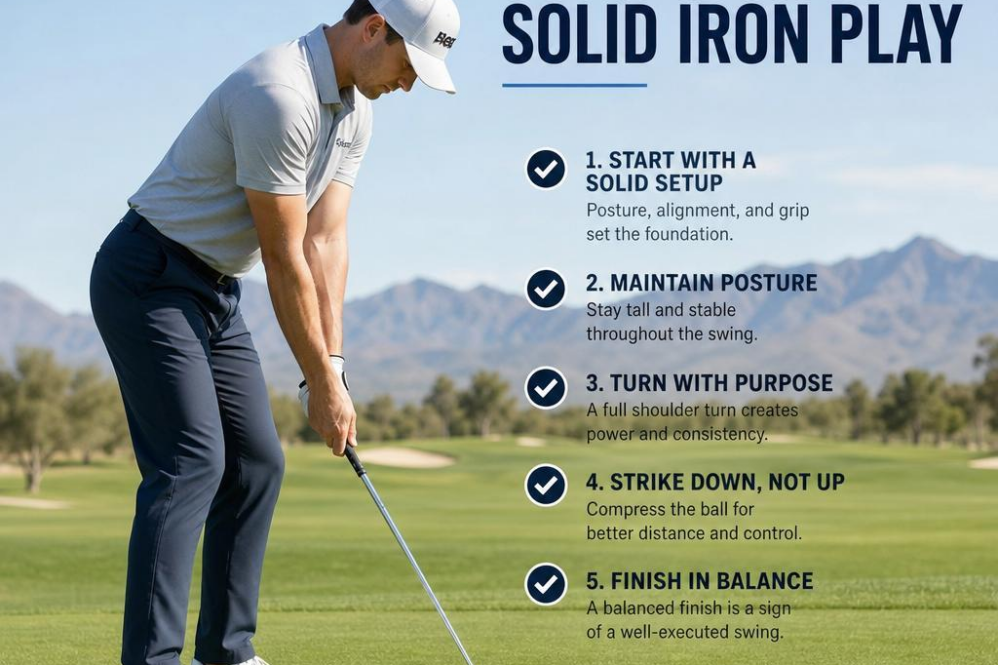
Emulating Ben Crenshaw’s game requires cultivating a harmonious blend of precision, touchand strategic thinking, starting with your swing mechanics and setup fundamentals.Begin by ensuring a balanced, athletic stance that promotes a smooth, rhythmic tempo, much like Crenshaw’s famously fluid motion. Focus on maintaining a slight forward shaft lean at address, which helps compress the ball and promotes crisp contact-aim for 5 to 7 degrees of forward lean to optimize launch conditions. When practicing your swing,incorporate drills that emphasize gradual wrist hinge and controlled release,such as the “pump drill,” which allows you to build muscle memory for consistent swing width and arc. Pay close attention to your grip pressure; Crenshaw’s grip is firm but relaxed, avoiding tension that can disrupt clubface control. For beginners, work on committing to a full finish position, ensuring balance over your lead foot to promote both power and accuracy. Advanced players can refine their plane by using video feedback to align their shoulder and hip rotation, aiming to create an inside-to-square-to-inside swing path that facilitates crisp ball-striking and workable shot shape options.
On the course, integrating Crenshaw’s strategic mindset involves mastering green reading, precise shot shaping, and intelligent club selection. Practice interpreting subtle breaks by aligning your stance down the slope of the green and reading grain direction under varying light conditions, a hallmark of Crenshaw’s remarkable putting prowess. Apply the technique of visualizing putt lines from multiple perspectives to identify the highest percentage path to the cup. When shaping shots, adopt a controlled fade or draw by adjusting face-to-path relationships-open the clubface 3 to 5 degrees relative to your swing path for fadesor close it the same amount for draws, complementing Crenshaw’s ability to maneuver the ball around hazards. Employ course management strategies such as playing away from trouble,favoring the centre of fairways and large sections of greens,even if it requires extra club distance. this attuned approach reduces risk and sets up safer scoring opportunities, no matter your handicap. Incorporate mental rehearsal and pre-shot routines to strengthen focus under pressure,emulating Crenshaw’s calm demeanor. By combining these technical and strategic elements with consistent practice-such as intentional block practice sessions and simulated on-course scenarios-you’ll build a comprehensive game that not only mirrors crenshaw’s artistry but also lowers scores in tangible ways.