
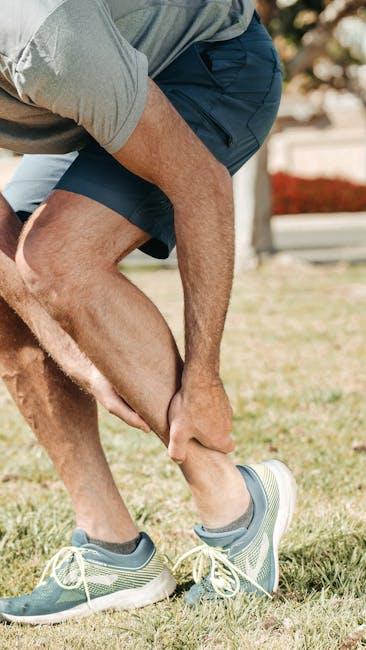
Unlocking Core Stability Through single-Leg Calf Raises
Developing core stability is fundamental for consistent, powerful golf swings, and one effective exercise to enhance this area is the single-leg calf raise. This movement targets not onyl the calf muscles but also involves the small stabilizing muscles around the ankle and contributes significantly to the activation of the core through balance demands. When executing a single-leg calf raise, golfers should focus on maintaining proper alignment throughout the movement: keep the standing leg slightly flexed, hips level, and shoulders squared. Incorporating this exercise into a routine improves proprioception, which translates to a steadier stance during the golf swing-especially crucial during the backswing and downswing phases where weight shifts dramatically. Aim for 3 sets of 12-15 controlled raises per leg, focusing on a slow eccentric (lowering) phase to maximize muscle control.
Integrating single-leg calf raises into golf-specific training provides measurable benefits in course management and shot execution. For exmaple, improved stability from this exercise helps maintain balance on uneven lies or slopes-a common challenge on golf courses. When facing a sloped fairway or an uphill uneven stance, the ability to remain grounded and balanced allows for cleaner ball strikes and fewer mis-hits. As you practise, incorporate variations such as holding the raised position for 3-5 seconds or performing the raises on a slight incline to simulate real-course terrain. These subtle changes sharpen your neuromuscular response, enabling more dynamic weight transfer and better control during longer shots and delicate chips around the green. Additionally, this core-ankle connection supports shot shaping by stabilizing the lower body, which is essential when executing draws or fades where precise lower body sequencing impacts clubface alignment at impact.
For golfers at all skill levels,implementing single-leg calf raises can also serve as a preventative tool against common swing faults and injuries. Beginners often struggle with sway or lateral movement during the swing,which can be mitigated through enhanced lower body stability. Low handicappers and advanced players similarly benefit by refining the subtle movements that differentiate good shots from great ones. Incorporating a progressive practice routine, including:
- Performing calf raises barefoot to improve ankle mobility.
- Adding light dumbbell resistance as strength improves.
- Combining the raises with balance drills on unstable surfaces like a BOSU ball.
Complement these physical exercises with mental focus strategies, such as visualizing balanced, rhythmic swings and controlled weight shifts. Over time,these focused efforts help lower scores by enhancing consistency,improving shot control,and building confidence when navigating tricky course conditions. Ultimately,the improved core stability gained through single-leg calf raises fosters a more efficient,powerful golf swing that is adaptable to the diverse challenges posed by any course layout or weather scenario.
Building Explosive Driving Power One Calf Raise at a Time
Developing powerful, controlled drives begins with mastering the lower body’s role in generating force, and a single-leg calf raise is an extraordinary exercise for this purpose. By focusing on balance and strength in each calf independently,golfers cultivate the ankle stability and explosive push-off necessary to create a solid base through the swing’s transition to the downswing. To perform this drill effectively, stand tall on one foot with your knee slightly bent, then raise your heel as high as possible, emphasizing a slow, controlled motion both upward and downward. Aim for 3 sets of 12-15 repetitions per leg,resting briefly between sets. This not only strengthens the gastrocnemius and soleus muscles critical for powerful leg drive but also encourages proprioceptive awareness – helping you feel ground reaction during your swing and improving clubhead speed with efficient energy transfer.
Integrating the insights gained from single-leg calf raises into your golf setup and swing mechanics enables more dynamic weight shift and hip rotation, which are essential for maximizing driving distance. When addressing the ball, check that your weight distribution is balanced evenly between both feet with a subtle bias toward the balls of your feet, not the heels. As you transition from the backswing to the downswing,engage the ankle and calf muscles actively to push into the ground,fostering a powerful coil and subsequent uncoil through the hips. This biological spring creates increased torque, which directly contributes to higher clubhead velocity. For beginners, practicing this weight shift in slow-motion swings while focusing on the feeling of a stable lower leg and ankle will help ingrain the correct muscle activation patterns. Low handicappers can refine this further by incorporating video analysis or pressure-mapping devices to monitor plantar pressure throughout the swing arc.
On the course, applying these strength and stability gains instantly affects your shot shaping and course management decisions. As an example, on a narrow fairway requiring precision, consciously cue the explosive push-off generated by your strengthened calves to produce a controlled fade or draw, while maintaining consistent contact and direction. Remember to adjust for terrain variances – firm turf demands sharper ankle engagement, whereas soft lies require subtlety to avoid losing balance. To simulate these conditions in practice, try drills where you hit shots after performing a set of single-leg calf raises or practice swings emphasizing ground force production. This functional approach connects physical conditioning directly to scoring potential by reinforcing confidence in your driving consistency and control, essential for aggressive pin-seeking strategies or conservative play under windy conditions.
Tips and Techniques to Perfect Your Balance for a Smoother Swing
Achieving a smoother golf swing begins fundamentally with mastering your balance throughout the motion. Maintaining stability from setup through follow-through ensures consistent contact and power transfer. Start by focusing on your stance width-typically about shoulder-width apart-which provides a solid base.Align your feet so that your weight is distributed evenly across the balls and heels, avoiding excessive leaning forward or back. Incorporating the single-leg calf raise as an off-course exercise can dramatically improve your ankle strength and proprioception, which are crucial for balance during the dynamic phases of your swing. This drill not only strengthens the calves but also trains the small stabilizing muscles around your ankle, helping you maintain your spine angle and preventing sway on the downswing. A balanced swing allows your clubhead to follow a more consistent path, reducing mishits and increasing shot accuracy regardless of whether you’re on a tight fairway or an uneven lie.
As you progress from setup to execution, it’s vital to understand how your center of gravity shifts subtly but deliberately during the swing cycle. During the backswing, aim to maintain control by keeping your weight predominantly on your trail foot-around 60% distribution-while your lead foot remains planted yet flexible enough to allow rotation. Transitioning into the downswing, gradually shift your weight toward your lead foot, reaching approximately 70% on the front foot at impact. This controlled weight shift facilitates power generation without sacrificing balance. Practicing this weight transfer through slow-motion swings or with a balance board can enhance kinesthetic awareness, making real-course adjustments smoother and more intuitive. Additionally,when practicing on the range,pay attention to how uneven ground or slopes influence your balance and stance; adjusting your foot positioning to accommodate these conditions will sharpen your course management skills and improve shot consistency across varied terrains.
To refine balance further while incorporating shot shaping and distance control, integrate specific drills focused on single-leg stability and dynamic engagement.Such as,perform controlled swings while standing on your lead leg only,starting with half swings and gradually moving to full swings as stability improves. This method cultivates strong muscle memory for maintaining posture and equilibrium under load. Beginners can start by holding the finish position for 5 seconds to build endurance, while advanced players can challenge themselves by closing their eyes or using weighted clubs to heighten body awareness and core engagement. Remember, balance is also mental-keeping calm and focused during pressure situations minimizes tension in your legs and hips, which otherwise detracts from swing fluidity. By marrying these physical drills with mindful breathing and visualization techniques, golfers at all levels can enjoy more reliable swings, lower scores, and greater confidence when navigating complex course conditions.




