Unlocking the Foundations of Sam Sneads Legendary Swing technique
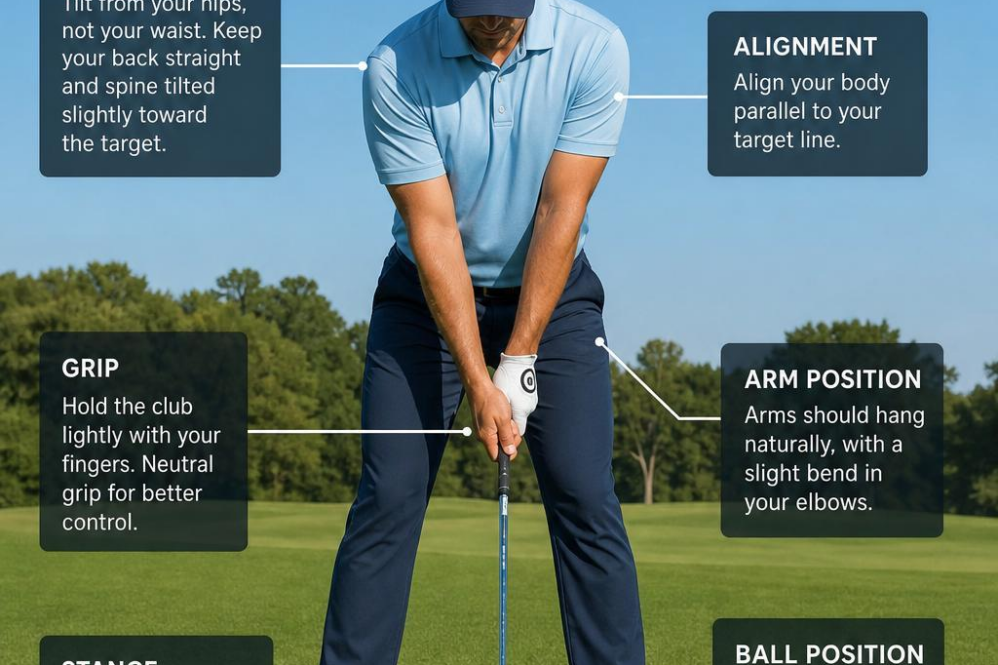
Sam Snead’s swing technique is a masterclass in combining fluid mechanics with purposeful rhythm, making it essential to first establish a foundation rooted in proper setup fundamentals. Begin by positioning your feet shoulder-width apart with a slight outward flare-approximately 10 to 15 degrees-to promote stability while allowing for smooth hip rotation. The grip should be neutral yet firm, ensuring the clubface remains square through impact. Snead emphasized a slightly wider stance for longer clubs to anchor balance during the powerful backswing, which ideally reaches an arm-shoulder angle of 90 degrees at the top. Maintaining a relaxed yet connected wrist hinge unlocks effortless clubhead speed without tension. Beginners can practice this by using the “pause at the top” drill, holding their peak position for a second to feel the full coil, while advanced players might focus on integrating a continuous transition into the downswing to harness dynamic loading, crucial for generating clubhead lag.In real-round scenarios, seamlessly channeling this spring-like motion helps manage varying conditions, such as winds or uneven lies, by allowing natural adjustments within a consistent swing template.
Building upon this foundation, Snead’s short game techniques reveal how finesse and control translate into lower scores and smarter course management. His deliberate use of open clubface angles and lighter grip pressure for chips and pitches encourages precision and spin control, enabling shots that can stop quickly on fast greens or release smoothly in softer conditions. Golfers should incorporate the “ladder drill,” targeting progressively closer pins while varying trajectory and speed-a practice that develops touch and ball-strike consistency. Additionally, snead’s approach to bunker play focused on entering the sand one to two inches behind the ball with a steep clubface angle, emphasizing acceleration through impact to avoid fat shots. Integrating these techniques with a strategic mindset means assessing pin position, slope, and wind before selecting shot type, mirroring Snead’s philosophy that the short game is as much mental as mechanical.For players of every handicap, connecting these precise movements with course strategy fosters confidence and promotes measurable improvement in scoring, demonstrating how technical mastery directly elevates tactical execution on the course.
Discover How Sam Perfected His Putting for Consistent greens Success
SamS breakthrough in putting started with mastering his setup fundamentals and creating a consistent stroke, inspired by classic Sam Snead principles that prioritize balance and rhythm. He focused on establishing a square clubface at address with the putter’s leading edge perpendicular to the target line, ensuring the ball would roll true from impact. Sam also adopted a slightly narrower stance to enhance stability, with feet shoulder-width apart and knees flexed just enough to promote comfort and control. Key to his progress was the introduction of a smooth pendulum stroke using the shoulders rather than the wrists,reducing unwanted wrist breakdown that causes inconsistency. To build muscle memory, Sam incorporated practice drills such as the “gate drill,” where two tees create a channel to ensure the putter head stays on path, and the “ladder drill,” targeting putts from 3 to 10 feet to improve distance control.Through repeated,deliberate practice focused on rhythm and tempo,he was able to develop a repeatable stroke that adapts to a variety of green speeds and slopes.
Building on his mechanical improvements, Sam also integrated advanced green reading strategies to tackle breaks and undulations with confidence, leaning on Snead’s holistic course management philosophies. He learned to assess the grain of the grass and how subtle changes in weather – such as dew or wind – affect the ball’s roll. For example, when faced with a downhill putt with moderate slope, he adjusted his aim point to approximately one clubhead width left of the hole (for a right-handed putter) to compensate for the lateral break, while factoring in speed control to avoid aggressive reads that might lead to overshooting. Sam’s focus on intentional practice included visualization techniques to strengthen his pre-putt routine and maintain calm under pressure, helping him mentally commit to each stroke and avoid second-guessing.By combining technical setup, stroke mechanics, targeted drills, and strategic green reading, Sam successfully lowered his three-putt frequency and gained consistent proximity to the hole, translating to fewer strokes and enhanced scoring opportunities.
Drive Like a Pro Using sam Sneads Powerful yet Effortless Approach
Mastering the long game with Sam snead’s approach begins with establishing a relaxed yet powerful swing that maximizes clubhead speed through efficient body mechanics rather than brute force. Start by adopting a slightly wider than shoulder-width stance with feet positioned to allow a natural hip turn of about 45 degrees.During the takeaway, focus on a smooth wrist hinge as you bring the club back, aiming for the clubhead to reach parallel to the ground at the halfway point of your backswing. This ensures you’re creating the optimal shaft lean and wrist set angle crucial for generating stored energy without tension. Snead’s technique emphasizes a fluid weight transfer, where the majority of your weight shifts to the back foot at the top of the swing and then smoothly transitions forward during the downswing, promoting a powerful yet controlled clubhead release through impact.For practical submission, incorporate drills like the “Pump Drill,” where you pause at the halfway backswing to groove the feeling of wrist set, and the “Step-Through Drill” to practice timing your weight shift; these exercises can improve timing and sequencing, helping you hit drives longer and straighter.
beyond mechanics, Snead’s philosophy also stresses smart course management to complement technique, especially when driving. Understanding wind conditions, lie angle, and fairway hazards informs your choice of tee shot strategy-whether to go for distance or position. Such as, in windy conditions or tight fairways, opt for a controlled sweep shot with a slightly closed clubface, promoting a lower ball flight and tighter dispersion, much like Snead himself when he emphasized adaptability. Additionally, incorporate pre-shot routines that include visualizing your target line and selecting the appropriate tee box to manage risk effectively. Practical on-course adjustments might mean using a 3-wood or hybrid off the tee rather of a driver to ensure fairway hits, which ultimately improves scoring opportunities.Beginners should focus on consistent contact and accuracy, while advanced players can refine launch angle by experimenting with small changes to tee height-aiming for a tee height equal to half the clubface height to optimize launch conditions. Embracing this methodical balance between powerful technique and strategic decision-making as taught by Snead will transform your driving performance, making each tee shot a calculated step toward lower scores.
Implementing Sneads Timeless Tips into Your Daily Practice Routine
To effectively incorporate Sam Snead’s timeless tips into your daily practice, begin by focusing on setup fundamentals that lay the foundation for a consistent swing. Snead emphasized a relaxed yet athletic stance,with feet shoulder-width apart and a subtle forward tilt from the hips,ensuring your weight is balanced slightly more on the lead foot-typically about 55%. This alignment promotes a natural coil during the backswing and a smooth transition through impact. Incorporate alignment rods or clubs on the ground during practice to verify your foot, hip, and shoulder alignment relative to the target line. By reinforcing this setup routine daily, golfers of all levels build muscle memory, leading to more reliable ball striking. Additionally, Snead’s advice to “swing easy until the moment of impact” helps reduce tension; practice slow-motion swings focusing on a wrist hinge angle of approximately 90 degrees at the top of the backswing to cultivate a fluid release and maximize clubhead speed naturally.
building on this foundation, integrate Snead’s approach to the short game and course strategy by dedicating time to touch shots and controlled trajectory chips. His influence stresses the importance of soft hands and minimal wrist breakdown around the greens, which aids in precise distance control and accurate ball flight in variable conditions such as wind or uneven lies. Try incorporating a ladder drill where you attempt to chip balls to progressively closer distances marked by alignment sticks, focusing on consistent contact and landing spots.On course, apply Snead’s strategic mindset by thoughtfully choosing shot shapes and club selection based on hole contours and hazards, rather than brute force. For example, favor positioning your tee shots in the fairway’s wider section to open up easier approach angles, rather than aggressively attacking pins tucked behind bunkers. This holistic practice not only improves technical consistency but fosters a tactical awareness crucial for lowering scores and adapting to real course scenarios.