
Unlock the Secrets Behind Slow-Motion Practice and Why It Transforms Your Swing
Practicing your swing in slow motion provides a powerful method to deeply understand the intricate mechanics behind each phase of the golf swing. by deliberately slowing down the motion, golfers can focus on critical positions, such as the takeaway’s clubhead path, the wrist hinge angle at the top of the backswing (typically between 70°-90°), and maintaining a stable spine tilt. This heightened awareness allows you to detect faults like early release or over-the-top downswing moves that frequently enough cause inconsistent contact and loss of distance. For example, executing a slow-motion drill where you pause at the transition point for 2-3 seconds lets you feel the correct sequencing of lower body rotation preceding upper body movement, a fundamental for maximizing swing power and accuracy. This biomechanical refinement helps golfers internalize proper timing and rhythm, which translates into a more repeatable swing under pressure. Integrating slow-motion practice with visual feedback, such as video analysis, further enhances your ability to self-correct and quantify improvements, using measurable metrics like swing tempo ratios or clubhead speed variations.
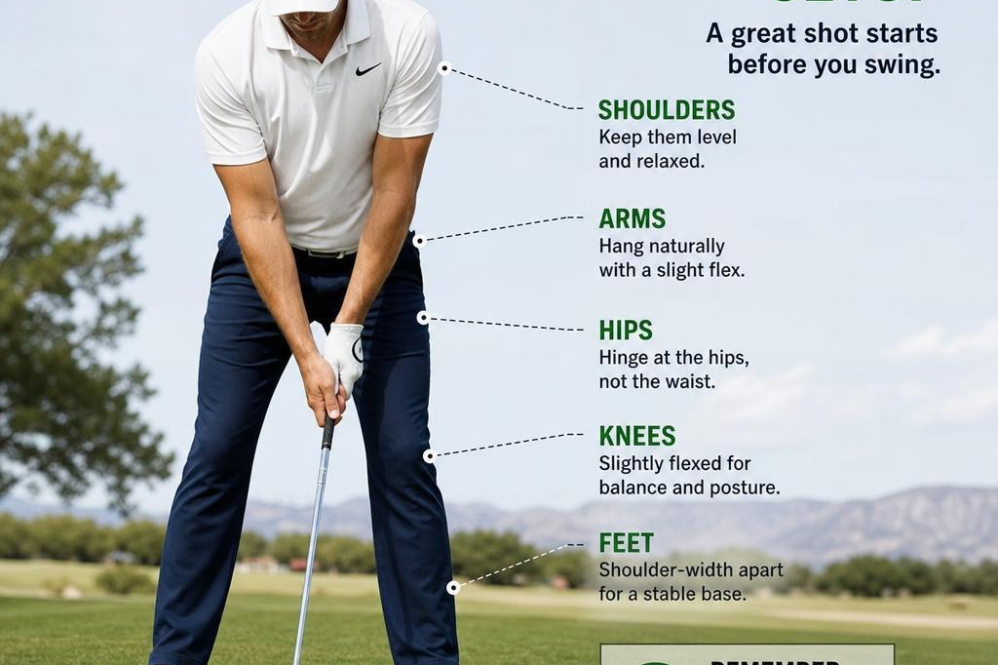
Beyond mechanics, slow-motion practice has profound mental benefits that improve course strategy and shot execution. The intentional pace fosters mindfulness, reducing the tendency to rush or become distracted during pre-shot routines. This calm concentration enables better visualization of intended shot shapes and trajectories,crucial when negotiating hazards or adjusting to uneven lies. As an example, beginners can combine slow-motion swings with setup checks-ensuring a balanced stance width of approximately shoulder-width and a proper ball position just ahead of centre for irons-to build a consistent foundation. Advanced players, meanwhile, can use slow-motion drills to test and reinforce refinements like subtle wrist supination during putting or refining driver swing plane angles around 45° for improved driving accuracy. By integrating these mental and physical rehearsal techniques into regular practice,golfers of all levels can cultivate a more controlled,confident swing that aligns with effective course management strategies. This holistic approach ultimately results in improved shot consistency, lower scoresand a tangible competitive edge on the course.
Feel Every move: How Slowing Down Helps You Fine-tune Driving Mechanics
Slowing down your swing is an essential technique for golfers aiming to enhance driving mechanics, as it encourages heightened body awareness and precision throughout the motion. By deliberately reducing swing speed, players can focus on the sequential timing of key segments, such as the transition from the takeaway to the downswing, ensuring the hips initiate movement before the arms-a crucial factor for generating both power and accuracy. As an example, maintaining a smooth wrist hinge of approximately 90 degrees at the top of the backswing while controlling clubface alignment promotes solid contact and reliable ball flight. Practicing with slow-motion swings allows you to correct common faults like casting or early release by feeling the load and unload of ground forces through the legs, fostering better weight transfer which is vital for distance. Incorporating drills such as the “pause-and-Go”-pausing momentarily at the halfway point of the downswing-helps reinforce muscle memory and encourages a balanced finish. This mindful approach not only refines physical mechanics but also sharpens mental focus, enabling golfers to maintain composure under pressure in competitive play.
Additionally,taking measured swings at a reduced tempo supports strategic course management by allowing golfers to visualize their shot trajectory and landing zone with greater clarity. Through slow, deliberate practice, players develop a consistent setup incorporating a neutral grip, square shoulders, and a balanced stance-typically around shoulder-width apart-which stabilizes the base and influences club path positively. This consistency translates effectively from the practice range to variable on-course conditions like wind or uneven lies. For beginners, slow-motion repetitions build confidence and minimize ingrained errors, while advanced golfers can use this method to fine-tune subtle adjustments such as shaft lean and impact position, aiming for a dynamic loft near 12-14 degrees at contact to optimize launch.To further integrate physical and mental elements, consider pairing this technique with visualization exercises that simulate challenging course scenarios, enhancing decision-making and reducing anxiety. Ultimately, embracing a slower swing tempo is a pragmatic, repeatable strategy that cultivates better ball striking, increased control off the teeand measurable scoring improvements nonetheless of skill level.
Putting Precision Perfected: Using Slow-Motion Drills to Improve Your Stroke
Developing a consistently reliable putting stroke begins with slow-motion drills that enhance both technical precision and mental focus. By deliberately slowing down your stroke, you gain the ability to *visualize each phase* of the putt-from setup and alignment to stroke path and impact.Start by setting up your putting stance with feet shoulder-width apart, eyes directly over the balland your putter face square to the intended target line. Then, execute the stroke in a controlled tempo, emphasizing a smooth pendulum motion with your shoulders while minimizing wrist and hand involvement. A key measurement to monitor during practice is the **length of your backswing, ideally maintaining it between 6 to 10 inches for standard distance control**, and a follow-through that mirrors the backswing length. This symmetry reinforces stroke consistency and promotes a balanced finish. Incorporating training aids such as alignment rods or putting mirrors during these slow-motion drills helps *ensure your putter path remains straight* and the face stays square throughout impact-critical factors in reducing side spin and improving roll. This methodical breakdown of the stroke mechanics not only builds muscle memory but also enhances your feel for distance control in a low-pressure surroundings, preparing you mentally for real-course scenarios where deliberate stroke tempo combats nerves and promotes trust in your touch.
Beyond mechanical refinement, slow-motion putting drills offer profound mental benefits by fostering *mindful awareness and confidence*. Engaging in this focused practice allows golfers-whether beginners or low handicappers-to internalize routine setup checkpoints and develop strategic intuition for reading greens. During your drills, vary pace and putt lengths to simulate a range of situational demands, such as lag putting from 30+ feet or delicate tap-ins inside 6 feet. As you practice, pay close attention to subtle green break cues and grain direction under different weather or turf conditions, reinforcing your ability to adjust aim and speed effectively under pressure.To further enhance course management, intentionally practice pre-putt routines alongside your slow-motion strokes: visualize the target, pick a specific spot on the green to aim forand execute a practice stroke to establish rhythm. For players struggling with common pitfalls such as decelerating through impact or inconsistent return paths,incorporate drills like putting with eyes closed or using a metronome to regulate timing. These targeted exercises cultivate both technical precision and mental resilience, empowering golfers to make confident strokes that lower scores. Ultimately, integrating slow-motion drills into your putting practice routine serves as a powerful tool to unify the technical and psychological elements critical for mastering the short game and achieving measurable advancement on the course.
Bringing It All Together with Simple Tips for Consistent Slow-Motion Practice
Consistent slow-motion practice serves as a powerful tool for ingraining fundamental swing mechanics and enhancing muscle memory, especially when aiming for reproducible results under pressure. Begin each session by adopting a deliberate, controlled tempo-around 30-40% of your normal swing speed-to focus on critical checkpoints such as the clubface angle at impact and shaft-plane alignment. For example, maintaining a slightly closed clubface through impact (approximately 2-3 degrees closed) can promote a straighter ball flight, reducing common slices. Incorporate drills such as the “Pause at the Top”, where you halt your backswing for two seconds before smoothly transitioning to the downswing, allowing you to feel proper weight transfer and coil without rushing. These focused movements enhance kinesthetic awareness, translating directly to improved shot consistency on the course. Additionally,integrating slow-motion reps before rounds helps build mental resilience; by visualizing and physically rehearsing ideal mechanics,you prime your brain to execute under diverse playing conditions such as wind,uneven lies,or tight pin placements.
When translating slow-motion practice to full-course strategy, it is indeed essential to mentally rehearse specific scenarios to sharpen decision-making alongside technique refinement. Imagine facing a challenging par-4 with a narrow fairway; use slow, deliberate swings to simulate controlled tee shots that emphasize accuracy over distance, reinforcing swing paths that deliver a reliable fade or draw within a 15-yard target corridor. Pair this technique work with strategic shot planning, such as aligning your stance to account for slope-induced ball roll or choosing a 7-iron over a driver on windy days. For beginners, focus on setup fundamentals during slow-motion drills-feet shoulder-width apart, spine tilt around 5 degrees away from the targetand hands positioned slightly ahead of the ball at address-to cultivate balance and optimize launch conditions. Advanced players shoudl emphasize refining release patterns and adjusting grip pressure to avoid tension spikes that compromise rhythm.By approaching practice with a extensive mindset that connects mechanical precision to tactical course management, golfers of all abilities develop a repeatable swing, sharpen mental toughnessand ultimately lower their scores with greater confidence.




