As Halloween approaches adn retailers ramp up seasonal stock, golfers looking for last-minute, low-effort costumes have options that are both clever and easy to assemble. With Halloween 2025 falling on a Friday and big-box stores and online marketplaces already rolling out decorations and apparel, do-it-yourself outfits that repurpose everyday golf gear are proving popular. This piece outlines three straightforward costume ideas that require minimal shopping and maximum on-course flair – from a tongue-in-cheek “sand trap” ensemble to classic pro-inspired looks – so players can focus on having fun rather than searching the racks.
Easy Vintage Golfer Outfit Delivers Authentic Style With Thrifted Finds and Tailoring Tips
Vintage-inspired golf attire is enjoying a quiet revival on Halloween streets and costume parties this year, as thrifters and tailor-shops report increased demand for prewar silhouettes and mid-century athletic pieces. Retailers and consignments note the word vintage - often defined as high-quality pieces from a previous era – is driving searches for argyle,tweed and leather accessories that deliver instant authenticity without the museum price tag.
What to hunt for at thrift and consignment shops:
- Plus-fours or tweed knickers – check seams and waistband condition.
- Argyle sweater vests – paler colors read as more period-authentic under evening lights.
- Newsboy caps & leather brogues – small repairs are cheaper than replacements.
- Wool blazer or vest – shoulder structure makes the look.
These staples create a layered silhouette recognizable at a glance and are often available at local vintage retailers and online consignors for modest sums.
Tailoring remains the difference between costume and character. Simple adjustments such as shortening sleeves for a proper 1930s cuff, tapering pant legs, or adding a discreet button reinforcement can cost under $40 but transform the outfit.Below is a quick cheat-sheet for common alterations, estimated time and visible impact:
| Alteration | Time (hrs) | Impact |
|---|---|---|
| Hemming trousers | 0.5-1 | Clean silhouette |
| Taper waist of vest | 1-2 | Period fit |
| Replace missing buttons | 0.25 | Instant polish |
finishers and props sell the story: a wooden golf club, leather glove, silk tie or vintage scorecard elevates the ensemble from retro to plausible. Keep accessories weather-proof and lightweight for trick-or-treating or nightlife, and prioritize cozy shoes – brogues read well on camera but cushioned insoles are a practical addition for long wear. budget-conscious stylists say a complete, authentic-looking outfit can be assembled and tailored for under $100 when sourcing from thrift and consignment channels.
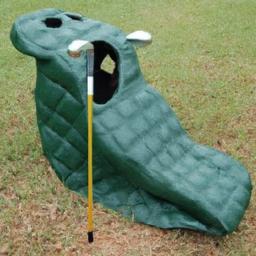
Lightweight DIY Golf Bag Costume Uses Foam, Velcro and hidden Straps for All-Day Comfort
A DIY approach to the classic course accessory has emerged this season, with makers favoring an engineered-build that sacrifices theatrical bulk for real-world wearability. The design leverages a featherlight foam core wrapped in a breathable fabric shell, modular Velcro panels for quick access and attachment, and concealed shoulder straps that mimic a golfer’s carry bag - all intended to keep the costume wearable from pre-trick-or-treat warmups through late-night wrap-ups.
Materials and rough specs: makers cite common craft-shop finds and modest budgets as keys to adoption. Typical components include:
- EVA foam sheet (6-10mm) for structure
- Industrial Velcro strips for pocket and flap closures
- Nylon webbing and small buckles for hidden straps
- Mesh liner for breathability and sweat management
- Lightweight faux clubs or cardboard inserts for silhouette
Estimated build time: 1-3 hours. Estimated cost range: $20-$60 depending on embellishments.
Construction follows a pragmatic, assembly-line logic: cut and form the foam into a tapered cylinder, glue or sew the liner in place, attach Velcro panels where pockets and club slots will live, and rout straps inside a padded channel for clean lines.
| Feature | Benefit |
|---|---|
| Foam core | Lightweight structure |
| Velcro pockets | Modular storage |
| Hidden straps | Even weight distribution |
Designers recommend anchoring the base with a thin,flexible plastic oval to keep the bag upright without adding weight.
Comfort and safety are central to the reporting here: padding at pressure points,a quick-release on one strap and reflective trim for nighttime visibility have become common refinements. Makers emphasize keeping the overall weight under five pounds and balancing load across both shoulders – a simple adjustment that turns a novelty into a practical, all-evening costume.
Customization remains robust: teams and brands are recreated with iron-on transfers, faux clubheads can be swapped for glow sticks for safety, and removable pockets allow the costume to convert back into a light prop for photos.Observers note the costume’s portability - it folds flat for transport - which, combined with its low cost and short build time, helps explain the design’s rapid uptake among golf fans looking for a comfortable, credible Halloween option.
Putting Green Costume comes Together With Astroturf, Removable Cup and Simple Securing Methods
City makers and costume designers are already naming this season’s most wearable golf gag: a walking putting surface built from **astroturf**, a removable cup and a handful of low-tech fasteners. Reporters who visited local workshops found that the design balances authenticity with comfort – the turf reads like a miniature green from 10 feet, while the **detachable hole** lets wearers pose for photos and still play a cheeky putt for treats.
Construction is straightforward and intentionally low-budget. Start with a sheet of synthetic turf cut to match the wearer’s torso or a small A-frame board. Layer a thin foam backing for padding, then secure edges with fabric tape or a narrow trim. Key assembly moves include a hot-glue bead around the seam for waterproofing and **Velcro tabs** at the shoulders or beltline so the panel can be removed quickly between doorways or crowded spaces.
- Materials: 2’x2′ astroturf square, 6mm foam, Velcro strips, small plastic cup or PVC ring
- Tools: utility knife, hot glue gun, strong fabric adhesive
- Finishing tricks: edge trim, short elastic straps, optional faux flag
A simple, removable hole is the section’s standout feature: reporters observed builders using a plastic plant saucer or a 3″ PVC ring recessed into the turf to act as the cup. Fastening options ranged from **snap buttons** to a magnet-and-metal-disk system that lets the cup be clicked in and released for photos. Below is a short cost-and-time snapshot local crafters supplied to demonstrate feasibility.
| Item | Estimated Time | Approx.Cost |
|---|---|---|
| astroturf panel | 30-45 minutes | $10-$25 |
| Removable cup kit | 15 minutes | $3-$8 |
| Fasteners & trim | 10-20 minutes | $5-$15 |
Practical considerations were a recurring theme among builders: test-fit the turf with the **intended costume layers**, keep sightlines clear if adding a flag or umbrella, and use washable adhesives for reuse. Creators recommend a trial walk around the block to check mobility and door clearance; when done right, the outfit functions as both a visual gag and a playable novelty – a tidy, quotable win for Halloween revelers who want to be seen and still move freely through crowds.
Accessorize Like a Pro With Prop Clubs, Scorecards, Weather-Ready Layers and Safety-Friendly Modifications
Costume credibility frequently enough rests on the right accessories: a well-crafted, lightweight **prop club** and a crisp scorecard can turn a clever outfit into a believable character on the course. Reporters at DIY workshops recommend foam and craft-foam heads glued to PVC or wooden dowels, finished with electrical tape or faux-grip wrap for realism. For tournament looks, add a simple name badge or a printed sponsor logo, but avoid metal fixtures and heavy hardware-opt for foam, cardboard and reinforced fabric instead.
Small details elevate authenticity. Bring a weathered paper scorecard clipped to a mini clipboard, stash a stubby pencil behind the ear and pin a faux ball marker to your sweater. Suggested essentials include:
- Printable scorecard (customize with your nickname)
- Mini clipboard or wrist-mounted pocket
- Stubby pencil and plastic ball marker
- Spare tees and a single faux golf ball
These items are inexpensive, easy to assemble and simple to secure to clothing for trick-or-treating or crowded events.
Layering matters when Halloween temperatures swing. Choose a moisture-wicking base layer, a midweight polo or vest in classic argyle or shining tournament colors, and a lightweight waterproof shell for damp nights. Caps, visors and knee-high golf socks complete the look while adding functional warmth. costume stylists advise coordinating layers by color rather than pattern to keep the silhouette clean and instantly recognizable under streetlights.
Organizers and parents should prioritize modifications that keep costumes safe for public spaces. Swap metal clubheads for foam,cushion shafts with pipe insulation,and use fabric straps or elastic loops to keep props attached but removable. The table below lists quick material swaps that maintain the look without adding hazard:
| Prop | Material Swap |
|---|---|
| Driver | Pool noodle + dowel, wrapped with grip tape |
| Scorecard | Printable cardstock on mini clipboard |
| Flagstick | Craft foam flag + lightweight bamboo skewer |
Practical assembly tips: test movement in the full outfit, secure loose items with Velcro or elastic, and add reflective tape to straps for nighttime visibility. If the costume will be worn in tight crowds, make key pieces detachable so you can remove or stow them quickly. Above all, favor lightweight, flexible materials over authentic hardware-costume authenticity should never compromise public safety.
Group and Couple Variations Translate Individual Looks Into Coordinated Foursome Themes
City costume parties and club socials are seeing a coordinated shift: individual golfer looks are being translated into foursome themes that read clearly on arrival. Observers note teams are moving beyond matching polos to curated narratives-**The Pro Quartet**, **The Caddy Crew**, and **The Green Gang**-each staffed with distinct roles and shared visual cues to increase impact and recognition in group settings.
Take one recent example: a foursome arriving as **pro**,**Caddy**,**Scorekeeper**,and **Pin Flag**. The Pro wears a signature sweater and visor, the Caddy carries a mock bag and towel, the Scorekeeper has a clipboard and pen, and the Pin Flag becomes a wearable banner. Together the elements form a single tableau,easy to assemble from thrift-store pieces and a handful of glue-gun accents-an approach that event hosts described as “visually efficient and highly photogenic.”
Couples adapt the same playbook at smaller scale with matched-but-mirrored choices. Simple swaps-color-coordinated polos, shared logos, and complementary props-create an obvious pairing without heavy construction. Quick tips adopted by social planners include:
- Anchor one signature prop (e.g., a faux club or flag) to define the duo.
- Use a consistent color band across outfits for instant cohesion.
- Label roles subtly with scorecards or name tags for photo-friendly clarity.
| Role | Key Prop | DIY Time |
|---|---|---|
| Pro | Visor & sweater | 15 min |
| caddy | Bag & towel | 20 min |
| Scorekeeper | Clipboard | 10 min |
| Pin Flag | Mini flag pole | 25 min |
Organizers emphasize practicality: coordinate colors first, then assign one standout prop per person so the group reads as a unified concept even from a distance. Local clubs reported increased engagement at Halloween mixers when groups used these techniques-photos, conversations and door-prize wins rose noticeably-making coordinated foursomes a strategic choice for anyone aiming to blend costume savvy with easy execution.
Budget Breakdown and Shopping Checklist Reveal Cost-Saving Substitutes and Where to Source Key Materials
Local reporters on costume trends note that golfers can pull off any of the three looks on a tight budget: **under $15** for a thrift-and-dollar-store build, **$30-$50** for a polished DIY version, and **$60+** only if you insist on brand-new golf gear. These brackets reflect retail price checks from thrift chains, discount stores and online marketplace listings conducted this season – practical figures for last-minute plans and neighborhood trunk-or-treats.
Key components break down into inexpensive, high-impact swaps. Consider these mainstream substitutions that preserve the look without the cost:
- Golf club: PVC pipe + spray paint + rubber grip from a hardware store.
- Headcover or mascot cap: Old pillowcase stuffed and sewn with a knit hat from a dollar shop.
- Polo and argyle sweater: Thrifted polos layered with a thrift-store sweater or a printed iron-on argyle patch.
Each substitute reduces cost while keeping silhouette and texture believable.
Where to source materials matters for fast turnaround. Recommended outlets include local thrift chains for vintage polos and sweaters,dollar stores for glue,spray paint and basic fabric,hardware stores for PVC and grips,and neighborhood buy/sell apps for used putters or novelty props. **Pro tip:** community Facebook marketplace and Craigslist often list costume-friendly items for under $10; seasonal pop-up Halloween shops fill supply gaps the week before the holiday.
DIY techniques that save money also improve durability. Use hot glue sparingly and reinforce with fabric tape; employ Velcro tabs instead of zippers to allow quick changes; and **repurpose** household items (an old belt becomes a bag strap, a shower curtain liner becomes an impromptu caddy cover). For safety and realism,cap PVC ends with rubber or cork and seal spray-painted areas with matte clear coat to prevent flaking under wet weather.
| Costume | Key DIY Substitute | Approx. Cost |
|---|---|---|
| Classic Golfer | Thrift polo + PVC club | $12-$30 |
| Golf Bag Ghost | Shower curtain + repurposed clubs | $8-$20 |
| Caddie Skeleton | Painted cardboard caddy + thrift vest | $10-$25 |
Q&A
Headline: three simple, golf-themed Halloween costumes aimed at weekend players and fans – Q&A
Lead: As Halloween approaches, golfers looking for low-effort, high-recognition costumes have options that lean on familiar on-course imagery. Below is a concise Q&A outlining three easy, golf-themed looks - a pro golfer, a golf ball on a tee, and a mini putting green – with materials, step-by-step directions, safety tips and variations for kids and groups.
Q: What are the three costumes?
A: 1) The Pro Golfer – think classic polo, visor, and a prop club. 2) The Golf Ball (on a tee) – a rounded white outfit marked with “dimples,” with a tee element or cone base. 3) The Mini Putting Green – a wearable green surface with a cup/flag and a short putter prop.
Q: Why are these ”perfect” and “easy” for golfers?
A: Each relies on a few common, inexpensive items and recognizable visual cues. They require minimal sewing or construction, repurpose everyday golf gear or thrift-store finds, and scale for adults or children.
Q: What materials will I need and where can I buy them?
A:
- Pro Golfer: polo shirt, golf visor or cap, khaki pants or skort, belt, sunglasses, a spare golf club or lightweight plastic prop. Sources: thrift shops, sporting goods stores, or online retailers.
– Golf ball: white foam or fabric ball costume (or a white hoodie/dress with painted dimples), black or gray fabric paint, a cardboard or foam cone for the tee, safety pins or hot glue.Sources: craft stores, dollar stores, online marketplaces.
– Mini Putting Green: green felt or carpet remnant, cardboard or foam board for structure, small flag or pen flag, toy putter. Sources: home improvement stores (carpet remnant), craft stores for felt, golf pro shops for inexpensive putters.
Estimated cost per costume: $10-$60 depending on reuse and quality of props.
Q: Basic step-by-step for each costume?
A:
– Pro Golfer:
1. Wear a fitted polo (consider a red polo for a Tiger Woods nod) and khakis.2. Add a visor and sunglasses.
3. carry a club over your shoulder; attach a scorecard and pencil to the pocket.
4. Optional: fake divot on pants or a towel with a “caddy” tag.
– Golf Ball:
1. Use a white oversized hoodie or lightweight foam sphere with arm/leg openings.
2. Mark “dimples” using light gray fabric paint or attach small round foam circles.
3. Create a tee from painted cardboard or a foam cone that sits around hips or attaches at the back.
4. Keep mobility in mind – ensure vision and ventilation.
– Mini Putting green:
1. Cut green felt/carpet to a wearable shape (tunic, cape, or a sandwich-board style).
2.Attach a small hole/cup marker and a flag on a short dowel.
3. Carry a short plastic putter or attach a putter head to a lightweight handle.
4. secure with straps or elastic for comfort.
Q: How long will each costume take to make?
A: With basic supplies on hand: Pro Golfer – 15-30 minutes; Golf Ball - 30-90 minutes depending on construction; Mini Putting Green – 45-120 minutes depending on how elaborate the base and flag/cup are.
Q: Any safety or venue considerations?
A: Yes. Avoid bringing real metal clubs into crowded indoor venues or bars where they could be considered a hazard. Make sure costumes allow clear vision and breathing; keep skirts/dresses and tunics short enough to walk safely. If attending family events, secure any hard or pointed props and use soft foam versions when possible.
Q: Are these child-friendly?
A: Yes. Simplify designs: a hoodie-painted golf ball or a mini felt putting green over clothing works well for kids. Ensure costumes use non-toxic paints and that small parts are secured to prevent choking hazards.
Q: Can these be adapted for couples or groups?
A: Easily. Popular pairings: Golfer + Golf Ball (on a tee), Golfer + Caddy (cardboard clubs and scorecard), Putting Green + Flag/Pin person, or a four-person “foursome” wearing matching polos and visors.
Q: How can I make the costume weatherproof?
A: Layer under the costume with thermals, choose water-resistant materials for outer layers, and secure felt or fabric with waterproof adhesives. For wet conditions, avoid cardboard tees unless sealed with waterproof paint.Q: Where did you source these ideas?
A: These suggestions draw on common golf imagery and do-it-yourself costume practices. A cursory web search returned general Halloween forum threads about seasonal retail and displays but no single definitive guide; the Q&A above consolidates practical, low-cost approaches suitable for golfers and fans.
Q: Any final tips for a winning look?
A: Focus on recognizable details - a visor and club for the golfer,round “dimple” texture for the ball,and bright green felt plus a visible flag for the putting green. Comfort and mobility often win over over-aspiring builds in social settings.For readers seeking step-by-step photo walkthroughs or extended ideas (group concepts, child safety checks, or sourcing cheap props), craft and golf lifestyle sites offer photo guides and printable templates.
As Halloween approaches, these three quick-to-assemble golf costumes offer a practical option for fans who want to celebrate without sacrificing time or budget. Each look – from the classic golfer to a playful “hazard” ensemble – relies on everyday items and a single prop for maximum effect,making them ideal for last-minute plans or on-course post-round parties.
Practical and adaptable, the ideas are easily scaled for couples or groups, and can be customized for safety - reflective accents for nighttime visibility or foam clubs for family-friendly events. For more inspiration and step-by-step tips, readers can consult dedicated Halloween communities and retailer costume guides as they finalize their plans.
For now, golfers planning to tee off on Halloween can pick one of these easy costumes, tweak it to personal taste, and be ready to make a statement on – and off – the green.