
Royal Portrush, a prestigious golf venue in Northern Ireland, is famed not only for its breathtaking vistas but also for its formidable and intricate holes.The course’s design, combining rugged landscapes with tactical complexity, highlights six particularly challenging holes that demand extraordinary skill and strategic acumen from golfers. From capricious weather to perilous hazards, these holes embody the essence of Royal Portrush’s reputation as a rigorous examination of golfing talent.
Mastering the Challenges of Royal portrush’s 14th Hole
The 14th hole at Royal Portrush is infamous for its complexity, requiring players to blend accuracy with tactical foresight. Its rolling terrain and shifting winds compel golfers to make meticulous club choices to overcome the hole’s distinctive obstacles.
Primary difficulties include:
- Elevation variance: The tee box sits considerably above the fairway, influencing shot distance and ball flight.
- Variable Wind: Wind gusts fluctuate unpredictably, necessitating fast adjustments in club selection.
- Green Contours: The undulating green surface complicates even straightforward putts.
Success on this hole hinges on thorough preparation, including studying past rounds and current conditions to devise effective tactics. Moreover, managing psychological pressure during pivotal moments can distinguish a solid par from a costly double bogey.

Tactical Insights for the Tricky 5th Hole
The 5th hole exemplifies the necessity of precision and strategic planning. This demanding par 4 requires players to balance distance with wind awareness. While a powerful tee shot is advantageous, overreaching can lead to hazards. Consider these essential strategies:
- Assess Wind Conditions: Evaluate wind direction before each shot, as it can dramatically influence ball trajectory.
- Favor Accuracy Over Power: Instead of attempting to reach the green with a driver, opt for a three-wood or long iron to maintain control.
- know the Course Layout: Familiarize yourself with the location of bunkers and thick rough bordering the fairway and green.
After a triumphant tee shot, the approach demands finesse. The green’s slopes challenge even experienced golfers. Key considerations include:
- Pin Position: Adjust shots based on flag placement to avoid difficult putts from elevated positions.
- Target Safe Zones: Aim for areas on the green that reduce the risk of the ball rolling into hazards or tough lies.
- Refine Short Game: A strong short game is crucial for recovering from imperfect approaches.
Mastering this hole requires a combination of skill and strategic thinking. Analyzing environmental factors and planning accordingly can be the difference between triumph and setback. Below is a summary of key strategies:
| Strategy | Priority |
|---|---|
| Analyze wind conditions | High |
| Emphasize precision | Very high |
| Understand course layout | Critical |
| Monitor pin placements | Essential |
Embracing the Terrain of the 16th Hole
The 16th hole at Royal Portrush is a showcase of masterful course architecture, harmonizing with the natural landscape.Golfers face a series of challenges, including rolling greens and strategically placed bunkers that can easily lead to costly errors. This section delves into how the hole’s geography influences play.
The steep left-side drop-off tempts aggressive shots but can quickly result in trouble. Key geographical aspects include:
- Elevation shifts: Subtle hills effect depth perception and shot distance.
- Wind Exposure: Open to the elements, wind gusts can significantly alter ball flight.
- Natural Contours: The terrain creates deceptive pin placements demanding precision.
This hole is both a visual marvel and a strategic challenge.Leveraging the terrain effectively can greatly impact scoring.Recommended tactics include:
- Club Choice: Select clubs that compensate for elevation and wind factors.
- Approach Strategy: Aim for landing zones that complement the green’s contours.
- Patience: Observe other players’ lines to identify optimal approaches.
Essential Advice for the Challenging 7th Hole
Preparation is crucial when tackling the 7th hole. Understanding its layout and geography is the first step. The elevated tee offers stunning views but also presents a formidable challenge. Key points to consider include:
- Wind assessment: Always gauge wind direction, as it can drastically influence shot selection.
- Club Selection: Depending on conditions, choose between a 5-iron and 7-iron.
- Target Area: Aim for the left side of the green to counteract prevailing winds.
On the green, focus shifts to putting strategy. The 7th green is known for subtle breaks and slopes, making accurate reads essential. Consider these tips:
- Visualize the Putt: Take time to picture the ball’s path before striking.
- Control Speed: Practice on the putting green to better judge stroke strength.
- Maintain Composure: stay calm to avoid rushed or errant putts.
Mental toughness is equally crucial. Overcoming psychological hurdles can be as vital as physical skill.To build mental resilience, try these techniques:
- establish a Routine: Develop a consistent pre-shot ritual to focus your mind.
- positive Visualization: Imagine successful shots to boost confidence.
- Acceptance: Embrace mistakes and concentrate on the next shot rather than dwelling on errors.
Royal Portrush offers an exhilarating and demanding golfing experience, featuring some of the sport’s most intricate and testing holes.These formidable challenges not only push players’ abilities but also showcase the course’s unique natural beauty.For golf enthusiasts planning their next round,Royal Portrush promises a rewarding and unforgettable journey,proving that true mastery lies in overcoming the game’s toughest trials.
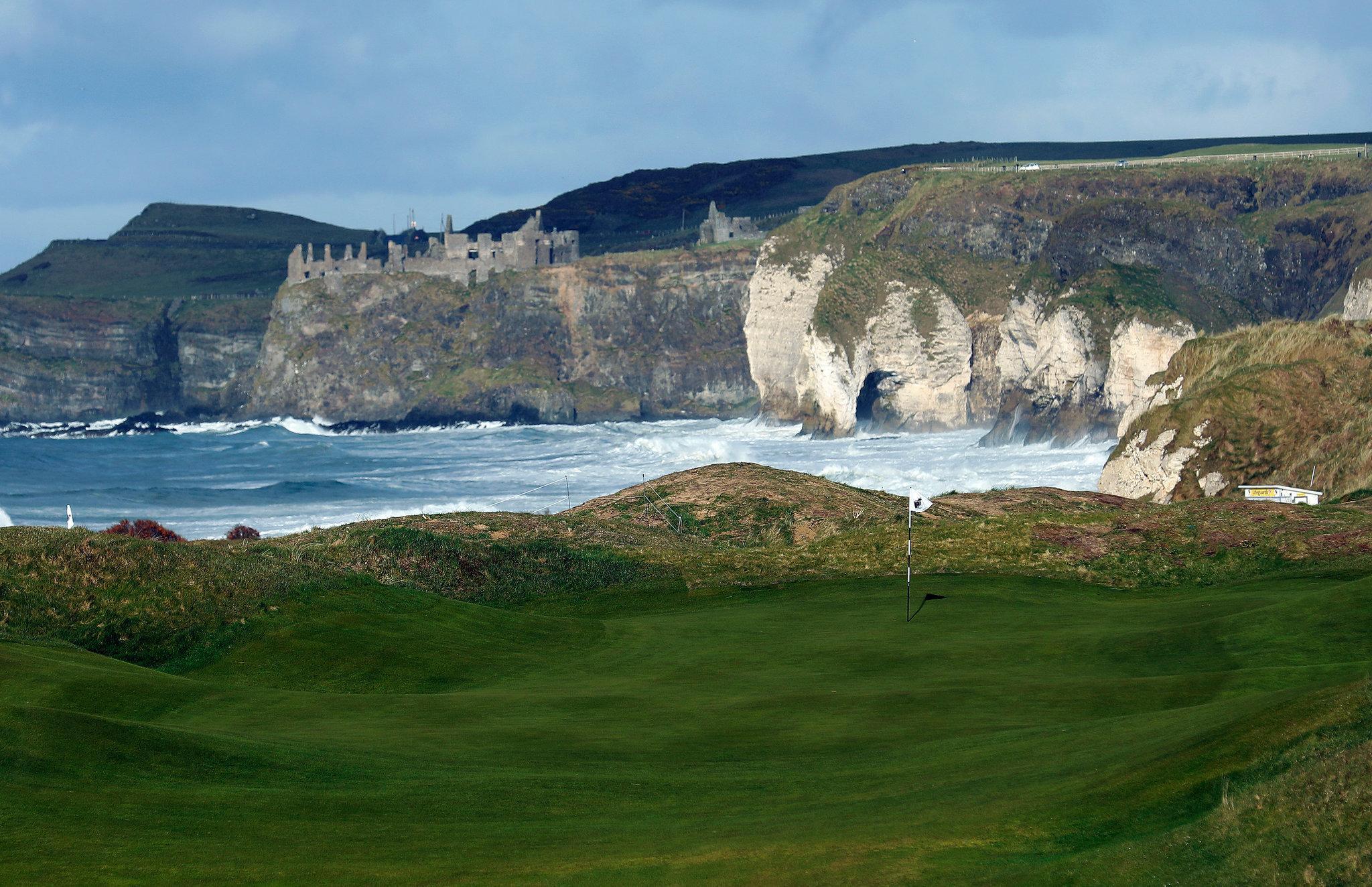
Mastering Mayhem: The six Most Diabolical Holes at royal Portrush
1. The 4th Hole - The Devilish Par 4 Challenge
The 4th hole at Royal Portrush is infamous for its punishing bunkers and tricky dogleg left fairway. This par 4 demands precision off the tee, as the prominent Pot Bunker lurks to claim any wayward drives. Golfers must carefully select their clubs, balancing power and accuracy to avoid these strategic hazards.
- Length: Approximately 400 yards
- Key hazard: Multiple deep bunkers shielding the green
- Tip: Favor a controlled fade shot to land safely before the bunkers
2. The 5th Hole – The Brutal Par 5 Atlanic Breeze Test
This lengthy par 5 stretches over 580 yards along the coastal dunes. Strong winds from the Atlantic Ocean make club selection a gamble.the green complex is severely undulated, requiring a deft touch on approach shots and precise putting.
- length: 580+ yards
- Key challenge: Wind conditions shifting shot strategy
- Golf strategy: Lay up wisely to avoid thick rough near the dunes
3. The 7th hole – The Formidable Short Par 3
Though only around 170 yards, the 7th hole’s small, undulating green is protected by deep bunkers, and the swirling coastal wind can turn a simple tee shot into a gut-wrenching test of skill. Club selection and reading the wind are crucial for par here.
Playing tips for the 7th Hole:
- Use a club that can handle unpredictable gusts
- Play for the center of the green to avoid hazards
- Keep the ball below the hole for easier downhill putts
4.The 10th Hole – The Risk-Rewards of the Par 4
The 10th, a thrilling par 4 dogleg right, tempts golfers to cut the corner over the natural dunes. However, biting rough and deep bunkers penalize aggressive attempts. For the prudent player,laying back provides a safer angle for approach shots.
| Length | Hazards | Recommended Strategy |
|---|---|---|
| 422 yards | Bunkers, Rough, Dunes | Strategic layup, conservative approach |
5. The 13th Hole – The Relentless Par 3 Fortress
The 13th features a challenging par 3 with swirling winds and a green surrounded by penal bunkering on all sides. Pin placements can make the difference between a birdie chance and a disastrous scorecard hole. Precision is vital for scoring here.
Pro Tip: Approach shots from the right side of the green generally provide safer short chips and putts.
6. The 18th Hole – The Ultimate Test of Nerve
Finishing at Royal Portrush is an unforgettable experience. The 18th hole, a long par 4, runs along the coastline with the ever-present threat of wind and deep rough. A narrow fairway lined by dunes funnels every tee shot, testing nerve and execution. The green complex slopes fiercely from back to front, demanding a delicate touch on approach shots.
- Length: 450 yards
- Key challenge: Coastal wind, narrow fairway, undulated green
- Winning mindset: Balanced aggression tempered with precision
Practical Tips for Tackling Royal Portrush’s Toughest Holes
- Master the wind: Always factor in the coastal gusts and adjust club selection and shot trajectory accordingly.
- Focus on course management: Avoid short-sighted risks where hazards are heavily penalizing.
- Practice bunker play: Deep bunkers are a hallmark of Royal Portrush, making sand play skills essential.
- Visualize your shots: Pre-shot routine should include thorough visualization especially on tricky approach shots.
- Stay mentally strong: The course can be unforgiving. Patience and confidence can secure critical pars and birdie chances.
Case Study: how Pros Conquer Royal Portrush
during the Open Championship at royal Portrush, professionals like Shane Lowry and Rory McIlroy showcased the importance of strategic play on these challenging holes.Carefully navigating the bunker-riddled fairways and battling the wind, Lowry’s cautious yet consistent approach on the 5th and 18th holes proved vital in his victory.
| Player | Key Hole | Strategy | Outcome |
|---|---|---|---|
| Shane Lowry | 5th Hole | Conservative tee shot, precise iron layup | Par, avoided hazards |
| Rory McIlroy | 18th Hole | Aggressive drive, solid approach to front green | Birdie opportunity, bolstered final round |
First-Hand Experience: Walking Royal Portrush’s Diabolical Terrain
Walking the dunes and rugged fairways of Royal Portrush reveals a course that demands respect. The salty Atlantic wind, combined with the strategic placement of hazards, forces golfers to think several shots ahead. Many players report that the 7th and 13th holes especially test nerve and skill, with quick decisions required amid swirling gusts.
Amateurs and pros alike must embrace the course’s challenge: a true test of shot shaping, patience, and mental resilience to conquer these six notorious holes.