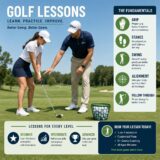
The pursuit of golfing excellence necessitates the adoption of a structured approach to skill development. This comprehensive guide presents a systematic methodology for honing essential golf techniques through meticulously designed drills. By engaging in these purposeful exercises, novice players can refine their swing mechanics, bolster accuracy, and minimize errors. The foundation established through these drills empowers golfers to confidently navigate the complexities of the game and embark on a journey toward mastery.
Importance of Golf Drills for Skill Development
****
Golf drills are an essential component of any golfer’s practice routine. They provide a structured approach to improving specific aspects of your game, such as your swing, putting, or chipping. By repeating these drills regularly, you can develop the muscle memory and consistency that are necessary for success on the course.
There are many different types of golf drills that you can use, and the best ones for you will depend on your individual needs and goals. Some popular drills include:
- Swing drills: These drills help you to improve your swing mechanics, such as your grip, stance, and takeaway.
- Putting drills: These drills help you to improve your putting accuracy and consistency.
- Chipping drills:
These drills help you to improve your chipping accuracy and distance control.
In addition to the physical benefits, golf drills can also help you to improve your mental game. By practicing under pressure and focusing on specific aspects of your swing, you can develop the confidence and consistency that are necessary to perform well on the course.
Here are some tips for getting the most out of your golf drills:
- Find a drill that is appropriate for your skill level and goals.
- Practice regularly, even if you only have a few minutes each day.
- Focus on quality over quantity. Repeat each drill slowly and deliberately.
- Get feedback from a qualified instructor or experienced golfer. This can help you to identify areas that need improvement.
With regular practice, golf drills can help you to take your game to the next level. So if you’re serious about improving your skills, make sure to include them in your practice routine.
Specific Drill Categories and Their Roles
### ****
Depending on the specific areas that require improvement, various drill categories can be employed to address them effectively. Each category focuses on distinct aspects of the swing or game, providing targeted practice to enhance performance.
Swing Mechanics Drills
These drills are designed to refine the fundamental elements of the golf swing. They focus on improving posture, grip, alignment, and the sequence of the swing. By practicing these drills consistently, golfers can ingrain proper technique, leading to greater accuracy, power, and consistency in their shots.
| Drill Category | Role | Examples |
|---|---|---|
| Alignment Drills | Ensure proper alignment of the body and clubface to the target line. | Stick drill, string alignment |
| Grip Drills | Develop a secure and comfortable grip that promotes consistent club control. | Interlocking grip drill, baseball grip drill |
| Posture Drills | Establish a balanced and athletic posture that facilitates a powerful and controlled swing. | Mirror drill, wall swing drill |
| Swing Sequence Drills | Break down the swing into individual components to improve timing and rhythm. | Half-swing drill, quarter-swing drill |
Ball-Striking Drills
These drills focus on developing a solid ball-striking motion. They aim to improve contact with the ball, promote a consistent strike, and enhance distance control. Through repetition and feedback, golfers can refine their impact position and optimize their ball-striking ability.
| Drill Category | Role | Examples |
|---|---|---|
| Tee Drills | Practice making clean contact with the ball from a tee, promoting a centered strike and distance control. | AimPoint TeeDrill, Tee-Off Tee Drill |
| Impact Drills | Focus on creating a descending blow with the clubface, resulting in solid contact and ball compression. | Impact tape drill, flag drill |
| Distance Control Drills | Improve consistency in hitting the ball at desired distances, fostering shot-making precision. | Yardage markers drill, target practice |
Course Management Drills
These drills simulate real-life playing situations to enhance decision-making, course strategy, and mental focus. They provide golfers with opportunities to practice shot selection, shot execution under pressure, and recovery shots from various hazards.
| Drill Category | Role | Examples |
|---|---|---|
| Target Practice Drills | Develop accuracy and focus by aiming at specific targets on the course, promoting shot-shaping and precision. | Flagstick target drill, bunker target drill |
| Shot Selection Drills | Improve judgment and decision-making by practicing shot choices from different lies and distances. | Lay-up drills, approach shot drills |
| Hazard Recovery Drills | Enhance confidence and recovery skills in challenging situations, such as bunkers, rough, and water hazards. | Bunker blast drill, rough chip drill |
A well-structured drill plan is essential for effective golf skill development. It provides a systematic framework for practice, ensuring that golfers focus on specific aspects of their game and make consistent progress. To create an effective drill plan, consider the following guidelines:
- Identify areas for improvement: Assess your current skill level and identify specific areas that need improvement. Consider factors such as your swing technique, ball striking, putting, and course management.
- Set realistic goals: Establish achievable goals for each drill, based on your current skill level and the amount of time available for practice.
- Choose appropriate drills: Select drills that are designed to address specific areas of improvement. Consider drills that isolate and focus on the desired skill, providing feedback on your performance.
Periodic Drill Reassessment and Refinement
****
Regularly reassessing your drills ensures they remain aligned with your skill level and goals. Consider the following steps:
- Frequency: Review your drills every 4-6 weeks or sooner if you experience significant improvement.
- Methods: Analyze drills through video footage, feedback from a coach, or self-observation. Pay attention to technical execution, consistency, and effectiveness.
- Refinements: Based on your observations, adjust drills as needed. For example, you might increase practice time for specific drills, vary repetitions, or incorporate different equipment.
Integrating Drills into Comprehensive Training Programs
****
The integration of drills is imperative in developing a systematic training program for golf skill enhancement. Golf drills serve as isolated exercises or practice techniques designed to improve specific components of the swing or overall gameplay. They enhance muscle memory, promote consistency, and enable focused improvement areas. Drills can effectively address swing mechanics, distance control, putting accuracy, and course management strategies.
An effective golf training program should seamlessly incorporate drills that target both technical and mental aspects of the game. Technical drills aim to refine swing technique, develop specific muscle groups, and improve ball-striking consistency. These drills may include grip exercises, alignment routines, tempo drills, and impact drills. Mental drills on the other hand foster strategic thinking, improve course management skills, and enhance focus and concentration. They encompass visualization exercises, pre-shot routines, and stress-inducing drills to simulate in-game pressure situations.
The integration of drills into a training regimen should be tailored to individual skill levels, strengths, and areas requiring improvement. Beginner golfers benefit from fundamental drills that establish proper swing mechanics, while intermediate players can focus on refining their technique and expanding their shot repertoire. Advanced golfers can utilize drills to fine-tune their swing, hone course management strategies, and prepare for tournament play. The selection of drills should be aligned with the goals and objectives of the training program to ensure optimal results and progress.
Outro
Moreover, regular and dedicated practice of these drills is essential for sustained improvement. By incorporating these drills into their practice routine, golfers can systematically enhance their skills and performance. This systematic approach not only accelerates progress but also facilitates the development of a more solid foundation for long-term success in the game of golf.