
Informed by a systematic, evidence-based viewpoint on sport and exercise nutrition, this academic guide synthesizes current research to deliver eight practical recommendations tailored for novice golfers. Golf performance depends not only on technical skill but also on physiological factors-sustained concentration, muscular endurance, thermoregulation, and timely recovery-that are directly influenced by nutritional choices. The guidance that follows emphasizes macronutrient timing to support energy availability and neuromuscular control, hydration strategies to preserve cognitive and physical function across rounds, on-course fueling to prevent performance declines during prolonged play, and micronutrient considerations that underpin long‑term health and recuperation.Aimed at new golfers, coaches, and allied health professionals, the guide adopts a concise, implementable approach: each proposal is grounded in contemporary sports‑nutrition literature and translated into actionable practices appropriate for typical amateur playing conditions. By integrating theoretical rationale with practical request, the eight tips are intended to enhance on‑course performance, reduce fatigue and injury risk, and optimize post‑round recovery, while remaining adaptable to individual needs and contextual constraints.
Macronutrient Timing for Pre Round, During Round, and Post Round Performance and Recovery
Consume a structured mixed meal in the 2-4 hour window before play to optimize muscular and cognitive readiness. Target a **carbohydrate-dominant meal** with moderate protein to support satiety and neuromuscular function (e.g.,**~1-3 g·kg⁻¹ carbohydrate** depending on body mass and time available; **15-25 g protein**),while keeping fats moderate to avoid delayed gastric emptying. for golfers who have only 30-60 minutes pre‑round, prioritize easily digestible carbohydrates (fruit, toast, liquid meal) and a small dose of protein; avoid high‑fat or heavily fibrous foods that can impair comfort and movement over a multi‑hour round.
During play,maintain steady exogenous carbohydrate availability and fluid balance to sustain shot-to-shot consistency and cognitive focus. Practical on‑course goals are **~20-40 g carbohydrate per hour**, consumed as small, frequent snacks, combined with routine fluid/sodium intake to offset sweat losses. Recommended choices include:
- Compact carbs: energy gels, chews, bananas
- Mixed snacks: small sandwiches, yogurt with fruit
- Sip strategy: 150-250 mL fluids every 15-20 minutes, more in heat
These measures preserve concentration during an often-intermittent, multi-hour exertion profile typical of golf.
Recovery should begin as soon as feasible after the last hole. Aim for a near-term protein bolus (approximately **20-40 g** high‑quality protein within 30-60 minutes) to stimulate muscle protein synthesis and support tissue repair; combine this with carbohydrate to replenish glycogen stores-approximately **0.4-0.7 g·kg⁻¹ carbohydrate** in the early recovery phase depending on subsequent training or play.Additionally, include sodium in rehydration fluids or snacks to enhance plasma volume restoration; consider antioxidant‑rich foods (berries, leafy greens) to modulate exercise‑induced inflammation without suppressing adaptive recovery.
Implement these timing principles with individualization: body mass, prior meal tolerance, ambient conditions, and round duration dictate precise targets. the table below provides concise, evidence-informed examples to translate macronutrient timing into practice for a typical adult recreational golfer. When available, consult a sports dietitian for personalized periodization across practice, competition, and travel.
| Timing | Example | Key Macro Targets |
|---|---|---|
| 2-4 h pre | Oatmeal, banana, skim milk | Carb-focused; 1-3 g·kg⁻¹ CHO, 15-25 g protein |
| During | Banana + sports drink | 20-40 g CHO·hr⁻¹ + electrolytes |
| Post 0-60 min | Greek yogurt + berries, sandwich | 20-40 g protein; 0.4-0.7 g·kg⁻¹ CHO |

Carbohydrate Strategies to Maintain Cognitive Function and Muscular Endurance with Practical Intake targets
Carbohydrate availability underpins both cognitive acuity and sustained muscular output during a multi-hour round.The brain relies primarily on blood glucose for attention, decision-making and fine motor control, while skeletal muscle uses stored glycogen for repeated swings and walking. Choose carbohydrate sources based on quality as well as quantity: whole grains, starchy vegetables and minimally processed cereals provide sustained release, whereas highly refined sugars can produce transient spikes and subsequent drops in glycemia (see The Nutrition source on carbohydrate quality). Managing fiber load pre-competition reduces the risk of gastrointestinal discomfort while maintaining steady energy delivery.
Translate physiology into targets that are practical on course. For pre-round fueling aim for approximately 1-4 g/kg body mass 1-4 hours before play, with many golfers benefiting from the middle of that range (≈1-2 g/kg 2-3 h pre-round) to balance satiety and gastric comfort. During prolonged play, maintain carbohydrate delivery to the circulation at about 30-60 g·h⁻¹ when walking or when the round exceeds ~2.5-3 hours; for less physically demanding rounds, 20-30 g·h⁻¹ may suffice. After play,prioritize glycogen resynthesis with ~1.0-1.2 g/kg in the first hour, coupled with a protein bolus (~20-30 g) to support repair and adaptation.
Implementable on-course strategies emphasize convenience and glycemic profile. Use a low-glycemic index (GI) meal 2-3 hours before tee-off (oat porridge with banana, whole-grain toast with nut butter) and reserve high-GI, fast-absorbing forms (sports drinks, gels, ripe banana) for mid-round top-ups when rapid glucose availability is desired. Keep an on-tee kit of small portions to avoid overconsumption: 30-40 g carbohydrate servings (e.g., a sports gel or 200-250 mL sports drink) eaten between holes or every 45-60 minutes during long rounds stabilizes both cognition and endurance. Monitor subjective markers (attention lapses, increased perceived effort) to titrate intake to individual needs.
Below is a succinct reference table to operationalize the above targets for a typical 75-90 kg recreational golfer; scale by body mass as needed. individualize according to body mass, prior meal composition and tolerance, and consider hydration and sodium concurrently. Practical tip: combine carbohydrate with small amounts of protein post-round to optimize recovery and maintain cognitive function the following day.
| Phase | Target | Practical examples |
|---|---|---|
| Pre-round (2-3 h) | 1-2 g/kg (e.g., 75-150 g for 75 kg) | Oat porridge + banana; whole-grain toast + honey |
| During (per hour) | 30-60 g·h⁻¹ (20-30 g·h⁻¹ minimal) | Sports drink 200-500 mL; gel; banana halves |
| Post (first hour) | 1.0-1.2 g/kg + 20-30 g protein | Chocolate milk; yogurt + fruit; recovery shake |
Protein Intake and Distribution to Optimize Muscle repair, Strength, and Injury Prevention in New Golfers
For new golfers aiming to enhance muscular repair, strength and reduce injury risk, prioritizing both **total daily protein** and its temporal distribution is essential. Evidence-based recommendations for recreational athletes and physically active adults typically range from **1.2-1.8 g·kg−1·day−1**, with many strength-focused protocols clustering around **1.6 g·kg−1·day−1**. Equally critically important is the per-meal stimulus for muscle protein synthesis (MPS): aim for roughly **0.3-0.4 g·kg−1** (or ~20-40 g) of high-quality protein per feeding occasion, spaced every 3-4 hours, and a bolus of protein (20-40 g) within 60-120 minutes after resistance work or an intense practice session to maximize recovery.
Translate these principles into practical habits that fit a golfer’s day-to-day routine. Examples include:
- Pre-round snack: 15-25 g protein with carbohydrate (e.g., yogurt + fruit) to support sustained play.
- Post-practice recovery: 20-40 g of rapidly digestible protein (dairy, whey, or a balanced mixed-meal) to augment MPS and glycogen repletion.
- Even distribution: 3-4 protein-containing meals/snacks evenly spaced to preserve lean mass and support strength adaptations.
- Bedtime protein: 30-40 g casein or whole-food equivalent can enhance overnight muscle repair, especially after heavy training days.
| Body Mass | Total Protein (1.6 g·kg−1) | Per Meal (~0.4 g·kg−1, 4 feeds) |
|---|---|---|
| 60 kg | 96 g·day−1 | 24 g |
| 75 kg | 120 g·day−1 | 30 g |
| 90 kg | 144 g·day−1 | 36 g |
Safety and individual considerations must inform any recommendation. Oral protein supplements and shakes can be a convenient way to meet targets-**useful for immediate post-session feeding**-but should not chronically replace nutrient-dense whole foods, as whole foods provide additional micronutrients and matrix effects important for long-term health. Clinicians should screen for contraindications: red‑meat allergies such as **alpha‑gal syndrome** require alternate protein sources, and unexplained changes in urinary protein or known kidney disease warrant medical evaluation (transient proteinuria can be exacerbated by dehydration). persistently elevated serum proteins or other abnormal labs should prompt clinician assessment to exclude pathology before aggressive high-protein strategies are implemented.
hydration Strategies and Electrolyte Management for Thermoregulation, Cognitive Clarity, and Fatigue Mitigation
Adequate fluid balance is foundational to maintaining thermoregulation, preserving fine motor control and decision-making, and delaying the onset of perceptual and physical fatigue during a round. General population benchmarks (total daily water intake averaging approximately 3.7 L for men and 2.7 L for women, including water from food and beverages) provide a starting point for planning hydration on play days. Practical monitoring should rely on objective, easily observed markers: urine color is a validated, field‑practical indicator of hydration status-pale straw-colored urine generally reflects euhydration, whereas darker urine suggests a need for additional fluids.
implement a simple timing protocol around practice sessions and rounds to reduce physiological strain and cognitive decline.Recommended behavioral checkpoints include:
- Pre-play: consume water steadily in the hours before tee-off to arrive euhydrated (avoid excessive boluses promptly before play).
- During play: sip fluids regularly rather than awaiting strong thirst cues; increase intake in hot, humid conditions.
- Post-play: rehydrate to restore body water losses and support recovery.
Drinking with meals dose not impair digestion and may support steady fluid replacement across the day.
When sweat losses are large (long rounds, high ambient temperature, or heavy sweaters), include sodium-containing options to preserve plasma volume and reduce cramping risk. Consider practical choices tailored to duration and intensity:
- Short rounds or mild conditions: plain water and salty snacks as needed.
- Extended play or high sweat rates: commercial electrolyte beverages, low‑sugar sports drinks, or electrolyte tablets dissolved in water to replace sodium and potassium.
- Situational aids: portable electrolyte tablets, travel-size sports drinks, and salted nuts for convenient on-course use.
Use straightforward, conservative rules to guide adjustments and safety checks. Fast decision guide:
| Situation | Recommended fluid choice |
|---|---|
| Cozy weather, < 2 hours | Water + light snack |
| Hot, humid, or > 2 hours | Electrolyte beverage or water + sodium source |
| Darker urine, lightheadedness | Immediate fluid + electrolyte; pause activity |
recognize individual variation and clinical constraints: persons with cardiac, renal, or hepatic disease may require customized fluid prescriptions and should consult thier healthcare provider before modifying intake. Regular self-monitoring (urine color, body-weight changes across rounds, and symptom checks) provides the best evidence-based approach for maintaining performance and safety on the course.
Practical On Course Fueling: Snack Selection, Portioning, and Timing for Sustained Energy and shot Consistency
Maintaining steady exogenous carbohydrate supply supports both cognitive focus and the fine-motor control necessary for repeatable shots.Empirical nutrition strategies for low-to-moderate intensity, prolonged activities indicate that providing ~30-60 g of carbohydrate per hour attenuates declines in blood glucose and perceptual fatigue; for many golfers this translates into multiple small snacks rather than one large meal. Practical on-course selections should prioritize rapidly available carbohydrate with modest protein for satiety and minimal fibre/fat immediately before a critical shot to reduce gastrointestinal burden.
- Quick options: banana halves, energy gels, rice cakes with honey
- Sustained options: turkey roll-ups, nut-butter sachets paired with a small piece of fruit
Portion control converts recommendations into actionable choices. The table below gives concise portioning guidance aligned with the 30-60 g·h−1 framework and expected glycaemic onset; use these as starting points and individualize through practice-round trials.
| Snack | Portion | Carb (g) | Onset |
|---|---|---|---|
| Banana (small) | 1/2 | 12-15 | 10-20 min |
| Energy gel | 1 sachet | 20-25 | 5-15 min |
| Rice cake + honey | 1 cake | 15-20 | 10-20 min |
| Greek yogurt (small) | 100 g | 8-10 | 15-30 min |
| Nut-butter sachet | 1 sachet | 3-5 (plus fat) | 30-60 min |
Timing strategies should reflect both the structure of play and physiological kinetics. Consume a carbohydrate-rich snack 30-60 minutes before the first tee to top up glycogen and stabilise glucose; thereafter, ingest small carbohydrate amounts every 45-60 minutes during play to avoid hypoglycaemic dips that compromise concentration and swing consistency. For short-term, high-stakes moments (e.g., final holes, tournament shots), a low-volume, quickly absorbed carbohydrate (≈10-20 g) 5-15 minutes prior can sharpen attention without causing gastric discomfort.
- Pre-round: 30-60 min, 30-50 g CHO
- During round: 15-30 g CHO every 45-60 min (adjust by body size and exertion)
- Before key shot: 10-20 g CHO, 5-15 min prior
Logistics and individualisation determine real-world efficacy: use insulated pouches or small coolers for perishable items, prefer individually wrapped portions to simplify dosing, and adapt choices to walking versus cart play (walking increases hourly energy needs). Monitor subjective markers-hunger, perceived effort, mental clarity-and objective ones where possible (pre- and intra-round glucose, body mass changes) to tune portioning. include a post-round recovery packet combining ~20-30 g protein with 40-60 g carbohydrate within 60 minutes to support muscle repair and glycogen restoration; iterative, evidence-informed trialing on practice rounds is essential for achieving consistent on-course performance.Personal testing is the most reliable method to ensure that chosen snacks and timings enhance, rather than hinder, shot consistency.
Micronutrient Considerations and Supplementation Guidance for Iron, Vitamin D, and Antioxidants
Iron status directly influences aerobic capacity and neuromuscular endurance-two determinants of consistent driving distance and fatigue resistance during an 18‑hole round. Female golfers, long‑term low‑energy availability, and frequent endurance training are higher‑risk profiles for depletion. Clinical assessment should include serum ferritin and hemoglobin (and, where indicated, transferrin saturation); empiric supplementation is not recommended without laboratory confirmation. When deficiency is confirmed, evidence supports supervised oral therapy (commonly 45-100 mg elemental iron/day), with strategies to maximize absorption such as coadministration with **vitamin C**, avoidance of concurrent calcium/coffee/tea, and consideration of alternate‑day dosing to reduce gastrointestinal side effects and improve absorption. Regular re‑testing at 6-8 week intervals until repletion is advised to guide duration and dose adjustments.
Vitamin D influences muscle function, balance, bone health and immune competence-attributes relevant to both performance and recovery on the course. Assessment via serum 25‑hydroxyvitamin D (25(OH)D) is the standard; many clinicians target a pragmatic range of approximately **30-50 ng/mL (75-125 nmol/L)** for athletic populations, recognizing seasonal and geographic variability. Moderate maintenance supplementation (for example, **800-2,000 IU/day**) is frequently used when sunlight exposure is inadequate; higher therapeutic regimens (e.g., short courses of 50,000 IU weekly) should be reserved for documented deficiency and supervised by a clinician. Note the interaction with calcium metabolism and the importance of individualized dosing informed by baseline status and follow‑up testing.
Endogenous reactive oxygen species increase with prolonged walking, competitive stress and intermittent high‑intensity swings; nutrients with antioxidant properties can modulate oxidative stress and support recovery. However, randomized studies indicate that chronic high‑dose single‑agent antioxidant supplementation (notably large doses of vitamin C or vitamin E) may attenuate cellular signaling pathways involved in training adaptations. For golfers,a pragmatic approach emphasizes **whole‑food sources of antioxidants**-berries,dark leafy vegetables,nuts,green tea and cocoa-while reserving concentrated supplements for clinical indications (e.g., documented deficiency, high inflammatory burden). timing matters: dietary antioxidants consumed as part of regular meals and post‑round recovery feedings are preferable to high‑dose pre/post‑practice megadoses that could blunt physiological adaptation.
| Nutrient | Primary role | Key food sources | Supplement note |
|---|---|---|---|
| Iron | Oxygen transport, endurance | Red meat, lentils, spinach, fortified cereals | Test before supplement; pair with vitamin C; alternate‑day dosing |
| Vitamin D | Muscle function, bone, immunity | Fatty fish, fortified dairy, sunlight | Check 25(OH)D; 800-2000 IU/day if insufficient |
| Antioxidants | Recovery, inflammation modulation | Berries, nuts, green tea, vegetables | Prefer foods; avoid chronic megadoses of single vitamins |
- baseline testing: obtain ferritin and 25(OH)D before initiating targeted supplements.
- Food first: prioritize dietary sources; use supplements to correct deficiencies or bridge shortfalls.
- Monitor interactions: time iron away from calcium/coffee/tea; pair iron with vitamin C to enhance uptake.
- Clinical oversight: engage a sports dietitian or clinician for dosing, follow‑up labs and to avoid unnecessary high‑dose antioxidant regimens.
Developing a Personalized Nutrition Plan: Assessment, Monitoring, and evidence Based Adaptation for Long Term Performance
Initial assessment must integrate objective and subjective domains to create a defensible baseline. Collect anthropometry (body mass, body composition where available), a 3-7 day dietary recall, training/competition calendar, sleep pattern, medical history and pertinent laboratory markers (iron status, 25‑OH vitamin D, B12, basic metabolic panel). Frame performance goals (endurance over 18 holes, driving power, recovery between rounds) as measurable outcomes so nutritional prescriptions can be aligned with specific physiological targets rather than generic recommendations.
Ongoing monitoring should combine simple field measures and digital tools to detect meaningful changes. Use validated instruments: brief food diaries or app-based tracking for intake patterns, session RPE and distance walked for load, and wearables for heart rate variability or steps when available. Emphasize feasibility and data quality-regular but brief checks produce higher adherence and more actionable signals than complex protocols that athletes abandon.
- Dietary adherence – weekly quick logs
- Hydration status – daily body mass changes or urine color at training/competition
- Performance proxies – session RPE, 9/18‑hole time, driving distance (biweekly)
- Clinical labs – iron and vitamin D every 3-6 months or sooner if flagged
Translate monitoring into evidence‑based adaptations via predefined decision rules and periodization. Use macronutrient periodization (higher carbohydrate availability for practice blocks with long walking sessions; increased protein around strength sessions to support synthesis) and adjust energy intake to preserve lean mass during calorie deficits. when thresholds are crossed (for example, persistent fatigue with reduced HRV and >3% unintended body‑mass loss), modify intake, hydration strategy or recovery practices rather than making multiple simultaneous changes. Maintain clinician oversight for biochemical abnormalities; consult a registered sports dietitian for individualized supplementation and long‑term behavioral strategies to optimise adherence and durable performance gains.
| Metric | Tool | Suggested Frequency |
|---|---|---|
| Dietary pattern | 7‑day app log | Monthly |
| Hydration status | Morning body mass / urine colour | Daily |
| Iron / vit D | Blood test | 3-6 months |
Q&A
Below is a professional, academic-style Q&A intended to accompany an article titled ”Academic Guide: Top 8 Nutrition Tips for New Golfers.” Each question addresses one of the eight evidence-informed topics (macronutrient timing, hydration, on‑course fueling, recovery, micronutrients, energy balance, ergogenic aids, and personalization). Where appropriate,guidance is linked to authoritative nutrition resources and framed with current sports‑nutrition practice and qualifiers.1) Q: What macronutrient‑timing principles should first‑time golfers follow to optimize energy and cognitive focus before and during a round?
A: Prioritize a mixed carbohydrate-protein meal 2-4 hours before tee‑off to top up glycogen and support sustained cognitive performance (e.g., 1-4 g carbohydrate·kg−1 body mass and 0.25-0.4 g protein·kg−1). For golfers with limited pre‑round time, a smaller carbohydrate‑dominant snack (≈0.3-1 g carbohydrate·kg−1) 30-60 minutes before play can reduce hunger and support concentration. Because golf is intermittent and cognitively demanding rather than continuously intense,moderate carbohydrate availability supports both neuromuscular control and attention during long rounds. Individual tolerance (GI symptoms) should guide timing and meal composition.2) Q: What evidence‑based hydration strategies should be used before, during, and after play?
A: Use planned hydration to avoid >2% body‑mass water loss, which can impair cognitive and motor performance. Practical steps:
– Pre‑round: consume ~5-7 mL·kg−1 of fluid in the 2-4 h before play; if urine is dark or you’ve had recent heavy sweating, take an additional 3-5 mL·kg−1 in the last 1-2 h.- During play: drink regularly (small volumes) to match sweat losses; measure by body mass change when possible. for many golfers this may be ~150-300 mL every 15-30 min depending on conditions and sweat rate.
– Electrolytes: include sodium in fluids (sports drinks or salted snacks) when rounds are long, temperatures are high, or sweat losses are large; this helps retention and reduces cramping risk.
– Post‑round: replace fluid deficits (aim to consume ~1.25-1.5 L per kg of body‑mass lost) and include electrolytes. general healthy‑diet resources and hydration guidance are summarized by major public health organizations (see WHO healthy‑diet information) and clinical sources (see Mayo Clinic Health System) for baseline recommendations. Tailor to individual sweat rates, environment, and medical conditions.
3) Q: What are appropriate on‑course fueling strategies for new golfers?
A: Aim for easily digested carbohydrate sources that are portable and tolerated by the individual. For typical 4-5+ hour rounds of intermittent activity,20-40 g carbohydrate·hr−1 (from fruit,bars,gels,sandwiches) is a practical target to sustain energy and concentration. examples: banana (≈25-30 g CHO) + small yogurt; half sandwich with lean protein; sports chew/gel (15-25 g CHO) with water; mixed nuts + dried fruit for combined carbohydrate/fat. Avoid high‑fat, high‑fiber, or unfamiliar foods immediately before play to minimize GI upset. monitor subjective focus and energy; adjust type and timing accordingly.
4) Q: How should golfers structure post‑round nutrition to promote recovery?
A: Implement a post‑exercise window to replenish glycogen and support muscle repair. A common recommendation is ~1.0-1.2 g carbohydrate·kg−1 and ~0.25-0.4 g protein·kg−1 within 30-60 minutes after play,followed by continued balanced meals. For shorter recovery demands, a mixed meal (carbohydrate + 20-30 g protein) within 1-2 h is effective.Rehydrate with fluids and electrolytes proportional to measured losses. Recovery strategies should be adapted according to whether additional training, practice, or competition follows the round.
5) Q: Which micronutrients warrant attention for golfers and how should they be managed?
A: Key micronutrients for musculoskeletal and neuromuscular function include:
– Iron: critically important for oxygen transport and fatigue resistance; assess status in athletes with persistent fatigue, heavy sweating, female athletes, or restrictive diets.
– Vitamin D and calcium: essential for bone health and muscle function-ensure adequate dietary intake and sunlight exposure; test vitamin D status if deficiency is suspected.
– Magnesium and potassium: involved in muscle contraction and recovery; maintain through a balanced diet rich in vegetables,fruits,dairy,nuts,and whole grains.Prioritize food sources and dietary assessment before supplementation; consult a clinician or registered dietitian for testing and supplementation advice. Public health guidance on balanced diets provides foundational context (WHO; Mayo Clinic Health System).
6) Q: How does energy balance and body composition affect golf performance, and what practical guidance should new golfers follow?
A: Adequate energy availability is necessary to support training, cognition, and bone health. Excessive caloric restriction can impair concentration, strength, and recovery; conversely, appropriate body composition that supports strength and endurance can aid driving distance and stamina. New golfers should aim for gradual, lasting body‑composition changes when needed, emphasize nutrient‑dense foods, and preserve lean mass through regular resistance exercise combined with sufficient protein intake (≈1.2-1.6 g·kg−1 for recreational athletes during body‑composition change). Personalized goals are best set with a sports‑trained dietitian.
7) Q: Are ergogenic aids (e.g., caffeine, creatine) useful or recommended for golfers?
A: Some aids have evidence for specific outcomes but require individualized consideration:
– Caffeine: single doses of ~3-6 mg·kg−1 can improve alertness, reaction time, and perceived effort. Lower doses (1-3 mg·kg−1) may support focus with fewer side effects.Assess tolerance and avoid late‑day use that disrupts sleep.
– creatine monohydrate: well‑supported for increasing strength and lean‑mass gains with resistance training; may indirectly improve driving power over time.
- Other supplements: many lack robust evidence for golf‑specific benefits and can carry contamination risk. Use third‑party‑tested products and consult a sports dietitian or physician. Rely on whole foods first.
8) Q: How should new golfers personalize nutrition plans and where can they find reliable guidance?
A: Personalization should consider body mass, health status, playing/competition schedule, environmental conditions, dietary preferences, and tolerance.Steps:
– Start with foundational healthy‑diet principles (variety, adequate energy, adequate fluids) as described by public health organizations (e.g., WHO) and clinical guidance (e.g., Mayo Clinic Health System).
– monitor responses (energy,cognitive focus,GI symptoms,body mass changes) and adjust macronutrient timing,on‑course snacks,and hydration practices.
– Seek individualized assessment from a registered dietitian or sports nutrition professional for medical conditions, performance goals, or supplement decisions. Evidence‑based, individualized plans reduce risk and optimize performance and recovery.
concluding note: The above guidance synthesizes established sports‑nutrition practices tailored for the intermittent,cognitively demanding nature of golf and aligns with general healthy‑diet frameworks promoted by public health authorities. For individualized medical or dietary recommendations,consult a qualified clinician or registered dietitian (see Mayo Clinic Health System nutrition resources) and apply public‑health diet guidance (see World Health Institution resources) as a foundational reference.
References and further reading:
– World Health Organization – Healthy diet and nutrition resources (see WHO healthy‑diet fact sheet and guideline materials).
– Mayo Clinic Health System – Nutrition topics and consultation recommendations (for individualized dietary advice).
this Academic Guide synthesizes current evidence to provide eight practical, research-informed nutrition strategies tailored for first-time golfers. These recommendations-centered on macronutrient timing, targeted hydration, pragmatic on-course fueling, and attention to key micronutrients-are intended to support acute performance demands during play and longer-term recovery and training adaptation.emphasis is placed on individualized application, alignment with training load, and conservative use of supplementation only when supported by high-quality evidence.
Readers are encouraged to situate these guidelines within the broader scientific literature and to pursue ongoing learning through scholarly resources (for example, Google Scholar) and peer-reviewed journals. Where possible, novice golfers should collaborate with credentialed professionals (registered dietitians, sports nutritionists, and medical providers) to tailor plans to personal physiology, health status, and competitive goals. Future research that further quantifies golf-specific energy expenditure,fluid losses,and nutrient kinetics will strengthen and refine these recommendations.
By integrating the evidence-based strategies outlined here with individualized monitoring and professional guidance, new golfers can more reliably enhance on-course energy management, maintain cognitive and motor function across rounds, and promote recovery-all of which contribute to safer, more consistent performance and longer-term wellbeing.
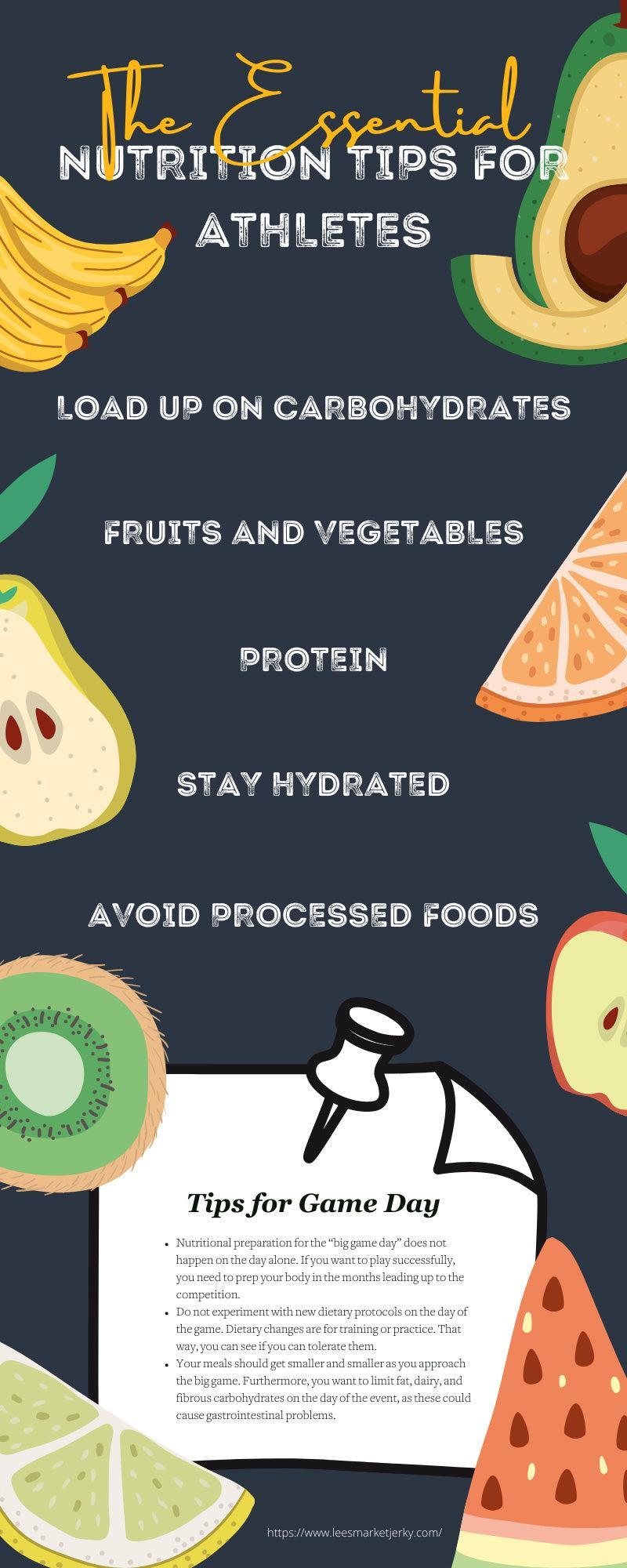
Academic Guide: Top 8 Nutrition Tips for New Golfers
This evidence-based guide distills sports-nutrition science into eight practical, golf-specific strategies. Each tip includes the physiology behind it, on-course and off-course meal ideas, timing guidance, and practical, beginner-friendly actions to improve golf performance, energy, focus, and recovery. Keywords woven naturally: golf nutrition, golfers, on-course fueling, golf hydration, golf performance, driving distance, golf recovery.
Tip 1 - Prioritize Smart Macronutrient Timing for Energy and Focus
Why it matters: A golf round demands steady mental focus and intermittent bursts of power (drives, short chips).Strategic carbohydrate and protein timing sustains blood glucose, supports concentration, and primes muscles for explosive shots.
Evidence-based guidance
- Pre-round meal (1-4 hours before): aim for 1-4 g carbohydrate per kg bodyweight, moderate protein (15-30 g), low-moderate fat to avoid gastrointestinal upset.
- Pre-round snack (30-60 minutes before): 20-60 g easily digested carbohydrate (e.g., banana, sports bar, toast with jam) to top up glycogen and blood glucose.
- During the round: consume 30-60 g carbohydrate per hour for rounds >2 hours or when intensity/sweat is high. For casual 4-5 hour rounds,aim for modest hourly carbs (20-40 g/hr) to preserve concentration and power.
- Post-round recovery (first 60-120 minutes): 1.0-1.2 g/kg carbohydrate plus ~20-40 g high-quality protein to replenish glycogen and support muscle repair.
Practical on-course examples
- Pre-round: oatmeal with fruit + Greek yogurt (1-2 hrs before)
- Snack at hole 1: banana or energy bar (30-60 min pre-start)
- Between holes: small sandwich, trail mix, or sports gel every 60-90 minutes depending on appetite
Tip 2 – Hydration Protocols: Plan, Monitor, Replace
Why it matters: Subtle dehydration (~2% body mass) impairs cognitive function and fine-motor skills crucial for putting and shot consistency.
Hydration strategy
- Pre-hydrate: 5-10 ml/kg body weight 2-4 hours before tee time (e.g.,a 75 kg golfer → 375-750 ml).
- Top-up: 200-300 ml about 10-20 minutes before tee-off if needed.
- During play: sip 150-300 ml every 15-30 minutes; adjust upward in heat or with heavy sweat.
- Electrolytes: include sodium (sports drink or salted snack) for rounds >90-120 minutes in hot or humid conditions to maintain fluid balance and avoid hyponatremia.
Signs to watch for
- Dark urine, dry mouth, headaches, dizziness – increase fluid and electrolyte intake.
- Weigh yourself before and after practise rounds to estimate sweat loss and refine fluid plan.
Tip 3 - On-Course Fueling: Easy, Practical Foods That Work with the Game
Why it matters: Golfers need portable, familiar, low-mess foods that deliver steady carbs, a bit of protein, and some sodium for long rounds.
| Snack | Primary Benefit | Approx. carbs / Protein |
|---|---|---|
| Banana | Fast carbs + potassium | 25 g / 1-2 g |
| Energy bar (low-fat) | Compact carb source | 20-35 g / 3-8 g |
| Turkey sandwich (small) | Carbs + protein for steadier energy | 30-40 g / 12-20 g |
| Trail mix (with salted nuts) | Carbs, fat, sodium for longer rounds | 20-30 g / 5-8 g |
On-course rules of thumb
- Choose low-fat options pre- and mid-round to reduce gastric discomfort during swings.
- Pair some protein with carbs post-round to jumpstart recovery (e.g.,chocolate milk,yogurt,or a small sandwich).
tip 4 – Protein for Strength, Stability, and Recovery
Why it matters: Golfers who train for swing speed, core stability, or endurance benefit from structured protein intake to support muscle synthesis and repair.
Daily and timing guidance
- Aim for ~1.2-1.7 g protein/kg body weight daily when doing regular strength training or practicing frequently.
- Distribute protein evenly across meals (20-40 g per meal) to maximize muscle protein synthesis.
- Post-round snack/meal with 20-30 g of protein supports recovery and satiety.
Tip 5 – Micronutrient Priorities for New Golfers
Why it matters: vitamins and minerals support energy metabolism, muscle function, bone health, and immune resilience-essential for consistent practice and play.
Key micronutrients
- Vitamin D & Calcium – bone health and muscle function; consider assessment and supplement if deficient (especially in low-sun regions).
- Iron – oxygen transport and endurance; female golfers and those with fatigue should screen (serum ferritin/hemoglobin).
- Magnesium – muscle relaxation, recovery, and sleep quality.
- Potassium & Sodium – electrolyte balance; significant during hot-weather rounds.
- B vitamins - energy metabolism; typically sufficient in balanced diets but check if restricting calories.
For general nutrition foundations, see resources from reliable organizations (such as, Mayo Clinic’s nutrition topics and WHO nutrition guidance).
Resources: Mayo Clinic Health System – nutrition, WHO – Developing nutrition guidelines.
Tip 6 – Match Fuel to Golf-Specific Demands (Power vs. Endurance)
Why it matters: Different parts of golf require different energy systems. Drivers and long irons need short-power bursts,while walking 18 holes uses aerobic endurance.
How to structure training-day nutrition
- Practice focused on power (short high-intensity sessions): include a higher carbohydrate snack 30-60 minutes pre-session and a protein-rich recovery snack post-session.
- Long walking rounds or endurance days: prioritize steady carbohydrate intake during play (small snacks each hour) and ensure electrolyte replacement.
- Strength days: higher protein distribution across meals and targeted carbohydrate around training.
Tip 7 – Practical Supplement guidance and Safe Use
Why it matters: Supplements can help correct deficiencies or support performance, but safety, evidence, and purity are critical-especially for competitive golfers who may be subject to doping rules.
practical supplement pointers
- Test first: check blood levels (vitamin D, iron) before supplementing; work with a healthcare professional or registered dietitian.
- Evidence-based options: vitamin D (if deficient), iron (if deficient), caffeine (small amounts can boost focus and drive power when timed appropriately), creatine for strength/power training.
- Avoid proprietary blends or unverified products; choose third-party tested supplements (e.g., NSF Certified for Sport) if you compete.
Tip 8 – Sleep, Stress, and Nutrition Interactions
why it matters: Sleep and stress dramatically alter appetite, hormone balance (e.g., cortisol), recovery, and motor learning-key factors in improving the golf swing and consistency.
Actionable steps
- Prioritize consistent sleep (7-9 hours for most adults); support sleep with a protein-rich evening snack if needed (e.g., cottage cheese, Greek yogurt) and limit late high-sugar foods.
- Use hydration and carb/protein strategies pre- and post-practice to lower physiological stress and speed recovery.
- Mental skills + nutrition: use consistent fueling and hydration to reduce anxiety about energy crashes during competition rounds.
Benefits and Practical Tips – Quick Reference
- Better focus and steadier putting: regular small carbohydrate intake + hydration.
- Improved recovery after lessons or strength training: protein distribution across the day + post-round recovery meal.
- More consistent driving distance: fuel pre-practice and during high-intensity training days, support power with creatine if appropriate and training-aligned protein intake.
Sample “On-the-Green” Fuel Kit
- Reusable bottle with electrolyte drink (or water + salty snack)
- 2-3 bananas or apples
- 2 compact energy bars or 4-6 energy gels (if you prefer)
- Small sandwich (turkey/cheese) wrapped for hole-to-hole convenience
- Portable protein option (cheese sticks, jerky, or a small tub of Greek yogurt if chilled)
First-hand Practice Protocol – Beginner-Friendly Plan
Use this simple daily routine for a weekend round or practice day:
- 2-3 hours before tee: balanced meal (e.g.,wholegrain toast,eggs,fruit,yogurt).
- 30-60 minutes before tee: small carb snack (banana, half a bar).
- Every 45-60 minutes on-course: small carb source + water/sports drink (banana, bar, or gels).
- Post-round: 20-40 g protein + carb (chocolate milk, sandwich, or rice + chicken) within 60-90 minutes.
- Assess and adjust based on how you feel: note energy dips, GI discomfort, or cramping and modify timing or choices accordingly.
Evidence Summary and Where to Learn More
This guide synthesizes well-established sports nutrition principles-carbohydrate timing for sustained energy, fluid and electrolyte replacement for cognitive and motor performance, protein distribution for recovery, and attention to micronutrients for long-term health. For additional, clinician-reviewed guidance see the Mayo Clinic nutrition topics and global food and nutrition guideline resources from the World Health Organization.
Further reading: Mayo Clinic – Nutrition | WHO – Nutrition Guidelines
If you’d like, I can create a printable on-course fueling checklist tailored to your body weight, tee time, and weather conditions – tell me your typical round length and preferred snacks and I’ll build it.