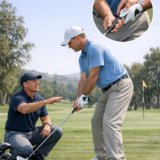
Exploring Effective Golf Practice Regimens
The practice of golf is essential for both skill development and performance maintenance. This study investigates the various elements that contribute to successful golf practice routines, emphasizing the optimization of training time, the design of targeted drills, and the integration of psychological strategies to boost performance. By examining the training habits of accomplished golfers alongside contemporary coaching innovations, this research aims to provide a thorough understanding of what constitutes effective golf practice.

Importance of Practice in Golf Performance
Practice is crucial for improving golf performance as it creates a structured environment where players can develop techniques, refine strategies, and build muscle memory. An effective practice regimen should include:
- Focused Drills: Concentrate on specific aspects such as grip adjustments, stance corrections, and ball placement to enhance accuracy and consistency.
- Coursing Simulation: Engaging in simulated course scenarios or utilizing driving ranges allows players to train under realistic conditions while facing various challenges.
- Swing Evaluation: Employing technology like video analysis or launch monitors helps golfers assess their swing mechanics for precise feedback and improvement opportunities.
Structured Practice Schedules
A well-organized schedule is vital for effective practice that balances repetition with diversity. This approach ensures comprehensive attention across all game facets while preventing overtraining or fatigue.
Duration and Intensity Considerations:
The ideal duration varies according to individual skill levels and available time. Beginners often need more frequent sessions for foundational skills development; conversely, advanced players may benefit from shorter but more intense practices.
| Skill Level | Intensity Level | Total Duration (minutes) |
|---|---|---|
| Beginner | Moderate | 60-90 minutes |
| Intermediate | Moderate-High | 90-120 minutes |
| Advanced | High | 120-150 minutes |

| Day | Focus Area | Duration |
|---|---|---|
| Monday | Chipping & Putting | 1 Hour |
| Wednesday | Full Swing (Drivers & Irons) | 1 Hour |
| Friday | Short Game & Bunker Play | 1 Hour |
| Weekend | Course Management (Play 9 Holes) | 2 Hours |
Final Note
Remember that improvement in golf, as in any sport, takes time, patience, and dedication. Utilize these effective practice regimens to see a significant difference in your performance on the golf course.
You might be interested in …

Discover the Hidden Gem: Why Pittsburgh Field Club Boasts Seth Raynor’s Finest Greens!
Seth Raynor’s best set of greens? It could be this Pittsburgh club
Seth Raynor, the legendary golf course architect, crafted some of the most stunning and challenging courses across the United States. Among his masterpieces is the South Course at Pittsburgh Field Club.
The greens at Pittsburgh Field Club are celebrated for their intricate slopes and captivating undulations. Many golfers regard them as some of the finest greens in the nation.
These greens exemplify Raynor’s exceptional talent as a golf course designer. They present a formidable challenge while remaining fair and rewarding, making them a delight for golfers of all skill levels

Putting Method: Principles for a Reliable Stroke
This study outlines putting fundamentals-grip, stance, alignment-and analyzes how their coordinated application produces a repeatable, reliable stroke, improving performance in competitive play.

2024 Procore Championship: How to watch, TV coverage, streaming info, tee times
2024 Procore Championship: Golfing Greatness Awaits
The 2024 Procore Championship is set to tee off, promising an unforgettable spectacle for golf enthusiasts. Join us for four days of captivating competition at the iconic Hill Country Golf Club in San Antonio, Texas.
Witness world-class golfers battle it out for the coveted trophy. From July 11th to 14th, the course will come alive with thrilling shot-making and strategic play. Don’t miss your chance to experience the excitement and drama firsthand!
Tune in to Golf Channel or stream the action live on ESPN+ to catch every stroke and putt. Tee times and additional coverage details will be announced soon. Stay tuned for all the latest updates on this highly anticipated event. #ProcoreChampionship #TeeTime #GolfingExtravaganza