The performance demands of contemporary golf extend beyond technique and equipment,encompassing complex interactions among musculoskeletal architecture,neuromuscular control,and external forces during the swing. Precision, clubhead speed, and consistency arise from coordinated multi-segmental motion that transfers energy from the lower extremities through the torso to the upper limbs and club.Concurrently, repetitive high-velocity loading and asymmetrical movement patterns place golfers at elevated risk for overuse and acute injuries unless training is specifically designed to address the mechanical and physiological stressors inherent to the sport.
Biomechanics-the application of mechanical principles to living organisms and the scientific study of movement-provides the analytical frameworks and measurement tools necesary to quantify the kinematic, kinetic, and neuromuscular elements of the golf swing (see e.g., [1], [4]). At the whole-body level, concepts such as the kinematic sequence, ground reaction forces, joint moments, and rate of force development elucidate how power is produced and transferred. At smaller scales, muscular activation patterns, tendon loading, and tissue adaptation govern performance capacity and injury susceptibility. integrating extrinsic factors (equipment, ground interaction) with intrinsic factors (anatomy, motor control, tissue resilience) enables a comprehensive assessment of swing mechanics and their trainability.
This article synthesizes contemporary biomechanical evidence and applied training science to articulate golf-specific conditioning strategies. Emphasis is placed on translating laboratory-based insights into pragmatic interventions across mobility, strength, power, motor control, and periodization frameworks, while addressing screening, load management, and injury-prevention principles. By reconciling biomechanical analysis with physiological training prescription, the goal is to provide an evidence-informed roadmap for practitioners and researchers seeking to optimize performance and reduce injury risk in golfers.
Integrating Kinematic sequencing and Kinetic Chain Principles to Maximize clubhead Velocity and Consistency
Effective transfer of mechanical energy in the golf swing depends on a precise proximal‑to‑distal kinematic cascade: sequential acceleration of the pelvis, thorax, upper limb segments, and finally the club. High clubhead velocity emerges not from isolated segment speed but from optimized intersegmental timing where each segment attains peak angular velocity slightly after its proximal neighbor. disruptions to this temporal pattern-early arm acceleration, delayed pelvic rotation, or inadequate thoracic dissociation-produce energy leaks that reduce ball speed and increase variability. Quantifying segmental timing and angular impulse provides a reproducible framework for both assessment and targeted intervention.
Complementary to sequencing, kinetic‑chain mechanics ground the swing in force production and transmission. Effective use of ground reaction forces (GRF) and coordinated eccentric‑to‑concentric muscle actions in the lower extremities create a stable base and feed proximal rotation. The interplay of loadtransfer (backswing to downswing), weight shift, and bracing enables the torso and arms to operate on optimal length‑tension relationships. From a physiological standpoint, maximizing net external moment while minimizing antagonistic co‑contraction supports both higher peak velocities and reduced internal joint stress-thereby enhancing performance and mitigating injury risk.
Training must thus integrate neuromuscular sequencing with kinetic‑chain capacity through specific, progressive interventions. Core elements include:
- Reactive rotational power: medicine‑ball throws with unilateral lower‑limb drive to rehearse timed energy transfer;
- Force development: loaded squats and single‑leg exercises emphasizing rapid eccentric braking to concentric drive;
- Segmental sequencing drills: step‑through swings and pause‑release progressions to refine pelvis→thorax→arm timing;
- Motor control constraints: variability training (different stances, ground surfaces) to improve robustness and consistency.
Progressions should manipulate load, velocity, and stability in a periodized fashion, with objective checkpoints for transfer to on‑course outcomes.
objective monitoring closes the loop between biomechanics and training. Practical metrics-pelvic and thoracic peak angular velocity, intersegmental lag times, GRF impulse, and ball speed/smash factor-offer actionable targets for coaches and practitioners. Use of wearable inertial sensors, radar launch monitors, and force plates can triangulate deficits and document adaptation. Below is a concise reference of common metrics and pragmatic target ranges for advanced amateurs and developing professionals:
| Metric | Practical Target |
|---|---|
| Pelvic peak angular velocity | ~300-380°/s |
| Thorax peak angular velocity | ~600-800°/s |
| Pelvis→Thorax lag | 50-120 ms |
| Ground reaction impulse (downswing) | high,rapid rise vs. baseline |
Optimizing Trunk Rotation and Pelvic Stability through Targeted Mobility and Strength Interventions
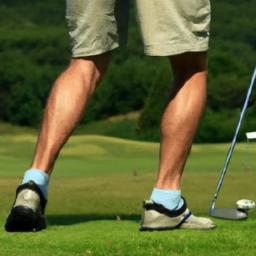
Efficient rotational mechanics arise from coordinated interaction between the pelvis and thorax; the pelvis must provide a stable, force-transmitting platform while the trunk generates and sequences angular velocity. When pelvic control is compromised, excessive lumbar shear or compensatory shoulder rotation increases, degrading clubhead speed and raising injury risk. Contemporary biomechanical analyses show that optimal performance depends on segmental dissociation-adequate pelvic restraint during early downswing coupled with rapid thoracic rotation-so interventions should target both mobility and stiffness where appropriate rather than assuming more range equals better performance.
targeted mobility work should be selective and functionally informed: improve thoracic rotation to increase upper-trunk contribution, restore hip internal/external rotation for turn mechanics, and address lumbopelvic control to prevent pathological lumbar flexion/torsion. Effective drills include partner-assisted thoracic rotations, 90/90 hip switches, and dynamic lumbopelvic control progressions. Practitioners should prioritize mobility that enhances the golfer’s ability to achieve safe X-factor separation without creating hypermobility at the lumbar spine.
Strength and neuromuscular interventions emphasize anti-rotation capacity, rotary power, and gluteal-driven pelvic stabilization. Evidence supports integrating resisted transverse plane drills with eccentric-focused core work and single-leg control to reproduce golf-specific loading. Example programming parameters are summarized below for fast clinical translation:
| Exercise | Primary Target | Typical dose |
|---|---|---|
| Pallof press (chop/anti-rotation) | Core anti-rotation | 3×8-12 |
| Single-leg Romanian deadlift | Glute-ham pelvic control | 3×6-10 |
| Med ball rotational throws | Rotary power | 4×6-10 |
Program design should layer interventions: begin with pain-free mobility and motor control, progress to capacity-driven strength, then integrate high-velocity, sport-specific power and perturbation training. Use objective markers-pelvis-to-thorax separation, decoupling time, and clubhead speed-alongside functional tests (single-leg balance, hip rotation ROM) to guide progression. Emphasize specificity, progressive overload, and movement quality to maximize transfer to the swing and minimize injury risk; brief, frequent reinforcement of motor patterns (3-4 sessions weekly, with on-course or simulated swings) yields the most robust neuromuscular adaptations.
Lower Extremity Force Production and Balance Training for Efficient Energy Transfer and Injury Mitigation
Efficient transfer of mechanical energy from the ground through the lower limbs into the torso and upper extremity is foundational to powerful, repeatable golf swings. Ground reaction force (GRF) vectors, timing of peak hip extension, and coordinated knee-ankle stiffness modulation determine how effectively force is summed and transmitted up the kinetic chain. Biomechanically, small alterations in ankle dorsiflexion mobility or premature knee collapse during transition can dissipate stored elastic energy and increase compensatory loading at the lumbar spine. Consequently, assessment of sagittal and frontal plane force profiles-ideally quantified using force plates or instrumented mats-provides actionable metrics for targeted intervention.
Training should prioritize three physiological targets: maximal and reactive force production,eccentric control,and dynamic balance under perturbation. Evidence-based modalities include heavy multi-joint strength work to increase peak torque (e.g., Romanian deadlifts, trap-bar deadlifts), plyometric and reactive drills to enhance rate of force development (RFD), and single-leg and perturbation-based exercises to refine neuromuscular coordination. Recommended emphases are:
- Specificity: movements that mimic valgus/rotational demands of the golf stance.
- Time-course: progress from slow heavy lifts to faster explosive tasks.
- Variability: include unstable surfaces and sudden directional cues to improve feedforward and feedbackcontrol.
program design should integrate periodized loading and objective monitoring. A simple microcycle might alternate a strength-focused session (2-4 sets of 3-6 reps, high load) with a power/plyometric day (3-5 sets of 4-8 reps of explosive tasks) and a neuromotor/balance day (single-leg dynamic balance, perturbation ladders).The table below summarizes practical exercise choices, primary adaptation, and concise dosage guidance for immediate translation into golf-specific conditioning.
| Exercise | Primary Target | Typical Dosage |
|---|---|---|
| Single-leg Romanian deadlift | Hip posterior chain & balance | 3×6-8 per leg |
| Drop-to-single-leg hop | Reactive RFD & landing control | 3×5-6 per leg |
| Loaded lateral step-up | Frontal plane strength | 3×8-10 per leg |
| Ankle perturbation drills | Proprioception & stiffness regulation | 3×30-60s |
Injury mitigation rests on improving neuromuscular control and reducing asymmetry. regular screening for single-leg squat quality, frontal-plane knee collapse, and asymmetries in jump height or force-time characteristics enables targeted correction before symptoms arise. Incorporate eccentric loading to protect tendons (e.g., slow eccentric single-leg decline squats) and explicit cueing for hip-dominant strategies to offload the lumbar spine during rotationalphases. employ objective progress markers (RFD, single-leg hop symmetry, time-to-stabilization) to guide return-to-play decisions and minimize recurrence risk.
Neuromuscular Coordination and Motor Control Drills with Progressive Task Complexity for On course Transfer
The design of sport-specific coordination training must center on the integration of segmental sequencing with sensorimotor control to produce repeatable, transferable swing outcomes. Emphasis should be placed on training the *timing* and *amplitude* of intersegmental torque transfer across the pelvis-thorax-upper‑limb chain, and on improving both feedforward anticipatory postural adjustments and feedback-mediated corrections. Contemporary neuromuscular paradigms support a shift from purely strength-based prescriptions toward coordinated force‑time profiling and rate‑of‑force development in functional postures. Effective drills therefore target temporal precision, intermuscular co‑activation patterns, and rapid reweighting of proprioceptive information under task constraints.
Progression of drills must follow an explicit complexity ladder that manipulates degrees of freedom, sensory context, and cognitive load. A representative taxonomy moves from isolated patterning → integrated dynamic tasks → contextual variability → competition‑relevant decision making. Example drill set (progressive):
- Patterning: slow, metronome‑paced pelvis‑thorax rotation with light resistance bands to reinforce timing and dissociation.
- Integration: medicine ball rotational throws emphasizing impulse transfer and deceleration control.
- Variability: variable lie practice on mats and uneven surfaces to force sensory reweighting and adaptable stroke mechanics.
- Decision‑making: constrained on‑course simulations with target uncertainty and secondary tasks (e.g., auditory cues) to elicit robust transfer.
These progressions deliberately increase task complexity while preserving a clear mapping to on‑course demands.
To maximize transfer to competitive performance, coaches must employ principles of contextual interference, external focus cues, and dual‑tasking to reduce rigid, context‑specific solutions and foster adaptable motor programs. Training sessions should be evaluated using objective neuromuscular metrics when available (e.g., EMG timing of key trunk stabilizers, force‑plate COP metrics, clubhead acceleration profiles) to quantify improvements in coordination rather than raw strength alone. Retention and transfer tests should be scheduled after washout periods and under perturbed conditions to confirm that motor control changes persist and generalize to real play.
Implementation requires clear progression criteria and pragmatic periodization.Below is a concise progression table useful for programming across microcycles. Adjust volume and intensity according to competition calendar and individual neuromuscular readiness (assessed via movement variability, fatigue responses, and EMG/force‑time measures where possible).
| Stage | Representative Drill | Primary Neuromuscular Target |
|---|---|---|
| Foundational | Band resisted rotation, slow tempo | Sequencing & timing |
| Integrated | Med ball strikes, progressive tempo | Impulse transfer & deceleration |
| Applied | Variable lie shots + decision cues | sensory reweighting & adaptability |
Program cues: prioritize external focus (“land the ball here”) over internal mechanics, increase contextual variability before competition taper, and use objective neuromuscular markers to guide progression decisions.
Evidence‑based practice design: assessment, practice structure, and feedback
Integrating motor‑learning and cognitive principles with biomechanical assessment produces more efficient, transferable coaching. Adopt an evidence‑based paradigm that emphasizes systematic assessment, hypothesis‑driven interventions, and objective evaluation of outcomes rather than intuition alone.
Key assessment and monitoring considerations:
- Psychometrics: prioritize measures with established validity and reliability, document testing conditions (club, ball, wind, fatigue), and use minimal detectable change or MCID thresholds to interpret real change.
- Triangulation of tools: combine launch monitors, IMUs/3‑D capture, force/pressure sensors, dynamometry, and high‑speed video when feasible to offset individual device limitations.
- Monitoring protocol: define sampling frequency (e.g., weekly micro‑assessments, monthly standardized lab tests), predefine decision rules that trigger interventions, and report confidence intervals for change scores.
Design practice around motor‑learning fundamentals:
- Deliberate practice: set one or two measurable micro‑goals per session, use diagnostics and prioritized feedback, decompose tasks into drills that isolate critical components, and emphasize high‑quality repetitions rather than mindless volume.
- Variability and contextual interference: alternate blocked and interleaved practice to exploit contextual interference-variable, randomized practice often yields superior retention and transfer despite lower immediate performance.
- Theoretical framing: use classical stage models (cognitive → associative → autonomous), schema theory, and the constraint‑led approach to sequence tasks appropriately for the learner’s stage.
Feedback strategies (practical rules):
- Prefer delayed and summary feedback over continuous trial‑by‑trial correction to reduce dependency and promote error detection.
- Use faded feedback schedules (high frequency for novices, progressively reduced as competence rises) and allow self‑controlled feedback to increase autonomy.
- Differentiate KR (knowledge of results: distance, dispersion) from KP (knowledge of performance: kinematics); early stages benefit from KR, intermediate stages from selective KP.
- Employ multimodal augmented feedback (visual overlays, auditory tempo cues, haptic devices) sparingly, combined with bandwidth rules (only notify when error exceeds threshold).
- Practical guideline: start novices at ~50-100% feedback, reduce to ~20-40% as stability emerges, and prioritize external‑focus cues and analogies when explicit control impedes fluid execution.
Operational session blueprint (concise):
- Goal specificity (1-2 measurable objectives)
- Diagnostics & prioritized feedback
- Task decomposition into focused drills
- Deliberate, high‑quality repetitions with variability interspersed
- Post‑session log (metric, rate of improvement, qualitative note)
Evidence Based Periodization Models and Conditioning Protocols for Peak Performance and Recovery Management
Periodized planning aligns physiological adaptation with the competitive calendar through structured macro, meso, and microcycles. Linear, undulating, and block periodization frameworks each offer distinct advantages: linear models emphasize progressive overload for maximal strength accumulation, undulating models provide frequent variation to maintain neuromuscular readiness, and block periodization concentrates stimulus for rapid transfer to golf-specific power and sequencing. Selection should be guided by an athlete’s training age, competition density, and biomechanical deficits identified via swing analysis to maximize transfer of training to clubhead speed and movement efficiency.
conditioning protocols must integrate strength, power, mobility, and metabolic conditioning with clear sequencing to optimize adaptation and reduce interference effects. Core elements include:
- Strength block – low‑rep, high‑load work to raise force ceiling (e.g., 3-6 RM phases).
- Power block – ballistic and plyometric work targeting rate of force development and rotational velocity.
- Mobility and motor control – region‑specific fascial and joint work to preserve swing kinematics.
- Conditioning – low‑intensity aerobic work for recovery capacity and periodic HIIT for metabolic robustness when tournament density requires rapid turnaround.
Session order should prioritize force development before high‑velocity technical work, and use intra‑session potentiation and planned rest windows to enhance acute performance without derailing chronic adaptation.
Recovery and load‑management strategies are integral to sustaining peak performance and minimizing injury risk. Employ objective and subjective monitoring to inform autoregulatory decisions: sleep duration/quality, dietary protein and carbohydrate timing, perceived wellness scores, heart rate variability (HRV), and inertial measurement unit (IMU) outputs for swing load. The following quick reference table summarizes practical monitoring metrics and indicative thresholds for intervention.
| Metric | purpose | Practical Threshold |
|---|---|---|
| HRV (ms) | Autonomic recovery status | ↓ > 10% vs baseline → reduce intensity |
| Wellness score (1-10) | Subjective readiness | ≤ 6 → prioritize recovery session |
| sleep (hours) | Neural and hormonal recovery | < 7h → implement sleep hygiene protocol |
Implementation should emphasize individualized progression rates, planned deload phases, and evidence‑based autoregulation to reconcile acute readiness with long‑term goals. Trackable markers (strength PRs, clubhead speed, dynamic rotation ROM) inform microcycle adjustments; multidisciplinary coordination between coaches, physical therapists, and nutritionists ensures movement quality and load tolerance are prioritized. By embedding targeted conditioning within a structured periodized plan and systematically managing recovery, practitioners can raise performance ceilings while reducing overusepatterns common in golf.
Functional Assessment and Monitoring Strategies Including Wearable Biomechanics and Movement Screening for Individualized Prescription
High-quality baseline evaluation establishes the physiological and mechanical constraints that shape an individualized program. Core components of this evaluation include quantifying joint range-of-motion (ROM), segmental strength and rate-of-force development, dynamic balance, neuromuscular timing, and side-to-side asymmetries. Objective instrumentation-handheld dynamometry, force plates, 3‑D motion capture, and inertial measurement units (IMUs)-should be used where possible to reduce rater bias and improve reproducibility. Emphasize **reliability** (intrarater/interrater) and **minimal detectable change** when interpreting longitudinal data so that training adjustments reflect true physiological change rather than measurement noise.
Wearable technologies provide continuous, field‑based insight into swing mechanics and training load when integrated with lab measures.Practical monitoring strategies include:
- IMU-based metrics (trunk rotation velocity, pelvis-thorax separation, tempo ratios) for on-course swing profiling.
- Pressure and force sensors (in‑shoe, force plates) to track weight transfer and ground reaction patterns.
- Heart-rate and HRV monitoring to quantify autonomic load and recovery status during practice blocks.
- Session load logs (duration × intensity) combined with subjective measures (RPE, pain scores) to guide load management.
Signal fidelity (sampling rate), synchronization, and validated algorithms must be considered when selecting wearables; lower sampling rates can misrepresent peak rotational velocities and compromise clinical decisions.
Screening should translate deficits into targeted corrective progressions rather than checklist-driven remediation. Employ sport-specific screens-such as a rotational power assessment, single-leg stability tests, and a seated trunk rotation screen-to identify impairments linked to common swing faults (e.g., limited thoracic rotation → compensatory lateral bending).Use the screening results to prioritize interventions that address the largest contributors to performance deficits and injury risk: mobility before power when ROM limits movement quality, stability and motor control before introducing high‑velocity rotational loading, and progressive overload principles for strength deficits. document exercise selection, dosage, and progression criteria so prescriptions are auditable and reproducible.
Integrate results into a concise, actionable monitoring dashboard to support data‑driven decision making.A simple clinician-facing table can standardize thresholds and immediate actions:
| Metric | Target / Norm | Action if Outside target |
|---|---|---|
| Thoracic rotation (deg) | ≥45° (lead side) | Mobility drills → loaded rotational control |
| Peak trunk angular velocity (°/s) | Individual baseline + progressive increase | power training with mechanics cueing |
| Asymmetry index (%) | ≤10% | Unilateral strengthening and motor control |
Reassess at predefined intervals (e.g., 6-8 weeks for strength/power, 12 weeks for ROM) and include real‑time flags for acute changes (pain increase, HRV suppression, marked swing metric drift). Combining objective sensors with structured screens and subjective reports creates a closed‑loop system that optimizes prescription fidelity, enhances transfer to on‑course performance, and mitigates injury risk through early detection of maladaptive patterns.
Return to Play and Injury Prevention Frameworks Incorporating Load Management, Movement Retraining, and Sport Specific Conditioning
Multidisciplinary frameworks structure a safe and efficient progression back to on-course performance by aligning medical, performance, and coaching inputs through explicit, objective criteria.Core components include clear impairment resolution benchmarks, graded exposure to sport-specific stimuli, and continuous risk surveillance. Practitioners should embed standardized outcome measures (pain scales, range-of-motion, strength ratios, and movement quality scores) within decision nodes so progression decisions are evidence-informed rather than purely time-based. The model privileges iterative feedback loops between clinician and coach to reconcile technical demands with tissue capacity.
Effective management of training and rehabilitation loads relies on quantifying both external and internal stressors and prescribing controlled,incremental increases. External metrics may include practice duration, swing counts, and speed work; internal metrics include session RPE and objective soreness/fatigue scores.The following simple progression matrix illustrates typical targets used to guide exposure increments in later-stage rehabilitation and conditioning:
| Phase | Primary Focus | Relative Load Target |
|---|---|---|
| Re-introduction | Technical control, low-intensity swings | 20-40% of habitual volume |
| Capacity Building | Volume & tolerance, progressive speed | 40-75% with incremental increases |
| Performance Integration | High-speed swings, on-course reps | 75-100% with simulated stressors |
Movement retraining emphasizes restoring efficient kinematics and robust neuromuscular patterns before full-loadexposure. Interventions should target segmental dissociation, pelvis-thorax sequencing, and scapular control through task-specific drills, augmented feedback, and progressive motor learning strategies (blocked to variable practice). Objective progression criteria-improved symmetry in rotation, normalized hip internal/external rotation, and adequate eccentric control of the lead arm-should guide transition to advanced conditioning. Strong collaboration with the swing coach is essential so that technical corrections do not inadvertently increase tissue stress.
Conditioning for return-to-play must replicate the metabolic, mechanical, and cognitive demands of competitive golf while prioritizing injury prevention. A hierarchy of elements includes: prehabilitation strength and eccentric capacity, repeated high-speed swing tolerance, on-course endurance, and cognitive load handling under variable conditions. Recommended readiness criteria often include:
- Pain-free full range of motion during swing-specific tests,
- Symmetric strength and power within clinically acceptable thresholds,
- Achievement of prescribed swing-volume targets without symptom provocation,
- Triumphant completion of on-course simulated stressors (e.g.,9 holes with monitored load).
Individualized load prescriptions and ongoing monitoring reduce recurrence risk and optimize performance return.
Q&A
1) Q: How is biomechanics defined and why is it relevant to golf performance?
A: Biomechanics applies mechanics to living systems to quantify forces, motions, and mechanical interactions that produce movement (see foundational descriptions in MIT and Britannica). In golf, biomechanics identifies the kinematic and kinetic determinants of an effective swing (e.g.,segmental sequencing,angular velocities,ground reaction forces),links those determinants to performance outcomes (clubhead speed,ball velocity,accuracy),and reveals movement patterns that increase injury risk.translating biomechanical findings into targeted training increases transfer to on-course performance and informs safe return-to-play.
2) Q: What are the primary biomechanical determinants of driving distance and accuracy?
A: Key determinants include:
– Kinematic sequence: distal segment peak velocities (hips → torso → arms → club) timed to produce efficient energy transfer.
- Trunk rotational velocity and power produced in the transverse plane.- Lower-body force generation (ground reaction forces and lateral force transfer) for stable base and energy production.
– Clubhead linear and angular speed at impact, and clubface orientation.
– Temporal coordination (sequencing and timing) between segments affecting dispersion. These determinants are measurable via motion capture, force plates, and wearable sensors.
3) Q: How does the concept of trunk stiffness and mobility influence swing mechanics and injury risk?
A: Optimal performance requires a balance of thoracic mobility (to allow transverse rotation) and core stiffness (to transfer forces efficiently). Excessive lumbar rotation under load or insufficient thoracic mobility can increase lumbar shear and compressive loads, contributing to low-back pain.Training should thus increase thoracic rotation and hip mobility while improving motor control to maintain appropriate trunk stiffness during high-velocity rotations.
4) Q: What physiological qualities most strongly support skilled, high-velocity golf swings?
A: The most relevant physiological determinants are:
- Muscular power, particularly rotational and lower-body power (rate of force development).
– Intermuscular coordination for sequencing and timing.
– Relative strength (strength-to-bodyweight) for effective force production.
– Mobility and joint range of motion enabling optimal swing positions.
– Endurance and recovery capacity to maintain technique over rounds/practice sessions.
These attributes interact; power and coordination are especially critical for clubhead speed.
5) Q: Which assessment tools reliably identify deficits relevant to golf fitness?
A: Useful tools include:
– Motion analysis (3D capture or validated IMUs) to quantify kinematic sequencing and segment velocities.
- Force plates or instrumented stance analysis for ground reaction force patterns.
– launch monitors for clubhead speed, ball speed, and dispersion metrics.
– Physical screens: thoracic rotation tests, hip internal/external rotation, single-leg balance, Y-balance, isometric mid-thigh pull or vertical jump for power, and functional movement screens (with sport-specific interpretation).
Combining objective metrics with clinical assessment yields the best diagnostic clarity.
6) Q: What are the evidence-based training emphases for improving golf-specific power and speed?
A: Emphases include:
– Horizontal/rotational power training (medicine-ball rotational throws, band-resisted swing patterns) with high velocity and low-to-moderate load.
– Lower-body strength development (squats, deadlifts, trap-bar lifts) for force production and transfer.
– Rate-of-force-development work (Olympic lifts or derivatives, loaded jumps, resisted sprint starts adapted to golf-specific postures).- Complex training (strength exercise followed by biomechanically similar power movement) to exploit post-activation potentiation.
– Progressive overload with monitoring of movement quality and transfer to swing metrics.
7) Q: How should mobility and flexibility be trained for golfers?
A: prioritize:
– Thoracic spine mobility (active rotation drills, controlled oscillations).
– Hip internal/external rotation and extension (dynamic lunges, controlled PNF-type drills).- ankle dorsiflexion as needed for lower limb mechanics.
- Shoulder girdle mobility balanced with scapular stability.
Use active, loaded ranges of motion that mimic swing demands; integrate mobility into warm-ups and as part of the strength session (specific mobility-strength combinations enhance transfer).
8) Q: What role does motor control and skill acquisition play in golf fitness programs?
A: Motor control training is essential to integrate physical gains into the swing. Principles include:
- Start with simplified, task-relevant drills that emphasize sequencing (e.g.,slow-motion kinematic sequence drills).
– Use external focus cues and variable practice to enhance transfer and retention.
– Apply progressive constraints (constraint-led approach) to shape desired movement patterns.
– Provide augmented feedback (video, launch monitor numbers) for objective reinforcement.
Physical adaptations without motor learning rarely transfer fully to technique or on-course performance.9) Q: How can training be periodized across an annual/seasonal plan for golfers?
A: A general model:
– Off-season (general preparatory): emphasize hypertrophy and foundational strength, correct deficits, build aerobic/ANC base.
– Pre-season (specific preparatory): shift to higher-intensity strength, introduce power and speed, increase sport-specificity.
– In-season (competition): maintain strength/power with reduced volume, prioritize recovery and skill practice.
– Transition (reconditioning/active rest): lower intensity and volume, address mobility and rehabilitation.
Microcycles should integrate on-course practice, with load management to avoid technique breakdown from fatigue.
10) Q: Which exercises are high-yield for golfers seeking both performance improvement and injury risk reduction?
A: high-yield exercises include:
– Rotational medicine-ball throws and chops/lifts (power and sequencing).
- Single-leg RDLs and split-squats (posterior chain and unilateral control).
– Deadlift variations and trap-bar lifts (hip extension strength).
– Pallof presses and anti-rotation core work (core stiffness and anti-rotational control).
– Thoracic rotation mobilizations and band-resisted rotations (mobility + strength).
– Scapular stabilizers and rotator cuff work (shoulder health).Exercise selection should be individualised based on assessment.
11) Q: what are common injury patterns in golfers and how can training mitigate these risks?
A: Common injuries: low-back pain, lateral/medial elbow tendonopathy, shoulder impingement/rotator cuff strains, knee and hip overload. Mitigation strategies:
– Address mobility deficits (thoracic, hip) to reduce compensatory lumbar motion.- Improve eccentric control and posterior-chain strength to attenuate loads.
– Balance unilateral strength and stability to reduce asymmetric loading.
– progressive workload management and technique coaching to avoid sudden increases in swing intensity or practice volume.
– Specific prehab (rotator cuff and scapular control, forearm eccentric training) for vulnerable tissues.
12) Q: How should practitioners measure transfer from gym to course?
A: Use a multimodal approach:
– Objective performance metrics: clubhead speed, ball speed, carry distance, dispersion statistics.
– Biomechanical markers: improvements in kinematic sequence or segment velocities.- Functional tests: jump power, medicine-ball throw distances, single-leg balance improvements.
- Subjective/clinical outcomes: pain levels, perceived exertion, confidence, consistency under pressure.
Repeated measures and small-sample longitudinal monitoring help determine causal transfer.
13) Q: How should programs be adapted for older golfers or those with prior injuries?
A: Principles:
- Prioritize pain-free ranges, gradual progression, and conservative loading.
– Emphasize mobility, balance, and power at lower loads (high-velocity, low-load training).
– Include eccentric training and tendon loading protocols where tendinopathy exists.
– Allow longer recovery windows and monitor symptom response.
– Individualize based on comorbidities, surgical history, and baseline functional capacity.
14) Q: What practical session structure integrates biomechanics-informed training with skill work?
A: example session flow (60-90 minutes):
– Warm-up: dynamic mobility focused on thoracic, hips, and shoulders (10-15 min).
– Activation: glute, posterior chain, and core activation (5-10 min).
– Strength/power block: heavy strength work (20-25 min) followed by rotational power/medicine-ball throws or complex training (10-15 min).
- Motor control/skill integration: ballistic/tempo swing drills with feedback and variable practice (15-20 min).
– Cool-down/soft tissue and recovery strategies (5-10 min).
Adjust volume and intensity to periodization phase and competition schedule.
15) Q: What are the limitations and future directions in golf biomechanics and training research?
A: Limitations include variability in individual anatomy and technique, limited longitudinal randomized trials on transfer from specific interventions, and accessibility of high-fidelity measurement tools. Future directions: larger intervention studies linking targeted training with on-course outcomes, wearable sensor validation for real-world monitoring, individualized load-prescription algorithms using biomechanics and tissue stress modeling, and integrating neuromuscular and cognitive factors (pressure, decision-making) into performance frameworks.
16) Q: What practical take-home recommendations should clinicians and coaches apply?
A: Key recommendations:
– Assess first: identify mobility, strength, power, and motor-control deficits with objective tests.- prioritize specificity: emphasize rotational power and lower-body force production relevant to the kinematic sequence.
– Balance mobility and stiffness: increase thoracic and hip mobility while developing core stiffness for force transfer.
- Integrate motor learning: use external cues, variable practice, and objective feedback to translate physical gains into the swing.
– Program progression: apply periodization, progressive overload, and in-season maintenance strategies.
– Monitor outcomes: track biomechanical markers and performance metrics to guide ongoing adjustments.If you want, I can convert these Q&A items into a shorter FAQ for golfers, produce a 6-8 week sample training mesocycle tailored to a playing-level (recreational, competitive), or provide assessment templates (screens and baseline metrics) for clinic use.
the integration of biomechanical principles with contemporary physiological and training science offers a robust framework for optimizing golf-specific fitness. Objective biomechanical assessment-quantifying kinematics, kinetics, and neuromuscular coordination-can clarify the mechanical determinants of performance and injury risk, while periodized, individualized training programs translate those insights into targeted strength, mobility, power, and motor-control adaptations. When applied coherently, this evidence-informed approach promotes more efficient energy transfer through the kinetic chain, improves swing consistency, and reduces load-related tissue stress.
Practitioners should prioritize measurement-driven decision making, employ validated assessment tools, and tailor interventions to the player’s technical profile, competitive demands, and injury history. Simultaneously occurring,researchers must address current gaps through longitudinal,intervention-based studies that examine dose-response relationships,sex- and age-specific adaptations,and the effectiveness of novel technologies in real-world settings. Greater methodological rigor and interdisciplinary collaboration will accelerate the translation of laboratory findings into scalable practice.Ultimately, advancing golf fitness requires a synthesis of biomechanics, exercise physiology, and applied coaching that is both scientifically grounded and pragmatically oriented. By aligning detailed mechanical analysis with individualized training prescriptions,the field can more reliably enhance performance,safeguard musculoskeletal health,and support lifelong participation in the sport.
Biomechanics and Training Strategies for Golf Fitness
Why biomechanics matters for golf performance
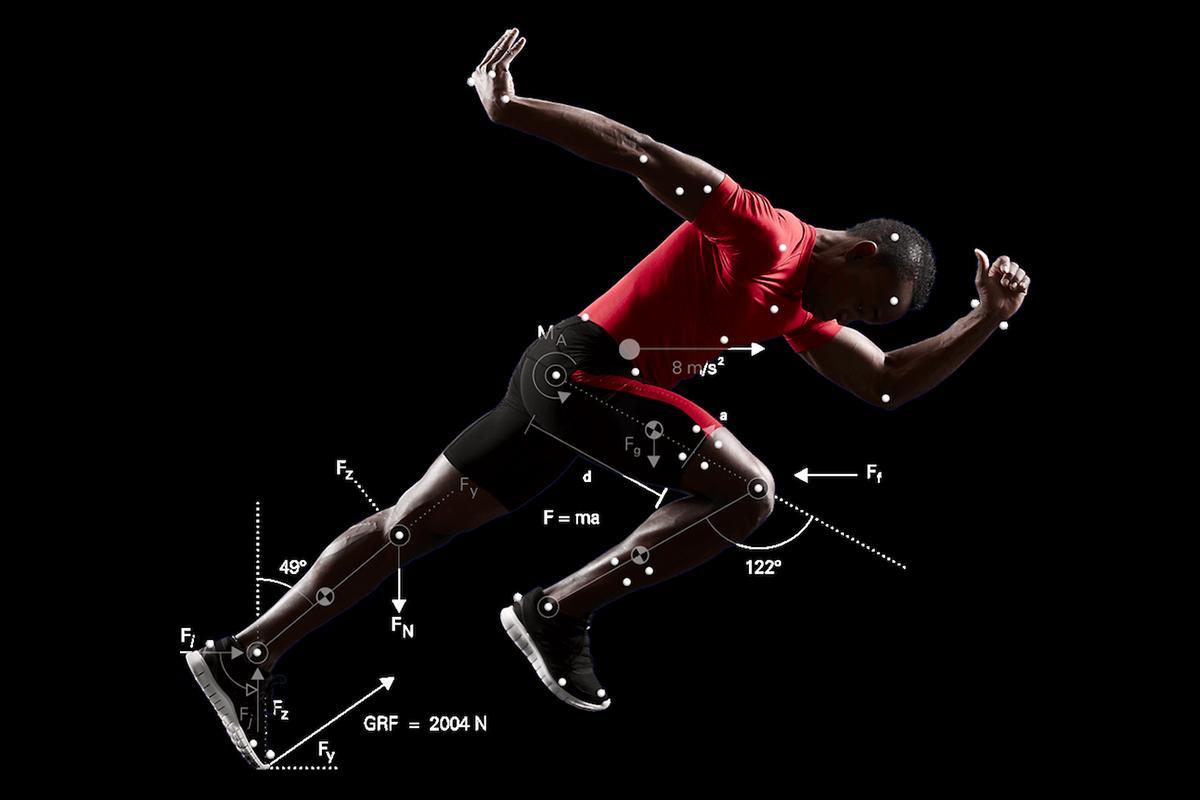
Golf is a precision sport powered by coordinated motion across the whole body. biomechanics explains how forces, torques, and motion travel through the body-from the ground up-via the kinetic chain.Understanding key biomechanical principles helps coaches and players target the right mobility, stability, and power attributes to increase clubhead speed, refine the golf swing, and reduce injury risk.
Key biomechanical principles for the golf swing
- Kinetic chain sequencing: Efficient transfer of energy from legs → hips → torso → shoulders → arms → club maximizes speed and control.
- Ground reaction forces: Pushing into the ground creates force that is translated into rotational power; good footwork equals more distance.
- Segmental separation (X-Factor): A controlled difference in rotation between hips and shoulders stores elastic energy for an explosive downswing.
- Angular velocity and timing: Peak clubhead speed depends on the order and timing of rotational accelerations.
- Spinal and hip mobility: Adequate rotation and extension through the thoracic spine and hips allow a fuller turn without compensatory movements that increase injury risk.
Functional assessment: baseline metrics every golfer should track
Before designing a golf training program,evaluate the player’s movement quality and performance baseline.
- Mobility: Thoracic rotation, hip internal/external rotation, ankle dorsiflexion.
- Stability: Single-leg balance (eyes open/closed), single-leg squat control.
- Strength: Single-leg RDL, deadlift variations, midline endurance (plank time).
- Power: medicine ball rotational throw distance, vertical jump, 0-5m sprint for acceleration.
- Performance: Clubhead speed, ball speed, smash factor, and average driving distance.
Training framework: mobility → stability → strength → power
A progressive framework ensures the body can move through the golf swing safely and produce speed efficiently.
Phase 1 – Mobility & movement quality (2-4 weeks)
- Goals: Restore thoracic rotation, hip rotation, hip hinge pattern, and ankle mobility.
- Drills: thoracic rotations on foam roller,90/90 hip switches,ankle band mobilizations,hinge pattern with dowel.
- Frequency: Daily short sessions (10-15 min) plus 2-3 strength sessions/week.
Phase 2 – Stability & control (3-6 weeks)
- Goals: Improve single-leg balance, anti-rotation core control, and glute/hip stability.
- Drills: Pallof press,single-leg RDL,cable chops/resists,bird-dog variations.
- Progression: Add unstable surfaces,eyes closed progressions,and higher resisted holds.
Phase 3 – Strength & hypertrophy (4-8 weeks)
- Goals: Build foundational strength in posterior chain, core, and legs to support power development.
- Exercises: Romanian deadlifts, split squats, hip thrusts, bent-over rows, heavy carries.
- Sets/Reps: 3-5 sets of 4-8 reps for compound lifts; 8-12 for accessory work.
Phase 4 – Power & speed-specific training (ongoing)
- Goals: Convert strength into rotational power and clubhead speed with high-velocity training.
- Drills: medicine ball rotational throws, explosive cable chops, kettlebell swings, jump training.
- Protocol: Low volume, high intensity (2-6 reps per set, 3-6 sets), full recovery between efforts.
Sample weekly structure for golf fitness
Below is a practical weekly template that balances practice, strength, and recovery for amateur and competitive golfers.
| Day | Focus | time |
|---|---|---|
| Mon | Mobility + Strength (lower body focus) | 45-60 min |
| Tue | On-course practice or range: technical work + short power session | 60-90 min |
| Wed | Active recovery: mobility, soft tissue, short walk | 20-30 min |
| Thu | Strength (upper + anti-rotation core) | 45-60 min |
| Fri | Speed & power (medicine ball throws, plyometrics) | 30-45 min |
| Sat | On-course round or full-swing session | 90-240 min |
| Sun | Rest / recovery / mobility | Optional |
High-impact drills for rotational power and swing speed
These drills are directly transferable to the golf swing and improve the rotational output required for distance and faster clubhead speed.
- Med Ball Rotational Throw: From athletic stance, throw the medicine ball sideways against a wall or to your partner. Focus on hips initiating the movement, followed by torso and shoulders.
- Cable/SBand Chops & Lifts: Train anti-rotation and rotational acceleration. Use controlled tempo on the return and explosive on the finish.
- Hip snap Drill: From a light stance, practice aggressive hip rotation with minimal upper body to feel separation (great with mirror/video).
- Single-leg Lateral Bounds: Build lateral force production and landing control-helps with weight transfer in the golf swing.
- speed Swings with Shortened Backswing: Swing a lighter club or training aid focusing on maximal acceleration through the impact zone.
Common golf injuries and biomechanical causes
Targeted training reduces injury risk by addressing the underlying biomechanical deficits.
- Lower back pain: Often from limited hip rotation or poor sequencing; improve hip mobility, core anti-extension control, and loading symmetry.
- Rotator cuff / shoulder pain: From poor scapular control or excessive torque; emphasize scapular stability and thoracic mobility.
- golfer’s elbow (medial epicondylitis): Repetitive overloading and poor wrist control; address grip technique, eccentric forearm strengthening, and load management.
- Knee pain: From instability or aggressive lateral forces; single-leg strengthening and control training help reduce symptoms.
Testing and tracking progress: what to measure
Frequent testing provides objective feedback and ensures training transfers to faster swing speed and longer drives.
- Clubhead speed and ball speed (radar or launch monitor).
- Medicine ball throw distance (rotational and overhead).
- Single-leg balance time and single-leg hop distance.
- Strength markers: 1-5RM in key lifts (if safe) or tempo-based max reps.
- Mobility numbers: degrees of thoracic rotation and hip internal/external rotation.
Sample 6-week golf-specific microcycle (Power emphasis)
Use this block after completing mobility and strength phases. Train power 2x/week with maintenance strength sessions.
- Weeks 1-2: 3 sets × 6 reps med ball rotational throws; light-loaded speed swings 3×8; plyo bounding 4×6.
- Weeks 3-4: 4 sets × 4 explosive cable chops; increase med ball intensity; single-leg plyo progressions 3×6 each leg.
- Weeks 5-6: Heavy-speed contrast days (strength set followed by explosive med ball set); test clubhead speed week 6.
Practical tips for integrating fitness with golf practice
- Schedule power sessions on the same day or the day after heavy practice so quality movement is reinforced.
- Keep mobility work brief but daily-dynamic before practice, sustained holds for recovery.
- Monitor fatigue: swing speed declines or inconsistent contact often mean you need more recovery.
- Use video analysis to link movement changes in the gym to swing improvements on the range.
- Track small wins: a 1 mph increase in clubhead speed often translates to ~2-3 yards of carry-measure frequently.
Case study: Amateur golfer adds 8-10 mph clubhead speed in 12 weeks
Player profile: 38-year-old male, 15-handicap, limited thoracic rotation and weak single-leg strength.
- Initial plan: 4-week mobility + stability block, then 8-week strength-to-power block.
- Key interventions: daily thoracic mobility drills, single-leg RDLs, hip thrusts, medicine ball throws, and on-course swing speed training twice weekly.
- Results: After 12 weeks, clubhead speed improved by 8-10 mph, driving distance increased ~15-25 yards, and back pain decreased significantly due to improved hip mobility and sequencing.
First-hand coaching tips (from strength & conditioning to the tee)
- start every session with movement prep that mirrors golf demands-rotate, hinge, and load single-leg patterns.
- Prioritize quality over quantity: fewer high-quality, explosive reps beat high-volume sloppy reps.
- Record clubhead speed weekly under similar conditions to detect real progress.
- Address swing faults with complementary gym work (e.g., lack of turn → thoracic mobility + loaded rotation drills).
- work with a coach for personalized programming and safe progression-especially after injury.
Recommended equipment for golf fitness training
- Medicine ball (3-10 kg) for rotational throws
- Cable column or resistance bands for chops/lifts
- Kettlebells for hinge and swing power
- Single-leg balance tools (BOSU or pad) for stability training
- Launch monitor or radar for objective swing speed and ball-speed feedback
Final practical checklist before designing your golf fitness plan
- Assess mobility, stability, strength, and power baselines.
- Prioritize corrective mobility and anti-rotation control if deficits are found.
- Progress from strength to power-don’t jump straight to high-velocity training.
- Measure clubhead speed and practice transfer drills to ensure gym gains show up on the course.
- Manage training load and include regular recovery and soft-tissue work to prevent overuse injuries.
For personalized programming, consider consulting a golf fitness professional or certified strength coach who can create a tailored golf training program that aligns with your swing mechanics, playing schedule, and injury history.