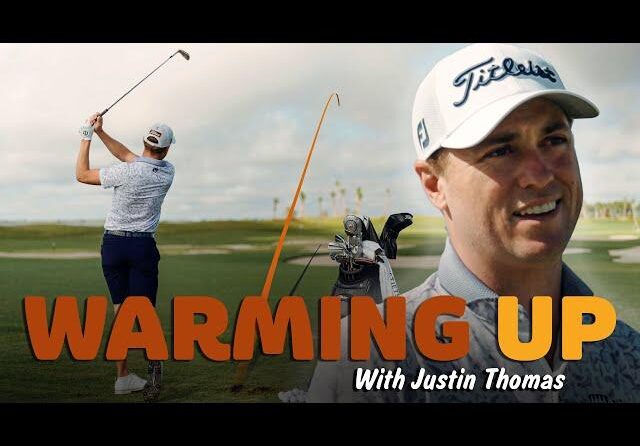
callaway’s TCB irons – featured in the Apex TCB ’24 range on Callaway’s official site – secured another professional-level victory this week, reinforcing their appeal to players who prefer a compact blade silhouette, forged sensation and pinpoint control. That success highlights how contemporary alloys and subtle mass placement can give a blade-style head the shot-shaping and tactile feedback of a classic forged iron while recovering enough off-center performance for modern competitive play.
LIV golfers gain a qualification route to The Open through new performance-based exemptions and designated events, a change that could reshape entry paths and impact future championship fields
With performance-based exemptions and designated-event routes now feeding into The Open, players looking to seize those spots must tighten fundamentals and ensure their equipment is dialed for links-style conditions. Reliable ballstriking and sharp short-game execution will separate qualifiers from the rest. coaches should treat these windows as condensed major preparations: insist on repeatable setup habits, decisive target selection and consistent club-delivery patterns. For players drawn to blade heads, Callaway’s TCB irons – recently used in another pro win and celebrated for their compact, workability-first profile – reward precise strikes and trajectory control; integrate them into practice by prioritizing center-face contact, narrow swing arcs and small, intentional loft/lie tweaks to match seaside conditions.
From a technical standpoint, iron play for these qualifying events should favor a mild descending attack and exact impact geometry. Target a negative attack angle near -3° to -1° on mid-irons with roughly 0.5-1.0 in (12-25 mm) of shaft lean at contact to create clean compression with TCB blades. Use the drills below to ingrain the feel:
- Gate drill: set tees just outside the toe and heel to force center-face contact; perform 30 balls per session with a goal of 90% center strikes.
- Impact-tape progression: hit at 75%, 85% and 100% swing efforts, log dispersion and aim to shave meen deviation by 20% across four weeks.
- Attack-angle clock: on a launch monitor, take 10 swings at each attack angle (-4°, -2°, 0°) to observe how spin and face-to-path react with TCB blades.
These exercises create measurable feedback and can be scaled for beginners through low-handicap players by adjusting tempo and swing length.
Short-game accuracy is equally critical on the firm, undulating surfaces typical of Open venues. Prioritize landing-zone planning and trajectory control: for chips choose a landing spot about 6-10 ft short of the hole on firm turf so the ball can release toward the cup; for pitches practice two reliable flight profiles – a low-runner and a higher, stopping shot – and write down target carry and landing numbers before each rep. Sample practice elements:
- Landing-zone ladder: from 10-40 yards, hit five balls to each 5-yard zone and record proximity; aim to reduce your weekly average proximity by 10%.
- bunker rhythm drill: 20 focused swings hitting 1-2 in (25-50 mm) behind the ball, emphasizing lower-body rotation and a committed finish.
Typical short-game errors include flicking the wrists on chips (fix by keeping hands ahead and slightly firmer grip) and misreading release on fast greens (fix by rehearsing several landing-zone contrasts). under tournament pressure these adjustments can be the difference between missing a cut and securing a weekend finish.
Course management becomes forensic when qualification is on the line: appraise each hole’s risk/reward with wind, firm lies and pot bunkers in mind. As an example, on a 240‑yard par‑3 into the wind at a links test, opt for a 2-3° stronger-lofted long iron or a hybrid and aim for the larger portion of the green to avoid run-off trouble. Use this pre-round checklist:
- Wind check: confirm prevailing direction and gust behavior,then adjust carry expectations by ±10-15% in gusty conditions.
- Firmness read: on firm fairways expect more roll – add 15-25 yards to predicted run-out on downwind tee shots.
- Green targeting: pick a conservative sub-target (for example, front-right) when the hole is tucked into a back-left shelf.
Also lean on the TCB irons’ blade-like flight to shape approaches around wind or narrow landing corridors,while keeping a cavity-back or hybrid option available when distance control and forgiveness outweigh pure workability.
Plan practice with measurable phases so you peak for designated-event windows: a 12‑week block that cycles accumulation, sharpening and taper tends to work well. Example metrics and weekly objectives:
- Weeks 1-4 (Technique): five sessions per week; 60% focus on swing mechanics and impact drills – target an 85% center-face strike rate and reduce lateral dispersion by 15%.
- Weeks 5-8 (Competition Simulation): four practice sessions plus two simulated competitive rounds; prioritize scoreboard golf, pressured short-game reps and strategy – aim to convert 70% of up‑and‑downs inside 30 ft.
- Weeks 9-12 (Taper & Event Prep): lower volume, keep intensity for feel work, and rehearse course-specific shots and routines; preserve tempo and pre‑shot habits.
Cater to different learning styles: give visual players alignment aids and video, kinesthetic learners ramped rep sequences and tempo work, and mobility-limited players shortened swings with emphasis on setup. Troubleshoot with lie/loft checks, confirm shaft flex, and use launch monitor data to hit attack-angle and spin windows. by linking these technical drills and tactics to scoring KPIs – for example improving Strokes Gained: Approach and cutting three‑putts – competitors can make the most of new routes into major fields.
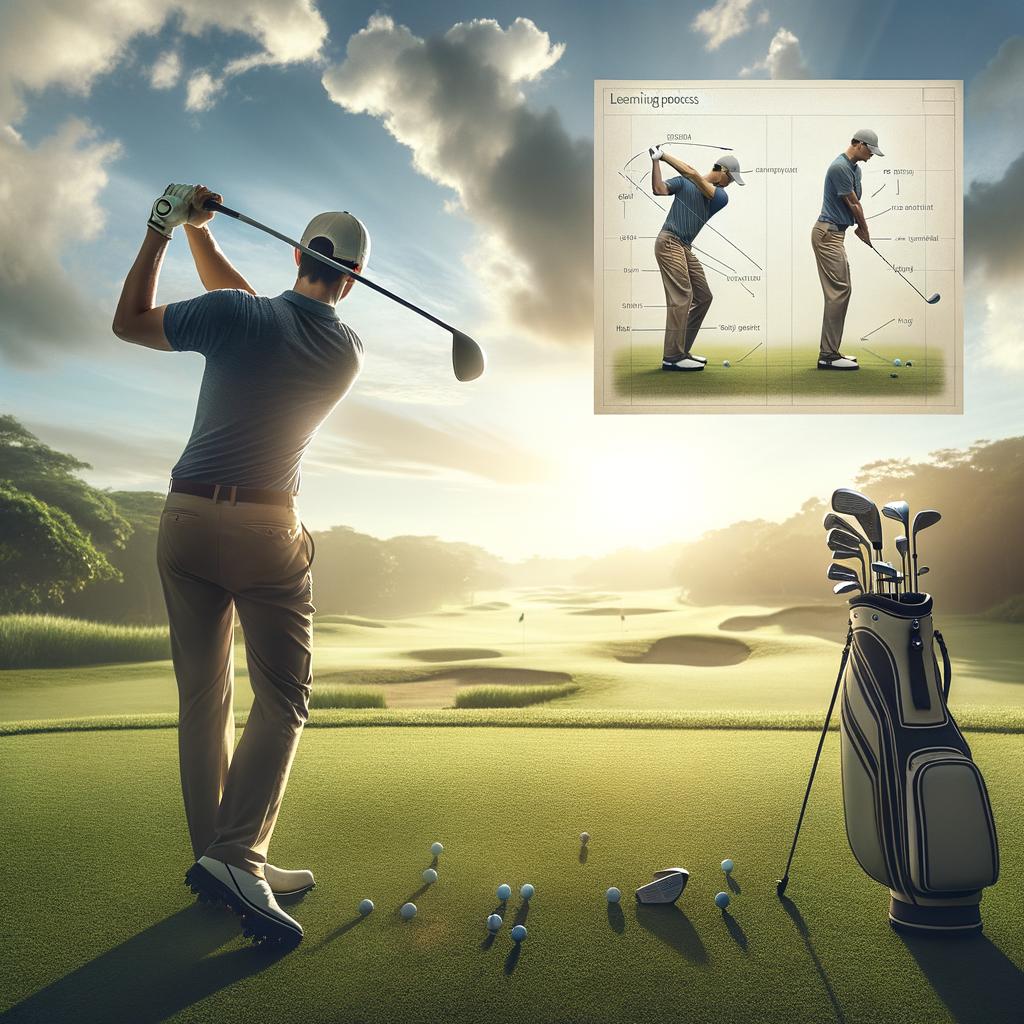
Why Callaway TCB irons keep winning on tour: design and performance breakdown
TCB irons have drawn attention on professional circuits as they merge traditional blade proportions with high-precision engineering – a combination that resonates with players who demand workability and clear feedback. Key visual and performance cues – a compact head, thin topline and minimal offset – give immediate impact details, while centralized mass and a narrower sole help control launch and trajectory. Expect customary fitting tweaks in the range of ±1-2° of lie and 0.25-0.75 in of shaft length to dial in flight and dispersion; such small changes are meaningful as shot-shaping players depend on consistent strike points to control spin.As recent tour results demonstrate, the pairing of a forged feel with tight dispersion explains why TCBs are increasingly favored in pro bags.
On the technical side, blade performance hinges on center-face contact and a slightly downward strike to compress the ball and produce consistent spin. build a repeatable setup: place the ball slightly back of center for shorter irons, set shoulders and hips to a neutral stance width, and position roughly 50-60% of your weight on the lead foot at address to encourage a downward low point. In the swing, keep the lower body stable, rotate the torso and use a moderate wrist set in the backswing; aim for a small forward shaft lean (roughly 4-6°) at impact to create a crisp divot just after the ball. A progressive two-step drill helps embed this pattern: (1) half-swings to practice low-point control with alignment rods marking the desired divot, then (2) three-quarter swings increasing tempo while holding that same low-point.
Translating blade traits to the short game gives TCB users an edge in trajectory control and green-holding. As these irons exhibit a tighter gear effect and fast feedback, you can choose flight and landing behavior precisely – whether that means a high, holding pitch or a controlled run-up. For example, when dealing with an elevated green and a narrow front, create a higher trajectory via a marginally more lofted face and softer hands; conversely, in firm, windy conditions move the ball back and de-loft slightly to keep shots low while retaining crisp contact. Set measurable targets such as holding distance within ±5 yards at 100, 150 and 200 yards using a consistent swing length, and track dispersion per club to shape on-course selection. Typical faults include scooping (remedy: weighted object under the trail wrist on half-swings) and over-rotation that pushes the low point behind the ball.
Course strategy with TCB irons emphasizes positional play over power. Players who pick these irons often target landing areas instead of pins when conditions make aggressive attacks low percentage. For example, on a sloped par‑4, aim for the high side of the green to let slope feed the ball closer to the hole rather than risking a tucked-pin approach. Keep the 14‑club rule in mind when building a bag – include a hybrid or cavity-back alternative for long, tight lies that call for extra forgiveness. In windy seaside conditions use the TCB’s lower spin and shaping potential to keep the ball under the breeze, but be ready to switch to a wider-soled club in soft, wet turf for more reliable turf interaction.
Linking deliberate practice to scoring gains yields results: combine range repetitions with on-course simulations to transfer skills under stress. Useful session structures include:
- Gate drill to enforce centered contact using alignment sticks or clubs.
- Impact-tape single-impact focus – aim for 30 high-quality strikes per session to improve strike location.
- Tempo/metronome practice with a 3:1 backswing-to-downswing rhythm to stabilize timing across speeds.
- On-course rehearsal – play alternate-shot segments where you must reach predefined landing zones to practice decisions under real conditions.
for newer players emphasize short swing lengths,controlled tempo and progressive loft/trajectory testing. For better players, sharpen shaping and spin control with repeatable impact routines. Across abilities, add mental cues like pre-shot visualization and a two-breath centering routine to lower variability in pressure situations. Ultimately, combining the tactile feedback of TCB irons with structured mechanics, focused practice and smart course management explains their ongoing tour-level success.
How TCB forgiveness and workability align with traditional blade player demands
In a brief update for players and coaches: callaway’s TCB irons have again featured in a professional victory, reinforcing why their compact silhouette attracts traditional blade players while offering modest forgiveness gains. Observers comment that the head shape – a thin topline and low offset – gives the visual cues better players want, while internal weighting and slight perimeter mass help blunt some off-center misses. To exploit that balance begin with fundamentals: setup – feet shoulder-width,knees bent about 15°,spine tilt near 20° from vertical,and a lead/trail weight split around 55/45 for mid-irons; place the ball at center for 8-9 irons and one ball forward for 6-7 irons. These baselines let the TCB’s workability convert into controlled shot-making rather than inconsistent dispersion.
Practice should prioritize face control and path to make the most of the TCB’s forgiveness-workability mix. Try this two-stage routine: (1) impact-centered strikes – place a headcover 2-3 inches outside the ball and swing without touching it to promote a square face and shallow attack; (2) shaping reps – practice draws and fades by changing face-to-path by roughly ±3-5° while keeping the swingplane variation under 5°. Useful drills include:
- Gate drill: two tees slightly wider than the sole to encourage centered strikes.
- Impact bag: 5-7 deliberate, three-second impacts focusing on forward shaft lean around 5-7°.
- Mirror/line drill: align shoulders, hips and feet to the target line to reduce path drift.
Track progress by logging mean lateral dispersion; intermediate players can aim to bring 7‑iron lateral spread within 10-15 yards after four weeks of focused work.
For short-game transitions,the TCB irons adapt to bump-and-runs or higher checking pitches depending on green speed. Because blade geometry tends to have less bounce, use a steeper shaft angle for tight lies and a shallower arc for softer turf. A compact 30‑minute routine could look like: 15 minutes of 20-40 yard bump-and-runs (ball back, shallow arc), 10 minutes of 40-80 yard pitching (open stance, accelerate through impact), and 5 minutes refining trajectory by opening the face +2-6° to add loft and spin. Common errors and fixes:
- Scooping: place a towel about 6 inches behind the ball to promote a descending strike.
- Flipping at impact: strengthen the lead wrist on the downswing and practice hitting to a front target 75% of the time.
- Over-opening the face: keep weight slightly forward to maintain solid contact.
Strategy with TCB irons is selective aggression – you can attack tucked flags with shaped approaches, but you must respect course design and conditions. As an example, into an elevated 150‑yard target with a 10 mph crosswind, play a compact 7‑iron shape aimed 10-15 yards upwind of the flag and add a touch of draw if the slope funnels the ball. On firm surfaces plan for an extra 5-8 yards of rollout and consider a higher-lofted club or a softer landing angle to hold the green. Use a concise two-step pre-shot routine – (1) pick a precise target mark, (2) commit to a simple swing thought such as “square the face” – to reduce indecision and leverage the TCB’s responsiveness for better scoring.
Create a measurable progression plan to align equipment with skill: start with a fitting for lie/shaft confirmation, then follow an eight-week cycle – weeks 1-2 fundamentals and impact, weeks 3-4 shaping and trajectory, weeks 5-6 short-game integration, weeks 7-8 on-course simulation and pressure practice. Monitor metrics like proximity to hole, GIR% and Strokes Gained: Approach; set weekly targets such as improving proximity by 5-10 ft or raising GIR by 3-5%. Beginners should supplement these drills with a more forgiving cavity-back set while they build mechanics; low-handicappers should fine-tune lie/loft and practice tight ±3-5° face control for consistent shaping. Above all, work with a certified fitter or coach to ensure the TCB’s mix of forgiveness and workability fits your swing and competitive aims within USGA equipment rules.
Shaft and loft recommendations to sharpen precision and preserve shot shape
Choosing the right shaft and loft is as tactical as green reading; start with a proper fitting. Measure swing speed and tempo on a launch monitor to match shaft flex (for example: Regular ~85-95 mph driver/iron speeds,Stiff ~95-105 mph,X‑Stiff above ~105 mph) and select iron shaft weights (steel ~85-120 g,graphite ~50-95 g). For blade-oriented players testing Callaway’s TCB irons, stability in shaft torque and kick point is crucial to limiting unwanted face rotation. During fittings request a 15-20 shot sequence on a monitor, log launch angle, spin and dispersion, and pick the shaft that produces the tightest group within your target launch/spin range.
Once you’ve chosen a shaft family, loft and lie settings govern trajectory, gapping and the ability to preserve intended shapes. Expect an approximate rule of thumb that 1° of loft ≈ 2-3 yards of carry (verify with your monitor). Keep irons near standard lofts unless gapping or specialty needs demand change; low-handicap blade users should prefer small loft tweaks (±0.5-1°) to tune workability while maintaining predictable yardage gaps.Always ensure equipment conforms to USGA/R&A regulations and stay within the 14‑club limit when balancing wedges and scoring clubs.
Shot-shape preservation depends on shaft properties and technique. Heavier, stiffer shafts resist unwanted face rotation and help skilled players hold a consistent flight; lighter, more flexible shafts assist slower swingers in getting the ball airborne.Link equipment to swing via these checkpoints:
- Impact-tape drill: confirm center-face strikes and note face angle; aim for a 90% center-contact goal.
- Low-point control: place a tee 2-3 inches in front of the ball to encourage a descending blow for crisp turf interaction.
- Flighted-shot sequence: hit 10 half-swings focusing on wrist hinge and posture,then repeat at three-quarter and full swings to compare trajectories.
- Shape-preservation ladder: alternate five draws and five fades using the same stance but varying face-to-path by ~2-4°; log dispersion on a launch monitor.
diagnose common errors and correct step-by-step: many beginners blame clubs for misses caused by setup or low-point faults – fix these with simple checkpoints (ball position, shaft lean, 60/40 weight distribution) and then reassess shaft/loft. Mid-to-low handicappers often tighten their swings to shape shots; instead, focus on minor face-to-path changes (1-3°) while keeping swing width. Set quantifiable goals: beginners aim for center contact on 8 of 10 shots, mid-handicappers target dispersion within 15 yards, and low-handicappers pursue ≤10 yards carry spread and consistent spin for approach control.
Convert equipment decisions into on-course results. For example, with TCB irons on a windy seaside par‑3, a blade player may step to a heavier steel shaft and reduce loft by 0.5-1° to punch a controlled 9‑iron into the breeze; on soft greens preserve loft to increase landing angle and spin. Add situational routines like a 20‑minute approach session focusing on partial swings and trajectory before a round,and use mental triggers – a short pre‑shot cue or target phrase – so equipment gains translate to lower scores. In short, fitting, dedicated drills and aligning specs to course conditions sharpen precision while protecting the shot shapes blade players prize.
On-course feel and feedback from testers with setup tweaks for cleaner turf interaction
Testers reported immediate improvements in turf interaction: cleaner strikes and more consistent divot patterns. In on-course comparisons where Callaway’s TCB irons featured in recent wins, better players praised the irons’ clear tactile feedback, while mid- and high-handicap testers noted improved shaping once setup and strike were optimized. Observers agreed the clubs favor a slightly descending attack and hit location precision; players who commit to the principle play the ball as it lies and focus on the strike tend to get more reliable results.When contact is centered and divots begin 1-2 inches after the ball, trajectory and spin stabilize and distance control becomes repeatable.
Simple setup tweaks produced cleaner turf contact in test sessions. Testers found a setup with 55/45 weight forward, hands 0.5-1 inch ahead of the ball and a modest spine tilt of 3-5° toward the target promoted a descending strike. For TCB users, place the ball from center to slightly forward for mid-irons and a touch further forward for long irons to aid compression; moving the ball too far back typically creates steep, fat impacts. Check lie angles – a toe-down lie creates pulls and heavy turf grabs while a flat lie tends to push for right-handed golfers. confirm shaft lean of 2-4° forward at impact to de‑loft the face slightly and compress the ball for cleaner turf interaction.
Technique drills converted those setup cues into dependable swings. Coaches recommended a practice sequence to ingrain the low‑and‑through motion:
- Gate drill: tees outside the path to force centered strikes and an exit low enough to produce a divot starting 1-2 inches after impact.
- Towel‑under‑arms drill: keep the upper body connected to preserve rotation and avoid early release – 8-12 swings per set with optional video review.
- Impact tape or spray: identify contact on the face and tweak ball position or hands‑ahead setup accordingly.
- Controlled divot drill: use a thin yardstick on the turf to rehearse shallow divots; target less than ½ inch depth for mid-irons.
Warm up with half swings to feel the descending low point, progress to three-quarter swings maintaining that low point, then move to full shots on the course. Common issues include coming down too steep (fat shots) or releasing early (thin shots); short backswing repeats and the towel drill help maintain lag and compress the ball.
On-course decision-making links gear and technique to tactical choices. On firm, tight fairways favor a slightly shallower attack to limit extra spin and unpredictable bounce; when turf is soft, expect deeper divots and add a touch more loft while ensuring a ball‑first strike. With TCB irons – a favorite of blade players for workability – consider using one less club into the wind for trajectory control and choose low, controlled fades or draws to hold greens. From tight lies or winter turf,narrow the stance and move the ball back fractionally to reduce the chance of blading; from lush rough play abbreviated swings to keep the ball in play. These decisions adhere to the time-honored rule of playing the ball as it lies and minimizing unneeded risk.
Measure progress with a practice log and simple metrics – percentage of centered strikes, divot start point and consistency of landing zones – and set weekly targets such as improving center-strike rate by 10 percentage points in four weeks. If available, use a launch monitor to quantify attack angle, dynamic loft and club speed – target slightly negative attack angles by club (for example -1° to -4° for mid‑/long‑irons). Without tech, rely on video and impact spray. Accommodate learning styles: kinesthetic players use towel and divot drills, visual learners study slow-motion clips, and analytical players record metrics. Above all, a consistent pre-shot routine and a committed strike mindset improve on-course feel and lead to cleaner turf interaction and lower scores.
integrating TCB irons into a blade player’s bag: pairing wedges and scoring clubs
when inserting Callaway’s TCB irons into a blade-oriented bag, precise feel and shot control become the priority.Recent coverage noting “Callaway’s TCB irons just won again. Here’s their appeal to blade players | Fully Equipped insights” explains why many low- and mid-handicap players are rethinking their scoring irons. The objective is to keep the compact head and consistent turf engagement of a blade while preserving predictable gapping into the wedges.Start with a full bag audit: measure carry distances on a launch monitor, confirm loft progression (aim for 4-6° spacing between numbered irons) and target 6-10 yard gaps between scoring clubs for reliable approach decisions.Transition based on data, not feel alone – that creates a solid foundation for the technical work to follow.
Equipment and setup basics determine how TCB irons pair with wedges in different course scenarios. Blade players should choose wedge lofts that fill gaps – common effective sets include 46°/50°/54°/58° or 48°/52°/56° – and match bounce to turf: 4-6° bounce for firm, tight surfaces and 8-12° bounce for softer ground. Ensure lie angles let the TCBs sit square at address; even a 2° lie error can move shots offline.shaft profile and club length affect feel and launch: many blade players favor a slightly stiffer tip and may shorten scoring clubs by about an inch for enhanced control. Set static and dynamic loft goals – de‑loft irons 2-4° through shaft lean at impact to achieve crisp contact and consistent spin.
Swing and shaping tactics should complement the TCB’s compact geometry and how wedges behave around the green. Use a controlled rotational swing with a stable pivot to find the low point just after the ball; for most players that equates to an attack angle near -2° to -4° with short irons and wedges. Adjust trajectory and spin primarily through dynamic loft at impact rather than large changes to backswing length – add 1-3° of dynamic loft for softer landings, reduce 2-4° to flatten flight. Common faults include lifting through impact and over‑manipulating with the hands; correct them with impact-bag drills and a tee-drill that penalizes moving the tee more than 1-2 inches. Drill examples to build consistency:
- Half-swing gate drill for low-point control
- Impact-bag hits focusing on shaft lean and centered contact
- Trajectory ladder: five balls per 10‑yard incremental carry target
Track carry distances and dispersion to confirm advancement.
Short-game and scoring-club integration is where TCB and wedge pairing translates to lower scores. On fast,tight greens use a 50-54° wedge for full shots inside ~110-120 yards and a 58° as a specialty turf tool for high,stopping shots. Practice bump-and-run patterns with a TCB 7‑ or 8‑iron on firm greens: play the ball slightly back, shorten to a confident three‑quarter stroke and accelerate through impact.Make targets repeatable – such as, 10 consecutive pitches within 12 feet from 40 yards – then add pressure scenarios. Common wedge mistakes include too much hand action and variable ball position; correct with these checkpoints:
- Setup: ball slightly back for lower,rolling chips
- Strike: maintain forward shaft lean ~5-10° at impact
- Follow-through: rotate the torso fully to keep face angle stable
These habits lead to fewer long bunker saves,more one‑putt opportunities and higher up‑and‑down percentages.
Practice rhythm, course management and mental planning make technical gains count. Use TCB workability to choose safer targets – if a green has a front bunker and the wind is gusting, leave yourself a 50-70 yard wedge shot instead of pin-seeking. Set a weekly routine: two wedge sessions (30 minutes each) focused on distance control, one range session of 200 balls emphasizing shape and one short‑game circuit of up to 100 reps from 15-40 yards to keep progress measurable. On-course decision drills – play three holes per round with conservative targets and compare to aggressive lines – develop better judgment. Add a rehearsed pre-shot ritual and concrete performance goals (for example, reduce three-putts by 25% over eight weeks) so equipment, technique and strategy converge into lower scores for players across the spectrum.
custom fitting tips and maintenance advice to sustain consistent TCB performance
With media attention on the TCB irons following another tour victory, fit and maintenance have become priorities for blade players seeking repeatable results. A thorough custom fit starts with measured inputs: match shaft flex to iron head speed (regular ~70-85 mph, stiff ~85-95 mph, extra-stiff >95 mph), select shaft length in quarter-inch increments to preserve posture, and set loft/lie to the swing with typical adjustments around ±1-2° loft or ±1° lie.for blade-style users, favor tighter CG and minimal offset but pick a shaft that stabilizes face rotation; if dispersion trends toward heel or toe, expect ~1° lie changes to alter lateral impact by ~2-3 yards on a mid-iron. Include on-course testing in varying wind to verify playability under real conditions and to confirm gear meets USGA/R&A conformity standards.
Setup basics underpin consistent blade performance. Use a neutral stance and adjust ball position by club: for mid‑irons set the ball slightly forward of center (about one ball diameter), and for long irons position it nearer the forward heel. aim for 1-2 inches of forward shaft lean at impact with the lead shoulder slightly lower by about 3-5° at address.Progress through these drills: (1) slow half‑swings emphasizing coil – shoulder turn ~70-90°,hips ~30-45°; (2) impact-focused reps with an impact bag to feel forward shaft lean; (3) full swings with a metronome to lock tempo. Correct casting, early extension and overactive hands using simple checkpoints: keep the trail elbow connected on takeaway, hold wrist set at the top, and feel strikes on the toe/center of the blade. Reinforcing drills include:
- Towel-under-armpit to preserve connection and prevent arm separation.
- Impact-bag reps to train forward shaft lean and center-face contact.
- Alignment-stick path drill to improve plane and avoid steep downswing tendencies.
Short-game performance and maintenance go hand-in-hand for blade irons. Because TCBs often have reduced bounce and a finer leading edge, bounce selection and grind matter – choose a higher bounce or fuller grind for softer turf or winter play to prevent digging. Keep grooves clean to maintain spin; a quick post-round groove brush helps preserve stopping power. Targets and maintenance benchmarks: bump-and-run from 30-60 yards consistently land inside 10 feet; full wedge distances repeat within ±5 yards for each loft. Regrip every 12-18 months or roughly 40 rounds,and perform a loft/lie check annually or after any significant impact to shafts or heads. For short-game mis-hits, examine sole contact (toe/heel bias points to lie issues) and shorten swing length to simplify turf engagement.
Course management with blades rewards strategy and thoughtful club selection. In wind, adopt the practical rule: add one club for every 15-20 mph of headwind and favor the side of the green that gives you the best bailout. Low-handicappers can exploit the TCB’s workability by shaping approaches to favor their natural miss; beginners should lean on hybrids or forgiving irons and aim for the largest part of the green. Practice situational shots – five 150‑yard approaches to different targets around a green and layup rehearsals (3‑wood to 120-140 yards) – so course management reduces risk and creates scoring chances. Always follow competition rules: avoid banned anchoring techniques and adhere to permitted distance-measuring devices under local regulations.
Pair a steady practice schedule with a straightforward maintenance plan to keep TCBs performing. A weekly template could include two short-game sessions (30-45 minutes), one technical range session (60 minutes) focused on impact and tempo, and one on-course simulation (9 holes) to integrate shot selection and club behavior. Set measurable targets such as cutting 7‑iron dispersion to a 10‑yard radius at 150 yards within eight weeks or boosting GIR by 10 percentage points across a season.combine these physical aims with mental checkpoints – a three-step pre-shot routine, visualizing trajectory and landing, and accepting outcomes outside the plan. maintenance milestones: clean clubs after each round, regrip annually, check loft/lie every 50 rounds or yearly, and inspect shafts for nicks or corrosion. By marrying fitting, setup, technique, strategy and upkeep, blade players can consistently turn the TCB’s tour-proven attributes into lower scores and steadier on-course performance.
Q&A
Q: What’s the news?
A: Callaway’s TCB irons were in play for another professional victory, reinforcing the model’s rising visibility on tour and renewing interest in why the heads resonate with better players.Q: What are TCB irons?
A: TCB is Callaway’s tour-focused iron family, built with a compact, blade-like profile and forged construction to deliver precise feedback, shot-shaping capability and the aesthetics preferred by low-handicap golfers and touring professionals.
Q: Why does a tour win matter for this model?
A: A win on tour acts as practical validation – it shows elite players trust the irons under pressure.That real-world endorsement influences serious amateurs and helps Callaway refine gear to meet tour demands.
Q: What design features make TCBs attractive to blade players?
A: Blade players favor TCBs for their compact head,thin topline,minimal offset and tightly controlled sole geometry – features that improve sightlines,enable workability and produce a firm,informative impact feel. Fully forged construction contributes to a consistent face and a softer, more communicative strike sensation.
Q: How does forging affect performance and feel?
A: Forging sculpts the head from a single steel billet, reducing internal casting inconsistencies. The result is a denser, more uniform contact surface that many skilled players describe as a purer hit – improved feedback, more consistent spin and a softer, more responsive impact feel.
Q: Aren’t blades less forgiving than modern cavity backs? How do TCBs balance that?
A: True – blade-style irons trade some forgiveness for control and feedback. Modern tour blades, though, use precise milling, refined mass distribution and optimized sole profiles to reclaim some consistency without losing the feel and shaping capacity top players want. TCBs are designed for players willing to accept some forgiveness tradeoffs in exchange for superior workability and feel.
Q: Who should consider TCB irons?
A: Low-handicap amateurs, club pros and touring players seeking tight distance control, intentional shot shape and the tactile feedback of a forged, compact head. They are less suited to high-handicap players who need maximum forgiveness and launch assistance.
Q: what should a buyer know about lofts, shafts and setup?
A: TCB irons are offered with player-grade steel and tour graphite options and can be lofted and bent to spec. A professional fitting is essential to match shaft flex, lie angle and loft to your swing – that’s how you unlock the intended control and feel.Q: How do these compare with Callaway’s game-improvement irons?
A: Game-improvement models prioritize higher launch, perimeter weighting and forgiveness for inconsistent striking. TCBs emphasize compact proportions, direct feedback and shaping ability for better players. They serve different needs rather than directly competing.
Q: Where can I find official specs and availability?
A: For up-to-date specs and availability consult Callaway’s official irons pages: https://www.callawaygolf.com/golf-clubs/iron-sets and https://www.callawaygolf.com/.
Q: Bottom line – why do blade players choose TCB irons?
A: Because TCBs offer the visual confidence, forged feel and shot-making precision that blade-oriented golfers value. Recent tour success reinforces that these irons perform under competitive conditions and meet the expectations of players who prioritize control and feedback above everything else.
As coverage from Fully Equipped and events this season indicates, another tour victory further solidifies the TCB irons’ appeal to golfers seeking a blade-like look married to contemporary engineering. Full specifications and ordering information are available via callaway’s official website.

why Callaway’s TCB Irons Keep Winning – And Why Blade Purists Love Them
Callaway’s TCB irons occupy a unique position in today’s iron market: they’re a players-style iron built with modern metallurgy and precision shaping that appeals too traditional blade purists while delivering repeatable performance for tour-level players.Below, we break down what makes the TCB line consistently win on-course and in the bag, how their design and fitting interact with biomechanics and shaft selection, and practical tips for golfers considering a switch to these irons.
What “TCB” Means for Players
“TCB” is often shorthand for a Tour/players iron profile – compact head, low-offset, thin topline, and a focus on shot control and feedback. For many golfers these traits translate into:
- Sharper visual confidence at address (clean top-line, minimal bulk)
- Enhanced ability to shape shots-fade, draw, low runners
- Direct feedback on strike location and face interaction
- A softer, forged-style feel that blade purists prefer
Key Design Features That Keep TCB Irons Winning
1. Tour-Inspired Shaping and Compact Geometry
Compact blade length and muscle-back/compact cavity shaping give players greater control over launch and spin. The smaller profile reduces drag through turf and helps better players deliver a steeper, more precise attack angle.
2. Forged Feel and Feedback
Blade purists prize precise feedback. Whether through a soft-forged face, thin topline, or minimal face offset, the TCB irons communicate impact location and ball-flight characteristics clearly – which is critical when you’re dialing in consistent approach shots.
3.Workability and Shot Shaping
The geometry of TCB irons promotes controllable spin and predictable dispersion. That’s why shot-makers on tour and low-handicap amateurs choose them: they reward competent swing mechanics with consistent ball flight and the ability to manipulate trajectory.
4. Modern Manufacturing Tweaks
Although the look is classic, modern processes-precision milling, subtle cavity weighting, and tightly controlled face thickness-allow TCB irons to provide slightly more forgiveness and consistent launch than traditional blades, without losing the look and feel that purists want.
Why Blade Purists Fall in Love with TCBs
- Pure address aesthetics – thin toplines and compact soles reduce distraction and increase confidence
- Direct feedback – miss right/left or thin/top and you know it promptly, helping skill development
- great workability – trajectory and shape control are easier for players that can repeat their strikes
- Minimal offset – enables square-face awareness through impact, ideal for hands-on players
How Biomechanics and Shaft Selection Unlock TCB Performance
Players irons like the TCBs are sensitive to the golfer’s swing dynamics. The interplay between biomechanics (attack angle, swing speed, release) and shaft selection determines whether a TCB iron will feel like an upgrade or a downgrade in playability.
Biomechanical Considerations
- Attack angle: Better players with slightly descending blows gain ideal spin and consistent launch with compact heads.
- Release Pattern: players that naturally rotate the hands and square the face find workability easier with minimal-offset TCB profiles.
- Tempo & Transition: Faster transitions or abrupt tempos can cause misses to amplify in a players iron – proper swing sequencing reduces this.
Shaft Fit Matters More Than You Think
Choosing the right shaft for TCB irons is crucial.A poorly matched shaft will exaggerate weaknesses and mute the strengths of these irons.
- Flex: Match to swing speed and feel. Slightly stiffer shafts can tighten dispersion for quick swingers; softer profiles can help more moderate swingers square the face.
- Torque: Lower torque shafts increase stability and control for players seeking precise shot shapes.
- Bend Profile: A mid/low kick profile helps launch control and tighter dispersion for low-launch players; mid/high can help those needing help getting the ball airborne.
- Length & Weight: Shortening or lengthening by small increments and tweaking total club weight will substantially affect feel and turf interaction.
Fitting Checklist for Getting the Most from Callaway TCB Irons
When you go for a fitting, bring these items to your fitter’s checklist:
- Launch monitor data: ball speed, launch angle, spin, dispersion
- Baseline clubs: bring your current irons so the fitter can compare feel and trajectory
- Clear swing goals: distance control, shot-shaping, or a more classic feel
- Try at least three shaft options and two lie/length configurations
- Check ball flight at varying swing intensities (practice a 70% and full swing)
Practical Tips & Short Drills for Players Switching to TCB Irons
- Align with a compact setup: narrow your stance slightly and keep hands ahead at address for cleaner turf interaction.
- Strike conscious drill: place a tee just in front of the ball and practice brushing the grass to encourage down-and-through strikes.
- Workability routine: on the range, practice intentional fades and draws by adjusting face angle and swing path (not grip tension).
- Tempo control: use a metronome or count to stabilize transitions – players irons amplify bad timing,so consistent tempo reduces misses.
Quick Comparison: TCB vs Cavity-Back vs Traditional Blade
| Characteristic | Callaway TCB | Cavity-Back | Traditional Blade |
|---|---|---|---|
| profile | Compact, tour-shaped | Bulky, forgiving | Very compact, minimal cavity |
| Forgiveness | Moderate (modern tweaks) | High | Low |
| Workability | Very high | Moderate | High |
| Feel/Feedback | Soft, direct | Less direct | Very direct |
Case Study Snapshot – Typical Player Transition
Profile: 6-handicap, 8-iron ~ 140 yards, consistent ball striking but frustrated with cavity-back spin and flight control.
- Pre-switch issues: occasional ballooning, lack of precise stopping power, and unsatisfactory feedback.
- After switching to TCB-style irons + appropriate shaft: tighter shot dispersion,more consistent spin rates,and improved approach control.
- Key change: shorter blade and lower offset increased face awareness; shaft with mid-kick profile returned launch to desired window.
Note: Outcomes vary – fitting and swing mechanics are the multiplier for the club’s capability.
Common FAQs About Callaway TCB Irons
Q: Are TCB irons right for mid-handicappers?
A: It depends. Strong ball-strikers who want more feedback and shot control can benefit, especially if they’re willing to work on strike consistency and get a precise shaft fit. For higher handicaps focused on forgiveness, a cavity-back may be a better starting point.
Q: Do TCB irons sacrifice distance?
A: Not necessarily. When fitted with the correct shaft and lofts, modern TCB irons deliver comparable distances with better control.Expect a focus on repeatable yardages rather than maximum carry distances on every swing.
Q: What balls play best with TCB irons?
A: Premium multi-layer tour balls that offer lower long-game launch and consistent spin around the greens usually match well with TCB irons, since these irons favor shot-shaping and spin control.
Putting TCBs in Your Bag – Practical Selection Strategy
If you’re building a set with TCB irons, consider a mixed approach:
- keep long irons or hybrids that give you forgiveness on long shots and use TCB-style forged irons from 7-iron through wedges for control.
- Match wedges closely to your TCB set for consistent feel and spin on approaches and around the green.
- Prioritize a full set fitting session – professional fitters can fine-tune lie angles, lofts, and shaft choices to align with your swing plane and attack angle.
Final Practical Checklist Before You Buy
- Try the irons on a launch monitor against your current set.
- Test multiple shafts and check dispersion, launch and spin.
- Evaluate look at address – confidence is as critically important as numbers.
- Confirm short-game spin and feel on full shots and 3/4 shots.
- Ask for a play test if possible (some fitters/golf shops allow demo trials).