
Golf, a physically and mentally demanding sport, requires a holistic approach to optimize performance. Nutrition plays a crucial role in supporting the energy demands, enhancing recovery, and maintaining focus throughout a round of golf. For novice golfers, understanding the dietary considerations specific to their needs is paramount. This article delves into the essential nutritional aspects that should be considered by novice golfers to maximize their performance on the golf course.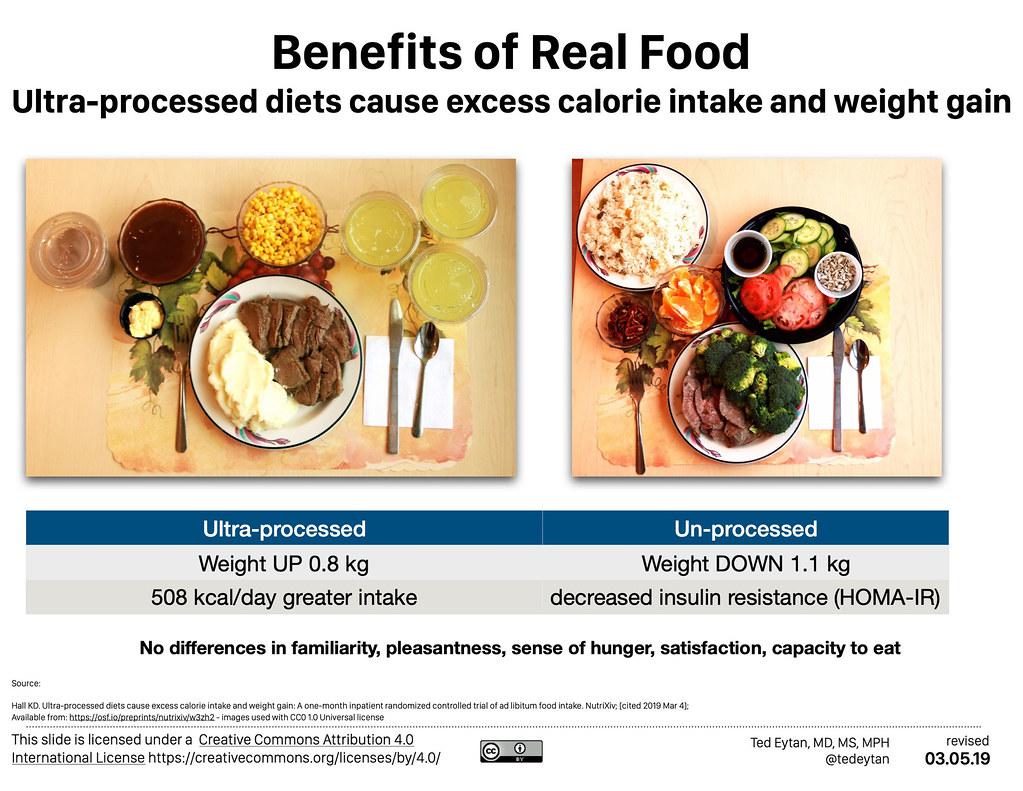
– Macronutrient Needs for Enhanced Performance
-
Macronutrient Needs for Enhanced Performance
-
To sustain optimal performance on the golf course, golfers require adequate intake of macronutrients: carbohydrates, proteins and fats.
- Carbohydrates: Essential for fuel during exercise, providing energy for muscle contraction, especially during prolonged, high-intensity play.
- Proteins: Needed for muscle repair, growth, and recovery, aiding in post-exercise muscle restoration and reducing muscle loss.
- Fats: Provide a sustained energy source and support hormone production, but should be consumed in moderation due to their high-calorie content.
-
Individual macronutrient requirements vary based on factors such as age, weight, body composition, and training intensity. Consulting with a registered dietitian can assist golfers in determining their specific needs and developing a personalized nutrition plan. The following table provides a starting point for recommended macronutrient intakes for golfers:
| Macronutrient | Recommended Daily Intake for Golfers |
|---|---|
| Carbohydrates | 6-10 grams per kilogram of body weight |
| Protein | 1.2-1.7 grams per kilogram of body weight |
| Fat | 1-1.2 grams per kilogram of body weight |
Maintaining adequate hydration is crucial during extended play, especially in hot and humid conditions. Here are some strategies to ensure optimal hydration:
Pre-Play Hydration:
- Start hydrating well before hitting the course, preferably 2-3 hours in advance.
- Consume approximately 500-750 mL of fluids, such as water, sports drinks, or coconut water.
- Avoid sugary drinks and caffeine, as they can contribute to dehydration.
During Play:
- Carry a water bottle or sports drink on the course and sip regularly, even if you don’t feel thirsty.
- Aim to consume 12-16 ounces of fluids every 15-20 minutes.
- Favor electrolyte-rich fluids, as they help replenish lost minerals through sweat.
Special Considerations:
- Hot and Humid Conditions: Increase fluid intake significantly, as sweat loss is higher.
- Altitude: Dehydration occurs more quickly at higher altitudes due to reduced oxygen levels.
- Body Size: Larger individuals require more fluids than smaller ones.
- Medical Conditions: Certain medical conditions, such as heart failure or kidney disease, may require adjusted hydration strategies. Consult with a healthcare professional for guidance.
– Dietary Recommendations for Pre and Post-Round Fueling
Dietary Recommendations for Pre and Post-Round Fueling
Before hitting the links, it’s crucial to fuel your body with energy-rich foods that provide sustained energy release. These include:
- Complex carbohydrates: Brown rice, whole-wheat bread, oatmeal
- Lean protein: Chicken, fish, beans
- Healthy fats: Avocado, nuts, seeds
Post-round nourishment aims to restore depleted glycogen stores and promote muscle recovery. Consider the following options:
- Protein-rich meals: Grilled salmon, steak, chicken breast
- Carbohydrates with high glycemic index: Sports drinks, fruit smoothies, bananas
- Antioxidant-rich foods: Berries, leafy greens
The table below outlines specific food recommendations for pre and post-round fueling:
| Nutrient | Pre-Round Meal | Post-Round Meal |
|---|---|---|
| Carbohydrates | Oatmeal with berries, whole-wheat toast | Sports drink, banana, baked potato |
| Protein | Scrambled eggs, lean bacon | Grilled chicken, protein shake |
| Healthy Fats | Avocado toast, nuts | Cottage cheese |
Supplementation can play a role in optimizing nutrition and enhancing performance for golfers. Consider the following recommendations:
- Creatine: Improves muscle strength and power, which can benefit swing speed and distance.
- Beta-Alanine: Buffers lactic acid buildup during high-intensity exercise, reducing muscle fatigue.
- Caffeine: Stimulates the nervous system, improving focus and alertness.
However, it’s crucial to note that supplementation should complement a balanced diet and appropriate training program. Always consult a healthcare professional before taking supplements, as some may interact with medications or have side effects.
– Dietary Modifications for Specific Health Conditions
## Dietary Modifications for Specific Health Conditions
If you have certain health conditions, it’s imperative to modify your diet accordingly. Here are some necessary dietary adjustments for common health ailments:
-
Cardiovascular health: To maintain a healthy heart, it’s essential to limit saturated and trans fats, cholesterol, and sodium intake. Consider incorporating more low-fat dairy, fruits, and vegetables into your diet.
-
Type 2 Diabetes: Manage blood sugar levels by choosing low-glycemic index foods such as whole grains, legumes, and non-starchy vegetables. Limit refined carbohydrates, sugary drinks, and processed foods.
-
Osteoporosis: For strong and healthy bones, consume adequate calcium and vitamin D. Include dairy products, leafy green vegetables, and fortified foods in your diet. To enhance absorption, ensure sufficient vitamin D exposure through sunlight or supplements.
| Health Condition | Dietary Considerations |
|---|---|
| Cardiovascular disease | Reduce saturated and trans fats, cholesterol, and sodium |
| Type 2 Diabetes | Choose low-glycemic index foods, limit sugary drinks and processed food |
| Osteoporosis | Consume adequate calcium and vitamin D, ensure sunlight or supplement intake |
In summary, nutritional optimization is crucial for novice golfers seeking to elevate their performance. Adhering to the dietary principles outlined in this article can provide novice golfers with the foundation for improved energy levels, enhanced focus, optimal recovery, and reduced risk of injuries. By incorporating these dietary considerations into their daily regimen, novice golfers can unlock their full potential and embark on a path to golfing success. Further research in this area is warranted to delve deeper into the intricate relationship between diet and golf performance, exploring the role of specific nutrients and dietary interventions in optimizing the physical and cognitive demands of the sport.