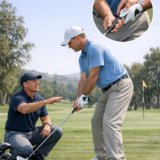
Establishing a stable Base for Optimal Follow-Through
In a golf swing, establishing a stable base is crucial for facilitating an effective follow-through. The foundation of your posture directly influences your ability to generate power and accuracy. A balanced stance enables the golfer to transfer their weight efficiently, creating a smoother transition from backswing to follow-through. Key elements include:
- Feet Position: Ensure that your feet are shoulder-width apart, providing a solid footing.
- Knee Flex: Maintain slight flex in the knees to lower your centre of gravity.
- Weight Distribution: Distribute your weight evenly across both feet during address.
Moreover, the alignment of your body plays a significant role in the execution of an optimal follow-through. Proper alignment with the target line aids in maintaining a controlled swing path, allowing for a more predictable ball flight. When your body is aligned correctly, it fosters an habitat where the arms and club can execute a fluid motion. Factors to consider include:
- Shoulder Alignment: Keep shoulders parallel to the target line.
- Hip Position: Allow your hips to rotate naturally during the swing.
- Head Position: Keep your head still throughout the motion to ensure consistent contact.
A golfer’s follow-through should closely mirror the established stance and alignment. After striking the ball, a controlled follow-through signifies that the kinetic chain has functioned effectively. The body should finish the swing in a balanced and upright posture,indicative of a stable base throughout the entire movement. Essential components include:
- Balanced Finish: Your weight should shift to the lead foot in the follow-through.
- Natural Extension: Your arms should extend towards the target without forcing the motion.
- Follow-Through Height: Maintain a level position of the clubhead at the finish, reflecting clean contact.

The Role of Hip and shoulder Rotation in achieving Consistency
Hip and shoulder rotation forms the cornerstone of a consistent golf swing, influencing not only the power but also the accuracy of each shot. Understanding the mechanics of these movements can significantly enhance a golfer’s performance. When the hips initiate the swing, they drive the rotation while the shoulders follow suit, creating a synchronized motion that maximizes energy transfer through the club. This dynamic pairing is crucial for achieving a balanced follow-through, which in turn solidifies the golfer’s stance and posture.
Balancing both hips and shoulders is vital. **key benefits of effective rotation include:**
- Improved power generation by utilizing larger muscle groups.
- Enhanced stability and posture throughout the swing.
- Increased accuracy through better alignment and follow-through.
By focusing on the coordination of these pivotal joints, golfers can reduce inconsistencies that often arise from faulty mechanics. Effective practice drills that emphasize rotation can aid in achieving this synergy, allowing golfers to perfect their technique with less strain and more regard for their natural motion. Utilizing visual feedback tools, such as video analysis, can highlight areas for improvement, enabling targeted adjustments at each phase of the swing. Understanding the biomechanical principles that govern follow-through techniques can further enhance performance through targeted practice.
| Movement | Effect on Swing | consistency Impact |
|---|---|---|
| Hip Rotation | Drives power; initiates swing | Boosts energy efficiency |
| shoulder rotation | Completes motion; follows hips | Improves alignment for accuracy |
The Importance of Clubhead Extension Through Impact
The extension of the clubhead through impact is a crucial element that significantly influences the trajectory and accuracy of a golf shot. When players maintain a proper extension, they ensure that the clubface remains square to the target line at the moment of impact. This alignment not only promotes a more accurate shot but also enables a consistent swing path, essential for repeated success on the course. Key factors contributing to effective clubhead extension include:
- Body Rotation: Utilizing the body’s natural rotation aids in extending the arms fully through impact, ensuring fluidity in motion.
- Wrist Position: A correct wrist position influences the angle of the clubface, contributing to more controlled shots.
- Follow-Through Mechanics: Engaging in a complete follow-through encourages a longer extension, promoting steady balance and rhythm.
Understanding the physics of clubhead extension reveals its effects on ball dynamics. During impact, maintaining the clubhead’s speed is vital; an effective extension helps to transfer energy efficiently from the club to the ball. This energy transfer dictates key elements such as spin and distance. Golfers should focus on:
- Extending Arms Fully: reaching through impact helps to maximize speed and distance.
- Maintaining a Firm Grip: A secure, yet relaxed grip allows for better control during the extension phase.
- Visualizing Follow-Through: Imagining a complete follow-through encourages a smoother transition from impact.
Training to enhance clubhead extension can be integrated into practice routines for lasting improvement. Utilizing drills that emphasize follow-through mechanics fosters an understanding of the necessary body alignments and movements. Incorporating exercises that enhance versatility and strength can also facilitate better performance. Consider implementing:
| Drill Name | Focus |
|---|---|
| Single Arm Swings | Encourages arm extension and body rotation. |
| Follow-Through Holds | Improves balance and reinforces extension through impact. |
| Weighted Club Exercises | Builds strength and promotes a smooth swing. |
Analyzing Common Follow-Through Mistakes and Their Impact on Accuracy
The follow-through is a critical component of a successful golf swing, yet many players overlook its importance. Common mistakes in follow-through mechanics can significantly detract from shot accuracy. As a notable example, **inadequate extension** of the arms and club can lead to a loss of power and direction. Players might also experience **improper weight distribution**,failing to shift their body weight onto the front foot,which skews the trajectory of the ball. This misalignment contributes to inconsistencies, making it challenging to replicate successful shots consistently.
Another prevalent issue is the tendency to **stop abruptly** at the end of the swing rather than completing a smooth motion. This abrupt cessation not only hinders the natural flow of energy throughout the swing but also disrupts the overall balance. A good follow-through allows the golfer to maintain **postural integrity**, ensuring that their body settles into a balanced position, which is crucial for accurate shots. Players must recognize that a fluid follow-through supports a more stable stance and better follow-on actions.
| Common Mistake | Impact on Accuracy |
|---|---|
| Inadequate Extension | Loss of power and direction. |
| Improper Weight Distribution | Skewed trajectory of the ball. |
| Stopping Abruptly | Disrupts balance and energy flow. |
| Lacking Postural Integrity | Challenging to maintain a consistent stance. |
Lastly, visualizing the follow-through can greatly enhance accuracy. Mental imagery reinforces the physical aspects of the swing, helping golfers internalize proper mechanics. By visualizing a polished and fluid follow-through, players can better connect the physical execution with their mental expectations. Training sessions should include dedicated time for practicing follow-through techniques, as this will cultivate **muscle memory** essential for achieving a successful golfing journey.
Integrating mental Focus and Visualization Techniques in the Follow-Through Process
Integrating mental focus and visualization techniques during the follow-through can significantly enhance one’s overall golf performance. This stage of the swing is crucial, as it not only completes the physical motion but also allows the golfer to maintain mental clarity and composure. By employing these techniques, golfers can picture a successful follow-through, reinforcing their commitment to the desired outcome. Consider the following strategies to enhance focus during this vital phase:
- Visualize the target: Before initiating the follow-through, take a moment to picture the ball’s trajectory toward the target.
- Consciously Monitor Your Body: Imagine the positioning of your arms, shoulders, and hips, ensuring that they move harmoniously.
- End with Confidence: Focus on achieving a balanced finish position, solidifying that sensation in your mind.
Applying these visualization strategies requires consistent practice. **Mental rehearsal** can be beneficial in this regard; dedicating time to mentally walk through each aspect of the follow-through allows for a stronger connection between mental focus and physical execution. As golfers envision themselves completing a flawless swing, they can work on aligning their physical movement with their mental imagery. This synergy empowers golfers to transition smoothly through the follow-through, thereby improving accuracy.
The benefits of integrating mental visualizations in the follow-through process extend beyond immediate performance enhancements. When golfers routinely engage in these techniques, they cultivate a deeper understanding of their body’s mechanics and develop increased self-awareness. Key points to remember include:
- Consistency: Regularly practice visualization to ingrain the desired follow-through techniques.
- Feedback: Use video analysis or coaching feedback to align mental imagery with physical execution.
- Mindfulness: Stay present in the moment, allowing the mind to focus solely on the follow-through.
In Retrospect
mastering the follow-through in the golf swing is not merely an aesthetic consideration; it is indeed a fundamental component that directly influences accuracy, power, and overall performance on the course. By understanding the biomechanical principles that underpin an effective follow-through, golfers can refine their techniques to achieve greater consistency in their shots. Emphasizing body alignment, maintaining balance, and ensuring proper weight shift are crucial elements that contribute to this critical phase of the swing. The integration of targeted drills, as highlighted in various studies and expert guides, can facilitate the improvement of one’s follow-through, leading to enhanced precision and control. As golfers commit to these practices, they will not only see improvements in their scores but will also develop a deeper understanding of their individual techniques and potential areas for advancement. Ultimately, a well-executed follow-through serves as a bridge linking technique and performance, reinforcing the idea that excellence in golf is as much about discipline and insight as it is about skill. By prioritizing the follow-through, golfers will be well on their way to achieving a higher level of mastery in their game.