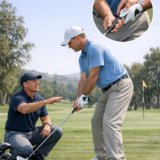
Golf is widely recognized not only as a sport demanding precision but also as one deeply rooted in etiquette. Beyond mastering the technical skills of striking the ball and sinking putts,golf embodies a set of behavioral standards that shape player interactions and the overall atmosphere on the course. For newcomers, grasping these etiquette fundamentals is essential-not only to elevate their personal enjoyment but also to nurture respect and fellowship among all participants. This article delves into the core etiquette principles that sustain the spirit of golf, highlighting the importance of maintaining pace, caring for the course, and demonstrating sportsmanship. By following these guidelines,beginner golfers can forge a stronger bond with the game and uphold its longstanding traditions and community values.
Why Golf Etiquette Matters for an Enriched Playing Experience
Etiquette forms the backbone of golf, substantially enriching the experience for players and onlookers alike. Observing these unwritten rules fosters an atmosphere of mutual respect and fair play, which in turn builds a sense of unity and friendship among golfers. Each round becomes more than a test of skill-it transforms into a shared celebration of values and thoughtful conduct.
Fundamental components of golf etiquette include:
- Respecting fellow golfers: Keeping quiet and limiting movement during others’ shots to help maintain their focus.
- Preserving the course: Repairing divots, smoothing bunkers, and fixing ball marks to keep the course in top shape for everyone.
- Maintaining a steady pace: Playing efficiently so that all groups can enjoy their rounds without unneeded waiting.
| Etiquette Element | Explanation |
|---|---|
| Silence | Stay quiet when others are preparing to take their shots. |
| Course Repair | Fix any damage caused during play,such as divots on fairways and ball marks on greens. |
| Efficient Play | Keep pace with the group ahead and allow faster groups to pass when appropriate. |
By adopting these behaviors, new golfers contribute to a respectful and enjoyable surroundings. Understanding and practicing golf etiquette benefits not only the individual but also the collective spirit of the game,reinforcing its integrity. These expectations transcend simple rules-they define the very character of golf.
Fundamental Conduct Guidelines for New Golfers
Proper behavior on the golf course is key to ensuring a positive experience for everyone involved.One of the most vital etiquette aspects is keeping up with the pace of play.Players should be ready when it’s their turn by having their clubs selected and shots planned. To help maintain smooth gameplay, consider these tips:
- Be Prompt: Take your shot and move on quickly without rushing.
- Maintain Spacing: Keep a reasonable distance from the group ahead to avoid slowing down play.
- Minimize Lost Ball Searches: Limit time spent looking for lost balls; if it takes too long, allow the group behind to play through.
Equally important is respecting the order of play. The “honor system” generally dictates that the player farthest from the hole plays first. To uphold this tradition:
- Know the Rules: understand that turn order is usually based on proximity to the hole.
- Support Less Experienced Players: Give beginners space and patience as they learn.
- Communicate Clearly: Ensure everyone in your group knows who plays next to avoid confusion.
Additionally, course upkeep is a shared duty. Protecting the course’s condition benefits all players and preserves its beauty for future rounds. Practical steps include:
- fix Damage: replace divots, rake bunkers, and repair ball marks after your shots.
- Stick to Paths: Use designated cart paths and avoid driving on greens or tee boxes.
- Dispose of Trash Properly: carry out all waste,including tees and wrappers,to keep the course clean.
tips for Keeping a Good Pace and Showing Respect on the Course
Maintaining a steady pace is crucial for a pleasant round.Beginners should focus on being prepared and efficient. When it’s your turn:
- Plan Ahead: Decide on your club and shot before stepping up.
- Move Briskly: Walk quickly to your ball and be ready to play.
- Limit Practice Swings: Avoid excessive warm-ups before hitting.
Respecting fellow players is equally vital, fostering a friendly and supportive environment. Key practices include:
- Follow the Play order: Wait for the group ahead to clear the green before teeing off.
- Minimize Distractions: Silence phones and avoid talking during others’ shots.
- Encourage Positivity: A simple nod or smile can boost morale and camaraderie.
Being mindful of course maintenance also enhances everyone’s experience. Remember to:
- Repair the course: Fix divots, ball marks, and rake bunkers after use.
- Keep Play Moving: If your group is slow, consider splitting into smaller groups.
- Respect Local Rules: Each course may have specific guidelines-be sure to follow them.
Safe and Courteous Behavior on the Golf Course
Interacting with other players requires adherence to a code of conduct that prioritizes safety and respect. Always stay aware of your surroundings to avoid accidents or disruptions. Critically important safety tips include:
- Keep a Safe Distance: stand clear when others are swinging.
- Wait Your Turn: Only play when it’s your designated time.
- Be Mindful of Your Swing: Avoid swinging clubs near others to prevent injury.
Beyond safety, courteous behavior creates a welcoming atmosphere. consider these practices:
- Reduce Noise: Keep conversations low and movements subtle during shots.
- Exercise Patience: Golf can be slow; showing understanding during delays is important.
- Compliment Good Shots: Recognizing skillful plays encourages sportsmanship.
Respect for the course itself is a reflection of your commitment to the game and environment. Key points include:
- Repair Course Damage: Fill divots, fix ball marks, and rake bunkers after use.
- Follow Course-specific Rules: Each venue may have unique regulations-adhere to them.
- Be punctual: Arrive on time for your tee time to keep play on schedule.
Dress and Equipment Standards: Presenting Yourself Professionally on the course
Golf’s traditions extend to attire, where a polished appearance reflects respect for the sport. Adhering to a proper dress code enhances the experience for all participants and spectators. Typical golf clothing includes:
- Collared Shirts: Polos or button-down shirts maintain a neat,classic look.
- Well-Fitted Shorts or Pants: Choose cozy, appropriately tailored bottoms.
- Golf Shoes: Essential for grip and protecting the greens.
Equipment also signals your regard for the game. Beginners should invest in suitable gear and keep it well-maintained. Important equipment etiquette includes:
- Choose Appropriate Clubs: Select clubs that match your skill and style.
- Keep Your Bag Organized: Remove clutter and keep your gear tidy.
- Carry Course Essentials: Always have divot repair tools, ball markers, and tees on hand.
your conduct on the course should minimize distractions and show consideration for others. Helpful habits include:
- Be Ready: Prepare to take your shot promptly when it’s your turn.
- Control Noise: Maintain silence while others are playing.
- Respect the Course: Repair any damage you cause, such as footprints in bunkers or ball marks on greens.
Mastering golf etiquette is essential for beginners aiming to navigate the course with confidence and respect. The game’s rich heritage encompasses more than technique-it involves a thorough code of conduct that preserves its dignity and fosters fellowship among players. By embracing key principles like maintaining pace, honoring fellow golfers, and caring for the course, new players not only enhance their own experience but also contribute to a culture of mutual respect and enjoyment.
As you begin your golfing adventure, remember that etiquette elevates both individual performance and collective recognition of the sport. Following these guidelines will help you and your playing partners fully engage with golf’s timeless traditions, making every round a rewarding and memorable journey. rnrn

Mastering Golf Etiquette: The ultimate Beginner’s Guide to Respect and play on the Course
Understanding the Basics of Golf Etiquette
Golf etiquette is more than just a set of rules; it’s the unwritten code that ensures every golfer enjoys the game in a respectful, safe, and enjoyable environment. Whether you’re a beginner or getting back into golf, mastering golf etiquette will boost your confidence and help maintain the spirit of the game. Here’s what every new golfer should know:
why Golf Etiquette Matters
- Respect for others: Golf is frequently enough played in groups,so respecting fellow players’ time and space is critical.
- Safety: Following etiquette reduces the chance of injury on the course.
- Course Preservation: Proper care of the golf course maintains its quality and playability.
- Promotes pace of play: Etiquette helps keep the game moving smoothly for all players.
Key Golf etiquette Rules Every Beginner Should Follow
1. Respect Tee Time and Pace of Play
Arrive at the golf course early and be ready to tee off at your assigned time. Playing promptly and efficiently prevents delays and frustration. If you’re new,try to keep up with the group in front of you,not outpace slower players behind.
2. Keep quiet and Still During Shots
Noise and movement distract players during their swings and shots. Remain quiet and refrain from moving or standing in your playing partner’s line of sight or behind them while they take their shot.
3. Take Care of the Course
- Repair ball marks: Always fix divots or ball marks on greens using a repair tool or tee.
- Rake bunkers: After playing from sand traps, smooth out footprints and club marks with the sand rake.
- Replace divots: Return any turf you remove on fairways and tees back into the ground.
4. Proper Handling of Golf Equipment
Keep your golf clubs and bag organized and out of fairways or greens to prevent damage and avoid obstructing other players. Also, avoid practice swings or hitting balls near greens or tee boxes that could disrupt other players.
5. Safety First on the Course
- Make sure the group ahead is out of range before hitting your shot.
- Yell “Fore!” if your ball is headed toward another player.
- Avoid throwing clubs or equipment in frustration.
Golf Etiquette on the Green
The putting green requires special attention to etiquette because of its delicate grass and the need for focused play.
- Mark your ball: Use a ball marker and always mark your golf ball’s position if it’s in the line of another player’s putt.
- Avoid stepping on others’ putting lines: Walk around the line of play to avoid affecting the ball’s roll.
- Be ready to putt: Prepare efficiently so the pace remains steady, but don’t rush your or others’ shots.
Common Golf Etiquette Mistakes to Avoid
| mistake | Why It’s Problematic | How to Avoid |
|---|---|---|
| Talking or Moving during Others’ Shots | Distracts players and breaks concentration. | Stay silent and still until the shot is completed. |
| Not Repairing Divots or Ball Marks | Damages the course and affects future playability. | Carry and use necessary tools; always fix marks before moving on. |
| Slow Play | Delays the game and frustrates other players. | Be efficient; prepare for shots while others play and keep pace. |
| Ignoring Safety Calls (“Fore!”) | Risk of injury to players or spectators. | Shout clearly and loudly any errant shots heading toward people. |
Benefits of Mastering Golf Etiquette Early
Getting agreeable with golf etiquette from the start accelerates your growth as a golfer and enhances your experience. Here are some key benefits for beginners:
- Better relationships: Showing respect encourages camaraderie and goodwill with other golfers.
- Improved focus and confidence: Mindfulness about rules and etiquette leads to better concentration and fewer mistakes.
- Smooth rounds: faster play and fewer disruptions improve the overall flow of the game.
- Course access: Golf clubs appreciate responsible players,making it easier to book tee times and join events.
Practical Tips to Practice Golf Etiquette
- observe experienced players: Watch golf pros or seasoned amateurs for examples of proper etiquette in action.
- Learn the rules: Studying basic golf rules alongside etiquette makes you a well-rounded golfer.
- Pack etiquette essentials: Carry a divot tool, ball marker, and golf towels to be prepared on the course.
- Communicate kindly: Use polite language and thank other players for their patience or help.
- Stay patient and positive: Golf is a sport of respect and enjoyment – frustrations don’t belong on the course.
First-Hand Experience: What I Learned About Golf Etiquette as a Beginner
When I first played golf, I quickly realized that knowing how to swing wasn’t enough – understanding golf etiquette was essential. early in my learning, I made the mistake of talking when others were about to hit. One day, a kind golfer gently reminded me to be quiet, which instantly improved the mood and flow of our group. Over time, I became more mindful of repairing ball marks and moving quickly between shots, which made playing more fun and respectful.
Golf etiquette not only enhanced my playing experience but also fostered lasting friendships and a greater appreciation for the game’s spirit. Beginners should focus on both their skills and manners to fully enjoy the beauty and challenge of golf.