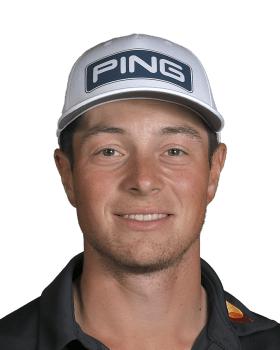
phil Mickelson stands as a paragon of excellence in the world of golf,renowned not only for his competitive achievements but also for his innovative instructional techniques. This evaluation aims to explore the multifaceted approaches that Mickelson employs to enhance the skills of aspiring golfers. Central to this analysis are his unique strategies for mastering the short game, as well as his mental fortitude, which he emphasizes as pivotal for achieving success in golf. By examining these elements, the discussion seeks to provide valuable insights and practical applications that can significantly improve performance for players at all levels. Furthermore, the exploration will demonstrate how Mickelson’s philosophy integrates technical skill development with a comprehensive understanding of the psychological aspects of the game, serving as a robust framework for contemporary golf instruction.
Evaluating the Short Game Mastery of Phil Mickelson
Phil Mickelson’s approach to the short game exemplifies a meticulous understanding of both technique and strategy. His **chipping advice** emphasizes the importance of maintaining a more vertical shaft during chip shots, which encourages solid contact by positioning the club in a way that promotes hitting the ball with the toe. This technique results in a slower release and offers players the opportunity to gain confidence over time. By advocating for this adjustment, Mickelson underscores a fundamental principle in short-game success: solid contact leads to improved outcomes.
Moreover, Mickelson simplifies the complexity of short-game shots into a few essential principles. For instance, his method for executing low shots focuses on ensuring that the clubface is aligned with the target and the ball is positioned centrally within the stance. This straightforward positioning enables golfers to achieve the necessary clubhead speed while allowing them to swing their arms deeper and hinge their wrists effectively. Such clarity in instruction not only makes advanced techniques accessible but also empowers golfers to develop their own style as they learn the nuances of shot-making.
In addition to these technical insights, Mickelson’s mastery of the mental aspect of the game cannot be overstated. He often speaks about the meaning of confidence and mental resilience, which he believes are crucial for excelling around the greens. To illustrate this, consider the following key components of his mental game strategy:
| Component | Description |
|---|---|
| Visualization | Imagining accomplished shots before executing them. |
| Focus | Maintaining concentration on the target rather than potential outcomes. |
| Positive Self-Talk | Encouraging internal dialogue to build confidence before shots. |
These components highlight Mickelson’s holistic approach to golf, where both physical technique and mental fortitude play integral roles in achieving success, particularly in the short game. Additionally, one of Mickelson’s key philosophies is the significance of **visualization** in executing short game shots. He teaches aspiring golfers to visualize their shot’s trajectory and impact, which not only aids in shot selection but also promotes a mental rehearsal technique that prepares them for performance under pressure. This practice helps cultivate a mindset that reinforces confidence and resilience, particularly in challenging gameplay situations.
Analyzing Phil Mickelson’s Innovative Practice Strategies
Phil Mickelson’s approach to practice is a testament to his success on the golf course, reflecting a blend of creativity and discipline. His practice routines emphasize the importance of not just repetition, but also of strategic diversity. by incorporating various drills, he targets specific aspects of his game, such as:
- Short Game Mastery: Mickelson focuses heavily on chipping and putting, often practicing from different lies and distances.
- Visualization Techniques: he uses mental imagery to enhance focus and confidence, visualizing shots before executing them.
- Game Simulation: He simulates course conditions during practice, creating a realistic environment that prepares him for tournaments.
Moreover, Mickelson advocates for a tailored practice schedule that adapts to the individual golfer’s needs and learning style. He frequently enough emphasizes the significance of deliberate practice-a method where specific areas of enhancement are identified and worked on progressively. This focused approach allows players to:
- Identify Weaknesses: By analyzing performance data, golfers can pinpoint areas needing improvement.
- Prioritize Skills: Allocating time to specific drills based on weaknesses enhances skill development.
- Track Progress: Keeping a practice journal fosters accountability and allows golfers to reflect on their improvement.
In addition, Mickelson’s practice philosophy includes the integration of technology to refine techniques. Utilizing devices such as swing analyzers and putting sensors, he demonstrates how technology can provide insights into swing mechanics and putting strokes. Key benefits of this technological integration include:
| Technology | Benefits |
|---|---|
| Swing Analyzers | Improves swing mechanics through data-driven insights. |
| Putting Sensors | Enhances accuracy and consistency in putting. |
| Video Analysis | Facilitates visual feedback for better understanding of technique. |
Assessing Mental Resilience Techniques in Golf Instruction
Phil Mickelson’s approach to mental resilience in golf instruction is one that emphasizes both **focus** and **emotional stability**. He integrates strategies that help players maintain concentration, particularly during high-pressure situations. Key techniques include:
- Visualization: Mickelson teaches golfers to vividly imagine every shot, creating a mental blueprint for success.
- Pre-shot Routine: A consistent pre-shot routine acts as a mental anchor, allowing players to enter a focused state.
- Acceptance: He encourages players to accept outcomes, reducing anxiety related to performance and promoting relaxation.
Another critical aspect of Mickelson’s methodology is the incorporation of the **”one shot at a time” mentality**. This principle empowers golfers to concentrate on the present moment, mitigating distractions from past mistakes or future pressures. By fostering this mindset, golfers can:
- Enhance Performance: Focusing solely on the current shot improves execution and decision-making.
- Build Resilience: Accepting challenges as part of the game nurtures a learning attitude and mental toughness.
- Strengthen Emotional Composure: By letting go of previous errors, players can approach each swing with renewed confidence.
To quantify the effectiveness of these techniques, consider the following table summarizing mental resilience outcomes from golfers who applied Mickelson’s strategies:
| Mental Technique | Performance Improvement (%) | Stress Reduction Level (1-10) |
|---|---|---|
| Visualization | 25 | 8 |
| Pre-shot Routine | 30 | 7 |
| Acceptance | 20 | 6 |
Exploring Phil Mickelson’s Approach to Shot Visualization
Phil Mickelson’s approach to shot visualization is integral to his success on the golf course. He emphasizes the importance of picturing each shot in one’s mind before execution. This mental rehearsal allows golfers to create a clear mental image of their desired shot trajectory and landing area, thereby enhancing focus and confidence on the course. **Key components** of this technique include:
- Imagery: visualizing not just the shot but also the surroundings, including possible hazards.
- Emotional Engagement: connecting emotionally to the visualization can enhance performance and reduce anxiety.
- Specificity: Vagueness can lead to indecision; detailed visuals lead to clarity and decision-making.
Mickelson also advocates for understanding one’s own eye dominance and its impact on visualization. According to his insights, this recognition influences how golfers perceive target alignment and approach angles. By tailoring visualization techniques to accommodate dominant eye preferences, players can significantly improve their overall shot execution. Additional factors to consider in this context include:
- Alignment: Ensuring that the target line corresponds to the golfer’s eye dominance can improve accuracy.
- Focus Points: Establishing clear focus points during visualization enhances targeting.
- Practice Repetition: Regular practice can solidify effective visualization techniques into a golfer’s routine.
Mickelson’s strategies for shot visualization extend beyond mere imagery; they encompass a holistic mental framework that includes relaxation techniques and maintaining a positive mindset. Such a comprehensive approach equips golfers with the emotional resilience to handle competitive pressures. The combination of mental clarity and emotional control is essential for high performance in golf, characterized by:
- Pre-Shot Routine: Establishing a consistent routine helps reinforce visualized outcomes.
- Adaptive Thinking: Players are encouraged to adjust their visuals based on course conditions or unforeseen challenges.
- Self-Talk: Positive affirmations can enhance belief in one’s visualizations,leading to improved execution.
Integrating Phil Mickelson’s instructional Principles into Amateur Play
To effectively integrate Phil Mickelson’s instructional principles into amateur play, golfers should begin by focusing on strategic shot selection. This involves assessing not only the distance to the target but also considering environmental factors such as wind and course conditions. Amateur players can benefit from practicing situational awareness by:
- Visualizing shots before execution, focusing on potential obstacles and landing zones.
- Experimenting with various approaches during practice rounds, enabling a deeper understanding of how different factors affect play.
- Adopting a versatile club selection for various scenarios, rather than limiting themselves to a predetermined set of choices.
Mental resilience is another cornerstone of Mickelson’s success that amateurs can cultivate through structured practice and mindfulness techniques. Developing a consistent mental routine allows players to maintain focus during high-pressure situations. Key strategies include:
- Implementing pre-shot routines to build confidence and familiarity with the process.
- Practicing visualization techniques to reinforce positive outcomes and reduce fear of failure.
- Engaging in reflective practice post-round to learn from mistakes and successes alike.
Effective course management also plays a crucial role in Mickelson’s approach, encouraging amateur golfers to treat each hole as a unique challenge requiring tailored strategies. This can be achieved through:
- Mapping out the course to identify preferred landing areas and potential hazards.
- Understanding personal strengths and weaknesses in shot-making, allowing for smarter decision-making.
- Regularly reviewing course performance to refine strategies based on previous experiences.
### Conclusion
In evaluating Phil Mickelson’s instructional techniques in golf, it is evident that his approach transcends traditional methodologies, integrating a holistic understanding of both mental and physical aspects of the game.His strategic shot selection, combined with a profound emphasis on mental resilience, underscores the importance of psychological preparedness in achieving success on the course. Furthermore, Mickelson’s exceptional course management skills serve as a testament to his ability to adapt to varying situations, illustrating that success is not solely defined by technical prowess but also by intelligent decision-making.
Aspiring golfers can greatly benefit from adopting Mickelson’s principles, as they emphasize the interplay between mental acuity and physical execution. By focusing on these multifaceted techniques, golfers can cultivate not only their skills but also their capacity to navigate the complexities of the game with confidence and poise. Phil Mickelson’s instructional legacy offers invaluable insights that have the potential to elevate players at all levels, fostering a deeper gratitude for the art and strategy of golf.