
Golf is frequently perceived as a technical and tactical pursuit, yet its performance determinants extend well beyond swing mechanics. Contemporary research demonstrates that nutrition meaningfully influences the physiological and cognitive capacities that underpin golf performance – including sustained concentration across 18 holes, repeatable power generation in the swing, thermoregulation, and post-round recovery. For novice golfers seeking rapid and sustainable improvement, adopting an evidence-based nutritional strategy can complement technical practice and conditioning to optimize endurance, strength, and recovery.
This article synthesizes current empirical findings and consensus guidance into eight practical, research-informed essentials tailored for new golfers. Emphasizing mechanisms and applicability, the forthcoming guidance addresses macronutrient composition and timing for pre-, intra-, and post-round fueling; hydration strategies and electrolyte management; protein dosing for strength and tissue repair; the role of dietary fats in energy and inflammation regulation; and key micronutrients (e.g., vitamin D, iron, magnesium, B vitamins) that influence energy metabolism, neuromuscular function, and recovery. We also consider pragmatic topics such as individualized energy availability, safe supplement use, and simple monitoring approaches to translate evidence into everyday practice.
By framing recommendations within the existing evidence base and highlighting actionable steps appropriate for entry-level golfers, this overview aims to support informed, measurable improvements in on-course performance and resilience.
Macronutrient optimization for sustained energy and power during play
Optimizing macronutrient composition for golf requires aligning substrate availability with the sport’s dual demands: prolonged low‑intensity exercise (walking, putting) and repeated high‑power actions (drives and approach shots). Carbohydrate should be emphasized as the primary fuel for sustained on‑course energy and cognitive focus; dietary protein supports muscle contractile quality and repair; dietary fat sustains prolonged energy needs and supports hormonal function. An evidence‑informed strategy thus treats carbohydrates as the volume fuel, protein as the structural and recovery substrate, and fats as the caloric buffer to maintain energy balance without impairing immediate performance.
quantitative targets facilitate practical request. Typical, evidence‑based ranges useful for new golfers are presented below to guide daily and session planning. Adjust targets by body mass, total energy expenditure, and whether the round involves walking multiple holes or additional practice sessions.
| Session length | Carbohydrate | Protein (daily) | Fat |
|---|---|---|---|
| Short practice (≤90 min) | 3-5 g/kg·day | 1.2-1.6 g/kg·day | 20-35% kcal |
| Standard 18 holes (3-4 hr) | 5-7 g/kg·day; 20-40 g every 45-60 min during play | 1.2-1.7 g/kg·day | 20-35% kcal |
| Long day + practice (>4 hr) | 6-8 g/kg·day; consider 30-60 g/hr intra‑round | 1.4-1.8 g/kg·day | 20-35% kcal |
Timing and practical fueling are critical: consume a carbohydrate‑dominant meal 2-3 hours before the round (aim for ~1-2 g/kg depending on timing and tolerance) with a moderate amount of protein and lower fat to minimize gastrointestinal disturbance.during play favor easily digestible carbohydrate sources at regular intervals (every 45-60 minutes) to maintain blood glucose and decision‑making. Typical, low‑GI to moderate‑GI options include:
- Fruit + nut butter (banana with a small spoon of almond butter)
- Energy bar (20-30 g carbohydrate, low in fat)
- Sports drink (for prolonged walking or hot conditions: 30-60 g carbohydrate per liter plus electrolytes)
- rice cakes or sandwich (white rice cake or lean turkey on bread for fast absorption)
Post‑session protein is essential for repair and to preserve strength for subsequent rounds or practice. Aim for ~20-40 g of high‑quality protein within 30-60 minutes after play (a dose that reliably stimulates muscle protein synthesis for most adults). Distribute total daily protein across 3-4 meals to meet the daily target and include a source rich in leucine (dairy,lean meat,soy) in at least one post‑round feeding. prioritize whole foods, individualized testing of pre‑game meals in practice, and small, incremental adjustments based on bodyweight changes, energy, and recovery markers rather than rigid prescriptions.
Strategic pre round and on course fueling to preserve concentration and performance
Prioritize steady cerebral fuel delivery. Pre-competition feeding should aim to stabilize blood glucose and maintain sustained attention across 4-5 hours of intermittent low-to-moderate intensity activity. Consume a single, easily digestible meal 2-3 hours before the first tee that emphasizes low-moderate glycaemic carbohydrates, a moderate amount of lean protein, and minimal fat and fibre to reduce gastrointestinal load.Empirical evidence supports that this composition attenuates postprandial glycaemic excursions and preserves cognitive resources important for shot planning and decision-making.
Targeted macronutrient prescriptions increase predictability. Practical targets for emerging golfers are to consume approximately 1-2 g/kg of carbohydrate in the 1-3 hour pre-round window alongside ~0.2-0.4 g/kg of protein to support neuromuscular readiness without gastric discomfort. Include a small dose of caffeine (e.g., 50-150 mg) onyl if previously tolerated, as it can enhance vigilance and motor control; avoid introducing novel stimulants on event days. Individual variability necessitates field-testing these prescriptions during practice rounds.
- Small, frequent on-course carbohydrate intakes – aim for 20-30 g every 45-60 minutes to prevent cognitive drift.
- Portable, low-residue choices – banana, compact sandwich (lean protein + white bread), energy bar with 20-25 g carbs, or 3-4 carbohydrate gels depending on preference.
- Hydration with electrolytes – alternate water and a low-concentration sports drink (4-6% carbohydrate) to support fluid balance and maintain mouthfeel without gastric upset.
Use simple heuristics for on-course timing and portioning.Begin sipping fluids as soon as you leave the practice green and take a small carbohydrate serving after every 3-4 holes or when subjective concentration wanes. Avoid high-fat or high-fibre snacks mid-round as they slow gastric emptying and can degrade attentional performance. Coaches should encourage athletes to monitor subjective alertness, driving quality, and perceived exertion to fine-tune intra-round fueling strategies.
| Timing | Practical example | Primary purpose |
|---|---|---|
| 2-3 hours pre-round | White rice + grilled chicken, small fruit | Stable glucose, muscle readiness |
| 15-30 min pre-start | banana or 20 g carb bar | Top-up glycogen, cognitive boost |
| Every 45-60 min | 30 g carbs (bar/gel) + sips of electrolyte drink | Sustain concentration and prevent fatigue |
Document, review, and individualize. Use simple logs during training rounds to record what was eaten, timing, perceived focus, and performance markers; this iterative process yields individualized best-practice patterns. For junior athletes, involve guardians and coaches in meal planning to align nutritional strategies with developmental needs and schedule constraints. Consistent, evidence-informed pre-round and on-course fueling reduces cognitive lapses and supports repeatable performance across competitive and practice contexts.
Hydration strategies and electrolyte management for thermoregulation and endurance
thermoregulation during an 18‑hole round depends on the interplay between evaporative cooling (sweating), cardiovascular strain, and intravascular volume. Even modest fluid deficits reduce stroke volume and increase perceived exertion, which degrades decision‑making and swing mechanics. Evidence supports replacing both water and electrolytes to maintain plasma volume, support neuromuscular function, and preserve endurance; clinical guidance for dehydration management emphasizes restoring fluids and electrolytes together rather than water alone.
Prepare before teeing off by adopting a standardized pre‑hydration routine: consume **5-10 mL/kg body mass 2-4 hours** before play,and top up with ~150-250 mL in the 15 minutes before starting if urine is darker than pale straw. For longer exposure or warmer conditions, include a beverage containing sodium (or a small salty snack) as part of the pre‑load to sustain plasma osmolality and promote fluid retention. Simple, field‑friendly checks-urine color and body mass-are effective objective markers to confirm adequate pre‑hydration.
during play emphasize small, regular intakes and targeted electrolyte replacement. A practical regimen is **150-250 mL every 15-20 minutes**, increasing frequency as sweat rate rises. For sessions that exceed 60-90 minutes or for players who sweat heavily, include sodium to offset losses: typical sports‑drink/supplement strategies deliver sodium in the range of **~300-700 mg per liter (approx.)**, with higher concentrations indicated for extreme sweat rates or prolonged heat exposure. Field symptoms to watch for include headache, lightheadedness, dark urine, and cramping-each warrants stepped up rehydration and electrolyte inclusion.
Recovery hydration should aim to restore both fluid and electrolyte deficits: target replacing **~1.25-1.5 L of fluid per kg** of body mass lost during exercise, together with sodium to facilitate retention. Pair rehydration with a modest carbohydrate + protein snack (e.g., 20-40 g carbohydrate + 10-20 g protein) to accelerate glycogen resynthesis and support muscle repair, notably after rounds that include walking and repeated high‑effort shots. The table below summarizes common beverage choices and practical use‑cases.
| Beverage | Approx.sodium (mg/L) | Best use |
|---|---|---|
| Plain water | 0 | short rounds, low sweat; baseline rehydration |
| Standard sports drink | ~300-700 | Rounds >60 min, moderate sweat; electrolyte + carbs |
| Electrolyte tablet or oral rehydration solution | ~700-1700 (varies) | High sweat, heat, or repeated days of play |
Individualize protocols through monitoring and simple field tests: perform a sweat‑rate calculation (pre/post body mass excluding fluid intake), track urine color and frequency, and adjust sodium and fluid volumes for temperature, clothing, and personal tolerance.Account for medications,medical conditions (e.g., hypertension, renal disease), and older age when prescribing sodium loads; consult a healthcare professional if there is any medical complexity. In the event of heat illness signs-confusion, collapse, or persistent vomiting-initiate cooling and seek urgent medical care rather than self‑treating with routine hydration strategies.
Protein timing and amino acid quality for strength retention and recovery
Protein ingestion is the principal dietary stimulus for muscle protein synthesis (MPS) and thereby for the preservation of strength and the acceleration of recovery after training or a long round. Acute MPS is driven by essential amino acids, with leucine acting as a key trigger; aim for a per‑meal leucine supply of approximately 2-3 g. In practical terms this typically corresponds to a bolus of 20-40 g of high‑quality protein per feeding for most adult golfers, with higher absolute doses suggested for older individuals or those with greater lean mass. Timing of these doses around activity-rather than concentrating intake into one or two meals-optimizes net protein balance across the day.
Distributing protein evenly and synchronizing intakes with the golfing schedule improves retention of functional muscle. A pragmatic pattern is to provide moderate protein every 3-4 hours,plus an additional recovery serving within 30-60 minutes after intense practice or a strenuous 18‑hole round. Simple, evidence‑based snack choices include:
- Whey protein shake (20-30 g) – fast absorption, high leucine.
- greek yogurt with nuts – mixed amino acid profile and some fat for satiety.
- Turkey or chicken sandwich on whole grain – practical on‑course option.
Amino‑acid quality is as critically important as quantity. Animal‑derived proteins (whey, dairy, egg, lean meats) typically provide complete essential amino acid (EAA) profiles and high leucine content; for plant‑forward golfers, combine complementary sources (e.g., legumes + grains, or use fortified/combined plant protein blends) to ensure adequate EAAs per serving. For older golfers, who exhibit anabolic resistance, per‑meal targets often shift upward toward the upper end of the 20-40 g range to achieve similar MPS responses. When selecting supplements, prioritize products that list EAA content and specify leucine per serving.
Strategic use of slower‑digesting proteins can extend amino‑acid availability during prolonged low‑activity periods (late rounds, travel, overnight). A short reference table illustrates feasible timing and dosing strategies for a typical golf day:
| Timing | Protein dose | Practical example |
|---|---|---|
| Pre‑round (60-90 min) | 20-30 g | greek yogurt + fruit |
| Mid‑round snack (if needed) | 10-15 g | Beef jerky or protein bar |
| Post‑round (30-60 min) | 20-40 g | Whey shake or chicken + rice |
| Before sleep | 20-40 g | Casein or cottage cheese |
Clinical considerations and safety are essential: those with diagnosed kidney disease, nephrotic syndrome, or other renal impairment should follow individualized medical and dietary guidance (renal diets often modify total protein, sodium and mineral intakes). Monitor clinical markers as advised by a healthcare provider rather than self‑adjusting to vrey high protein intakes. For or else healthy golfers, an evenly distributed daily protein plan emphasizing EAA and leucine adequacy supports strength retention, reduces recovery time, and contributes to consistent on‑course performance-provided total energy and hydration are also managed.
Carbohydrate periodization aligned with training load and competitive demands
Carbohydrate intake should be systematically matched to the day-to-day training stimulus and the temporal structure of competition to preserve sprint and strength capacity, sustain prolonged walking rounds, and protect cognitive decision-making late in play. Periodizing carbohydrates is not about eliminating carbohydrate but about allocating it where it most directly supports performance and adaptation: higher availability for intense on-course practice sessions and tournaments, moderated availability for low-intensity skill work, and targeted replenishment after sessions that produce notable glycogen depletion. This strategic alignment reduces the risk of underfueling on demanding days and of chronic overconsumption on recovery days, both of which can impair training adaptations and body composition goals.
Practical quantitative targets follow evidence-based sport nutrition frameworks and should be individualized by body mass and session intensity.Typical daily carbohydrate ranges are approximately 3-5 g/kg for low training load, 5-7 g/kg for moderate load, and 6-10 g/kg for high-volume or multiple daily sessions.Pre-session strategies (e.g.,1-4 g/kg in the 1-4 hours before activity) maximize muscle and liver glycogen and cognitive readiness; intra-session intake (≈30-60 g/h) can be useful for rounds lasting several hours; post-session refueling of 1.0-1.2 g/kg in the first 4 hours accelerates glycogen resynthesis when rapid recovery is required.
| Session Type | Carb Target (g/kg·day) | Timing Example |
|---|---|---|
| Low-intensity skill practice | 3-4 | Light breakfast; no extra intra-session carbs |
| High-intensity gym or interval practice | 6-8 | Pre-session meal + 30-60 g/h during long intervals |
| Competition day (18 holes walking) | 5-7 (timed) | 1-2 g/kg pre-round + snacks/gels every 60-90 min |
Implementation strategies that translate periodized targets into on-course and training behaviors include:
- Planned low-carbohydrate sessions (skill-focused, low intensity) to promote metabolic versatility-but limit frequency and avoid preceding key technical or high-intensity workouts.
- Portability of carbohydrate using compact sources (bananas, bars, gels, sports drinks) scheduled across a 4-5 hour round to maintain substrate and cognitive function.
- Pre-competition tapering where carbohydrate-availability is increased in the 24-48 hours before critically important events to top up muscle glycogen without altering body composition drastically.
- recovery windows prioritized with mixed-carbohydrate and protein meals within 30-120 minutes post-session to optimize glycogen restoration and muscle repair.
Individual response, training goals, and practical constraints should guide adjustments: monitor perceived exertion, body-mass trends, sleep quality, and late-round accuracy to evaluate effectiveness. Use carbohydrate periodization sparingly (e.g., specific microcycles) and avoid habitual low-carbohydrate exposure that could blunt high-intensity output during tournaments. Hydration and electrolyte strategies are integral-carbohydrate-containing fluids can simultaneously support fuel delivery and fluid balance. When in doubt, engage a credentialed sports dietitian to translate these evidence-based ranges into a personalized plan that balances performance, recovery, and long-term adaptation.
Key micronutrients supporting neuromuscular function bone health and injury prevention
Micronutrients are required in trace amounts yet are indispensable for optimal musculoskeletal performance and injury resilience in golfers; deficiencies can impair force production, proprioception, and tissue repair. Global surveillance initiatives emphasize that shortfalls of specific vitamins and minerals remain common across populations, underscoring the need for targeted assessment in athletes beginning new training loads. A strategic micronutrient plan complements macronutrient and hydration strategies to sustain endurance across 18 holes and to reduce cumulative tissue stress from repetitive swings.
Neuromuscular integrity depends on electrolytes and neuro‑nutrients that govern membrane potentials, neurotransmission and muscle contraction. **Calcium** and **vitamin D** modulate excitation‑contraction coupling and neuromuscular junction stability; **magnesium** acts as a cofactor in ATPase activity and stabilizes nerves and muscle; **potassium** and **sodium** maintain action potential propagation. Deficits in **vitamin B12** and **pyridoxine (B6)** impair peripheral nerve health and can present as slowed reaction times and reduced fine motor control-critical for shot consistency.
Long‑term skeletal health for repetitive load sports requires adequate substrates for bone mineralization and turnover. **Calcium** provides the mineral matrix while **vitamin D** enhances intestinal calcium absorption and modulates bone remodeling. **Vitamin K** (menaquinone and phylloquinone) facilitates osteocalcin carboxylation, supporting mineral binding in bone, and **magnesium** and **phosphorus** serve structural and enzymatic roles in hydroxyapatite formation. Ensuring synergistic intake-dietary calcium with sufficient vitamin D status-is foundational to reduce stress‑fracture risk and preserve structural integrity during progressive practice.
To minimize injury incidence and accelerate recovery, prioritize micronutrients involved in collagen synthesis, immune function and oxidative balance. Key examples include:
- Vitamin C – essential for proline/lysine hydroxylation in collagen formation;
- zinc – supports cell proliferation and tissue repair;
- Iron – optimizes oxygen delivery for tissue metabolism and recovery;
- Omega‑3 fatty acids (not a micronutrient but nutritionally relevant) – attenuate excessive inflammatory signaling that can prolong healing.
Targeted correction of these shortfalls expedites return to play after soft‑tissue insult and reduces chronic inflammatory load from repetitive microtrauma.
Operationalizing this evidence into an athlete plan favors a food‑first approach, biochemical screening when indicated, and selective supplementation guided by results and clinical context. The table below summarizes priority micronutrients, their primary sports‑relevant roles, and concise food sources to facilitate implementation within typical meal patterns.
| Micronutrient | Primary role for golfers | Compact food sources |
|---|---|---|
| Vitamin D | Calcium absorption, muscle function | Fatty fish, fortified dairy |
| Calcium | Bone mineralization, contraction | Yogurt, leafy greens, fortified plant milks |
| Magnesium | ATP metabolism, neuromuscular stability | Nuts, seeds, whole grains |
| Vitamin C / zinc | Collagen synthesis & tissue repair | citrus, peppers / oysters, legumes |
Evidence based supplementation considerations and risk benefit assessment for golfers
Supplement use should be guided by a hierarchy of needs: optimize whole-food intake first, address identified deficiencies second, and consider performance-targeted products last. The evidence base for many ergogenic aids and micronutrient interventions varies from strong (e.g., protein for recovery) to limited or mixed (e.g., many botanical extracts).Regardless of potential benefit, clinicians and athletes must weigh **efficacy, safety, and product quality** before recommending or using a supplement. A formal risk-benefit evaluation reduces harm from contamination, unexpected drug interactions, or inappropriate dosing.
Commonly considered options with at least some supportive evidence include:
- Protein supplementation (whey or balanced plant blends): supports muscle repair and maintenance when dietary intake is insufficient.
- Creatine monohydrate: effective for strength and short-power outputs; may benefit club head speed and recovery when combined with resistance training.
- Caffeine: moderate doses can improve alertness and focus during competition; timing and individual tolerance are critical.
- Electrolytes and carbohydrate solutions: aid endurance across long rounds, particularly in heat.
- Vitamin D, iron, and omega‑3 fatty acids: treat or prevent clinically documented insufficiencies that impair performance or recovery.
A structured risk-benefit assessment should include: 1) documented deficiency or performance gap, 2) strength of evidence for the supplement in that context, 3) safety profile and side-effect frequency, 4) potential for prohibited-substance contamination, and 5) cost-effectiveness. Prioritize products certified by third-party testing programs (e.g., NSF, Informed‑Sport) to reduce contamination risk. For population subgroups-older adults, menstruating athletes, those on medications, or with comorbidities-clinical oversight and laboratory testing are essential before initiating supplementation.
Practical implementation requires measurable targets and monitoring. Baseline labs (25‑OH vitamin D, ferritin, full blood count, and basic metabolic panel) inform necessity and dosing. Start with conservative dosing and titrate based on response and repeat testing. Timing matters: ingest protein within the post-training/round window for recovery, use caffeine strategically (30-60 minutes pre-round) but avoid high doses that impair fine motor control or sleep, and replenish fluids and electrolytes according to sweat losses.Document adverse effects and reassess quarterly during competitive seasons.
Quick comparative reference:
| Supplement | Primary rationale | Risk/notes |
|---|---|---|
| Protein | Muscle repair, satiety | Low risk; dose to complement diet |
| Creatine | Strength/power gains | GI issues; ensure purity |
| Caffeine | Alertness, focus | Dose-dependent side effects |
bottom line: use supplements selectively, based on objective need and robust quality assurance, and integrate them into a larger, evidence-based nutrition and training plan overseen by qualified professionals.
post round recovery nutrition and practical meal prescriptions for adaptation
Physiological objectives after play include rapid restoration of muscle glycogen, provision of amino acids for muscle repair and adaptation, rehydration with electrolyte replacement, and attenuation of exercise-induced oxidative stress and inflammation. Prioritizing these objectives in sequence optimizes both short‑term recovery (reducing fatigue and soreness) and long‑term adaptation (improved strength and endurance). Practical prescriptions should therefore target three measurable outcomes: carbohydrate repletion proportional to exertion, protein to support net protein balance, and fluid/electrolyte restoration based on body mass change.
Immediate post‑round strategy (0-60 minutes) focuses on an easily digestible combination of carbohydrate and protein to exploit heightened muscle insulin sensitivity and stimulate muscle protein synthesis.Aim for an absolute intake of ~20-40 g carbohydrate plus ~15-25 g high‑quality protein (or ~0.25-0.4 g·kg−1 protein for most adults) within the first hour. Practical examples include:
- Greek yogurt with honey and banana
- Whey or plant protein shake with 250-300 ml fruit juice
- Whole‑grain bread with lean turkey and a small fruit
These options balance speed of gastric emptying with amino acid availability and are supported by recovery nutrition literature for low‑to‑moderate intensity, prolonged activity.
follow‑up meal (1-3 hours) should be a more complete,nutrient‑dense meal to sustain glycogen resynthesis and continue providing protein for repair. A practical macronutrient target for this meal is ~0.5-1.0 g·kg−1 carbohydrate (scaled to duration/intensity) and ~0.3-0.4 g·kg−1 protein. The table below provides concise meal prescriptions based on timing and functional target.
| Timing | Target | Practical meal |
|---|---|---|
| 0-60 min | 20-40 g CHO + 15-25 g PRO | Protein shake + banana |
| 1-3 h | 0.5-1.0 g·kg−1 CHO + 0.3-0.4 g·kg−1 PRO | Grilled chicken, quinoa, steamed veg |
| Evening | Protein focus: 0.4 g·kg−1 PRO | Cottage cheese with berries or salmon salad |
hydration and anti‑inflammatory micronutrients are integral to recovery. Replace fluid losses by aiming for ~1.0-1.5 L of fluid per kilogram of body mass lost during play, and include sodium (20-50 mmol·L−1 in rehydration beverages) when sweating losses are substantial. Incorporate foods rich in omega‑3 fatty acids (e.g., oily fish, flaxseed), polyphenols (berries, tart cherry), vitamin C and vitamin E from whole foods to support redox balance and inflammation resolution.Simple practical choices: a fortified electrolyte beverage post‑round, a berry and walnut salad at the follow‑up meal, and fatty fish twice weekly.
Periodization for adaptation transforms one‑off recovery into long‑term performance gains. Distribute protein evenly across the day (3-4 feedings of ~20-40 g high‑quality protein) to maximize muscle protein synthesis, and periodize carbohydrate intake according to weekly training stress-higher on days with extended walking or strength work, lower on light recovery days. Monitor adaptation with objective and subjective metrics-body mass trends, performance on practice shots, perceived recovery scores, and sleep-and adjust prescribed calories and macronutrient ratios (typical daily protein 1.2-1.6 g·kg−1 for adaptation) accordingly.
Q&A
Below is an academic-style, professional Q&A suitable for an article titled “Evidence‑Based nutrition: 8 Essentials for New Golfers.” The Q&A clarifies the evidence‑based rationale and provides practical, quantifiable guidance while emphasizing individualization and safety.
Q1.What does “evidence‑based nutrition” mean in the context of sport and why is that distinction critically important for new golfers?
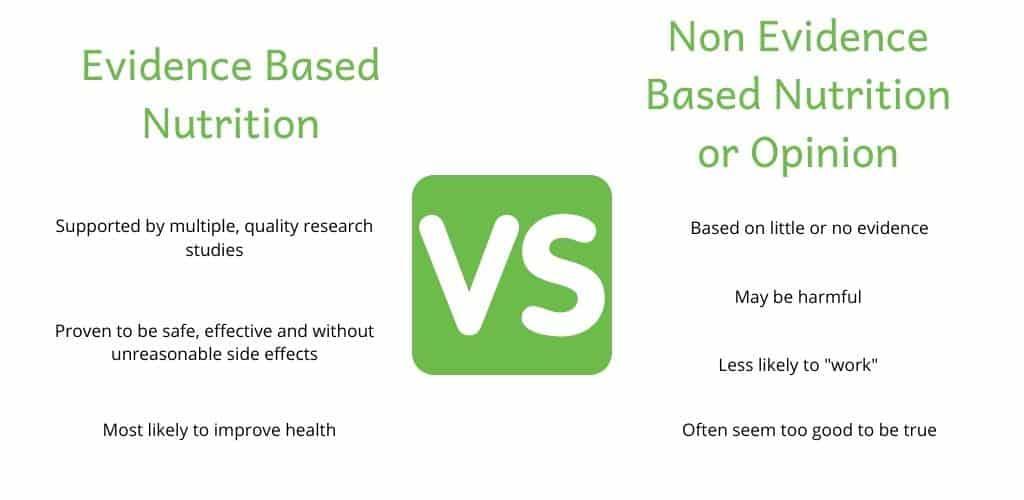
A1. Evidence‑based nutrition refers to dietary recommendations derived from the best available scientific research, clinical expertise, and consideration of individual needs and preferences. Unlike absolute “proof,” which implies incontrovertible certainty,evidence supports probabilistic conclusions that guide practice. For golfers-an intermittent, low‑to‑moderate intensity sport with occasional high‑power demands-evidence‑based guidance helps prioritize interventions that reliably improve endurance, strength, shot power, cognitive function, and recovery, while avoiding fads that lack consistent benefit.
Q2. What are the eight nutrition essentials new golfers should prioritize?
A2. The eight essentials are:
1) adequate energy availability and appropriate body composition,
2) Carbohydrate strategy for sustained performance,
3) Protein for strength, maintenance, and recovery,
4) Dietary fat quality and role in fueling and inflammation,
5) Hydration and electrolyte management,
6) Key micronutrients for bone, muscle and cognitive health,
7) Timing and periodization of intake (pre/during/post round and training), and
8) Safe, evidence‑based use of ergogenic aids and supplements plus anti‑doping vigilance.
Q3. How should golfers manage overall energy intake and body composition?
A3. Maintain energy availability sufficient to support training, on‑course performance, and physiological function. For most recreational and competitive golfers this means energy intake that supports body mass and supports performance goals (weight/fat loss only when planned and moderate, e.g., ≤0.5 kg/week). Avoid chronic low energy availability. Body composition targets are individualized: preserve lean mass to maximize strength and power while optimizing excess mass to improve endurance and mobility.
Q4. What carbohydrate intake strategy is supported by evidence for golfers?
A4. General training/day‑to‑day:
– 3-7 g carbohydrate·kg−1·day−1 depending on activity load (lower end for light training, higher for heavier conditioning).Pre‑round:
– A carbohydrate‑rich meal 2-4 hours before play (1-3 g·kg−1) or a smaller snack 30-60 minutes prior (20-60 g) to top up glycogen and stabilize blood glucose.
During prolonged rounds (walking 4-5+ hours):
– Consume 20-60 g carbohydrate every 45-60 minutes (snacks/drinks) to maintain steady fuel and cognitive focus.
Post‑round recovery:
– 1.0-1.2 g·kg−1 in the first 1-2 hours if rapid glycogen repletion is prioritized (e.g., multiple training sessions).
Q5. How much protein do golfers need to support strength and recovery?
A5. Daily protein:
– 1.2-1.7 g·kg−1·day−1 is appropriate for golfers engaged in resistance and power training; older adults or those in caloric deficit may benefit toward the higher end (1.6-2.0 g·kg−1).
Per meal:
– distribute protein evenly across meals, aiming for 0.25-0.4 g·kg−1 (≈20-40 g high‑quality protein) per meal to maximize muscle protein synthesis.
Post‑exercise:
– Ingest ~20-40 g of high‑quality protein (0.25-0.4 g·kg−1) within 30-120 minutes after training or a round to support repair and adaptation.
Q6. What is the role of dietary fat for golfers and are there specific recommendations?
A6. Fat provides a concentrated fuel source for low‑to‑moderate intensity activity and supports absorption of fat‑soluble vitamins and hormone production. recommended intake:
– 20-35% of total energy from fat with emphasis on unsaturated fats (monounsaturated and polyunsaturated) and inclusion of long‑chain omega‑3s (EPA/DHA) for their anti‑inflammatory and recovery support roles. Limit trans fats and excessive saturated fat. Typical omega‑3 target from food or supplements may range from 250-1,000 mg combined EPA+DHA daily depending on health status and inflammation.
Q7. What hydration and electrolyte strategies does the evidence support for golfers?
A7. Pre‑round:
– Begin euhydrated.A practical protocol: 5-7 mL·kg−1 of fluid 2-4 hours before play; if urine is dark or there’s heavy sweating, add 3-5 mL·kg−1 in the last 2 hours.
During play:
– Drink regularly rather than only when thirsty.Aim for ~200-350 mL every 15-30 minutes (individualize to sweat rate and climate).Replace fluids to minimize body mass loss >2% during activity.
Electrolytes:
– For rounds >90-120 minutes, heavy sweaters, or hot/humid conditions, include sodium in fluids (e.g., sports drinks, 300-700 mg Na per liter or according to product labeling) to help maintain plasma volume and reduce cramping risk.
Post‑round:
– Replace ~150% of fluid lost over the next 2-4 hours, and include sodium/carbohydrate for faster rehydration when needed.
Monitoring:
– Use pre/post body mass, urine color, and thirst as practical indicators.
Q8.Which micronutrients are particularly important for golfers and why?
A8. Priority micronutrients with evidence‑based importance:
– Vitamin D: Supports bone health, muscle function, and immune health. Aim for sufficiency (typically serum 25(OH)D 20-50 ng/mL); supplement based on status and sun exposure.
– Calcium: Bone health-1,000-1,300 mg/day depending on age/sex.
– Iron: Critical for oxygen transport-monitor ferritin and hemoglobin, particularly in menstruating women; treat deficiencies per medical guidance.
– Magnesium: Involved in muscle function and recovery; dietary targets ~310-420 mg/day.
– B12 and folate: Important for energy metabolism and neurologic function-monitor in older adults and those on restricted diets.
– Zinc: Immune and tissue repair-ensure adequate intake.
Assessment and individualized supplementation should be guided by biochemical testing and a qualified clinician.
Q9. Which supplements have the strongest evidence for golfers’ performance and recovery?
A9. Supplements with relatively robust evidence for sport performance that may be relevant for golfers:
– Caffeine: 3-6 mg·kg−1 pre‑round can improve alertness, shot execution and short‑term power. Lower doses (1-3 mg·kg−1) may benefit cognition with fewer side effects.
– creatine monohydrate: 3-5 g/day (after optional loading) improves maximal strength and power and may support repeated power outputs relevant to club head speed.
– Beetroot/nitrate: Acute doses (e.g., ~6-8 mmol nitrate from beetroot juice 2-3 hours pre‑exercise) can improve endurance and efficiency in some individuals; effects are variable for intermittent sports.
– Beta‑alanine: May increase muscle carnosine and buffer high‑intensity efforts after 2-4 weeks (3-6 g/day); utility for golf is modest.
– Protein powders: Practical for meeting post‑exercise protein targets.
Safety caveats:
– Use third‑party tested products; many supplements vary in purity and may contain prohibited substances. Consult sports dietitian/physician before use.
Q10.How should golfers structure meal timing around practice sessions and rounds?
A10.Pre‑activity:
– meal 2-4 hours prior with mixed macronutrients (carb 1-3 g·kg−1; moderate protein and low‑to‑moderate fat) to ensure comfort and energy. A small carbohydrate‑dominant snack 30-60 minutes pre‑round is reasonable if needed for glucose stability.
During:
– Small carbohydrate‑containing snacks every 45-60 minutes (20-60 g) and fluids with electrolytes for long rounds or hot conditions.
Post‑activity:
– Early intake of carbohydrate and protein within 30-120 minutes supports glycogen restoration and muscle repair (see earlier figures). If next session is >24 hours away, immediate aggressive carbohydrate repletion is less critical.
Q11. How should nutrition be periodized between practice, conditioning, and competition?
A11. Align intake with training goals:
– Higher carbohydrate availability before intense conditioning sessions.
– For skill practice or technical sessions, moderate carbohydrate to support cognitive focus.
– During phases targeting body composition, create modest energy deficits while prioritizing protein and resistance training to preserve lean mass.
– Taper carbohydrate and fluid strategies toward competition day to optimize body mass, gastric comfort and cognitive arousal; practice the competition nutrition plan in training sessions.
Q12. How can a new golfer assess whether their nutrition plan is working?
A12. Track objective and subjective measures over time:
– Performance metrics: club head speed, accuracy, endurance (walking ability), strength test results.
– Recovery and daily energy: morning energy, soreness, training consistency.
– Body mass and composition (measured periodically, not daily).
– Hydration markers: pre‑practice urine color, body mass change during sessions.- Lab: vitamin D, ferritin, hemoglobin, relevant metabolic markers as indicated.
Adjust nutrition iteratively based on these data and under professional guidance.
Q13.What safety and ethical considerations should golfers observe regarding supplements?
A13. Use only supplements that are third‑party tested (e.g., NSF Certified for Sport, Informed‑Sport). be aware of contamination and inadvertent doping. Discuss all supplements with a sports dietitian or physician, especially when competing under anti‑doping rules. Avoid megadoses of fat‑soluble vitamins and unregulated products.
Q14. How should advice be individualized for age, sex, travel, or medical conditions?
A14. Individualization is essential:
– Older golfers may require higher protein, attention to vitamin D/B12, and altered hydration strategies.
– Female golfers: monitor iron and energy availability; consider menstrual cycle and pregnancy/lactation needs.
– Travel/competition: plan for time‑zone changes, food availability, and food safety; maintain carbohydrate and hydration strategies during travel.
– Medical conditions (diabetes, renal disease, celiac disease, etc.): coordinate with medical specialists and a registered dietitian for safe, condition‑specific nutrition plans.
Q15. What is a practical, evidence‑based starter plan for a new golfer wanting to optimize nutrition for performance?
A15. A pragmatic starter plan:
– Daily: Consume adequate energy to support training; 1.2-1.7 g·kg−1 protein/day distributed across meals; fats 20-35% of energy emphasizing unsaturated sources; meet fruit/vegetable and whole‑grain targets for micronutrients and fiber.
– Pre‑round: Meal 2-4 hours before (carb 1-3 g·kg−1) or a small snack 30-60 min prior (20-40 g carbs).
– During round: 20-60 g carbohydrates per hour, regular sips of fluid (200-350 mL/15-30 min), include electrolyte drink in heat/heavy sweat.
– Post‑round: 20-40 g protein + 0.8-1.2 g·kg−1 carbohydrate when recovery is prioritized.
– Supplements: consider caffeine (3 mg·kg−1) for competition and creatine (3-5 g/day) for strength if appropriate; only use third‑party tested products.
– monitor response; consult a sports dietitian for tailored plans and lab testing.
Closing note: Implement recommendations progressively and test them in training before competition. Nutrition is one component of performance-optimize sleep, structured training, and mental skills alongside dietary strategies. If you would like, I can convert these Q&As into a concise infographic, checklist, or a one‑page practitioner summary for athletes and coaches.
The Way Forward
the eight evidence-based essentials presented here translate current nutrition science into practical strategies for new golfers: intentional macronutrient balance and strategic meal timing to sustain energy and power, individualized hydration protocols to preserve cognitive and physical performance, and attention to key micronutrients that support endurance, strength, and recovery. These recommendations synthesize randomized trials, observational data, and mechanistic research to prioritize interventions with consistent, reproducible benefits for on-course performance and post‑round restoration.
Practically, implementation should be incremental and athlete‑centred: prioritize habitual dietary patterns that meet energy demands, trial pre‑round and in‑round fueling strategies in practice rather than competition, monitor urine color and body mass changes for hydration assessment, and use food‑first approaches before supplementation. Where supplements are considered, select products with established efficacy and safety profiles and document responses objectively (performance metrics, subjective recovery, biomarkers when available).
It is important to recognize the epistemic limits of current evidence. Nutrition science often produces probabilistic conclusions rather than absolute proof; findings must be interpreted in context, weighted by study quality, and integrated with individual physiology, preferences, and comorbidities. Continued research will refine dosing, timing, and subgroup‑specific recommendations, so clinicians and coaches should stay abreast of emerging high‑quality trials.
for individualized optimization and risk mitigation, golfers-especially those with medical conditions, dietary restrictions, or high competitive demands-should consult a registered dietitian or sports nutrition professional. Adopting an evidence‑informed, monitored approach will best support sustained performance gains, injury prevention, and long‑term health.
Evidence-Based Nutrition: 8 Essentials for New Golfers
Improve your golf performance, endurance, and recovery with simple nutrition strategies backed by sports nutrition research. Below are eight evidence-based essentials tailored for golfers who want better energy on the course, more consistent swings, and faster recovery between rounds.
1. Prioritize Carbohydrate Timing for On-Course Energy
Golf rounds can last 4-5 hours and require steady attention, walking endurance, and intermittent bursts of power for drives and approach shots. Carbohydrate (CHO) intake is the most reliable way to maintain blood glucose and delay fatigue.
Key points
- Pre-round: eat a balanced meal 2-3 hours before tee time with 45-75 g of low-to-moderate GI carbs (e.g., oatmeal, whole-grain toast, banana, yogurt).
- Pre-shot/snack: a small carb-based snack 30-60 minutes before the round (20-40 g carbs) helps steady energy and focus.
- During the round: consume 30-60 g carbs per hour for steady energy during a 4+ hour round. Use easy options: sports drinks, gels, bananas, granola bars, or sandwiches.
2. Use Protein Smartly for Strength and Recovery
Protein supports muscle repair, helps maintain strength for longer swings, and supports recovery between rounds and practice sessions.
Practical guidance
- aim for ~1.2-1.7 g/kg/day of protein for active golfers (adjust by training volume).
- Include 20-30 g high-quality protein at meals and a 20-30 g protein snack or shake within 30-60 minutes after an intense practice session or round.
- Lean sources: chicken, fish, eggs, dairy, greek yogurt, whey or plant-based protein powders.
3. Hydration & Electrolytes: Plan, Don’t Guess
Even mild dehydration can reduce cognitive focus and physical performance – both critical for consistent golf. Hydration strategy should match course conditions and walking intensity.
Evidence-based hydration tips
- Pre-round: 5-7 mL/kg body weight 2-3 hours before play (e.g., 350-560 mL for a 70 kg golfer).
- During play: aim for ~0.4-0.8 L/hour, depending on heat and sweat rate. In hot conditions, lean to the higher end.
- Replace electrolytes, especially sodium, during long or hot rounds – sports drinks that contain sodium (300-700 mg/L) and potassium are practical.
- Monitor urine color as a simple hydration check (pale straw color is a good target).
4. Strategic Use of Caffeine and nitrate for Focus & Endurance
Two well-studied ergogenic aids that can transfer to golf are caffeine and dietary nitrate (e.g., beetroot). Used properly, they can help focus, reduce perceived effort, and-sometimes-improve endurance.
How to use them
- Caffeine: 2-4 mg/kg (about 100-300 mg for many adults) 30-60 minutes before play can boost alertness and decision-making.Test caffeine during practice rounds to assess tolerance and avoid late-day sleep disruption.
- Nitrate (beetroot juice): some research shows benefit for endurance and efficiency when taken ~2-3 hours pre-activity (typical doses provide ~6-8 mmol nitrate). Effects vary between individuals; trial during practice before using on tournament day.
5. Include Key Micronutrients for Energy & Bone Health
Micronutrient gaps can impair energy, mood, and recovery. Some nutrients are especially significant for golfers.
Focus nutrients
- Vitamin D & calcium: support bone health and muscle function – important if you walk and train frequently.
- Iron: low iron compromises energy and endurance; monitor especially in female golfers and address deficiency with a clinician.
- Magnesium: involved in muscle function and sleep quality – consider if restless muscles or poor recovery are issues.
- Omega-3 fatty acids: 1-2 g EPA/DHA/day may support recovery and acute inflammation management after heavy practice.
6. Optimize Meal Size and Composition for the Course
Large, fatty, or high-fiber meals immediately before play can cause digestive discomfort and sluggishness.Plan lighter, balanced meals that support sustained energy and fine motor control for your swing.
Guidelines
- Main meal 2-3 hours pre-round: moderate carbohydrate (45-75 g), moderate protein, lower fat and fiber. Example: grilled chicken,brown rice,steamed vegetables.
- If eating closer to tee time (30-60 minutes), choose smaller, easily digested carbs: rice cakes, sports drink, banana, or an energy bar.
- Avoid unfamiliar foods or high-fiber meals on tournament days to reduce gastrointestinal risk.
7.Supplements that Can Help (When Evidence Supports Them)
Supplements can be useful but should be chosen carefully. Prioritize food-first; use supplements when practical gaps exist or when supported by evidence.
Evidence-backed options for golfers
- Creatine monohydrate (3-5 g/day): well-researched for strength and power-may help driving distance and power in the gym.
- Caffeine: for acute focus and alertness when timed appropriately.
- Vitamin D: supplement only if deficient (test first).
- Electrolyte tablets or sports drinks for long, hot rounds.
Note: avoid unregulated products and test any supplement during practice. Consult a healthcare professional for personalized advice.
8. On-Course Practical Tips & Snack Ideas
Small,frequent snacks help maintain blood sugar,focus,and swing consistency across 18 holes. Build a portable plan you can follow every round.
Quick on-course checklist
- Pack a mix of carbs + protein snacks (e.g., sandwich + piece of fruit).
- Have a bottle of sports drink or electrolyte tablets available for hot days.
- Use small, frequent portions: aim to eat something every 45-60 minutes.
- Hydrate continuously – take a sip after each hole if possible.
| Top On-Course Snacks | Why it works |
|---|---|
| Banana + nut butter | Quick carbs + a bit of protein/fat to stabilize energy |
| Sports gel or chews | compact source of carbs for long rounds |
| Turkey sandwich (whole grain) | Balanced carbs + protein for lasting fuel |
| Greek yogurt + honey | Protein + carbs; good post-practice snack |
| Mixed nuts + dried fruit | Portable energy and electrolytes; moderate portion sizes |
Sample 18-Hole Nutrition Timeline
| Time | What to eat/drink | Why |
|---|---|---|
| 3 hours pre-round | Balanced meal (rice/pasta, lean protein, veg) | Top-up glycogen, steady energy |
| 30-60 min pre-round | Small carb snack & water (banana or bar) | Quick glucose and focus boost |
| Every 45-60 min | Small carb portion (sports drink, gel, fruit) | Sustain energy across 18 holes |
| Post-round (within 1 hour) | 20-30 g protein + carb (shake, sandwich) | Promote muscle repair & replenish glycogen |
Benefits & Practical Tips for New Golfers
- Better swing consistency: stable blood sugar and hydration support fine motor control and decision making.
- More endurance: planned carbohydrate intake delays fatigue during long walking rounds.
- Faster recovery: protein and targeted supplements help you bounce back between practice sessions.
- Stress reduction: small, frequent meals and hydration blunt energy dips that undermine confidence on the course.
First-Hand Experience: How to Test Your Plan
Every golfer is unique. Use practice rounds to trial timing, caffeine doses, and snack options:
- Run a test round: replicate intended tournament nutrition and note changes in energy, focus, and digestion.
- Record what works: keep a small nutrition log in your golf bag with what you ate/drank and how you felt on holes 1, 9, and 18.
- Adjust for conditions: increase fluids and electrolytes on hot days; reduce caffeine late in the day to protect sleep.
SEO & Keyword Notes for Golfers
This article integrates golf-focused keywords naturally to help golfers and coaches find practical tips: golf nutrition, golfers, golf performance, on-course energy, hydration, golf swing, endurance, recovery, driving distance, stamina, golf training.
Practical Quick Checklist
- Pre-round meal 2-3 hours out with carbs + protein.
- Small carb snack 30-60 minutes before tee.
- Sip fluids frequently; plan for electrolytes in hot conditions.
- Carry portable carb + protein snacks for the course.
- Consider caffeine or beetroot only after practicing them in non-critical rounds.
- Prioritize protein post-round for repair.
- Test supplements like creatine only as part of a longer training plan.
if you want a personalized golf-day nutrition plan (calorie targets, snack timing, or supplement recommendations) share your typical round duration, body weight, and any dietary restrictions – and I’ll draft a tailored plan you can test on the course.