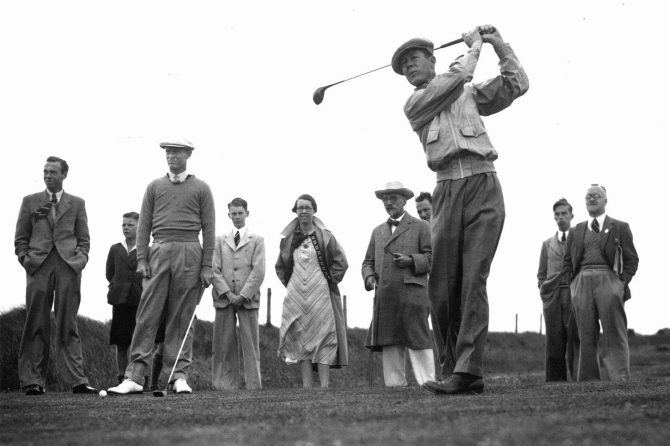
Golf places unique physiologic and cognitive demands on participants: rounds commonly extend over multiple hours, require repeated high-force, high-precision movements, and depend on sustained concentration under variable environmental conditions. Consequently, nutritional status exerts a measurable influence on on-course performance, recovery between sessions, and long-term adaptation to training. This article adopts an evidence-based framework to translate findings from sports nutrition and exercise physiology into practical guidance for novice golfers, emphasizing interventions that support endurance, muscular strength and power, neuromuscular control, and post-exertional recovery.
The following eight tips synthesize current empirical knowledge into actionable recommendations, organized around macronutrient composition and meal timing, hydration strategies and electrolyte management, and essential micronutrients relevant to performance and recovery. each proposal is presented with its mechanistic rationale and practical implementation considerations, with attention to inter-individual variability and the need for alignment with broader health goals. The intended audience is new golfers and coaches seeking concise, scientifically grounded nutrition practices that are feasible to adopt and likely to yield measurable benefits on the course and in training.
Evidence-Based Macronutrient Strategies to Support Endurance and Power
Sports nutrition for golf prioritizes the three macronutrients differently depending on on-course demands: **carbohydrate** is the primary fuel for sustained walking,cognitive focus,and repeated high-intensity swings; **protein** supports neuromuscular power,repair,and adaptation from strength training; **fat** supplies low-intensity energy and modulates inflammation. Evidence-based target ranges for recreational and developing golfers are typically **carbohydrate 3-7 g·kg⁻¹·day⁻¹**,**protein 1.2-1.7 g·kg⁻¹·day⁻¹**, and **fat ~20-35% of total energy**, with adjustment according to training volume, competitive schedule and body-composition goals.
Appropriate timing magnifies macronutrient efficacy: consuming **1-4 g·kg⁻¹ of carbohydrate** 1-4 hours before play preserves glycogen and cognitive function, while 30-60 g·hr⁻¹ of easily digested carbohydrate during prolonged rounds sustains blood glucose and reduces fatigue.For recovery and power restoration, aim for **0.3-0.4 g·kg⁻¹ of protein** (≈20-40 g high-quality protein) within 1-2 hours post-round or post-resistance session and include **0.5-0.7 g·kg⁻¹ of carbohydrate** in the early recovery window to accelerate muscle glycogen resynthesis.
Practical food selection should reflect those objectives. Recommended choices include:
- Pre-round: whole-grain toast with nut butter and banana (carbohydrate + moderate protein)
- On-course fuel: sports drink,energy bar,chews,or sandwich with fruit (rapidly absorbable carbs)
- Post-round: low-fat chocolate milk,Greek yogurt with fruit,or lean meat and rice (carb + 20-40 g protein)
- Daily protein sources: eggs,dairy,poultry,soy,legumes and mixed plant proteins to reach per-meal leucine thresholds
Meal distribution and resistance training interplay are critical for developing power. Distribute protein evenly across 3-4 meals (each providing ~0.25-0.4 g·kg⁻¹) to maximize muscle protein synthesis,and include a protein-containing snack before bedtime to support overnight repair. Periodize carbohydrate intake so higher-carbohydrate days coincide with heavier training or tournament play and lower intakes occur on light recovery days to support body-composition aims without compromising performance.
Simple monitoring and adjustments keep the plan evidence-aligned. Use body-mass based prescriptions and subjective performance/fatigue metrics to refine intake. The table below summarizes concise macronutrient targets for practical use:
| Macronutrient | Practical range | Primary Purpose |
|---|---|---|
| Carbohydrate | 3-7 g·kg⁻¹·day⁻¹ | Endurance, cognitive focus, glycogen repletion |
| Protein | 1.2-1.7 g·kg⁻¹·day⁻¹ | Strength, recovery, power development |
| Fat | ~20-35% of energy | Energy at low intensity, inflammation modulation |
Adjust these targets to individual response, training load, and competitive demands to optimize endurance and power on the course.

Preround Meal Composition and timing to Optimize Energy availability
Pre-round nutrition should prioritize steady systemic energy availability while minimizing gastrointestinal distress across a typical 4+ hour round. The primary aims are to: maintain euglycemia, conserve glycogen in high-intensity swings, and support sustained cognitive focus for shot planning. Meal composition and timing thus target a high-quality carbohydrate supply with moderate protein, limited fat and fiber instantly prior to play, and individualized fluid-electrolyte strategies to prevent early-onset fatigue.
From a macronutrient perspective,evidence-based practice favors **carbohydrate-focused meals** delivered in amounts commensurate with body mass and timing before activity (commonly in the range of ~1-3 g·kg⁻¹ for meals consumed 2-4 h pre-exercise).**Protein** (~0.2-0.4 g·kg⁻¹) at the meal supports satiety and preserves lean mass without impairing gastric emptying, whereas **fat and soluble fiber** should be minimized in the immediate pre-round window to reduce gastrointestinal transit time and subjective heaviness.Emphasize low-to-moderate glycemic index carbohydrate sources for larger meals and more rapidly available simple carbohydrates for late pre-round snacks when swift glucose availability is required.
Timing should be considered as a continuum: a larger, mixed meal 2-3 hours before tee time optimizes gastric emptying and glycogen availability; a smaller carbohydrate-rich snack 30-60 minutes prior provides accessible glucose without bulk; and very small carbohydrate-only options (e.g., 20-30 g) within 15 minutes can top up blood glucose in golfers who tolerate late intake. **Caffeine**, when used, is typically effective at low-to-moderate doses (approximately 2-4 mg·kg⁻¹) and should be trialed in practice, consumed ~30-60 minutes before play to enhance alertness and perceived effort. Hydration protocols should align with pre-round body mass assessment and include salted fluids when sweating is anticipated to preserve plasma volume and electrolyte balance.
| Pre-start window | Example (portion) | Primary focus |
|---|---|---|
| 2-3 hours | Oat porridge with banana + 1 egg (≈400-600 kcal) | Mixed carbs + protein; low fat/fiber |
| 30-60 minutes | Yogurt or whole-grain toast with honey (≈150-250 kcal) | Rapidly available carbs with light protein |
| 15 minutes | Sports drink or small energy chew (≈20-40 g carbs) | Immediate glucose top-up |
Practical strategies to implement include:
- Individualize quantities by body mass and prior tolerance-use practice rounds to refine timing and portion size.
- Prefer familiar foods and avoid experimental meals on competition days to reduce risk of GI upset.
- Monitor response via subjective energy, concentration, and any GI symptoms; adjust macronutrient ratios accordingly.
- Combine nutrition with a warm-up so intake supports both metabolic and neuromuscular readiness rather than being an isolated action.
In Play Nutrition protocols for Sustained Cognitive and Physical Performance
Maintaining cognitive clarity and physical steadiness across a multi‑hour round requires a planned,evidence‑based approach to in‑play fueling that targets three physiological domains: substrate availability (primarily carbohydrate),fluid and electrolyte balance,and neuromodulation for attention and arousal. Effective protocols prioritize small, regular intakes rather than ad‑libitum large boluses; empirically this reduces glycemic volatility, sustains central nervous system function, and supports repeated low‑to‑moderate intensity efforts (walking, swings, short bursts of power). In practice, this means combining carbohydrate sources with moderate sodium and occasional stimulant dosing, individualized by body mass, environmental stress, and duration of play.
Carbohydrate strategy: Aim for 30-60 g·h−1 for rounds exceeding ~2-3 hours; for lower‑intensity or intermittent play a target of 20-40 g·h−1 is often sufficient. Rapidly absorbable forms (glucose/maltodextrin) support immediate performance, while mixed CHO sources (glucose + fructose) increase total carbohydrate absorption when higher intakes are needed. Practical options to meet hourly targets include:
- Sports drink: 200-400 mL between holes (10-20 g CHO per 200 mL).
- Energy gel or chew: 20-25 g CHO per serving, easy to dose.
- Whole food: banana or half a sandwich for slower, sustained release (10-25 g CHO).
Hydration and electrolyte protocols: Pre‑round euhydration and during‑play replacement should be individualized using sweat‑rate estimation or simple field checks (pre/post body mass, urine color). Aim to limit body mass loss to <2% across play for preserved cognitive and physical performance. When electrolyte losses are likely (warm conditions, heavy sweaters), include sodium in fluid replacement; practical sports‑drink concentrations in field settings typically deliver ~300-700 mg sodium·L−1 to support plasma volume and voluntary fluid intake. Quick in‑play monitoring strategies include:
- Measure pre/post body mass to estimate sweat rate.
- Use urine color and frequency as adjunct checks.
- Prefer flavored electrolyte solutions if plain water reduces intake.
Neuromodulation and protein considerations: Low doses of caffeine (approximately 1-3 mg·kg−1 per bolus) can improve vigilance, decision‑making, and short‑term motor output when timed before or during rounds; split dosing (e.g., a small dose before tee‑off and another mid‑round) can sustain alertness while minimizing jitter and sleep disruption. Protein is not the primary in‑play substrate for an aerobic, skill‑based sport, yet small doses (10-20 g of high‑quality protein) consumed mid‑round or immediately after a prolonged session help attenuate muscle protein breakdown and facilitate recovery between back‑to‑back practice or competitive days.
Micronutrient and practical snack table: Maintain routine intake of vitamin D, iron (if deficient), magnesium and B‑vitamins to support energy metabolism and neuromuscular function; avoid high‑dose antioxidant supplementation immediately before training/competition as it can attenuate training adaptations. Below is a concise, field‑practical snack matrix for in‑play use that balances carbohydrate, modest protein and sodium to sustain performance.
| Snack | Carbs (g) | Protein (g) | Sodium (mg) |
|---|---|---|---|
| 200 mL sports drink | 15 | 0 | 120 |
| energy gel | 22 | 0 | 15 |
| half turkey sandwich | 20 | 10 | 400 |
| Small nut & dried fruit pack | 18 | 6 | 5 |
Hydration Strategies and Electrolyte Management for Thermoregulation and Precision
Maintaining euhydration is a primary strategy for preserving thermoregulatory function and fine motor control across an 18‑hole round. Thirst is an unreliable cue-particularly for older golfers-so scheduled fluid intake outperforms ad‑hoc drinking.Even modest fluid deficits alter sweat rate, reduce skin blood flow and increase cardiovascular strain, forcing the body to prioritize core temperature regulation over the micro‑adjustments required for consistent swing mechanics. Establishing a baseline hydration routine before each round reduces thermal stress and supports precision under variable environmental conditions.
Empirical work shows that small losses in body mass (≈1-2%) can degrade cognitive performance,reaction time and movement accuracy; for golfers this often manifests as reduced shot consistency and longer decision times. Effective electrolyte management, especially replacement of sodium and potassium lost in sweat, aids plasma volume maintenance and neuromuscular function. Athletes who ignore sodium replacement in prolonged or hot play risk cramps, impaired balance and decreased putting steadiness-factors that directly effect scorecard outcomes.
Translate evidence into practice with simple, repeatable targets and suitable fluid choices. Aim for pre‑round rehydration of approximately 5-7 mL·kg−1 of body mass ~4 hours before teeing off (top up with ~3-5 mL·kg−1 if urine is concentrated). During play, adopt a sipping strategy of roughly 150-250 mL every 15-20 minutes, increasing volume in hot conditions.Prioritize beverages that combine fluid and electrolytes for rounds longer than 90 minutes or in high heat; note that coconut water provides potassium and is hydrating but typically contains less sodium than formulated sports drinks, so it may need to be combined with salty snacks or an oral electrolyte product to match sweat sodium losses. Useful on‑course sources include:
- Sports drinks (balanced sodium + carbohydrates)
- Oral rehydration solutions for heavy sweating or prolonged play
- Coconut water as a potassium source-supplement with sodium if sweating heavily
- Lightly salted snacks (nuts, pretzels) to support sodium intake
| Situation | Practical target |
|---|---|
| Pre‑round | 5-7 mL·kg−1 (4 h); top‑up 3-5 mL·kg−1 if concentrated urine |
| During play | 150-250 mL every 15-20 min; sports drink if >90 min/heat |
| Post‑round | Replace losses: ~1.5 L per kg body mass lost |
Individualization and monitoring are essential: weigh before and after play to quantify sweat losses, and use that data to adjust both fluid volume and sodium replacement. For most recreational golfers the practical rule is to restore ~150% of fluid lost over the next 2-4 hours (to account for incomplete retention) and to include sodium with recovery beverages or meals when body mass loss was significant. advise players with hypertension,kidney disease or those on diuretics to consult healthcare professionals prior to modifying sodium or fluid intake-precision on the course requires safe,personalized hydration strategies off it.
Postround Recovery Nutrition to Promote Muscle Repair and glycogen Replenishment
Rapid restoration of muscle glycogen and provision of amino acids for structural repair are central objectives after a round. Evidence indicates a prioritized early feeding window-particularly the first 0-2 hours post-exercise-when skeletal muscle is most receptive to glycogen resynthesis and protein synthesis. Targeted interventions in this period reduce cumulative fatigue and accelerate neuromuscular recovery, thereby preserving shot mechanics and power generation for subsequent practice or competition.
Practical macronutrient prescriptions should be specific and evidence-aligned: aim for approximately 1.0-1.2 g carbohydrate·kg−1·h−1 during the initial 4 hours for optimal glycogen replacement, paired with 0.25-0.40 g protein·kg−1 per meal (or ~20-40 g high‑quality protein) to stimulate muscle protein synthesis. Examples of efficient postround pairings include:
- Low‑fat chocolate milk (carbohydrate + whey protein) + banana
- Turkey sandwich on whole‑grain bread + yogurt
- Sports drink delivering carbs (for short turnarounds) + a whey protein shake
- greek yogurt with honey and mixed berries (antioxidants + fast proteins & carbs)
Rehydration is integral to metabolic recovery and thermoregulation. Measure body mass pre‑ and post‑round to estimate fluid loss and replace approximately 1.2-1.5 L of fluid per kg of body mass lost within the hours after exercise; include sodium in beverages or foods (≈20-50 mmol·L−1) to enhance retention and restore plasma volume.Monitor urine color, bodyweight trends, and subjective thirst as practical field markers of rehydration status.
| Recovery Scenario | Carbohydrate Target | Protein Target |
|---|---|---|
| Same‑day return (<8 h) | 1.0-1.2 g·kg−1·h−1 for first 4 h | 0.25-0.4 g·kg−1 per feeding |
| Overnight recovery | 3-5 g·kg−1 cumulatively (meals) | 20-40 g high‑quality before sleep |
Strategic allocation of carbohydrates and protein depends on the time available before the next bout of activity: compress carbohydrate delivery when turnaround is short and distribute multiple protein feedings when possible to maximize net protein balance.
Adjunct strategies to augment recovery include creatine monohydrate (evidence‑based for repeated power output and muscle repair when taken as a daily supplement),omega‑3 fatty acids for their modulatory effects on inflammation,and tart cherry or polyphenol‑rich foods to attenuate exercise‑induced oxidative stress. Prioritize whole‑food sources first; use supplements to fill gaps or when rapid carbohydrate/protein delivery is required. Track recovery using simple metrics-horizontal distance walked, perceived muscle soreness, and HRV trends-to individualize future postround prescriptions. Bold, consistent request of these principles will improve muscular repair and glycogen replenishment, translating to more reliable performance on the course.
Micronutrients and Supplements relevant to Strength Neuromuscular Function and Recovery
Optimal neuromuscular performance and accelerated recovery depend not only on macronutrient intake and training stimulus but also on a targeted set of micronutrients and evidence-backed supplements that modulate muscle contractility, excitation-contraction coupling, and cellular repair. Robust clinical and mechanistic literature supports the roles of creatine monohydrate for short-term power and strength gains, vitamin D for muscle fibre function and neuromuscular coordination, and magnesium for ATP handling and neuromuscular excitability. For new golfers aiming to translate practice into consistent, powerful swings across a full round, addressing these micronutrients can meaningfully reduce fatigue and enhance recovery between sessions.
Key targets for supplementation and dietary emphasis include the following nutrients and bioactives:
- Creatine monohydrate – increases phosphocreatine stores to support repeated high-intensity efforts and improve power output.
- Vitamin D – modulates muscle fibre size and neuromuscular function; deficiency correlates with weakness and slower recovery.
- Magnesium – cofactor in energy metabolism and neuromuscular conduction; useful when dietary intake is marginal.
- Omega‑3 (EPA/DHA) – anti‑inflammatory effects that can accelerate post-exercise recovery and reduce muscle soreness.
- B‑vitamins and iron – support mitochondrial energy production and oxygen transport, respectively; critical for endurance across 18 holes.
| Supplement | Primary role | typical research dose |
|---|---|---|
| Creatine monohydrate | Increase strength, power, and recovery from repeated swings | 3-5 g/day |
| Vitamin D | Muscle function and neuromuscular coordination | 800-2,000 IU/day* (test-guided) |
| Magnesium | ATP utilisation and nerve conduction | 200-400 mg/day |
| Omega‑3 (EPA/DHA) | Anti‑inflammatory support and recovery | 1-2 g EPA+DHA/day |
*Dosing should be individualized after serum 25(OH)D assessment.
When integrating supplements into a golfer’s regimen,adopt a test-and-target approach: measure serum vitamin D and iron indices before supplementation,prioritise dietary adequacy first,and use isolated supplements to correct identified gaps or to support specific training goals. Creatine is one of the most-studied ergogenic aids for low‑volume,high‑power tasks and can be administered without an initial loading phase for new users. For endurance across a round, ensure iron status and B‑vitamin sufficiency to maintain oxidative capacity. Avoid indiscriminate high-dose antioxidant use immediately around training sessions, as some trials indicate it may blunt training adaptations.
Safety,quality,and monitoring are essential. Recommend third‑party tested supplements (e.g., NSF, Informed‑Sport), review potential drug-nutrient interactions, and consider renal function when using concentrated mineral supplements. For clinicians and coaches, document baseline biochemical markers, reassess after 8-12 weeks of targeted intervention, and adjust based on response.Emphasise that micronutrient optimisation complements-not replaces-structured strength training,sleep,and a nutrient-dense diet in improving neuromuscular function and recovery for golfers.
Individualizing Nutritional Plans Based on Body Composition Training Load and Course demands
Assessment should begin with accurate measurement of body composition and an objective quantification of training load. Dual-energy X-ray absorptiometry (DXA) is the research standard for regional lean mass and fat mass, but field-friendly proxies-bioelectrical impedance with validated devices or skinfold-derived equations-are acceptable for ongoing monitoring. Combine composition data with sessional load metrics (hours of practice, rounds played, distance walked, and accelerometry-derived intensity) to create a baseline energy requirement. For intervention planning, prioritize achieving and maintaining adequate energy availability (≥45 kcal/kg fat-free mass/day for most athletes) to support endocrine function, recovery, and injury resistance.
Macrodistribution should be individualized around three principal drivers: maintenance or gain of functional lean mass,immediate fuel needs for on-course intensity,and recovery demands between sessions. A practical academic framework is to scale **protein** to 1.6-2.2 g/kg body mass for strength and hypertrophy objectives, with higher values toward the upper range when energy availability is marginal. **Carbohydrate** should be periodized: lower (<3 g/kg/day) on low-load recovery days and higher (6-8 g/kg/day) surrounding tournaments or prolonged practice that involves extensive walking and high-repetition swing practice. Fat intake fills remaining energy needs and supports hormone synthesis; aim for 20-35% of total energy, focusing on unsaturated sources.
Implement tactical, evidence-based adjustments using the following practical strategies to align nutrition with course demands and training phases:
- Pre-round fueling: prioritize 1-2 g/kg carbohydrate 2-4 hours before play for prolonged energy and 20-30 g protein to reduce muscle protein breakdown.
- during-round maintenance: small, easily digested carbohydrate sources (20-40 g per hour for high-intensity or long rounds) and consistent fluid + electrolyte replacement to protect cognition and precision tasks.
- Post-round recovery: 20-40 g high-quality protein within 2 hours and 1-1.2 g/kg carbohydrate when rapid glycogen resynthesis is required between same-day sessions.
Micronutrient optimization must be targeted to the golfer’s phenotype and environmental context.Monitor and correct **vitamin D** (critically important for muscle function and injury prevention) and **iron** stores (especially in female golfers and those with low energy intake) via serum 25(OH)D and ferritin testing, respectively. sodium replacement strategies should be individualized based on sweat rate and climate; implement sweat testing when possible. Consider a brief clinical table of targets to standardize practitioner recommendations:
| Training Phase / Load | Carbohydrate (g·kg⁻¹·day⁻¹) | Protein (g·kg⁻¹·day⁻¹) | Energy Aim (kcal·kg⁻¹·day⁻¹) |
|---|---|---|---|
| Low-load recovery | 2-3 | 1.6-1.8 | 28-32 |
| Moderate practice | 3-5 | 1.8-2.0 | 32-38 |
| Tournament / high-load | 5-8 | 1.8-2.2 | 36-45+ |
embed a continuous feedback loop: monitor performance markers (shot dispersion, clubhead speed), subjective recovery, body-composition trends, resting heart rate variability, and training capacity. Use small, data-driven adjustments-±0.1-0.2 g/kg protein or ±0.5-1 g/kg carbohydrate-rather than large swings. This iterative, evidence-based approach balances the physiological imperatives of endurance walking, rotational power, and neuromuscular precision required in golf, producing individualized nutrition plans that are both practical and scientifically defensible.
Practical Implementation Examples for Meals Snacks Monitoring and Periodization
Practical meal timing centers on aligning macronutrient density with on-course demands. For a typical 18‑hole day, emphasize a carbohydrate‑dominant meal 60-90 minutes pre‑round to top up glycogen, conservative fat and fiber to minimize gastrointestinal distress, and a mixed macronutrient recovery meal within 30-60 minutes post‑round to stimulate muscle protein synthesis and glycogen restoration. Below is a concise example meal matrix illustrating actionable portioning and macronutrient focus for each game phase, useful for clinicians and coaches when prescribing individualized plans.
| Phase | Example | Target (g) |
|---|---|---|
| Pre‑round | Oatmeal + banana + 20 g whey | Carb 50-70 · Protein 15-25 |
| During | Rice cake + nut butter or energy bar | Carb 20-40 · Protein 5-12 |
| Post‑round | Quinoa bowl + grilled chicken + veg | Carb 40-60 · Protein 25-35 |
Snack selection should be practical and evidence‑driven to sustain performance without inducing lethargy. Recommended options include:
- Quick carbohydrate sources: ripe banana, dates, low‑fiber sports gels – rapid glucose availability for short bursts of walking and shot planning;
- Combined protein-carbohydrate snacks: yogurt with berries, turkey rollups – support moderate glycemia and early recovery signals;
- Electrolyte solutions: low‑sugar sports drinks or electrolyte tablets – for >2‑hour exposure or hot conditions to maintain plasma volume.
Each snack choice should be trialed in training to ensure tolerance and to refine portioning relative to individual sweat rates and gastric sensitivity.
Monitoring is essential to translate planned interventions into outcomes. Track the following core metrics: body mass (daily) for acute hydration shifts, urine color as a field hydration proxy, session RPE and distance walked for external/internal load, and sleep duration for recovery capacity. Implement a simple weekly log (digital or paper) that pairs subjective measures (fatigue, focus) with objective notes (pre‑ and post‑round body mass, fluid intake). Establish actionable thresholds (e.g., >1.5% body mass loss → targeted rehydration protocol) to trigger immediate adjustments.
Periodization of nutrition across the season optimizes substrate availability for endurance, strength, and recovery. Use three practical micro‑phases: base (moderate carbohydrate, elevated protein at ~1.6-2.0 g·kg‑1·day‑1 to support hypertrophy and strength gains), competition (strategic carbohydrate loading 24-48 hours pre‑event with acute pre‑start carbohydrate 1-2 g·kg‑1 up to 60-90 minutes prior), and recovery/taper (reduce total energy modestly while maintaining protein and emphasizing anti‑inflammatory micronutrients such as omega‑3s and vitamin D). Adjustments should be proportional to training volume: higher volume → higher carbohydrate density; higher intensity strength blocks → slightly increased protein and temporal distribution around sessions.
To operationalize these concepts, adopt a weekly template that integrates meals, on‑course snacks, monitoring checkpoints, and periodized targets. Example microcycle:
| Day | Focus | Nutrition Cue |
|---|---|---|
| Mon | Strength | Protein focal: 0.4 g·kg‑1/meal; moderate carbs |
| Wed | On‑course practice | Carb timing: pre‑round 60-90 min, intra‑round small carbs |
| Sat | Competition/Peak | Carb loading: ↑CHO 24-48 h prior; electrolyte plan |
Use this template as a starting point, individualize by player mass, sweat rate, and schedule, and reassess weekly using the monitoring metrics to refine energy and macronutrient distribution.
Q&A
Q: What is the scope and rationale of an “evidence‑based” nutrition approach for new golfers?
A: Evidence‑based nutrition for golfers integrates findings from exercise physiology, sports nutrition, and clinical nutrition to optimize endurance, strength, cognitive function, and recovery for the specific demands of golf.Golf involves prolonged low‑intensity activity (walking, standing) punctuated by short, high‑power efforts (the swing), often over 4-5 hours. Nutrition strategies thus aim to maintain energy availability and hydration, support muscle strength and neuromuscular control, preserve concentration and decision‑making, and accelerate recovery between sessions.
Q: What macronutrient balance should a new golfer target on a typical training or competition day?
A: Aim for a mixed diet that supports both endurance and strength. General ranges (to be individualized):
– Carbohydrate: 3-6 g/kg/day for recreational golfers with moderate training; increase to 6-8+ g/kg on days with prolonged or intense training.During long rounds or practice sessions, plan supplemental carbohydrate (see timing).
– Protein: 1.2-1.8 g/kg/day to support muscle repair, neuromuscular adaptations and recovery; higher (1.6-2.0 g/kg) if emphasizing strength training.
– Fat: Remainder of calories from healthy fats (20-35% of energy), emphasizing unsaturated sources.
These ranges reflect sports‑nutrition consensus for mixed endurance/strength activities and should be tailored for body composition goals and total energy needs.
Q: How should carbohydrate be timed for pre‑round, during‑round and post‑round needs?
A: timing recommendations:
– Pre‑round: a meal 2-4 hours before tee‑off with 1-3 g/kg carbohydrate plus protein (20-30 g) and modest fat; if appetite is limited, a smaller 0.5-1.0 g/kg carbohydrate snack 30-60 minutes pre‑round.
– During a 4‑5 hour round: 30-60 g carbohydrate per hour (e.g., sports drink, bananas, gels, bars) to maintain blood glucose and mental focus. For extended or very intense sessions,60-90 g/hr using multiple transportable carbohydrates may be beneficial.
– post‑round recovery: when glycogen repletion is a priority (multiple sessions/day), aim for ~1.0-1.2 g/kg carbohydrate in the first 1-4 hours. If not glycogen‑depleting, focus primarily on protein and mixed meals for recovery.
Q: What are practical, evidence‑based hydration protocols for golfers?
A: Follow individualized strategies based on sweat loss, climate, and clothing. General guidance:
– Pre‑exercise: drink ~5-7 mL/kg body weight 4 hours before activity; if urine is dark or volumes low, add 3-5 mL/kg 2 hours prior.
– During exercise: replace fluids to limit body mass losses to <2% (measure pre/post body mass to estimate sweat rate). Typical rates are ~0.4-1.0 L/hour depending on conditions. Use electrolyte‑containing drinks for rounds >60-90 minutes or in hot conditions.
– Post‑exercise: rehydrate with ~1.25-1.5 L of fluid per kg of body mass lost; include sodium to promote retention (20-50 mmol/L or ~500-1,200 mg/L in many sports drinks).Monitor thirst, urine color, and pre/post body weight; adjust for individual tolerance and medical conditions.Q: Which micronutrients are most relevant for golf performance and why?
A: Key micronutrients to monitor:
– Iron: critical for oxygen delivery and cognitive function; screen in athletes with fatigue or in at‑risk groups (female, vegetarian, history of low intake).
– Vitamin D: critically important for muscle function and bone health; insufficiency is common and can affect strength and recovery.
– Calcium: for bone health, especially if walking and load bearing are regular.
– Magnesium: role in muscle function and recovery; deficiencies can impair performance and sleep.
– B12 and folate: for red‑cell health and energy metabolism; check in older golfers and those on restrictive diets.
– Antioxidant vitamins (C, E) and polyphenols: may reduce exercise‑induced oxidative stress, but high‑dose supplementation can blunt training adaptations; prefer food sources (fruits, vegetables, tea).
Routine screening and targeted supplementation where deficiency is identified is more effective and safer than indiscriminate high‑dose supplementation.
Q: What role do specific supplements play for golfers (caffeine, creatine, beetroot/nitrate, omega‑3)?
A: evidence‑based uses:
– Caffeine: 3-6 mg/kg ~30-60 minutes pre‑exercise can improve alertness, reaction time and short‑term power; beneficial for focus during rounds. Monitor tolerance and timing to avoid sleep disruption.
– Creatine monohydrate: 3-5 g/day supports gains in strength and power when combined with resistance training; safe for most adults and may assist in explosiveness of the golf swing.
– Beetroot/nitrate: may improve submaximal endurance and recovery in some athletes; benefits for intermittent/skill sports are less consistent.
– Omega‑3 (EPA/DHA): possible anti‑inflammatory and recovery benefits; evidence for performance enhancement is modest but supplementation is reasonable for those with low fish intake.
Always consider anti‑doping regulations,quality control (third‑party testing),and individual contraindications. Prefer evidence‑backed, well‑manufactured products.
Q: How much protein should a golfer consume around training sessions to optimize strength and recovery?
A: Consume 20-40 g high‑quality protein (containing ~2-3 g leucine) within 1-2 hours after resistance or high‑intensity training to maximize muscle protein synthesis. Distribute protein evenly across 3-4 meals per day to reach daily targets (1.2-1.8 g/kg). For older adults, target the upper end of the per‑meal and daily range due to anabolic resistance.
Q: How should new golfers structure meals and snacks during a typical 4-5 hour round to sustain energy and cognition?
A: practical plan:
– 2-4 hours pre‑round: balanced meal (e.g., wholegrain toast or rice, lean protein, fruit, low‑fat dairy or plant choice).
– 30-60 minutes pre‑round (if needed): small carbohydrate snack (banana, granola bar, energy shake).
– During round: 30-60 g carbohydrate/hr (sports drink, banana, sandwich, energy bar); sip fluids regularly; include sodium if sweating heavily.
– Post‑round: protein‑rich snack or meal (20-40 g protein) with carbohydrates and fluids to support recovery.
Snack examples: peanut butter and jelly sandwich, yogurt + fruit, mixed‑nut trail mix plus piece of fruit, sports bars/gels for quick carbs.
Q: How can golfers estimate sweat rate and electrolyte needs practically?
A: Method:
1) Weigh nude (or in minimal clothing) before and after a typical practice or round (account for fluid intake and urine).
2) Sweat rate (L/hr) = (pre‑exercise mass − post‑exercise mass + fluid consumed − urine produced) / duration (hrs).
3) If sweat sodium losses are high (assessed via lab or symptom history: heavy salt residue on clothing, high cramping incidence), include sodium in drinks/food (e.g., sports drinks, salted snacks) and aim for replacement strategies.
Adjust fluid and electrolyte intake to limit body mass losses to <2% and to avoid excessive hyponatremia risk from overdrinking plain water.
Q: Are there potential downsides to antioxidant supplementation or restrictive diets for golfers?
A: Yes. high‑dose antioxidant supplements (large vitamin C/E doses) can blunt endogenous adaptations to training. Very low‑energy or restrictive diets can reduce power, concentration, and increase injury risk. Nutrient inadequacies from restrictive diets (e.g., low iron, B12 in vegetarian/vegan diets) can impair endurance and cognitive function. Focus on food‑first strategies, periodic monitoring, and targeted supplementation only when clinically indicated.
Q: How should nutrition be individualized for age, sex, body composition goals, and medical conditions?
A: Individualize by assessing energy needs, training load, body composition targets, dietary preferences, and medical history. Older golfers may need higher protein per meal (to combat anabolic resistance), vitamin D and B12 monitoring. Female golfers should monitor menstrual status and iron stores. For weight‑loss goals, maintain protein intake and resistance training to preserve lean mass. Work with a registered dietitian or sports nutritionist for detailed planning and management of chronic conditions or medications.Q: How should a new golfer evaluate the quality and language of nutrition facts (such as, use of terms like "evidence‑based")?
A: Evaluate claims by checking primary sources (peer‑reviewed studies, consensus guidelines) and examining study quality and relevance. The term "evidence‑based" should imply reliance on such sources rather than anecdote. Note on terminology: "evidence" is primarily a noun; say a study "demonstrates" or "shows" effects rather than "evidences" them-this preserves clarity in academic writing.
Q: What are the immediate, practical takeaways for a new golfer wanting to apply these eight evidence‑based tips?
A: Concise checklist:
1) prioritize a mixed macronutrient diet with individualized carbohydrate and protein targets (see ranges above).
2) Time a carbohydrate‑containing pre‑round meal 2-4 hours before play and use small carbohydrate snacks during long rounds (30-60 g/hr).
3) Aim for daily protein 1.2-1.8 g/kg and 20-40 g protein after training or long practice.
4) Hydrate proactively: pre‑hydrate, sip regularly during play, replace post‑round; tailor to sweat rate.
5) Monitor and maintain key micronutrients (iron, vitamin D, calcium, magnesium, B12).
6) Use supplements selectively: caffeine (3-6 mg/kg) for focus, creatine (3-5 g/day) for strength, omega‑3 if dietary intake low.
7) Track body mass changes and urine to estimate sweat loss and guide fluid/electrolyte plans.
8) Individualize plans and consult a registered dietitian when in doubt or when medical conditions exist.
Q: When should a golfer consult a healthcare professional or sports dietitian?
A: Seek professional advice if you have unexplained fatigue, poor recovery, performance decline, suspected nutrient deficiencies, medical conditions (diabetes, kidney disease), or when planning major diet changes, weight loss, or supplement use. A dietitian can perform dietary assessment, recommend testing, and craft individualized nutrition and supplement plans aligned with performance and health goals.
If you would like, I can convert these Q&A entries into a shorter FAQ for publication, provide sample meal plans for a 70‑kg golfer, or draft citations to primary literature and guidelines to support each recommendation.
Key Takeaways
the eight recommendations presented here synthesize contemporary evidence on how targeted macronutrient strategies, judicious meal and snack timing, structured hydration protocols, and attention to key micronutrients can together support the specific physical and cognitive demands of golf. Implementing an appropriate balance of carbohydrates for sustained energy, distributed protein to support muscle strength and repair, and electrolyte-aware fluid intake during practice and competition helps optimize endurance, power expression, on-course concentration, and post-round recovery.Concurrently, addressing common micronutrient considerations-such as iron, vitamin D, calcium, and magnesium status-can reduce the risk of fatigue and impaired performance in susceptible individuals.
These guidance points are intended as general, evidence-based principles rather than prescriptive directives. Individual responses to dietary adjustments vary with age, sex, training load, medical history, and environmental conditions; therefore nutritional strategies should be tailored and periodically reassessed. Where uncertainty exists or where underlying health conditions are present, collaboration with a registered dietitian, sports nutritionist, or other qualified healthcare professional will improve safety and effectiveness.
integrating nutrition as a planned component of golf training-monitored objectively and adjusted iteratively-offers a practical path to incremental performance gains. Continued research into golf-specific metabolic demands and intervention trials will refine these recommendations,but current evidence supports adopting these principles to enhance endurance,strength,and recovery in new golfers.