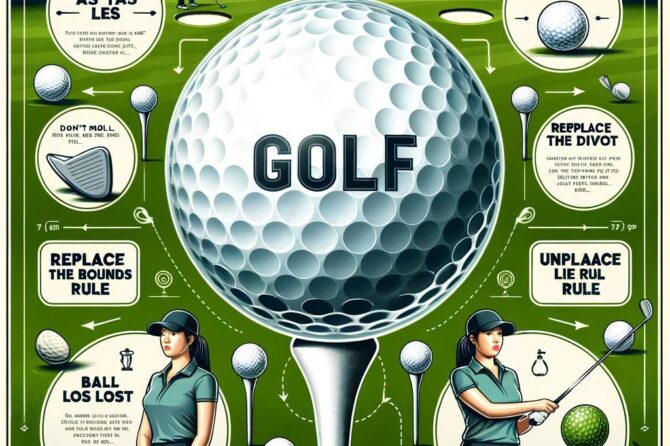
Understanding the Impact of Heel Strike on Your Swing and Putting
Heel strike-the moment your club’s striking edge contacts the ball near the heel-plays a pivotal role in both your full swing and putting stroke. Biomechanically, a heel-first impact often signals a swing path that is either too steep or too inside-out, leading to inconsistent ball flight and loss of distance. For putting, a heel strike tends to cause glancing blows that reduce roll and increase skidding, compromising distance control. To refine this, start by focusing on a square clubface at impact with the sweet spot centered on the ball. Practice drills such as placing an alignment stick just outside the heel of your clubhead, encouraging you to strike the ball more toward the center. Maintaining a balanced setup with your weight slightly favoring the lead foot, typically around 55%-60%, prevents early shaft lean that contributes to heel strikes. These adjustments enhance contact quality, enabling more predictable ball trajectories and cleaner rolls on varying turf conditions.
When integrating heel strike correction into your training routine, consider both swing mechanics and course strategy. For golfers struggling with heel strikes during the full swing, analyze the angle of attack using video or launch monitor feedback; ideally, iron shots should be struck with a downward, slightly descending blow of approximately 4 to 6 degrees to compress the ball properly. Overly steep angles cause the toe or heel to contact first, so drills focusing on maintaining wrist hinge and consistent swing plane are essential. In putting, heel strikes often arise from a misaligned setup or inconsistent stroke path. Applying drills like the “gate drill”-where two tees flank the putter head’s heel and toe-can develop a straight-back, straight-through stroke that promotes center contact. Strategically, correcting heel strikes improves shot reliability, allowing better control on tight pins, tricky slopesand varied green speeds, all critical for lowering your scoring average.
For players across skill levels, the path to mastering heel strike elimination involves incremental, focused practice combined with thoughtful equipment assessment. Beginners benefit from working on grip pressure and posture fundamentals that support centered contact, while advanced players can optimize lie angle and shaft flex to suit their swing tendencies, minimizing heel impact tendencies. Integrate heel strike awareness into your warm-up drills by using impact tape or foot spray on the clubface to visualize contact location-aiming for a consistent strike zone within 1 inch of the clubface center. Additionally, incorporate mental cues such as “feel the clubhead’s sweet spot” or “smooth tempo” to prevent rushed, off-balance movements that cause heel hits.With persistent attention to these elements,you’ll notice improved shot consistency,enhanced distance control,and ultimately,better scoring on the course through refined swing and putting mechanics.
Step by Step Guide to the Heel Strike Drill for Driving Power and Putting Precision
The foundation of the heel strike drill lies in refining your impact position to maximize both driving power and putting precision. begin by focusing on your address setup: position the ball slightly forward in your stance for your driver – about one ball width inside your left heel for right-handed golfers – and center the ball for putting.This setup encourages a robust strike with the heel of the clubhead, promoting a solid square face angle at impact crucial for accuracy. incorporate a mirror or video feedback during practice sessions to ensure your clubface is aligning properly, preventing common errors like toe or center strikes that lead to loss of distance or inconsistent roll. For beginners, practicing short, controlled swings while visually confirming the heel contact helps develop muscle memory in a manageable way before progressing to full swings or strokes.
Next, integrating biomechanics enhances the transfer of energy through the heel strike technique. During the takeaway, emphasize a smooth, one-piece takeaway maintaining your wrists soft yet stable, avoiding premature hinging. As you move into the downswing,engage your hips and weight transfer to the lead foot,targeting a 45 to 55-degree hip rotation to generate torque efficiently. The heel strike drill benefits from a focus on the kinetic chain – from ground reaction forces driving up through your legs to your hands and clubhead delivering consistent acceleration. For putting, a pendulum motion ensures the putter swings naturally through the heel point, avoiding wrist breakdown that commonly causes pushes or pulls on the green. Practicing drills like slow motion heel strikes with an alignment stick on the ground can definitely help you internalize the correct path and clubface orientation, contributing to better ball striking and roll control in real-course scenarios.
practical course management intertwines with technical improvements gained from the heel strike drill.When driving off the tee, consistently hitting with the heel can reduce the slice or hook tendencies, offering straighter trajectory and more roll-out, especially on firm fairways or in windy conditions where ball flight control is paramount. On the putting green, precise heel contact correlates to reducing skidding and promoting an immediate forward roll-critical when reading subtle breaks or uneven green surfaces. Incorporate target visualization and pre-shot routines that emphasize rhythm and tempo,syncing mental focus with the physical heel contact technique. For advanced players, refining heel strike timing can shave strokes by improving both distance control off the tee and lag putting accuracy, ultimately lowering scores and enhancing confidence in pressure situations.
Common mistakes to Avoid When Practicing the Heel Strike Drill and How to Stay Consistent
The heel strike drill is invaluable for correcting the common issue of toe-heavy impact and promoting solid contact, but a frequent mistake lies in inconsistent setup and alignment. Many golfers inadvertently open their stance or position the ball too far forward, which encourages striking the ball with the clubface’s toe rather than the heel. To avoid this, ensure your feet are parallel to the target line, with the ball positioned just inside your lead heel for irons and slightly more centered for woods. Maintaining a balanced posture with a slight knee flex and a stable spine angle of about 15 degrees forward tilt helps create a repeatable impact position. Additionally, focusing on keeping the hands slightly ahead of the ball at address promotes a descending strike, key for crisp contact during the drill and on the course.
Another common pitfall during heel strike practice is neglecting to control the swing path and tempo, which can lead to inconsistent strikes and frustration. Many players swing too aggressively or allow their wrists to break down prematurely, causing the clubface to close or open unpredictably.To stay consistent, it’s critical to develop a smooth, rhythmic swing with a controlled backswing length-ideally not exceeding waist height-and a deliberate, accelerating downswing. Incorporating drills like the “Pause at the Top” or slow-motion swings can considerably improve muscle memory, allowing golfers to feel the difference between heel and toe contact. Using video feedback or impact tape during practice can also visually confirm accurate heel strikes, making subtle adjustments more measurable and objective.
Translating the heel strike correction into real-course scenarios involves understanding how solid contact affects both distance control and shot shape, especially in challenging situations such as tight fairways or windy conditions. For example, a consistent heel strike ensures better compression and a slightly higher ball flight, which can help carry hazards or hold greens more effectively. Golfers should practice the drill with various clubs to build versatility and recognize how altering clubface angle and attack angle influences shot trajectory and spin. Incorporating targeted practice routines such as
- alternating between short and mid-irons with heel strike focus
- using alignment rods to reinforce body and clubface positioning
- and simulating uneven lies to engage course management skills under pressure
will not only improve technical skills but enhance strategic gameplay by enabling confident, precise shot selection grounded in consistent mechanics.