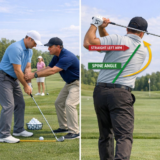
Teh study of elite performance in golf occupies a distinctive intersection of sport science, psychology, and applied technology. “Golf Legends: An Analytical Review of Elite Performance” responds to a persistent need for an integrative, evidence‑based account of the multifactorial determinants that distinguish the game’s most accomplished practitioners. While biophysical capacity, motor control, and tactical decision‑making each receive attention in isolation, there remains limited synthesis that concurrently addresses psychological resilience, biomechanical efficiency, and the strategic adaptation that underpin sustained excellence. This article thus adopts an interdisciplinary analytic framework to clarify how these domains interact to produce world‑class performance, and how contemporary measurement and intervention technologies have reshaped elite preparation and competition.
Our approach synthesizes empirical findings from sports psychology (e.g.,attentional control,pressure coping,and motivation),biomechanics (e.g., kinematic sequencing, ground reaction forces, and swing variability), and performance strategy (e.g., course management, risk‑reward calculus, and shot selection). We further assess the contribution of advanced analytics and technology – from motion‑capture and ball‑flight tracking to data‑driven coaching systems and novel training aids – that increasingly inform both elite practice and equipment advancement. Recent industry and practitioner discourse, including product releases and community evaluations, illustrate how innovations in clubs, balls, and training implements are integrated into elite preparation and merit contextual consideration.
This review addresses three primary questions: (1) What psychological and biomechanical characteristics consistently differentiate golf legends from other elite performers? (2) How do strategic decision processes interact with physical and cognitive constraints to influence tournament outcomes? (3) In what ways have analytics and emergent technologies altered assessment, training, and on‑course execution at the highest levels of the sport? To answer these questions we synthesize peer‑reviewed research, high‑resolution biomechanical case studies, and applied reports from coaching and equipment communities, situating findings within a conceptual model that emphasizes interaction effects and temporal dynamics across tournament contexts.
By integrating theory, empirical evidence, and applied practice, this review aims to clarify mechanisms of elite golf performance and to identify actionable insights for researchers, coaches, and high‑performance practitioners. The article concludes by outlining directions for future research, highlighting methodological priorities (e.g., longitudinal multimodal measurement, ecologically valid assessment under pressure) and practical implications for talent development, equipment selection, and individualized training.
Conceptual Framework for Elite Golf Performance: Integrating Psychological Resilience and Biomechanical efficiency
Elite golf performance emerges from a tightly coupled system in which cognitive-emotional regulation, sensorimotor control, and mechanical economy interact continuously. Conceptualizing performance as an outcome of dynamic coupling clarifies how transient psychological states modulate neuromuscular patterns and how subtle biomechanical inefficiencies amplify under pressure. Within this framework, **psychological resilience** functions as a moderator that stabilizes attentional focus and decision thresholds, while **biomechanical efficiency** operates as a mediator that translates neural commands into repeatable ball-flight outcomes. The interplay between these constructs explains both momentary excellence and longitudinal consistency among golf legends.
Key psychological mechanisms supporting consistent execution include attentional stability, arousal regulation, and adaptive self-monitoring. Practical subcomponents can be summarized as:
- Attentional control – sustaining task-relevant focus and minimizing ruminative processes;
- Affective regulation – rapid downregulation of anxiety and upregulation of constructive arousal;
- Routine and pre-shot automations – procedural anchors that reduce cognitive load under stress;
- Resilience training – exposure-based and reflective practices that build recovery from performance setbacks.
These elements coexist with motor schemas to preserve shot consistency when environmental and competitive demands fluctuate.
From a motor-control and biomechanical viewpoint, elite performance is characterized by economical kinematic sequencing, controllable variability, and optimized energy transfer through the kinetic chain. Measurable signatures include temporal sequencing (proximal-to-distal transfer), minimal compensatory motion, and controlled center-of-mass displacement. A compact reference for cross-disciplinary dialog is provided below:
| Domain | Representative Metric | Interpretation |
|---|---|---|
| Psychology | Pre-shot routine stability (%) | higher = greater attentional consistency |
| Motor Control | Timing variance (ms) | Lower = tighter sequencing |
| Biomechanics | clubhead speed / energy transfer | Higher with efficient kinematic chain |
Analytics fuse these domains through synchronized measurement and probabilistic modeling. Technologies such as high-speed motion capture, force platforms, inertial wearables, and ball-tracking telemetry provide multi-scale data streams that can be integrated into mixed-effects models, state-space estimators, and machine-learning classifiers. Recommended methodological tools include:
- synchronized multimodal capture – to map cognitive state markers (e.g., HRV) onto kinematic epochs;
- Variance decomposition – to partition performance variance into within-player and between-player sources;
- Predictive modeling – to identify early mechanical or psychological signatures of impending performance deviation.
These approaches permit principled inference about causal pathways linking resilience and efficiency.
Translational implications emphasize integrated practice prescriptions: combine psychological skills training (imagery, stress inoculation, attentional routines) with biomechanically informed drills that promote the desirable kinematic sequence and robust movement variability. Use constraint-led tasks to elicit adaptive coordination patterns, periodize cognitive load to mirror competitive phases, and deploy real-time feedback selectively (augmented early, faded during consolidation). Emphasizing both **resilience-building** and **mechanical economy** produces a synergistic pathway toward the sustained excellence that characterizes golf legends.
Quantitative Assessment of Biomechanical Proficiency: Kinematic Signatures and Transferable Motor Patterns
Kinematic signatures function as quantifiable fingerprints of skilled golf performance, capturing temporospatial sequencing, peak angular velocities, and intersegmental coordination. By operationalizing variables such as peak clubhead speed, shoulder-pelvis separation (X‑factor), and lead knee flexion at impact, researchers and practitioners can move beyond subjective impressions to reproducible metrics that correlate with shot outcome variance and consistency. These signatures are most informative when reported with measures of central tendency and dispersion (mean ± SD) and when linked to outcome measures such as launch angle, spin rate, and dispersion ellipse area.
Assessment protocols typically integrate multimodal instrumentation: optical motion capture, inertial measurement units (IMUs), force platforms, and high‑speed videography. Analytical frameworks draw from dimensionality‑reduction and classification techniques-principally principal component analysis (PCA), cluster analysis, and supervised machine learning-to extract dominant movement synergies and discriminate elite from sub‑elite patterns. Time‑series alignment (e.g.,dynamic time warping) and phase‑based normalization allow comparison across subjects and clubs,while mixed‑effects modeling quantifies within‑player variability versus between‑player differences.
Representative elite signatures emphasize proximal‑to‑distal sequencing, elevated intersegmental angular velocity peaks during downswing, and constrained within‑cycle variability at impact.The simplified table below illustrates plausible normative ranges observed in high‑performance cohorts and highlights diagnostic thresholds often used in applied settings:
| Metric | Elite range | Unit |
|---|---|---|
| Peak clubhead speed | 110-130 | mph |
| Shoulder-pelvis separation (max) | 20°-40° | degrees |
| Downswing time (top→impact) | 0.20-0.28 | seconds |
| Smash factor | 1.45-1.50 | ratio |
Transferable motor patterns are identified when kinematic features retain structure across task variants (different clubs, target distances, or competitive stress). Empirical evidence supports that certain synergies-particularly those governing sequencing and temporal coupling-exhibit high generalizability,whereas absolute joint angles and speed magnitudes are more context‑sensitive. Metrics of systematic variability (trend) versus stochastic variability (noise) are thus essential: increased stochastic variability may indicate exploratory learning and greater transfer potential, while reduced systematic error signals consolidation of a robust motor plan.
For applied practitioners, the translation of kinematic assessment into training requires both threshold‑based monitoring and individualized targets.Recommended metrics to track include peak angular velocity, sequence timing ratios, and impact consistency (dispersion). Suggested practices include implementing real‑time biofeedback, progressive overload of tempo and load, and retention/transfer testing across novel tasks. Caution is warranted: normative ranges should inform but not dictate coaching decisions-athlete‑specific functional variability must be preserved to maintain adaptability and long‑term performance resilience.
Cognitive and Affective Determinants of Competitive Resilience: Mental Skills, Stress Response, and Intervention Strategies
Elite golf performance is underpinned by discrete cognitive processes that govern perception, selection, and execution. key constructs include , working memory, and decision-making under uncertainty, each mediating how athletes detect relevant cues (e.g., wind, green slope), maintain situational models across shots, and choose strategies under dynamic constraints. Empirical and theoretical literature indicates that resilient performers exhibit superior attentional control and flexible working memory allocation, enabling rapid switching between global course strategy and micro-level biomechanics without loss of execution fidelity.
Affective dynamics-emotion, motivation, and confidence-act as modulators of cognitive resources and behavioral choices. Processes such as anxiety appraisal and affect regulation alter arousal bands and perceptual breadth: moderate arousal can optimize focus, whereas excessive anxiety precipitates attentional narrowing and response rigidity.Constructs like self-efficacy and intrinsic motivation buffer against negative affective spirals, promoting adaptive coping and sustained effort during multi-day competitions; thus, affective stability is a core determinant of competitive resilience.
The stress response is a biobehavioral cascade in which autonomic and endocrine activation interacts with cognitive appraisal to influence performance. Acute stress commonly produces heart-rate acceleration, elevated cortisol, and narrowed attentional focus-mechanisms that can either facilitate or impair shot execution depending on an athlete’s regulation capacity. Resilience emerges from the capacity to downregulate maladaptive physiological-arousal patterns and to reframe threat appraisals into challenge appraisals, thereby preserving fine motor control and decision quality under pressure.
Targeted interventions bolster resilience by training both cognitive operations and affective regulation. Empirically supported techniques include:
- Imagery rehearsal – multisensory simulation of successful shots to consolidate perceptual-motor schemas;
- Pre-shot routines – structured sequences that stabilize attention and motor initiation;
- Self-talk protocols – concise cue words to interrupt negative cognitions and reinforce process goals;
- mindfulness and acceptance-based training – to reduce reactivity to intrusive thoughts and sustain present-moment focus;
- Biofeedback and breath-control – to directly modulate autonomic arousal and restore optimal psychophysiological states.
When integrated into periodized practice,these methods produce transferable gains in on-course resilience.
Implementation requires systematic assessment, individualized dosing, and objective monitoring. Standardized psychological inventories, heart-rate variability metrics, and behavioral performance indices can track intervention efficacy across phases of training. The table below offers a concise prescription example for common interventions, linking target outcomes with typical short-form protocols for elite golfers.
| Intervention | target Outcome | Typical Protocol |
|---|---|---|
| Imagery Rehearsal | Shot consistency; motor schema robustness | 5-10 min/day, multi-sensory, pre-round |
| breath Biofeedback | Autonomic downregulation; steadier tempo | 10 min sessions, 3×/week, plus pre-shot 3-breath routine |
| Cognitive Reappraisal | Reduced threat appraisal; greater persistence | Brief workshop + in-competition cue cards, weekly practice |
Strategic Decision-Making on the Course: Risk Management, Shot Selection Algorithms, and Situational Adaptation
Elite-level play demands a normative framework that translates uncertain outcomes into actionable choices: expected-value optimization, variance management, and constraint-aware planning. Players and caddies operate as bounded-rational agents who must reconcile probabilistic forecasts with physical execution variability; thus decision rules that maximize long-run scoring performance frequently enough diverge from those that maximize the immediate probability of par or birdie. Integrating stochastic models into routine decision-making converts subjective impressions into repeatable, defensible strategy.
Shot-selection algorithms fuse empirical data with situational parameters to produce ranked options. Inputs commonly include club dispersion profiles, hole geometry, lie and slope, wind vectors, and competitor positioning; models typically apply a mixture of regression-based shot-value estimation and simulation. Typical algorithm inputs and derived outputs include: inputs:
- Historical dispersion (carry & total distance variances)
- Landing-zone success probabilities
- External conditions (wind, firm/soft turf)
- Strategic constraints (risk tolerance, match-play context)
Practical risk-management translates model output into on-course prescriptions using simple, replicable heuristics. The table below exemplifies a compact decision matrix that maps situational severity to a recommended posture, highlighting how small changes in risk score alter tactical choice.
| Situation | Risk Score | Recommended Action |
|---|---|---|
| Short par-4 with protected green | High | Layup to preferred angle |
| Downwind par-5, reachable | moderate | Aggressive go only if makeable |
| Long approach into tight green | Low | Play to deep center |
Adaptation underpins elite execution: real-time updating of decision rules is essential as environmental and competitive variables evolve. Bayesian updating permits the integration of observed shot outcomes into posterior distributions for club and shot reliability; cognitive-load minimization techniques (e.g., pre-set contingencies, checklists) reduce susceptibility to recency bias and loss aversion in critical moments. The most successful practitioners couple quantitative recalibration with qualitative cues from course architecture and feel.
Operationalizing these models requires purposeful practice,clear communication,and technology-enabled rehearsal. Coaches should design drills that reproduce decision contexts (e.g., variable wind, constrained targets) and evaluate choices by long-run scoring impact rather than isolated outcomes. Recommended on-course heuristics include: prefer routes that compress variance, prioritize lies with repeatable contact, and codify bailout lines for adverse states. When combined-empirical modelling, adaptive updating, and repeatable heuristics-these elements create a resilient decision-making architecture for elite performance.
Analytics-Driven Equipment Optimization: Data-Guided Club Selection, Ball Flight Modeling, and Custom Fitting Protocols
Contemporary equipment optimization synthesizes high-frequency biomechanical sensors, launch-monitor telemetry and structured outcome measures into a unified analytical framework.By treating each swing as a discrete event within an instrumented session, analysts can apply time-series and cross-sectional methods to quantify the causal effects of club characteristics on performance. Such an approach parallels modern digital analytics paradigms-for example, **Google Analytics 4 (GA4)** emphasizes event-based data collection and flexible property schemas-underscoring the importance of rigorous event definition, consistent tagging and centralized storage for reproducible experimentation.
Selection of clubs is thus reframed as a probabilistic matching problem: given a player’s kinematic profile and shot-shape tendencies, which combination of loft, shaft flex and club length maximizes expected strokes gained? Data-driven selection relies on multivariate inputs, including:
- Clubhead speed – measured peak and variability
- Attack angle – positive/negative tendencies
- Ball speed and spin rate – launch monitor outputs
- Shot dispersion – lateral and distance consistency
Statistical models (e.g., mixed-effects regressions, Bayesian hierarchical models) are used to estimate individualized response surfaces and to quantify uncertainty around incremental gains from equipment changes.
Ball flight modeling integrates aerodynamic theory with empirical telemetry to produce predictive trajectories that inform fitting decisions. Below is a concise summary of commonly modeled variables and target ranges used during fitting sessions:
| Metric | Representative Target |
|---|---|
| Launch Angle | 11°-15° (driver) |
| Spin Rate | 2200-3200 rpm (driver) |
| Carry Distance Variability | ±6-12 yards |
model validation should include out-of-sample trajectory prediction and sensitivity analyses to environmental variables (wind, temperature) to ensure robustness of recommendations.
Custom fitting protocols translate model outputs into operational workflows that are repeatable across fitters and facilities.A rigorous protocol typically consists of:
- Baseline assessment – standardized warm-up and calibration swings
- Instrumented trial sets – randomized club exposures with controlled swing intent
- A/B equipment testing – paired comparisons to isolate single-variable effects
- Decision rule request – selection based on expected strokes-gained uplift and player preference
Documenting each step and storing raw telemetry enables retrospective analyses and continuous refinement of fitting heuristics.
Operationalizing analytics requires institutionalizing data governance, instrumentation standards and real-time reporting. Practically, this means implementing an event taxonomy for swing and session data, adopting centralized storage with schema versioning, and deploying dashboards for coach and fitter interpretation. Best practices include:
- Standardized event definitions to enable cross-player comparisons
- Automated QC pipelines for telemetry integrity
- Iterative A/B experiments to validate equipment changes
Leveraging these elements creates a scalable ecosystem where equipment choices are no longer heuristic but empirically justified, and where performance gains are measured, tracked and optimized over time.
Training Periodization and Skill Acquisition: Evidence-Based Practice Design and Progressive Deliberate Practice Recommendations
Contemporary planning for elite golf integrates cyclical periodization with motor learning principles to optimize long-term skill retention and peak performance timing. Empirical work supports organizing training across macro-, meso-, and microcycles that explicitly allocate time for technical refinement, physical conditioning, and competition simulation. In practice, this means aligning high-load technical work with lower competition density and emphasizing recovery during intensified competition phases to preserve precision under pressure.
skill acquisition strategies must reconcile the need for repeated, focused practice with the benefits of variability and contextual interference. Evidence favors a hybrid approach: initial acquisition via block practice to establish movement patterns,followed by randomized and variable practice to enhance adaptability and transfer. Augmenting practice with augmented feedback (video, launch monitor metrics) and gradually faded feedback schedules promotes independent error detection and robust learning.
Designing progressive deliberate practice involves structured progression and measurable objectives. A prototypical session framework includes:
- Warm-up (neuromuscular activation, mobility, short-game touch)
- Focused technical block (low-variability, high repetitions, movement-pattern emphasis)
- Variable block (shot-shape, lie, and wind conditions to foster adaptability)
- Simulation (pressure drills, course management scenarios)
- Recovery (cool-down, load monitoring, mental debrief)
Progression criteria should be criterion-based (e.g., dispersion thresholds, repeatable kinematic patterns) rather than purely time-based to ensure readiness for increased difficulty.
| Phase | duration | Primary focus | Weekly Frequency |
|---|---|---|---|
| Foundational | 6-8 weeks | technique & movement quality | 4-6 sessions |
| Specialization | 8-12 weeks | Performance consistency & variability | 5-6 sessions |
| Pre-Competition | 2-4 weeks | Simulation & tapering | 3-5 sessions |
Rigorous monitoring and iterative adjustment are essential to evidence-based practice design. Employ a combination of objective performance metrics (ball speed, carry dispersion, clubhead kinematics), workload indicators (session RPE, volume), and subjective measures (perceived readiness, cognitive load). Recommended monitoring tools include:
- Launch monitors for flight and dispersion analytics
- Wearable sensors for swing kinematics and fatigue markers
- Structured logs for deliberate practice content and psychological states
use these data to implement progressive overload, adjust microcycle intensity, and preserve skill specificity while minimizing injury risk and performance decrements.
Performance monitoring and Predictive Modeling: Key Metrics, Wearable Integration, and Coaching Feedback Loops
Quantifying elite golf performance requires a standardized set of metrics that capture both outcome and process variables. Core outcome metrics include ball speed, launch angle, and spin rate, while process metrics encompass clubhead speed, swing tempo, and kinematic sequences of the pelvis, torso, and wrists. Robust monitoring programs prioritize sensor fusion-combining high-speed launch monitors with inertial measurement units (IMUs) and pressure mapping-to reduce single-sensor bias and enhance signal reliability. Empirical studies show that multisensor arrays improve reproducibility of swing-phase detection and support more precise longitudinal tracking of technical change.
predictive modeling translates those longitudinal datasets into actionable foresight. Supervised learning algorithms, validated via cross-validation and out-of-sample testing, can forecast short-term performance trajectories and identify early indicators of fatigue or injury risk. Feature engineering should explicitly model temporal dependencies (e.g., swing-to-swing autocorrelation) and contextual variables (course conditions, equipment changes). Importantly, predictive outputs must be probabilistic-providing confidence intervals-so coaches can weigh model recommendations against domain expertise rather than treating them as definitive prescriptions.
Wearable integration is most effective when device selection and placement are driven by a clear measurement aim. IMUs on the thorax and pelvis, smart grips for torque sensing, and pressure insoles for weight-transfer analysis each address distinct biomechanical constructs. Practical adoption must also account for the proliferation of commercial devices and claims: inexpensive training aids such as the B29 Blue Brick may assist proprioceptive learning but require objective validation, and subscription-based programs (e.g., critiques of the Performance Golf 357 Fairway Hybrid service model) highlight the need for transparency in efficacy claims. Likewise, novel shaft and putter technologies (for example, contemporary innovations like the Newton shaft or L.A.B.putters) should be evaluated within monitoring frameworks to isolate equipment-driven variance from athlete-driven change.
Effective coaching feedback loops combine automated analytics with curated human interpretation. Best-practice elements include:
- Immediate objective cues: concise visual or haptic feedback for single-swing correction.
- Aggregated trend reports: weekly summaries that contextualize variability and adaptation.
- Prescriptive drill sets: evidence-based exercises aligned with modeled deficits.
- Human-in-the-loop review: coach adjudication of model recommendations to preserve individualized nuance.
| Key Metric | Typical sensor | Primary Coaching Action |
|---|---|---|
| clubhead speed | Launch monitor / IMU | Speed-building drills; sequencing focus |
| Weight transfer | Pressure insoles / force plate | Balance and timing drills |
| Putting stroke consistency | High-speed camera / smart putter | Tempo gating; alignment correction |
Q&A
Below is a structured academic-style Q&A designed to accompany the article “Golf Legends: An Analytical Review of Elite Performance.” The Q&A addresses conceptual definitions,methods,key findings across psychological,biomechanical,strategic,and technological domains,plus implications,limitations,and future research directions.Note: the web search results supplied with your request pointed to forum pages (GolfWRX) and did not return peer‑reviewed or directly relevant academic sources for this topic; therefore the Q&A synthesizes current best practices and established scientific principles rather than citing those forum pages.
1. What is the scope and objective of the article “Golf Legends: An Analytical Review of Elite Performance”?
Answer: The article synthesizes multidisciplinary evidence to identify and explain the determinants of exceptional golf performance among historically elite players. It integrates psychological constructs (e.g., attentional control, resilience), biomechanical determinants (e.g., kinematic sequence, consistency), strategic factors (e.g., risk management, course strategy), and advances in analytics and technology (e.g., shot-level analytics, motion capture).Objectives include (a) defining performance-relevant metrics, (b) describing methods for quantifying elite skill, (c) highlighting common characteristics of golf legends, and (d) recommending evidence-based applications for coaches, players, and researchers.
2. How are “golf legends” defined operationally in the analysis?
Answer: For analytical clarity, “golf legends” are operationalized as players who demonstrate sustained elite-level outcomes across multiple competitive seasons and contexts. Criteria include cumulative objective performance indicators (e.g.,career wins on premier tours,major championships,top-tier ranking tenure),longevity,and persistent statistical superiority on objective shot-level metrics (strokes gained,proximity to hole,scrambling,etc.).the article emphasizes combining outcome-based criteria with process measures (e.g., consistency of key swing parameters) to avoid selection bias from single-season success.
3. Which outcome and process metrics are used to quantify elite performance?
Answer: Outcome metrics: tournament wins,major titles,season scoring average,strokes gained categories,and career earnings/rankings. Process and shot-level metrics: strokes gained by shot type (off the tee, approach, around the green, putting), proximity to hole, fairways hit, greens in regulation, putts per round, and conditional metrics (e.g., performance under pressure holes). Biomechanical/process measures: clubhead speed, swing tempo, kinematic sequence timing, angle of attack, launch conditions (launch angle, spin rate), and variability measures (within- and between-round standard deviations). Psychological and physiological measures: validated scales of mental toughness, stress reactivity (HRV), gaze behavior, and psychophysiological markers during competition.
4. What study designs and data sources are recommended or used?
Answer: The article favors a multimodal, mixed-methods approach, combining: (a) longitudinal observational analyses using shot-level databases (e.g., professional tour tracking systems), (b) laboratory-based biomechanical studies employing 3D motion capture, force plates, IMUs, and ball-flight radars (TrackMan, GCQuad), (c) field-based wearable sensors and on-course telemetry for ecological validity, and (d) qualitative and psychometric assessments for psychological constructs. Statistical approaches include multilevel models to account for nested data (shots within rounds within players), time-series and survival models for career trajectories, and supervised machine-learning for pattern recognition.
5. What biomechanical characteristics distinguish elite performers in golf?
Answer: Consistent findings cited in the article indicate elite performers typically exhibit: a repeatable kinematic sequence (proximal-to-distal peak angular velocities),efficient energy transfer resulting in high clubhead speed with controlled face orientation,low intra‑individual variability in key timing variables (tempo and transition),optimized launch conditions (launch angle and spin for different clubs),and effective ground reaction force utilization.Importantly, biomechanical efficiency is coupled to robustness-ability to maintain effective mechanics under competitive pressure and variable environmental constraints.
6. Which psychological factors are most strongly associated with legendary performance?
Answer: The article highlights several psychological attributes, supported by sports psychology literature, that correlate with elite performance: superior attentional control and focus, emotional regulation (low catastrophic cognition under adversity), task-relevant pre-shot routines, resilience and adaptive coping, deliberate practice orientation, and high situational awareness (course cognition and risk-reward appraisal). Additionally, clutch-performance mechanisms are linked to experience, arousal regulation, and decision heuristics that avoid overcomplication under stress.
7. How do strategic and tactical skills contribute to elite outcomes?
Answer: Strategic competence manifests in optimal course management: selecting target lines and clubs that maximize expected value given player skill and situational constraints; adapting strategy to prevailing conditions (wind, hole geometry); and managing risk to preserve pars while capitalizing on birdie opportunities. Elite players often demonstrate superior shot-choice calibration (choosing submaximal but higher-EV targets) and dynamic risk management-shifting strategy with round state,player confidence,and tournament context.
8. How does analytics change our understanding of elite golf performance?
Answer: Shot-level analytics (strokes gained frameworks, proximity metrics) disaggregate performance by shot type and context, revealing which skill domains separate elite players. Advanced analytics enable identification of latent strengths (e.g., exceptional approach play versus superior putting) and allow causal inference using longitudinal designs (e.g., how changes in clubhead speed or approach proximity affect strokes gained).Machine-learning models can classify stroke patterns and predict performance variance, but interpretability remains critical for actionable coaching.
9. what role does technology (motion capture, radar, wearables) play in the research and coaching of legends?
Answer: technology provides objective measurement of swing mechanics, ball flight, and physiological states. High-precision motion capture and launch monitors quantify kinematics and launch conditions; wearable IMUs offer portable kinematic monitoring for on-course validation; force plates reveal ground interaction dynamics; eye-tracking and biometric devices assess attentional and autonomic responses. When integrated with analytics platforms, these technologies support individualized interventions, real-time feedback, and long-term monitoring of technique and fatigue.
10. Which statistical models are most appropriate for analyzing elite golfers’ data?
Answer: Multilevel (hierarchical) linear and generalized linear mixed models to account for clustering (shots within rounds/players), generalized additive models to model nonlinearity (e.g., nonlinear effects of clubhead speed on proximity), time-varying coefficient models for changes across career phases, survival analysis for career longevity or tournament win intervals, and machine-learning algorithms (random forests, gradient boosting, neural networks) for prediction where interpretability and overfitting controls (cross-validation, regularization) are applied. Causal inference methods (instrumental variables, difference-in-differences) are recommended when evaluating interventions.
11. How is variability in performance interpreted-noise or adaptive versatility?
Answer: The article frames variability as dual-natured: excessive stochastic variability frequently enough reflects instability and loss of skill execution, while controlled variability can serve adaptive purposes (e.g.,tuning to variable course conditions). Distinguishing maladaptive noise from functional variability requires context-aware metrics: task-relevant variability that preserves outcome (stable proximity despite kinematic adjustments) is considered adaptive; increases in outcome variance (higher standard deviation in strokes gained) indicate reduced performance robustness.
12. What interventions are evidence-based for enhancing elite performance?
Answer: Evidence-based interventions include structured deliberate practice with focused feedback, biofeedback for tempo and physiological arousal regulation, mental skills training (pre-shot routines, imagery, attentional control), targeted strength and conditioning to support power and endurance, and technology-assisted skill refinement (video, launch monitor feedback with validated targets).interventions should be individualized, monitored via objective metrics, and iteratively adapted using performance data.
13. What ethical and practical considerations arise with widespread use of technology and analytics?
Answer: Ethical considerations include data privacy and consent (player biometric and performance data are sensitive),equitable access to technology (resource disparities between elite and developing players),and potential overreliance on technology that may undermine intuitive decision-making. Practically, the validity and reliability of consumer devices can vary; coaches must vet measurement instruments and avoid misinterpretation of complex analytics without domain expertise.
14. What are the key limitations of the analyses presented?
Answer: Main limitations include: reliance on observational data that complicates causal claims; selection bias when studying successful players (survivor bias); heterogeneity in data quality across time and technology platforms; the challenge of capturing psychological variables with fine temporal resolution in competition; and generalizability constraints from elite samples to recreational populations. The article urges methodological transparency and sensitivity analyses.
15. How can coaches and practitioners translate these findings into practice?
answer: Practitioners should (a) prioritize measurement of outcome-relevant process metrics (strokes gained components, proximity, tempo), (b) employ technology selectively for objective monitoring and individualized feedback, (c) integrate mental skills into training and pre-shot routines, (d) use analytic insights to design practice that targets identified weaknesses (e.g.,approach proximity drills),and (e) monitor training load/fatigue with physiological markers to preserve performance consistency.
16. What future research directions does the article propose?
Answer: Recommended directions include: longitudinal multimodal studies that fuse biomechanics, physiology, and psychometrics; development of causal inference frameworks for intervention evaluation; real-time analytics and closed-loop biofeedback systems for on-course use; advances in interpretable machine-learning models for actionable coaching insights; and equity-focused research assessing how access to technology influences talent development pathways.
17. How does the article address the uniqueness of individual players versus generalizable principles?
Answer: The article advocates a dual approach: identifying generalizable performance principles (e.g., consistent kinematic sequencing, deliberate practice, decision-making heuristics) while acknowledging idiographic variability-each legend occupies a unique constellation of strengths. Personalized models that blend population-level priors with player-specific data are recommended for accurate assessment and training prescription.18. Are there exemplar case analyses of specific legends and what do they illustrate?
Answer: The article presents anonymized, de-identified case syntheses to protect privacy and avoid overinterpretation of public profiles. These syntheses illustrate how distinct combinations of biomechanical efficiency, strategic acumen, and psychological resilience produce elite outcomes; they also show how targeted interventions (e.g., tempo normalization, approach‑shot optimization) produced measurable gains in process metrics and tournament outcomes in documented applied cases.
19. How should readers interpret the practical meaning of small quantitative differences among elites?
Answer: Small differences in shot-level metrics can aggregate to large competitive advantages over tournament rounds and seasons (e.g., a few tenths of a stroke gained per round compounds to multiple strokes across events). The article emphasizes effect-size interpretation in context, using expected-value frameworks: even marginal improvements in high-leverage situations (short par-4 approach, long putt conversion) can materially alter competitive outcomes.
20. What is the central takeaway for scholars, coaches, and players?
Answer: Exceptional golf performance emerges from the confluence of robust, efficient biomechanics; disciplined and adaptive psychological skills; bright strategic decision-making; and informed use of analytics and technology. Effective progress requires rigorous measurement, individualized interpretation, and iterative, evidence-based interventions. Multidisciplinary collaboration between researchers, technologists, and coaches is essential to translate analytic insights into sustained competitive advantage.
If you would like, I can:
– Convert the Q&A into a formal FAQ for publication,
– Expand any answer with specific methodological protocols (e.g., recommended motion-capture marker sets, statistical model templates), or
– Draft a short appendix listing recommended datasets and measurement devices with their typical use-cases.
Wrapping Up
In sum, this review has synthesized psychological resilience, biomechanical proficiency, strategic decision-making, and analytics-driven equipment optimization to construct an integrated framework for understanding elite golf performance. Across these domains, recurring themes emerge: the interplay between mental adaptability and consistent motor patterns, the value of task-specific biomechanical variability, the centrality of context-sensitive risk-reward appraisal in strategic choices, and the growing impact of data-informed equipment and fitting decisions on marginal gains.Viewed together, these components elucidate how enduring excellence among golf legends is rarely attributable to a single factor but rather arises from dynamic, mutually reinforcing systems.The practical implications are multifold. For researchers, the framework encourages interdisciplinary study designs that combine longitudinal psychological assessment, high-resolution biomechanical measurement, decision-making paradigms, and equipment analytics. For coaches and practitioners, it supports tailored interventions that align mental skills training with swing mechanics and course strategy, while leveraging individualized equipment optimization to translate capacity into performance. For policy-makers and tournament organizers, awareness of these interacting influences can inform player development programs and the design of competitive environments that fairly test skill across domains.
This analysis is necessarily bounded by the heterogeneity of available evidence and by the rapid evolution of measurement technologies; future work should prioritize longitudinal, mixed-methods investigations with larger and more representative samples, and also controlled trials assessing the causal impact of integrated interventions.Advances in wearable sensing,machine learning,and ecological momentary assessment offer promising avenues to capture the temporal dynamics that underlie elite performance more precisely.
Ultimately, reframing golf excellence as an emergent property of psychological, biomechanical, strategic, and technological systems affords a richer, more actionable understanding of what distinguishes legends from peers-and provides a roadmap for research and practice aimed at cultivating the next generation of elite performers.