
This article examines teh normative foundations adn governance structures that underpin the rules of golf, emphasizing how ethical principles inform both player conduct and institutional decision-making. Golf’s regulatory framework is distinctive in its reliance on personal integrity and self-policing, creating a dynamic interplay between codified rules and unwritten norms of sportsmanship; understanding this interplay is essential for assessing the legitimacy, efficacy, and cultural resonance of the sport’s governance. Central principles-integrity, respect, fairness, and accountability-operate at multiple levels: thay guide individual on-course choices, frame adjudicative processes, and shape policy directions set by governing bodies.
The analysis that follows interrogates the theoretical bases for these principles (drawing on deontological, consequentialist, and virtue-ethics perspectives), evaluates governance mechanisms for rule-making and enforcement, and considers contemporary pressures such as technological change, inclusivity, and evolving expectations of transparency. By tracing how ethical commitments are operationalized through rules, sanctions, education, and institutional design, the article aims to illuminate pathways for strengthening both compliance and the broader ethical culture of the game.
Foundations of Ethical Conduct in Golf: Integrating Integrity,Honesty,and Fair Play
At the heart of competitive and recreational play lies a set of normative commitments that transcend mere rule compliance: **integrity**,**honesty**,and **fair play** function as normative anchors that give the Rules their moral force. Rather than operating as separate axioms, these commitments form an interlocking framework in which adherence to a written regulation often presupposes an internal willingness to honor the spirit behind it. From an ethical-theoretical viewpoint, this reciprocal relationship renders golf distinctive: violations are not solely adjudicated by external authorities but are often frist addressed by the players themselves, who interpret and apply principles in situ.
The practical manifestation of these commitments can be observed in everyday behaviors that players perform without external compulsion. These include readily acknowledged actions such as calling penalties on oneself, accurate scorekeeping, and consistent request of local rules. Typical expressions of the unwritten code include:
- Self-reporting of rule breaches even when unobserved by others;
- Obvious scoring practices and willingness to correct errors;
- Respect for pace and safety that upholds communal play standards.
Each behavior both signals and reinforces the normative expectations that make the Rules operational in practice.
When tensions arise between formal prescriptions and situational judgment,the unwritten code functions as an interpretive guide that informs fair resolution. The Rules of Golf are deliberately structured to accommodate judgment calls-whether determining relief, ruling on unusual circumstances, or resolving integrity questions-as strict literalism would or else erode the game’s cooperative nature. Ethical deliberation in golf thus involves a layered reasoning process: procedural knowledge of the Rules, contextual appraisal of intent and consequence, and a normative appeal to the spirit of the game to resolve ambiguity.
Institutional and educational mechanisms play a critical role in sustaining this ethical ecology by translating abstract principles into teachable practices and expectations. Below is a concise schema linking core principles to concrete actions used in coaching and officiating:
| Principle | Illustrative Action |
|---|---|
| Integrity | Voluntary penalty acknowledgement |
| Honesty | Accurate score submission |
| Fair Play | Equitable pace and equitable rule application |
Through consistent modeling,instruction,and institutional reinforcement,these practices preserve the legitimacy of both the written Rules and the unwritten ethic that sustains golf’s social contract.
Interpreting Rules Through Principled Decision-Making: Balancing the Letter and the Spirit of the Game
Principled decision-making in the adjudication of golf rules foregrounds moral reasoning alongside technical interpretation. The term “principled”-commonly defined as being imbued with or possessing moral principles (Dictionary.com)-signals that adjudicators and players must do more than apply statutory text mechanically. They must interpret provisions with attention to intent, fairness, and the preservation of the game’s integrity. This approach reframes rule application as a normative exercise in which legal precision and ethical judgment coexist.
Operationalizing that ethical stance requires explicit evaluative criteria. A compact set of considerations helps maintain consistency while allowing situational judgment:
- Respect for the written rule - ensure fidelity to the letter where the rule is clear and unambiguous;
- Intent and context – assess the actor’s intentions and the competitive context;
- Equity among competitors – weigh potential advantage or detriment to others;
- Preservation of the spirit - consider whether a literal outcome would undermine the sport’s ethical norms.
These criteria function as a normative checklist that guides interpreters away from purely formalistic outcomes and toward decisions that sustain trust in the game.
A practical decision framework can be summarized succinctly for referees, committee members, and advanced players. The following table provides a concise operational sequence to move from facts to resolution, suitable for quick reference during deliberation:
| Step | Purpose | Example Cue |
|---|---|---|
| Facts | Establish what occurred | Time, action, witness |
| Rule | Identify relevant provision | Text and precedent |
| Principle | Apply ethical considerations | Fairness, intent |
| Resolution | Select remedy consistent with both rule and spirit | Penalty, correction, education |
Governance structures must embed principled decision-making through training, transparent precedent, and mechanisms for accountability. When officials and competitors internalize a definition of “principled” behavior-as an orientation toward moral consistency and honor (Collins; Merriam‑Webster synonyms include “honorable” and “upright”)-the likelihood of disputes escalating decreases and the quality of adjudication improves. Institutionalizing those norms through codes of conduct, published rulings, and player education ensures that the letter of the rules serves the spirit of the game rather than undermining it.
Institutional Governance and Oversight: roles and Responsibilities of Associations, Committees, and Officials
National and international associations establish the normative architecture of play, translating abstract principles of integrity, fairness and respect into codified rules, policies and educational programs. Their remit extends beyond rule-writing to encompass policy harmonization, stakeholder consultation and stewardship of the sport’s ethical identity. Effective associations calibrate technical precision with normative clarity, ensuring that rules both adjudicate discrete incidents and signal the values expected of participants at every level.
Deliberative committees operationalize governance through focused mandates and specialized expertise. Typical committee responsibilities include:
- Rule advancement: drafting, interpreting and updating the rulebook in response to empirical evidence and technological advances;
- Ethics and discipline: receiving complaints, conducting investigations and recommending sanctions consistent with due process;
- competition oversight: setting tournament protocols, eligibility criteria and course standards to preserve competitive integrity.
Match and rules officials serve as the front-line instruments of governance, translating written standards into on-course decisions. Their authority derives from training, certification and the capacity to act impartially under pressure; accordingly, associations must invest in continuous education, standardized assessment and clear escalation pathways. Transparency in decision-making-documented rulings, accessible explanations and timely appeals mechanisms-reinforces public confidence and ensures that enforcement is seen as legitimate rather than arbitrary.
Robust oversight requires layered accountability: proactive compliance instruments, independent review, and proportionate sanctions. The table below summarizes typical oversight linkages used to preserve cohesion between policy and practice.
| Entity | Primary Oversight Function |
|---|---|
| Association | Rulemaking, policy stewardship |
| committee | Specialized adjudication, advisory review |
| Official | On-site enforcement, factual determination |
Enforcement, Accountability, and Dispute Resolution: procedural Best Practices and Remedial Recommendations
Effective governance requires that enforcement mechanisms be both **transparent** and proportionate, ensuring that sanctions serve remedial and deterrent purposes rather than punitive excess. procedural safeguards such as clear notice of alleged breaches, the opportunity to be heard, and impartial adjudication are essential to maintaining players’ trust and the sport’s integrity. Officials and tournament committees must balance the doctrine of self-regulation-rooted in player honesty-with institutional oversight to address conflicts of interest and to protect the public reputation of the game.
best practices for procedural design emphasize clarity, consistency, and documentation. Key operational elements include:
- Codified procedures that map steps from complaint intake to final disposition.
- Standardized evidence protocols for collecting witness statements,scorecards,and digital records.
- Training and certification programs for rules officials to reduce variability in decision-making.
- Defined timelines to resolve matters promptly and limit competitive disruption.
- Appeal pathways with independent reviewers to uphold due process.
These components ensure decisions are defensible, reproducible, and aligned with the broader ethical norms of the sport.
Remedial responses shoudl be proportionate and aimed at restoring fairness while promoting learning and compliance.A concise matrix clarifies appropriate remedies for common categories of violations:
| Violation | Typical Remedy | Objective |
|---|---|---|
| Minor procedural error | Warning / correction | Education and correction |
| Purposeful rule breach | Disqualification / suspension | Deterrence and fairness |
| Administrative negligence | Reprimand / process reform | Accountability and system improvement |
Use of a remedial matrix helps officials apply sanctions consistently and communicates predictable outcomes to stakeholders.
Dispute-resolution frameworks should prioritize impartiality, efficiency, and transparency to reinforce accountability. Recommended mechanisms include pre-arbitration mediation for factual disputes, expedited panels for time-sensitive tournament matters, and an independent appellate body for complex legal or ethical questions. Maintaining a public register of decisions (redacting sensitive personal data where required) and periodic post-incident reviews promotes institutional learning. Ultimately, embedding continuous improvement processes-monitoring outcomes, soliciting stakeholder feedback, and revising procedures-ensures the governance system remains adaptive and ethically grounded.
Education and Cultural Change: Training Frameworks to Embed Ethical Norms among Players, Coaches, and Referees
Embedding ethical norms within the sport requires a deliberate, evidence‑based curriculum that aligns normative expectations with everyday decision‑making on the course. Training should foreground the core values of integrity, respect and accountability, translating them into observable behaviours and adjudicative routines. design principles can borrow from cross‑sector professional development practice – for example, modular course design and blended learning methods recommended by established providers of continuing education – to ensure transfer of learning from the classroom to competitive play and officiating.
Curriculum architecture must be explicit about competencies and modes of delivery. Core components include:
- Ethical decision‑making: scenario analysis and rules interpretation exercises.
- Role‑specific conduct: tailored modules for players, coaches, and referees.
- Communication and conflict resolution: de‑escalation and transparent reporting practices.
- Assessment and remediation: formative feedback, simulated adjudication, and corrective coaching.
Assessment and governance of the training program should be systematic, using measurable indicators to track cultural change. The following simple framework summarizes relevant metrics and cadence, suitable for inclusion in a club or federation operational plan:
| Metric | Definition | Review Frequency |
|---|---|---|
| Compliance | Adherence to rules in sanctioned events | Quarterly |
| Observed Behavior | Peer and referee reports on conduct | Monthly |
| Knowledge Retention | Post‑training assessments and simulations | After each module |
Triumphant cultural change depends on institutionalising learning through leadership endorsement, continuous reinforcement and clear accountability pathways. Senior coaches and referees should act as mentors and exemplars, while governance bodies maintain transparent sanctioning procedures to deter breaches. Expected outcomes include:
- Heightened rule fidelity in competitive settings,
- Greater transparency in dispute resolution,
- Lasting peer‑to‑peer norms that reduce reliance on formal enforcement.
Continuous improvement cycles – informed by data from training assessments and best practices in workplace learning – will ensure the framework remains relevant and effective over time.
Transparency, Technology, and Data governance: Leveraging Tools to Enhance Compliance and Public Trust
Transparent governance of rule enforcement in golf increasingly depends on a disciplined approach to data lifecycle management. Modern instrumentation-shot-tracking, high-resolution video, wearable sensors and telemetry-generates forensic-quality records that can substantiate decisions and deter misconduct. To realize this potential, organizations should embed **open-data principles, standardized metadata and long‑term preservation** into tournament data infrastructures, reflecting established best practices from broader research data policy frameworks that prioritize accessibility, interoperability and stewardship.
Effective oversight requires a formalized data-governance architecture that assigns clear responsibilities for collection, curation, access and deletion. Key components include:
- Data Management Plans (DMPs): explicit documentation of data types, retention schedules and access rules for each event and instrument.
- Provenance and Audit Trails: immutable records that link evidence to adjudicative decisions and personnel.
- Privacy and Consent: mechanisms to protect personal data of players,officials and spectators while enabling legitimate review.
- Repository Use: trusted archives-internal or third-party-that ensure reproducibility and long-term availability.
Technology can both enable and complicate compliance; therefore, governance must balance innovation with explainability and accountability. Automated adjudication aids (e.g., video-assist or algorithmic rule-checks) should be accompanied by human oversight, transparent models and documented thresholds so that outcomes are reproducible and contestable. The following table summarizes a compact governance mapping that tournament committees can adapt.
| data Asset | Primary Governance Priority | Typical Retention |
|---|---|---|
| Shot-tracking logs | Integrity & provenance | 5 years |
| Match video feeds | Evidence for appeals | 2-7 years |
| player biometric data | Privacy & consent | Event-limited |
Building and sustaining public trust demands that sporting bodies publish clear governance artefacts-policies, DMP-like summaries, independent audit results and redress mechanisms-and provide accessible explanations of how technology informs decisions.Adopting a credentialed ecosystem of repositories and embracing cross‑organizational data principles will align golf’s adjudicative practices with global standards for transparency, thereby reinforcing both compliance and the ethical legitimacy of the sport.
Policy Recommendations for Reform: aligning Rules, Sanctions, and restorative Measures to Promote Equitable Play
policy reform should foreground principles of proportionality, procedural fairness, and restorative justice to preserve both competitive integrity and the sport’s ethical identity. rules must be calibrated so that sanctions correspond to the gravity and context of conduct-distinguishing inadvertent breaches from deliberate deception-and be accompanied by clear, accessible rationales.A transparent decision-making framework, published alongside the Rules, will reduce ambiguity and enable players, officials, and stakeholders to anticipate outcomes and accept sanctions as legitimate.
Operationalizing reform requires concrete mechanisms that embed ethical aims into routine governance. Recommended actions include:
- Independent review panels to adjudicate contested cases and model unbiased assessment;
- Graduated sanction schedules that link specific offenses to a range of responses, from education to suspension;
- Restorative pathways (mediation, apology, community service) to repair relationships where appropriate;
- Mandatory ethics education for competitors and officials to internalize norms rather than merely comply;
- Data-driven monitoring to evaluate effectiveness and identify disparities in enforcement.
These instruments together encourage consistent application of rules while promoting rehabilitation and learning.
To clarify how sanctions and restorative measures might be structured in practice,the following succinct matrix maps sample responses to common categories of conduct. Use of this schema in pilot tournaments can inform later codification and calibration.
| Measure | Primary Purpose | Typical use |
|---|---|---|
| Warning / Education | Behavioral correction | Minor, first-time infractions |
| Penalty Stroke | competitive redress | Rule breaches affecting play |
| Short Suspension | Deterrence and safety | Deliberate or repeated breaches |
| Restorative Conference | Repair & reintegration | Ethical lapses harming others |
Effective change depends on deliberate implementation: pilot studies, referee training, and transparent appeals processes must accompany any reform. Establishing measurable indicators-such as reduction in repeat offenses, equity of outcomes across demographics, and participant perceptions of fairness-creates accountability and enables iterative improvement. embedding stakeholder representation (players, officials, ethicists, and minority voices) within governance structures ensures reforms are grounded in the lived realities of the game and advances an equitable culture of play.
Q&A
Note: The supplied web search results did not contain material on golf rules or sports governance; they concern cohort studies and public health. the following Q&A is therefore prepared from subject-matter knowledge and academic conventions rather than the provided links.
Title: Q&A - Governing Principles and Ethics in Golf Rules
Style: Academic
Tone: Professional
1.Q: What are the core ethical principles that underpin the Rules of Golf?
A: The Rules of Golf are grounded in three interrelated ethical principles: integrity (honesty in play and reporting), respect (for the course, fellow competitors, officials, and the spirit of the game), and accountability (acceptance of responsibility for one’s actions and adherence to established procedures). These principles operate alongside formal legalistic rule provisions to shape player conduct and institutional governance.
2. Q: How do ethical theories inform interpretation and application of golf rules?
A: multiple ethical frameworks are relevant. Deontological approaches emphasize strict adherence to rules and duties (consistent with the rulebook’s prescriptions). Virtue ethics centers on character traits-honesty, fairness, sportsmanship-that encourage players to internalize the spirit of the game beyond written rules. Consequentialist reasoning evaluates actions by their outcomes (e.g., whether a ruling preserves fair competition). Effective governance integrates these perspectives to balance rule compliance with equitable outcomes and character development.
3. Q: What is the relationship between the “letter of the law” and the “spirit of the game”?
A: The “letter” provides explicit, enforceable provisions to ensure fairness and consistency, while the “spirit” embodies unwritten expectations-self-regulation, courtesy, and ethical judgment. Ethical governance recognizes that strict application of rules sometimes requires interpretation informed by intent and fairness. In practice, committees and officials apply rules while considering intent and mitigating circumstances, although transparent rationale is required to preserve legitimacy.4. Q: Who governs the Rules of Golf and how is governance structured?
A: Global governance is typically exercised by recognized authorities (e.g., the R&A and the United States Golf Association for the unified Rules). governance combines rule-making, education, committee-based local governance, and adjudication mechanisms. Good governance features clear institutional roles, stakeholder consultation during rule revisions, transparent decision-making, and mechanisms for review and appeals at appropriate levels.
5. Q: How should conflicts of interest be managed within golf governance bodies?
A: Conflict-of-interest management requires formal policies: disclosure obligations, recusal procedures for committee members with personal stakes in outcomes, independent adjudicators for disputes involving governance actors, and external oversight where appropriate. robust governance demands transparency about relationships that could influence rule interpretation, discipline, or handicapping decisions.
6. Q: What are the ethical expectations of players when they discover a rules breach (their own or another’s)?
A: Players are ethically expected to act honestly: correct mistakes when possible, promptly declare infractions, admit known breaches, and seek rulings when uncertain.The duty to self-report is fundamental in maintaining trust and the sport’s integrity. Failure to do so may result in penalties, reputational harm, and disciplinary action by governing bodies.
7. Q: How are disputes and appeals typically handled, and what ethical considerations guide these processes?
A: Disputes are first addressed through on-course rulings by officials or committee decisions. Appeals procedures should be clearly defined, timely, and include impartial adjudication. Ethical considerations include fairness, the right to be heard, procedural consistency, and confidentiality where appropriate. Transparency about decision rationale helps maintain trust.
8.Q: How does enforcement balance deterrence and fairness?
A: Enforcement should deter misconduct while avoiding disproportionate punishment. Proportionality principles guide sanctions: severity should correlate with culpability, intent, and harm caused. Rehabilitation, education, and corrective measures are appropriate for minor or first-time breaches; strict sanctions may be warranted for deliberate cheating, corruption, or repeated violations.9. Q: What role does education play in ethical governance of golf?
A: Education is central. Rulebooks should be accompanied by accessible guidance, case studies, referee training, and player education on both technical rules and ethical expectations. Proactive education reduces inadvertent breaches and reinforces the sport’s norms. Governance bodies should invest in continuous learning resources and outreach to diverse participant groups.
10. Q: How should governance respond to emerging technological and societal challenges (e.g., ball-tracking technology, AI, gambling)?
A: Governance must be anticipatory and adaptive: evaluate technologies for fairness impacts, update rules to preserve equitable competition, and establish clear policies on permissible devices. For AI and data analytics, rules should clarify acceptable use for decision-making, coaching, and in-competition assistance. Regarding gambling, strict prohibitions on betting by participants and conflict-of-interest rules protect integrity; clear monitoring and sanctions are required.11. Q: How do handicap systems relate to ethical governance?
A: Handicap systems promote equitable competition across skill levels but depend on honest score submission. Governance must ensure robust, transparent handicap governance, anti-manipulation safeguards, auditing, and accessible dispute resolution. Ethical stewardship of handicaps reinforces fairness and player trust.
12. Q: What are common ethical dilemmas faced by officials, and how should they be navigated?
A: Officials may confront dilemmas such as interpreting ambiguous situations, balancing strict rule application against mitigating intent, and managing pressure from influential players.Resolution requires adherence to codified procedures, impartial consultation (e.g., calling for fellow officials), careful documentation, and communication that explains decisions relative to both rules and ethics.
13. Q: How does cultural diversity influence ethical norms in golf?
A: Cultural contexts may shape expectations about gestures of respect, communication styles, and acceptable behavior. Governance must balance universal ethical principles with cultural sensitivity-providing clear standards while accommodating reasonable cultural expressions that do not compromise fairness.Inclusive rule implementation and multilingual education materials support equitable participation.
14. Q: What governance practices increase legitimacy and public trust in the rules framework?
A: Legitimacy grows from transparent rule-making, stakeholder engagement, consistent enforcement, accessible education, independent review mechanisms, and public reporting of significant disciplinary actions. Proactive communication about why rules exist and how decisions are reached fosters trust among players, fans, and sponsors.
15. Q: Can you provide an illustrative scenario and recommended ethical response?
A: Scenario: A player inadvertently plays a wrong ball but does not discover the mistake until after signing the scorecard reporting the correct score. Ethical response: The player should promptly inform the committee, accept any penalties as prescribed by the rules (which may include disqualification depending on timing), and cooperate with the committee’s review. The committee should consider intent, timing of revelation, and precedent when determining sanctions and should document and explain its decision to preserve fairness and educational value.
16. Q: What metrics or indicators can governance bodies use to evaluate the ethical health of the sport?
A: Indicators include rates of self-reported infractions, outcomes of disciplinary proceedings, stakeholder satisfaction surveys, diversity and inclusion metrics, transparency indices (timeliness and clarity of published rulings), frequency and nature of appeals, and the prevalence of technology- or gambling-related breaches. Regular audits and public reporting enhance accountability.
17. Q: How should local rules and committee discretion be exercised to align with core ethical principles?
A: Local rules must be reasonable, publicly posted, and consistent with the overall Rules of golf. Committee discretion should be exercised transparently, with documented rationale referencing both rule text and ethical considerations (fairness, safety, preservation of the course). Local adaptations should prioritize competitive equity and participant safety over convenience.
18. Q: What best-practice recommendations would you advance for strengthening ethical governance in golf?
A: Recommendations: (a) codify and publicize ethical principles alongside technical rules; (b) enhance education for players, officials, and committees; (c) implement conflict-of-interest and recusal policies; (d) maintain transparent, timely dispute-resolution and appeals processes; (e) monitor and adapt to technological and societal changes; (f) collect and publish integrity metrics; and (g) foster a culture of virtue through role-modeling by leaders and professionals.19. Q: How can research inform future rule development and ethical governance?
A: Empirical research-on player behavior, effects of rule changes, technology impacts, and stakeholder perceptions-can guide policy choices. Interdisciplinary studies involving ethics, behavioral economics, sociology, and sports law can reveal unintended consequences and inform evidence-based modifications that balance fairness, accessibility, and the spirit of the game.
20. Q: Where should stakeholders look for authoritative guidance on rules and governance?
A: Stakeholders should consult the official published Rules of Golf and explanatory materials by recognized governing bodies, committee handbooks, and official interpretations. For governance reforms and ethical frameworks, practitioners can draw on scholarly literature in sports ethics, administrative law, and organizational governance, as well as guidance from national and international sports integrity organizations.Concluding remark:
Robust governance in golf integrates precise rulecraft with an ethical culture that values integrity,respect,and accountability. Combining clear rules, transparent decision-making, education, and evidence-based policy-making supports both the technical fairness of competition and the sport’s broader cultural identity.
In sum, the governance of golf rules is underpinned by ethical principles-integrity, respect, fairness, accountability, and transparency-that collectively sustain the sport’s legitimacy and cultural identity. These principles inform rulemaking, adjudication, and enforcement, guiding players, officials, and governing bodies in reconciling past traditions with contemporary expectations. The ethical commitments embedded in the rules not only regulate on‑course conduct but also shape broader norms of sportsmanship and mutual responsibility that define the game.Moving forward,effective governance will require sustained attention to procedural fairness,education,and adaptive oversight. Governing institutions must prioritize clear communication of rules, robust and impartial dispute-resolution mechanisms, and continuous professional development for officials and players. Simultaneously, rulebooks and governance practices should be periodically re‑examined considering technological change, diversity and inclusion goals, and empirical evidence on behavioral outcomes to ensure rules remain fit for purpose without sacrificing foundational ethical commitments.
Ultimately, preserving golf’s integrity depends on a collective, reflexive commitment to ethical governance: a commitment that marries respect for tradition with openness to reform, fosters accountability at every level, and prioritizes the educative role of rules in cultivating a culture of fair play. Continued interdisciplinary scholarship,stakeholder engagement,and transparent institutional practices will be essential to realizing these aims and to stewarding the sport responsibly into the future.
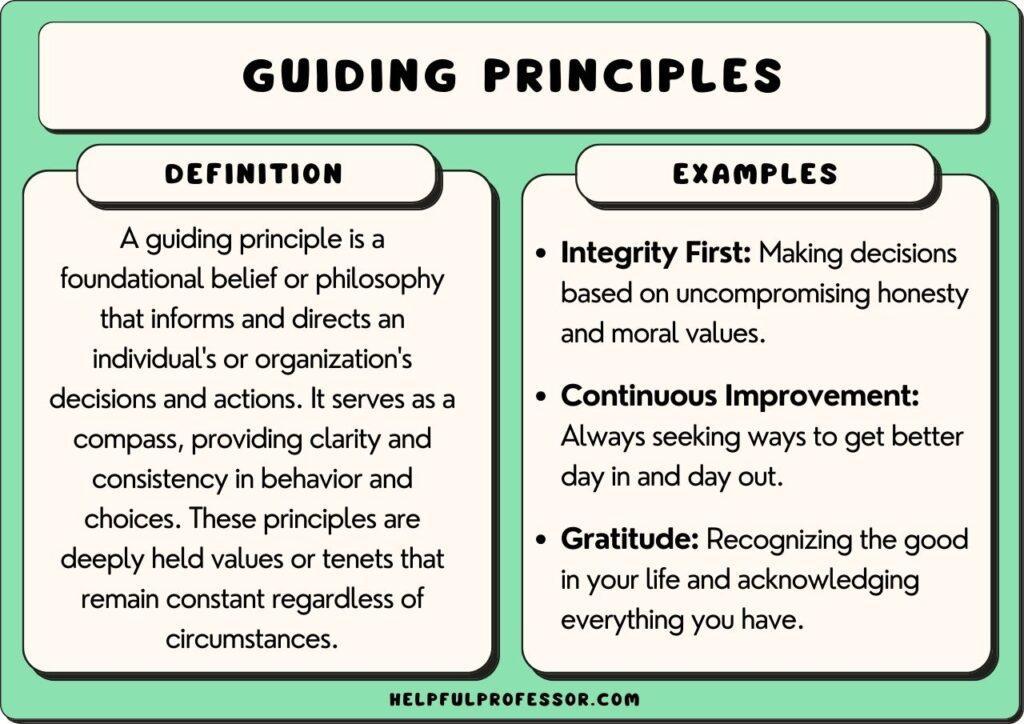
governing Principles and Ethics in Golf Rules
The rules of golf are more than a technical manual – they are a code built on integrity, sportsmanship and respect. Whether you’re studying the Rules of Golf from the USGA and The R&A or learning local rules at your club, understanding the governing principles and ethics that underpin the game will help you play better golf, protect your handicap, and preserve the spirit of the game.
The foundations: What the Rules of Golf Aim to Protect
At their core, the rules seek to:
- Ensure fairness in both stroke play and match play.
- Protect the integrity of scoring and handicaps.
- Promote safety, pace of play and courtesy (golf etiquette).
- Provide consistent procedures for resolving disputes, applying penalties and granting relief.
Key governing bodies and their role
- USGA (United States Golf Association) and The R&A – co-authors of the rules of Golf.
- Local and national golf associations – publish local rules,manage handicaps and run competitions.
- club committees and tournament committees – implement local rules and adjudicate disputes.
Core Ethical Principles in Golf
Golf’s culture of self-regulation is unusual in sport. These core ethical principles guide decisions on and off the course:
1. Honesty and Integrity
- Players are expected to call penalties on themselves even when no official is watching.
- Posting an accurate score and reporting penalties truthfully are fundamental.
2. Respect and Courtesy
- Respect for fellow competitors, the course and pace of play.
- Repairing divots and ball marks, keeping quiet during shots, and allowing faster groups to play through.
3. fairness and Equality
- The Rules of Golf apply equally to amateurs and professionals, ensuring level competition through equipment rules, handicaps and standardized procedures.
4. Obligation
- Players must know and follow the rules; ignorance is not normally an excuse.
- Captains, markers and referees have responsibility to help resolve disputes and publish local rules.
How the Rules Enforce Ethical Play
The rules themselves are structured to encourage and enforce ethical behavior:
- Self-enforcement: Moast rules rely on players to call penalties on themselves (e.g., incidental movement of a ball).
- Clear penalties: Penalty strokes, loss of hole, disqualification – consequences are spelled out to deter cheating.
- Referees and committees: Provide oversight in competitive events and clarify ambiguity.
- Openness: Publishing local rules and posting scorecards keeps everyone on the same page.
Rules That Most Directly Reflect Ethical Principles
Here are some specific rules and concepts that show how ethics and rules interconnect:
Ball Played as It Lies
Playing the ball as it lies preserves fairness – you cannot improve your lie except as permitted by the rules. Ethical play requires resisting the temptation to improve position illegally.
Marking, Lifting and Replacing
on the green or when lifting to identify, players must mark, lift and replace correctly. Replacing a ball incorrectly, or failing to report knowledge of a rules breach, undermines integrity.
Penalty Area and Relief
Relief procedures are clearly defined: drop zones, penalty areas, and the options in stroke play versus match play. Choosing the correct relief option and applying it properly is an ethical responsibility.
strokes Gained & Pace of Play
While statistical tools like strokes gained don’t change the rules, the rules now emphasize quicker procedures (e.g.,ready golf in stroke play) to respect others’ time and maintain fairness.
Modern evolution: Recent Rule Changes and Ethical Impacts
The 2019 major revision of the Rules of Golf (and subsequent clarifications) simplified language and changed procedures to reflect modern play while reinforcing ethical behavior:
- Greater emphasis on reasonable time for search (3 minutes) and simplified ball-on-the-green procedures.
- Allowance for repairing damage on the green, which encourages course care and fairness in play.
- Changes to ball substitution, relief procedures and flagstick handling to align practice with safety and pace of play.
These updates foster clarity so players can make ethical choices more easily – fewer ambiguous situations means fewer accidental breaches.
practical Tips: Applying Ethics and Rules on the Course
- Carry a rules pocket guide or install the official Rules of Golf app from USGA/The R&A on your phone.
- before a tournament, confirm local rules and handicap procedures with the committee.
- Agree on provisional ball procedures and scoring method (stroke vs match play) before play.
- If in doubt, play two balls using Rule 20.2 (when allowed) and get the committee to decide – it protects your score and maintains integrity.
- Keep accurate scorecards and double-check totals; if you sign for a lower score you may be disqualified.
- When searching for a ball, declare whether you intend to stop searching or to play a provisional; clarity avoids disputes.
Pace of Play Best Practices
- Practice ready golf when safe and allowed.
- Keep pre-shot routines concise; be ready to putt when it’s your turn.
- Call the marshal if you get out of position rather than rushing poor shots – it’s better for the field and your integrity.
Table: Principles,Rule Examples and Typical Penalties
| Governing Principle | Rule Example | Typical Penalty |
|---|---|---|
| Honesty | Failing to add a penalty stroke to your score | Disqualification if signed incorrectly |
| Fairness | Playing from an unfair lie (improving position) | Penalty strokes or loss of hole |
| Respect | Slow play affecting groups behind | Time penalties; eventual disqualification |
Case studies: Ethical Dilemmas and How the Rules resolve Them
Case Study 1 – The Misplaced Ball Mark on the Green
Situation: A player accidentally replaces the ball slightly off-mark and the match continues. Later, the player realizes the error.
Rules & Ethics: The Rules require the ball to be replaced correctly. If knowledge of the incorrect replacement is found before the scorecard is signed, the player corrects the mistake and adds any applicable penalty.Prompt admission and correction is the ethically correct path and typically reduces consequences.
Case Study 2 – Searching vs Playing a Provisional
Situation: A ball may be lost. The player starts searching but hesitates to play a provisional ball.
Rules & Ethics: Play a provisional if there’s any doubt to avoid losing a stroke or incurring a penalty for an out-of-bounds or lost ball. Announcing your intention protects you and preserves fairness.
Case Study 3 – Known Breach in a Casual Round
Situation: In a club round,a player realizes after two holes that they used an illegal club during the previous hole.
Rules & Ethics: Even in casual play, the rules apply. The player should notify their marker/counter and apply any penalty promptly. Owning mistakes maintains the game’s integrity and sets a positive example.
First-Hand Experience: How Clubs Build an Ethical Culture
Clubs that foster strong golf etiquette and rules knowledge typically do three things well:
- Offer regular rules workshops and use volunteer referees in tournaments.
- publish clear local rules and pace-of-play expectations on their websites and tee sheets.
- Encourage senior players to mentor juniors on integrity – leading by example is powerful.
From players I’ve coached, the most common betterment comes from simple habits: always carry a pen to check the scorecard before signing, and have brief rules refreshers at the first tee. Those small actions prevent large ethical lapses.
Maintaining Ethical Standards in Competitive Golf
At higher levels, integrity systems include drug testing, equipment checks, and post-round score verification.But the same underlying expectation remains: players are the first line of enforcement. Tournaments increasingly use technology (shot-tracking, video evidence) to support fairness, but technology supplements – it does not replace – the ethical duties of the player.
Role of Handicaps
Handicap systems enable fair competition across skill levels. Accurate score posting is a moral and regulatory requirement – manipulating scores undermines the system and the club’s community.
Resources and Quick references
- Official Rules of Golf – USGA & The R&A website and mobile app.
- Local Rules – check club or course websites before play.
- Rules Pocket Guides – carry a pocket guide or quick reference card.
- Rule 20 (Resolving Rules Issues) – when to play two balls and notify the committee.
SEO Keywords to Keep in Mind
Use these terms naturally in content and meta elements for SEO visibility: golf rules, rules of golf, golf etiquette, golf integrity, golf penalties, pace of play, stroke play, match play, local rules, handicap, USGA, R&A, ball in motion, relief from hazard, lost ball, provisional ball.
Adhering to the rules and the ethical principles that guide them will improve not only your score and competitive standing but the experience of everyone on the course. Understanding governing principles – and practicing honesty, respect and responsibility – is the best way to honor the game of golf.