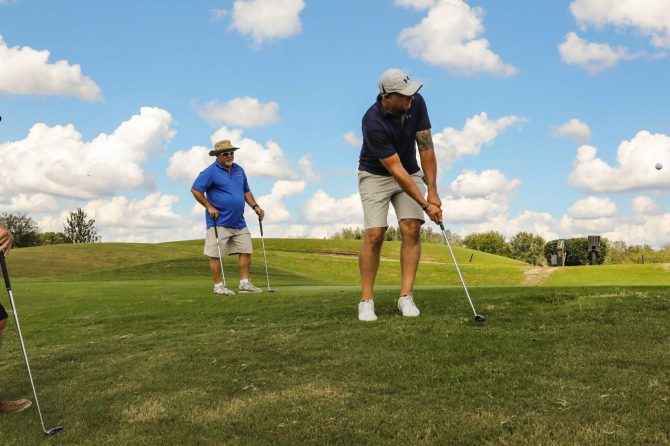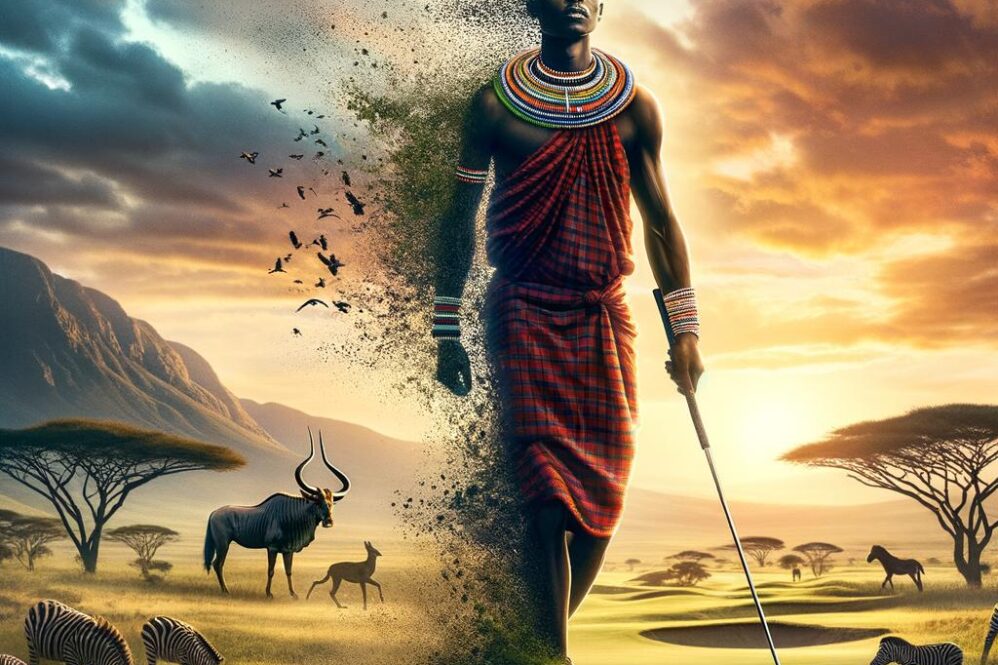
In an exceptional cultural encounter, I had the privilege of introducing a Maasai warrior to the game of golf, creating a memorable experience that blended tradition with modern sport. this journey was not only about teaching the technical aspects of golf but also about celebrating the shared values and unique perspectives that emerged from our diverse backgrounds. The Maasai warrior, renowned for his agility and deep connection to his heritage, embraced the challenge with enthusiasm, revealing how sports can serve as a powerful bridge between different worlds.

Cultural Insights and Golfing Philosophy: Merging Heritage with Sport
Golf, often perceived through a Western cultural lens, holds the potential to resonate universally by connecting with diverse traditions. Teaching golf to a Maasai warrior involved more than just explaining the rules; it was an exploration of his rich cultural background. The Maasai people,deeply intertwined with the African landscape and known for their communal spirit and physical endurance,share values that harmonize with golf’s emphasis on precision and respect.
Our lessons began on the driving range, where the discipline of practise mirrored the ritualistic dedication found in Maasai customs. I introduced the essentials-grip, stance, and swing-using repetition and demonstration to build a solid foundation. The warrior’s natural strength and balance, honed through years of conventional activities, proved advantageous in adapting to golf’s mechanics. This fusion of cultural strengths highlighted how diverse experiences can enrich the learning process.
As we progressed, we discovered a mutual recognition for nature’s role in both golf and maasai life. Each shot was a mindful interaction with the surroundings, considering elements like wind and terrain, which the warrior instinctively understood from his life on the savannah.This shared respect transformed golf into a meaningful dialog between our worlds,deepening our connection beyond the sport itself.
Mastering the Basics: Golf Techniques Tailored for a Maasai Warrior
During my visit to Kenya, I met a Maasai warrior whose curiosity about golf sparked a unique learning experience. Focusing on core techniques, I guided him through the fundamentals: grip, stance, and swing mechanics. His strong hands,accustomed to wielding a spear,adapted quickly to holding a golf club,demonstrating how traditional skills can translate into new disciplines.
We then explored stance and posture, crucial for a successful swing. I encouraged him to find balance by distributing his weight evenly, akin to the grounded stability of a tree.To clarify the differences and similarities, I created a comparison table:
| Golf Stance | Warrior Stance |
|---|---|
| Feet shoulder-width apart | Feet wider for stability |
| Knees slightly bent | Rigid, ready to spring |
| Weight centered | Weight leaning forward |
With grip and stance established, we focused on the swing, emphasizing rhythm and timing. I likened the swing’s fluidity to the graceful movements of his tribal dances, where every motion is purposeful and synchronized.His connection to the earth and inherent strength gave him a natural advantage, illustrating how cultural heritage can enhance athletic performance. This experience underscored the worldwide language of sportsmanship, as the warrior embraced golf with growing confidence.
Building Confidence and Overcoming Obstacles on the Golf Course
Introducing golf to a Maasai warrior came with unique challenges, given the sport’s unfamiliarity compared to his traditional lifestyle. Initially, mastering the swing mechanics and body alignment proved difficult.Through patience and methodical practice, we broke down the game into manageable components:
- Grip: Establishing a firm hold to build control and confidence.
- Posture: Integrating his natural stance into golf’s requirements.
- Follow-through: Encouraging smooth,continuous motion to harness momentum.
As lessons continued, boosting confidence became essential.We incorporated drills that addressed both technical skills and mental focus, helping him visualize each shot and connect with the environment. This approach allowed him to transfer his innate abilities from the savannah to the golf course,bridging two distinct worlds.
| Strengths | Challenges |
|---|---|
| Natural balance and coordination | Adjusting swing tempo |
| Strong concentration | Learning course strategy |
| Intuitive connection with nature | Familiarity with golf equipment |
this journey was more than skill acquisition; it was about fostering a new mindset.Each successful shot symbolized growth, as the warrior learned to trust his instincts while embracing golf’s nuances.His transformation from novice to confident player exemplifies how determination can overcome unfamiliar challenges and open doors to new experiences.
Insights Gained from Cross-Cultural Golf Instruction
Teaching golf to a Maasai warrior transcended technical training, offering profound insights into how sports can unite diverse cultures. Standing on the lush greens surrounded by acacia trees, the contrast between the modern golf environment and traditional Kenyan life was striking.Our lessons extended beyond technique to shared values like respect for the game and discipline in practice, which resonated deeply with both of us.
A highlight of this experience was the mutual exchange of wisdom. While I introduced the mechanics of a golf swing, he shared stories of his people’s enduring bond with the land and lessons in perseverance-qualities that parallel the demands of golf. We used a simple table to illustrate how core principles align across cultures:
| Golf Principles | Maasai Teachings |
|---|---|
| Balance in stance | Harmony with nature |
| Focus on the target | Clarity of purpose |
| Consistency in practice | Discipline in daily life |
Throughout our sessions,it became evident that golf,frequently enough seen as an individual sport,thrives on community and connection. Each shot blended new skills with ancestral wisdom, reflecting a transformative exchange that went beyond the game. This experience reaffirmed that golf’s true essence lies in fostering unity, respect, and a shared passion for learning.
the experience of introducing a Maasai warrior to golf stands as a powerful testament to the sport’s universal appeal. Through dedication and cultural exchange, this unique journey not only developed new skills but also built a bridge between two distinct worlds. Reflecting on the lessons learned both on and off the course, it is clear that golf is much more than a game-it is a platform for connection, growth, and mutual understanding. Stay tuned for more inspiring stories that highlight the transformative power of sports in diverse communities.

From Warrior to Golfer: My Journey Teaching a Maasai Legend the Art of Golf
The Cultural Exchange on the Golf Course
Teaching golf to a Maasai warrior was much more than just lessons on swinging a club or reading greens. It was about bridging two seemingly diffrent worlds – the traditional maasai life, deeply rooted in rich heritage and warrior spirit, and the elegant precision of golf, a sport known for its etiquette and technical finesse. Together, we embarked on a journey that unified culture, discipline, and learning through the game of golf.
Introducing Golf Fundamentals to a Newcomer
The foundation of any great golf lesson is understanding the essentials. With patience and creativity, I introduced the Maasai legend to the core elements of golf:
- Golf Grip: The grip is your connection to the club. We focused on getting the right grip pressure and hand placement.
- Golf Swing Mechanics: From stance to backswing and follow-through,mastering the swing is basic.
- Reading the Green: Interpreting slopes and breaks is crucial for putting success.
- Etiquette and Rules: Respect on the golf course parallels respect in Maasai culture, making the rules easy to appreciate.
Step-by-Step Approach to Teaching Golf
Adapting golf instruction to someone unfamiliar with golf’s environment required a tailored, stepwise approach. Here’s how we structured the learning phases:
| Phase | Objective | Training Focus |
|---|---|---|
| 1.Introduction & Orientation | Familiarize with golf terminology and equipment | showcasing clubs, golf balls, and basic golf course layout |
| 2.Grip & Stance Practice | Build muscle memory for fundamental posture | hands-on grip drills, correct feet alignment, balance |
| 3. Swing Mechanics | Develop a smooth, repeatable golf swing | Slow-motion swings, impact awareness, follow-through |
| 4. Putting Essentials | Engage with the short game | Focus on green reading, speed control, and accuracy |
| 5.Playing a Real Game | Apply skills in a relaxed round | Understanding golf etiquette and course navigation |
Overcoming Challenges: Lessons Learned on the Driving Range
Even for seasoned golfers, adapting to a wholly new cultural context can have its hurdles. Some challenges we faced included:
- Translating golf terms and techniques in ways that felt intuitive and relatable.
- Patience in breaking down complex movements like the golf swing into smaller, manageable components.
- Encouraging the warrior’s natural athleticism without rushing the process.
Through consistent practice at the driving range, the golfer quickly found confidence, turning initial tentative shots into powerful, accurate strikes.
Unique Benefits of Teaching Golf to a Maasai Warrior
Working with a Maasai warrior brought several unexpected benefits, both to the learner and me as an instructor:
- Enhanced Focus and Discipline: The warrior’s disciplined mindset made grasping golf techniques quicker and more accurate.
- Physical Fitness Advantage: The warrior’s natural stamina and agility adapted well to walking long golf courses and adjusting swings.
- Mutual Cultural Respect: Sportsmanship on the green mirrored respect within Maasai traditions, reinforcing valuable life lessons.
practical Golf Tips Inspired by This Experience
Whether you’re a new golfer or an instructor teaching golf cross-culturally, these tips can make a difference:
- Stay Patient: Learning golf is a marathon, not a sprint. Give yourself and your students time to grow.
- Use Visual Aids: Demonstrating swings, putting strokes, and stance positions help solidify understanding.
- Focus on Basics: Master the fundamentals like grip and stance before advancing to complex shots.
- Encourage Outdoor Practice: Real-course experience builds confidence beyond the driving range.
- Relate Golf to Known Skills: Link golf elements to familiar athletic movements or cultural practices for easier comprehension.
Golf Equipment Used in Our Lessons
To ensure a smooth learning curve, using the right equipment tailored to beginners is vital. Here’s a short overview of what gear we utilized during the sessions:
| Equipment | Description | Purpose |
|---|---|---|
| 7-iron | Mid-range golf club with forgiving head | Ideal for teaching swing basics and ball striking |
| Putter | Used on greens for precision strokes | Focus on short game and green reading |
| Golf Balls | Standard practice balls | Durable and visible for beginners |
| Golf Tees | Small pegs to elevate the ball | Helps practice drives with consistency |
Firsthand Experience: Reflections From the Golf Course
One of the most memorable moments was watching the Maasai warrior achieve his first perfect strike. The powerful connection of clubface to ball, the ball soaring towards the fairway – it marked not just a technical victory but a cultural harmony through sport.We celebrated how golf transcended language and tradition, uniting our worlds.
This experience has deepened my belief in golf as a global connector. Whether you are a golfer in a metropolitan city or a warrior in the savannah,golf has the power to teach patience,respect,and focus while fostering friendships across borders.